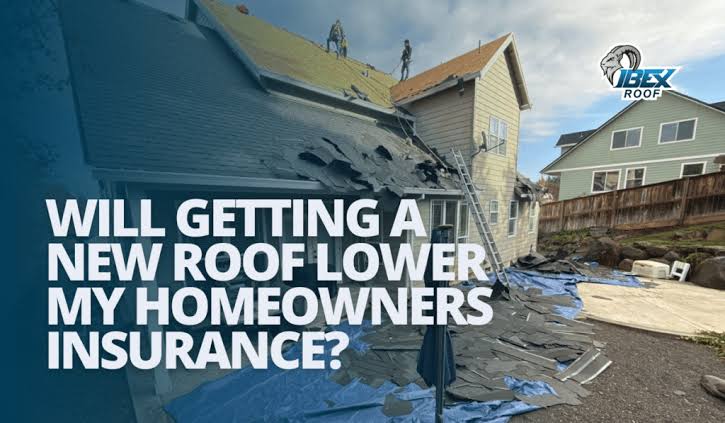
Have you noticed shingles curling in your backyard or found water stains on your ceiling after a storm? It is a stressful situation, and your immediate question is likely: Can I get a new roof on my home insurance? The answer is not a simple yes or no; it depends entirely on why the roof needs replacing. Understanding the distinction between sudden damage and gradual wear is crucial to protecting your wallet and your home.
Understanding When Insurance Covers Roof Replacement
To navigate the complex world of property claims, you must first understand the core principle of homeowners insurance: it is designed to cover sudden and accidental events, not maintenance issues.
Covered Perils: The “Sudden” Events
Most standard HO-3 policies (the most common type in the US) cover roof damage caused by specific “perils.” If your roof is damaged by one of these, your insurer will typically pay for repairs or a full replacement, minus your deductible. Common covered perils include:
- Windstorms: High winds that tear off shingles or lift flashing.
- Hail: Dents or cracks caused by ice pellets.
- Fire: Smoke or flame damage.
- Falling Objects: Such as tree limbs during a storm.
- Weight of Ice/Snow: Collapse due to heavy accumulation.
If a hurricane rips half your shingles off, that is a clear-cut case for a claim. However, if your roof is leaking because it is 25 years old, that is generally considered maintenance.
The Exclusion: Wear and Tear
Insurance companies are not home maintenance providers. Gradual deterioration is almost always excluded from coverage. This includes:
- Aging shingles becoming brittle.
- Moss or mold growth due to lack of cleaning.
- Poor installation from previous owners.
- Lack of regular maintenance.
According to data from the Insurance Information Institute (I.I.I.), wind and hail account for a significant portion of property insurance losses, but age-related claims are frequently denied. Knowing this distinction saves you time and prevents unnecessary strikes against your claims history.
Age Matters: How Old Is Too Old for Coverage?
One of the most critical factors insurers evaluate is the age of your roof. While there is no federal law dictating roof age limits, individual insurance carriers have strict underwriting guidelines.
The 15-20 Year Rule
Many insurers become hesitant to write new policies or renew existing ones if a roof is older than 15–20 years. If your roof is within this age bracket, you might still get coverage, but it may come with conditions:
- Higher Premiums: You may pay more due to increased risk.
- Inspection Requirements: The carrier may require a professional roof inspection before binding coverage.
- Actual Cash Value (ACV) vs. Replacement Cost: This is the most important financial distinction.
ACV vs. Replacement Cost Value (RCV)
When filing a claim, the payout method drastically changes based on your roof’s age and policy type.
| Feature | Actual Cash Value (ACV) | Replacement Cost Value (RCV) |
|---|---|---|
| Definition | Pays the current value of the roof, accounting for depreciation. | Pays the full cost to replace the roof with new materials of like kind and quality. |
| Depreciation | Yes. Deducts value based on age and wear. | No. No deduction for age. |
| Payout Amount | Significantly lower. You pay the difference out-of-pocket. | Higher. Only the deductible is subtracted. |
| Best For | Older roofs where full replacement isn’t feasible. | Newer roofs or comprehensive policies. |
Example: If a new roof costs $10,000 and your 10-year-old roof has depreciated by 40%, an ACV policy might only pay $6,000 (minus deductible). An RCV policy would pay the full $10,000 (minus deductible).
Step-by-Step: How to File a Roof Insurance Claim
If you believe your damage is covered, follow these precise steps to maximize your chances of approval.
- Document the Damage Immediately: Take high-resolution photos from the ground and, if safe, from a ladder. Capture wide shots of the entire roof and close-ups of specific damage (missing shingles, dents). Do not wait; weather can worsen the damage.
- Prevent Further Damage: Insurance policies require you to mitigate further loss. Place tarps over leaks or board up broken windows. Keep receipts for any materials bought for temporary repairs; these may be reimbursable.
- Get a Professional Inspection: Hire a licensed, reputable roofing contractor. Do not use a “storm chaser” who knocks on your door after a hurricane. Ask for a detailed written estimate that separates labor, materials, and code upgrade costs.
- Review Your Policy: Locate your declarations page. Check your deductible amount and confirm whether you have RCV or ACV coverage.
- File the Claim: Contact your insurance agent or carrier directly. Provide the date of loss, a description of what happened, and your documentation. Be honest and precise.
- Meet the Adjuster: An insurance adjuster will visit your home. Walk them through the damage with your contractor present if possible. Point out all affected areas, including gutters and vents.
For more detailed information on how property insurance works fundamentally, you can refer to this Wikipedia article on Property Insurance.
Common Reasons Claims Are Denied (And How to Avoid Them)
Even with valid damage, claims can be rejected. Here are the most frequent pitfalls:
- Lack of Maintenance Records: If you cannot prove you maintained the roof, insurers may argue neglect. Keep records of gutter cleanings and minor repairs.
- Cosmetic Damage: Some policies exclude cosmetic hail damage (dents that don’t affect functionality). Check if your policy has a “cosmetic exclusion.”
- Incorrect Filing: Filing a claim for wind damage when the cause was actually age-related wear can lead to denial and potential fraud investigations. Always be accurate about the cause.
FAQ: Your Top Questions Answered
1. Will my insurance premiums go up after a roof claim?
In most cases, yes. Filing a claim signals higher risk to the insurer. Depending on your state laws and carrier, you could see a premium increase of 10% to 20% for several years. In some cases, repeated claims may lead to non-renewal.
2. Does insurance cover a full roof replacement if only part is damaged?
Ideally, insurers prefer to repair only the damaged section. However, if matching shingles are unavailable (common with older roofs), many states have “matching laws” or policy clauses that require the insurer to pay for a full roof replacement to ensure uniform appearance and protection.
3. What if my roof is old but hasn’t leaked yet?
If there is no active damage from a covered peril, insurance will not pay for a preemptive replacement. You should budget for this expense personally. Consider setting aside funds monthly for future home maintenance.
4. Can I choose my own roofing contractor?
Yes. You have the right to choose any licensed contractor. However, the insurer will only pay up to their estimated cost. If your contractor charges more, you are responsible for the difference unless you can negotiate with the adjuster to justify the higher cost.
5. How long do I have to file a roof insurance claim?
Most policies require you to file “promptly” or within a specific timeframe, often one year from the date of loss. However, waiting too long can make it difficult to prove the cause of damage. File as soon as safely possible.
Conclusion
So, can I get a new roof on my home insurance? Yes, but only if the need arises from a sudden, covered event like a storm, fire, or falling object. If your roof is simply old or worn out, it is considered a maintenance expense, and you will need to fund the replacement yourself.
To protect your investment:
- Know your policy details (ACV vs. RCV).
- Maintain your roof regularly and keep records.
- Act quickly if damage occurs.
Navigating insurance claims can be daunting, but being informed empowers you to make the best decisions for your home. If you found this guide helpful, please share it on social media to help friends and family understand their coverage better!
Leave a Reply