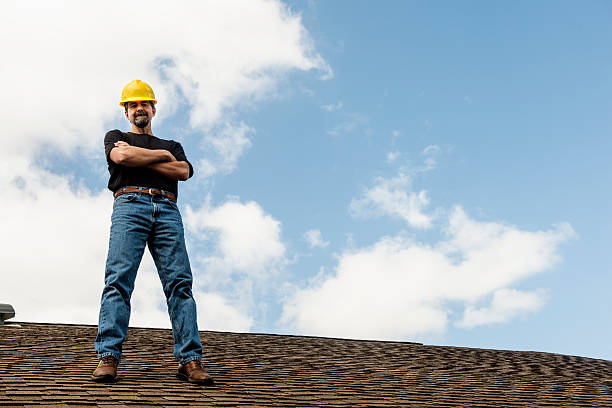
Home improvement projects can be rewarding, but they often come with hidden dangers that many homeowners underestimate. A 45-year-old male was working on his roof last Tuesday when a simple slip turned into a life-altering emergency, highlighting the urgent need for proper safety protocols. Whether you are a seasoned DIY enthusiast or a first-time homeowner, understanding the risks associated with elevated work is crucial for your well-being and your family’s peace of mind.
In this guide, we will break down the specific hazards faced by middle-aged men performing roof maintenance, provide actionable safety steps, and offer expert insights to ensure your next project ends successfully, not in the emergency room.
Why Are Men Over 40 at Higher Risk for Roofing Accidents?
It is a common misconception that roofing accidents only happen to inexperienced teenagers or elderly individuals. However, data suggests that men in their 40s and 50s face a unique set of challenges. At 45, physical resilience begins to shift. While you may still possess significant strength, recovery times lengthen, and balance may not be as instinctive as it was in your twenties.
According to the Centers for Disease Control and Prevention (CDC), falls are the leading cause of non-fatal injuries in construction and home maintenance. For a 45-year-old male working on his roof, the combination of overconfidence and physical changes creates a “perfect storm” for accidents. Many men in this demographic have years of general handyman experience, which can lead to complacency. They might skip securing a ladder properly because “they’ve done it a hundred times,” ignoring the fact that every roof surface, weather condition, and physical state is different.
Furthermore, vision changes, such as presbyopia (difficulty focusing on close objects or judging depth), can begin to manifest in the mid-40s. This subtle change can affect depth perception when stepping across rafters or judging the edge of a shingle line. Recognizing these physiological shifts is the first step toward mitigating risk.
Essential Safety Gear: What You Actually Need
Many homeowners attempt to cut corners by using household items instead of professional-grade safety equipment. This is a critical error. When a 45-year-old male was working on his roof, the absence of proper gear was often the deciding factor between a minor scare and a major injury.
Here is a checklist of non-negotiable safety equipment:
- Fall Arrest System: This includes a full-body harness, a shock-absorbing lanyard, and a secure anchor point. Never rely on balance alone.
- Non-Slip Footwear: Standard sneakers or work boots with worn-out soles are dangerous on asphalt shingles. Use shoes with rubber soles designed for roofing traction.
- Stable Ladder: Use a Type IA or IAA industrial-grade ladder. Ensure it extends at least three feet above the roofline for safe transition.
- Helmet: Protects against head trauma from falls or falling debris.
| Equipment | Purpose | Common Mistake |
|---|---|---|
| Harness | Stops a fall before impact | Using a waist belt only (dangerous) |
| Ladder Stabilizer | Prevents ladder sliding | Placing ladder on uneven ground |
| Gloves | Grip and hand protection | Using cotton gloves (slippery) |
Investing in this gear is not an expense; it is an insurance policy for your health.
Step-by-Step: How to Safely Access and Work on Your Roof
If you must perform maintenance, follow this rigorous protocol. Do not skip steps.
- Inspect Weather Conditions: Never work on a wet, icy, or windy roof. Wind speeds above 15 mph can destabilize your balance. Check local forecasts meticulously.
- Secure the Ladder: Place the ladder on firm, level ground. Use the “4-to-1 rule”: for every four feet of height, move the base one foot away from the wall. Secure the top of the ladder to the roof structure if possible.
- Install Anchor Points: Before stepping onto the roof, install a temporary roof anchor into a structural rafter, not just the plywood sheathing. Attach your harness lanyard to this anchor.
- Three Points of Contact: Always maintain three points of contact (two hands and one foot, or two feet and one hand) when climbing or moving. Move slowly and deliberately.
- Work in Zones: Divide the roof into sections. Complete one section fully before moving to the next. This prevents overreaching, which is a primary cause of loss of balance.
For more detailed information on fall protection standards, you can refer to the Occupational Safety and Health Administration (OSHA) guidelines, which are the gold standard for workplace safety in the United States. While OSHA regulates professionals, their principles apply equally to DIYers.
The Hidden Dangers: Beyond Just Falling
While falls are the most obvious risk, other hazards often go unnoticed until it is too late. When a 45-year-old male was working on his roof, he might also be exposed to:
- Heat Stress: Roofs absorb significant solar radiation. Temperatures on a black asphalt roof can exceed 150°F (65°C) even when the air temperature is mild. Dehydration and heat exhaustion can impair judgment and physical coordination rapidly.
- Electrical Hazards: Proximity to power lines is a silent killer. Always maintain a minimum distance of 10 feet from any overhead power lines.
- Structural Integrity: Older roofs may have rotting sheathing or weak rafters. Stepping on a compromised area can lead to a fall through the roof itself. Always probe the surface with a tool before putting your full weight on a new section.
When to Call a Professional vs. DIY
Knowing your limits is a sign of wisdom, not weakness. Consider hiring a professional if:
- The roof pitch is steeper than 6:12 (6 inches of rise for every 12 inches of run).
- The roof is higher than one story.
- You feel any discomfort, dizziness, or joint pain.
- The repair involves complex flashing or structural changes.
Professional roofers have insurance, specialized equipment, and training that amateurs lack. The cost of a professional is often far less than the medical bills resulting from a single accident.
FAQ Section
1. Is it legal for a homeowner to work on their own roof?
Yes, in most jurisdictions in the US, homeowners are permitted to perform repairs on their own primary residence. However, you must still adhere to local building codes and safety regulations. Some homeowner insurance policies may have clauses regarding DIY work, so check your policy first.
2. What is the safest time of day to work on a roof?
Early morning is generally the safest time. The temperatures are cooler, reducing the risk of heat stress, and the dew has usually evaporated, providing better traction than mid-day heat or evening dampness. Avoid working in direct afternoon sun during summer months.
3. Can I use a regular extension ladder for roof access?
You can, but it must be rated for heavy-duty use (Type I or IA). More importantly, it must be secured at the top and bottom. Using a ladder stabilizer or stand-off is highly recommended to prevent damage to gutters and provide a more stable platform.
4. What should I do if I feel dizzy while on the roof?
Stop immediately. Do not try to “push through.” Sit down carefully, ensuring you are still attached to your safety harness. Hydrate if possible, and descend slowly once you feel stable. If dizziness persists, seek medical attention, as it could indicate heat stroke or other serious conditions.
5. How does age affect roofing safety for men over 40?
As mentioned earlier, reaction times may slow slightly, and joint flexibility can decrease. Additionally, underlying health conditions like high blood pressure can be exacerbated by physical exertion and heat. Regular health check-ups and honest self-assessment of physical capabilities are essential before starting any project.
Conclusion
The story of how a 45-year-old male was working on his roof serves as a potent reminder that home improvement requires respect for physics and biology. By acknowledging the specific risks associated with age, investing in proper safety gear, and following strict procedural guidelines, you can protect yourself from preventable accidents.
Remember, no repair is worth your life or long-term health. If you are unsure, call a professional. Share this article with your friends and family who enjoy DIY projects to help spread awareness about roofing safety. Stay safe, stay informed, and keep your home in great shape without compromising your well-being.
Leave a Reply