Have you noticed unsightly green patches creeping up your shingles? You are not alone; many homeowners struggle with this issue and often ask, “How do I get rid of moss on my roof” before it causes structural damage. In this guide, we will walk you through safe, proven methods to restore your roof’s health without compromising its integrity.
Why Is Moss Dangerous for Your Roof?
Before diving into removal techniques, it is crucial to understand why moss is more than just an aesthetic nuisance. Moss acts like a sponge, retaining moisture against your roofing materials long after the rain has stopped. This constant dampness can lead to rot in wooden underlayment, corrosion of metal flashings, and the lifting of shingles, which creates entry points for water leaks.
According to industry experts, ignoring moss growth can reduce the lifespan of your asphalt shingles by up to 50%. The roots of moss (rhizoids) can penetrate tiny cracks in shingles, widening them over time. By addressing this early, you save thousands in potential repair costs.
What Causes Moss to Grow on Roofs?
Understanding the root cause helps prevent future outbreaks. Moss thrives in specific conditions:
- Shade: Trees or nearby buildings that block sunlight create a cool, damp environment ideal for moss.
- Moisture: High humidity, frequent rain, or poor drainage contributes to growth.
- Debris: Leaves and twigs trap moisture and provide organic material for moss to feed on.
- Climate: Regions with mild, wet winters and cool summers see the most moss activity.
If your roof faces north or is surrounded by tall trees, you are at higher risk. Regular maintenance is key to breaking this cycle.
Step-by-Step Guide: How to Remove Moss Safely
Removing moss requires patience and the right approach. Aggressive scraping or high-pressure washing can damage shingles and void warranties. Follow these steps for a safe cleanup.
Step 1: Safety First
Never attempt roof work alone or in wet/windy conditions. Use a sturdy extension ladder with stabilizers. Wear rubber-soled shoes for grip and safety goggles to protect your eyes from debris and cleaning solutions. If your roof is steep (greater than 6/12 pitch), consider hiring a professional.
Step 2: Dry Brushing
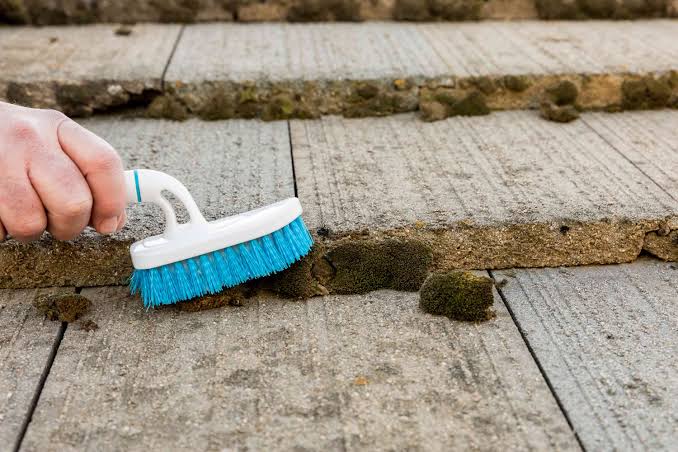
Start by gently removing loose moss and debris. Use a soft-bristle broom or a leaf blower on a low setting.
- Do: Sweep downwards from the ridge to the eaves to avoid lifting shingles.
- Don’t: Use a wire brush or pressure washer, as these can strip the protective granules off asphalt shingles.
Step 3: Apply a Moss-Killing Solution
For effective removal, you need a solution that kills the moss at the root. You can use a commercial moss killer or a DIY mixture.
DIY Recipe:
- Mix 1 cup of oxygen bleach (sodium percarbonate) with 1 gallon of warm water.
- Note: Avoid chlorine bleach if possible, as it can harm surrounding plants and corrode metal fixtures. Oxygen bleach is safer and environmentally friendly.
Apply the solution using a garden sprayer. Ensure thorough coverage but avoid runoff into gutters where possible. Let it sit for 15–20 minutes. Do not let it dry completely before rinsing.
Step 4: Gentle Rinsing
Rinse the roof with a garden hose using a gentle spray nozzle. Start from the top and work your way down. This ensures that any remaining moss spores are washed away without forcing water under the shingles.
Step 5: Clean Gutters
Moss debris often clogs gutters. After cleaning the roof, remove all debris from your gutters and downspouts to ensure proper water drainage. Clogged gutters can cause water to back up under the shingles, leading to ice dams in winter.
Chemical vs. Natural Remedies: Which Is Better?
Choosing the right treatment depends on your environmental concerns and the severity of the infestation. Here is a comparison to help you decide.
| Feature | Chemical Moss Killers | Natural Remedies (Vinegar/Oxygen Bleach) |
|---|---|---|
| Effectiveness | High; fast-acting | Moderate; may require repeated applications |
| Cost | $20–$50 per bottle | $5–$15 for ingredients |
| Environmental Impact | Can harm plants/pets if misused | Biodegradable and safer for gardens |
| Longevity | Lasts 6–12 months | Lasts 3–6 months |
| Ease of Use | Ready-to-use sprays available | Requires mixing and preparation |
For most homeowners, oxygen bleach offers the best balance of effectiveness and safety. It kills moss without the harsh fumes of chlorine or the potential plant damage of strong acids.
How to Prevent Moss from Returning
Prevention is always cheaper than cure. Once your roof is clean, take these steps to keep moss at bay.
Install Zinc or Copper Strips
One of the most effective long-term solutions is installing metal strips near the roof ridge. When it rains, tiny particles of zinc or copper wash down the roof, creating an environment that inhibits moss and algae growth. These strips can last for decades and require zero maintenance.
Trim Overhanging Branches
Sunlight is moss’s enemy. Trim tree branches that shade your roof to allow more UV exposure and improve air circulation. This also reduces the amount of leaf litter that accumulates on your shingles.
Improve Roof Ventilation
Poor attic ventilation can lead to excess heat and moisture buildup, which encourages moss growth. Ensure your attic has adequate soffit and ridge vents to keep the roof deck dry and cool.
Regular Inspections
Schedule bi-annual inspections, ideally in spring and fall. Look for early signs of moss, damaged shingles, or clogged gutters. Early detection makes removal much easier.
When to Call a Professional
While DIY methods work for mild cases, some situations require expert intervention:
- Extensive Growth: If moss covers more than 30% of your roof.
- Structural Damage: If you notice sagging, missing shingles, or leaks.
- Steep Roofs: If your roof pitch is too dangerous for safe DIY access.
- Warranty Concerns: Some roofing manufacturers require professional cleaning to maintain warranty validity.
Professional roof cleaners use specialized equipment and eco-friendly chemicals that are more potent than store-bought options. They also carry insurance, protecting you from liability in case of accidents.
Frequently Asked Questions (FAQ)
1. Can I use a pressure washer to remove moss?
No, it is generally not recommended. High-pressure water can force water under shingles, damage the sealant strips, and strip away protective granules. This can lead to premature roof failure and void your warranty. Stick to low-pressure rinsing with a garden hose.
2. Will vinegar kill moss on my roof?
Yes, white vinegar (acetic acid) can kill moss due to its acidity. However, it may also harm surrounding plants and grass if it runs off the roof. If you use vinegar, dilute it with water (1:1 ratio) and rinse nearby plants thoroughly afterward. It is less effective than oxygen bleach for heavy infestations.
3. How often should I clean my roof?
For most homes, cleaning every 2–3 years is sufficient. However, if you live in a shady, damp area or have many overhanging trees, annual inspections and light cleaning may be necessary. Preventive measures like zinc strips can extend this interval significantly.
4. Is moss removal covered by homeowners insurance?
Typically, no. Homeowners insurance covers sudden and accidental damage, not gradual wear and tear or maintenance issues. Moss growth is considered a maintenance problem. However, if moss causes a leak that leads to significant interior damage, that secondary damage might be covered. Check your policy for specifics.
5. What is the best time of year to remove moss?
The best time is during dry, mild weather, typically in late spring or early fall. Avoid cleaning in extreme heat, as solutions can evaporate too quickly, or in freezing temperatures, which can make surfaces slippery and dangerous. Dry conditions allow the cleaning solution to work effectively without being washed away by rain.
6. Can I walk on my roof to clean it?
Walking on your roof can damage shingles, especially if they are old or brittle. If you must walk on it, step on the lower part of the shingle where it is nailed down, not on the exposed edge. Always use proper safety gear. If you are unsure, hire a professional to avoid injury and roof damage.
Conclusion
Knowing how do I get rid of moss on my roof is essential for maintaining your home’s value and structural integrity. By using safe cleaning methods like oxygen bleach, installing preventive zinc strips, and keeping your roof free of debris, you can enjoy a moss-free roof for years to come. Remember, regular maintenance is far less costly than major repairs.
If you found this guide helpful, please share it with friends and neighbors who might be battling the same green invaders. A clean roof is a happy roof! For more detailed information on roofing materials and their care, you can refer to authoritative resources like Wikipedia’s page on Roofing.
Leave a Reply