Have you ever taken a bite of pizza or sipped coffee that was just a little too hot, only to feel that sharp, stinging pain on the roof of your mouth? It is a universally frustrating experience that can ruin your meal and leave you uncomfortable for days. If you are currently wincing in pain and searching for what to do when you burn roof of your mouth, you have come to the right place for immediate, effective relief.
The roof of your mouth, known medically as the hard and soft palate, is covered in delicate mucous membranes. Unlike the skin on your hands, this tissue is thin and highly sensitive to thermal injury. While most minor burns heal quickly, knowing the correct first aid steps can significantly reduce pain, prevent infection, and speed up the recovery process. In this guide, we will walk you through evidence-based remedies, explain the healing timeline, and help you avoid common mistakes that could make the injury worse.
Immediate First Aid: Cool It Down Safely
When the burn first happens, your instinct might be to panic or drink ice-cold water immediately. However, extreme temperature changes can sometimes shock the already damaged tissue. The goal in the first few minutes is to gently lower the temperature of the affected area without causing further irritation.
Step-by-Step Immediate Response
- Stop Eating Immediately: Remove any hot food or liquid from your mouth. Do not swallow if the substance is still scalding.
- Rinse with Cool Water: Take a sip of cool (not freezing) water. Swish it gently around your mouth for 10–15 seconds, focusing on the roof of your mouth. Spit it out. Repeat this process 3–4 times.
- Tip: Use water at approximately 15–20°C (59–68°F). Avoid ice cubes directly on the burn, as they can cause “ice burn” or tissue damage due to extreme cold.
- Breathe Through Your Mouth: Gently inhale through your mouth and exhale through your nose. This airflow helps evaporate moisture and cools the palate naturally.
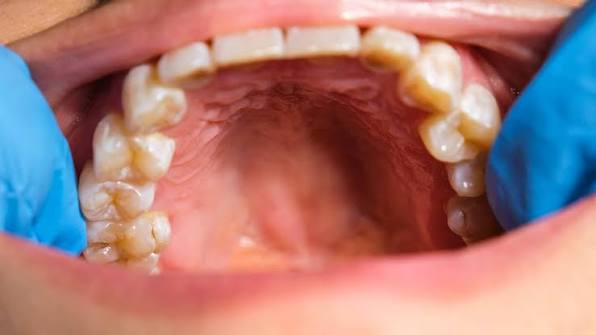
- Assess the Damage: Look in a mirror. Is the area red? Are there blisters? Is there white peeling skin? This assessment will help you determine the severity of the burn.
According to general medical consensus, thermal burns in the mouth are usually first-degree (superficial) or second-degree (blistering). Most oral burns are first-degree, affecting only the outer layer of the tissue. For more detailed information on burn classifications, you can refer to Wikipedia’s article on burns, which provides a comprehensive overview of how thermal injuries are categorized medically.
Soothing Remedies That Actually Work
Once you have cooled the area, the next phase is managing pain and promoting healing. The mouth is a moist environment, which actually aids healing compared to skin burns, but it is also full of bacteria. Therefore, your remedies should focus on soothing inflammation while keeping the area clean.
1. Salt Water Rinse
This is one of the most recommended remedies by dentists. Salt water is a natural disinfectant that reduces swelling and cleanses the wound.
- Recipe: Mix 1/2 teaspoon of salt into 1 cup (240 ml) of warm water.
- Method: Swish gently for 30 seconds and spit. Do this 2–3 times a day, especially after meals.
- Why it works: The saline solution creates a hypertonic environment that draws out excess fluid from swollen tissues, reducing pain and pressure.
2. Honey Application
Honey has been used for centuries for its antibacterial and anti-inflammatory properties. Recent studies suggest that medical-grade honey can accelerate wound healing in oral mucositis.
- Method: Dab a small amount of raw, organic honey directly onto the burned area. Let it sit for a few minutes before swallowing or rinsing.
- Caution: Do not use honey for children under 1 year old due to the risk of botulism.
3. Cold Dairy Products
Yogurt, milk, or ice cream can provide a coating effect that soothes the burn. The casein protein in dairy may also help neutralize some irritants, though its primary benefit here is thermal relief and coating.
- Recommendation: Choose plain, unsweetened yogurt to avoid sugar irritating the wound. Avoid acidic flavored yogurts.
4. Over-the-Counter Oral Gels
Products containing benzocaine or lidocaine can numb the area temporarily. These are useful if the pain is preventing you from eating or sleeping.
- Usage: Apply a small amount directly to the burn using a clean cotton swab. Follow the package instructions strictly, as overuse can lead to side effects.
What to Avoid: Common Mistakes That Delay Healing
While treating your burn, certain habits can exacerbate the injury or introduce infection. Being aware of these pitfalls is crucial for a speedy recovery.
| Avoid These | Why They Harm | Better Alternative |
|---|---|---|
| Spicy Foods | Capsaicin irritates nerve endings and inflames damaged tissue. | Bland, soft foods like mashed potatoes or oatmeal. |
| Acidic Drinks | Citrus juices and soda sting open wounds and erode enamel. | Water, herbal tea (cooled), or almond milk. |
| Crunchy Snacks | Chips, nuts, or toast can physically scrape the healing blister. | Soft fruits like bananas or melons. |
| Alcohol-Based Mouthwash | Alcohol dries out the tissue and causes intense stinging. | Alcohol-free mouthwash or salt water rinses. |
| Popping Blisters | Breaking blisters exposes raw tissue to bacteria, increasing infection risk. | Let blisters heal naturally; they will reabsorb or peel off on their own. |
Understanding the Healing Timeline
Patience is key when dealing with oral burns. The mouth heals faster than most other parts of the body due to its rich blood supply, but it still takes time.
- Days 1–2: This is the most painful period. You may experience throbbing, sensitivity to touch, and difficulty eating. Redness and slight swelling are common.
- Days 3–4: Pain should start to subside. You might notice the top layer of skin beginning to peel or turn white. This is a normal part of the healing process as new tissue forms underneath.
- Days 5–7: Most minor burns are fully healed by this point. Any peeling skin should have shed, revealing healthy pink tissue underneath.
If your burn has not shown signs of improvement after 7 days, or if you develop a fever, pus, or increased swelling, you should consult a healthcare professional. These could be signs of a secondary bacterial infection.
When to See a Doctor
While most palate burns are minor home-treatable issues, there are specific scenarios where professional medical attention is necessary. Ignoring these signs can lead to complications.
- Large Blisters: If blisters cover a significant portion of your mouth or interfere with breathing or swallowing.
- Signs of Infection: Increased redness spreading beyond the burn site, yellow or green discharge, foul odor, or fever.
- Persistent Pain: If pain remains severe after 3–4 days despite home remedies.
- Chemical Burns: If the burn was caused by a chemical substance rather than heat, seek immediate medical help. Chemical burns can penetrate deeper and require specific neutralization treatments.
FAQ: Common Questions About Burnt Palates
1. How long does it take for the roof of your mouth to heal?
Most minor first-degree burns on the roof of the mouth heal within 3 to 7 days. Second-degree burns with blisters may take up to two weeks. The mouth’s rapid cell turnover rate allows for quicker recovery compared to skin burns on other body parts.
2. Can I brush my teeth if I burned the roof of my mouth?
Yes, you should continue to maintain oral hygiene to prevent infection. However, be extra gentle around the burned area. Use a soft-bristled toothbrush and avoid scrubbing the palate directly. Rinsing with salt water after brushing is highly recommended.
3. Is it safe to pop the blister on the roof of my mouth?
No. Popping the blister removes the natural protective barrier against bacteria. This significantly increases the risk of infection and can delay healing. Let the blister burst or reabsorb on its own. If it bursts accidentally, keep the area clean with salt water rinses.
4. What foods are best to eat with a burned mouth?
Stick to cool, soft, and bland foods. Excellent options include:
- Greek yogurt
- Applesauce
- Mashed potatoes (cooled)
- Smoothies (avoid acidic fruits like oranges)
- Pudding or custard
- Lukewarm soup (broth-based, not creamy or spicy)
5. Why does the skin on the roof of my mouth peel after a burn?
Peeling is a natural part of the healing process. The top layer of damaged cells dies and separates from the new tissue forming underneath. This white, peeling skin is essentially a scab in a moist environment. Do not pull it off; let it fall away naturally during eating or rinsing.
6. Can a burned roof of the mouth cause a loss of taste?
Temporary alteration in taste is possible if the burn affects the taste buds located near the back of the tongue or soft palate. However, true loss of taste is rare. Any changes usually resolve as the tissue heals within a week. If taste changes persist longer, consult a doctor.
Conclusion
Dealing with a burned roof of your mouth is uncomfortable, but it is rarely serious. By acting quickly to cool the area, using soothing remedies like salt water rinses and honey, and avoiding irritants like spicy foods, you can manage the pain effectively. Remember that the mouth is resilient; with proper care, most burns heal completely within a week.
If you found this guide helpful in soothing your pain, please share it with friends and family on social media. You never know who else might be suffering from a fresh pizza burn right now! Stay safe, eat wisely, and let your mouth heal.
Leave a Reply