Replacing a roof is one of the most significant investments a homeowner can make, often causing stress due to the high upfront costs and uncertainty about pricing. If you are staring at aging shingles or dealing with leaks, you are likely asking yourself, “How much is it to replace a roof on house?” to plan your finances effectively. This guide breaks down the real costs, hidden fees, and value-driven choices to help you make an informed decision without the headache.
Understanding the Average Cost of Roof Replacement
When homeowners ask about roofing costs, they are usually looking for a ballpark figure to start their budgeting process. In 2026, the national average cost to replace a roof in the United States typically ranges between $8,500 and $14,500, with most homeowners spending around $11,000 for a standard asphalt shingle roof on a 2,000-square-foot home.
However, this number is merely a starting point. The final price tag depends heavily on several volatile factors, including regional labor rates, the complexity of your roof’s design, and the current market price of raw materials. For instance, a simple gable roof in the Midwest will cost significantly less than a multi-story hip roof with multiple chimneys in a high-cost coastal city.
It is crucial to understand that roofing is not a commodity product; it is a service-intensive project. Approximately 60% of the total cost goes toward labor and installation, while 40% covers materials. This ratio highlights why choosing a contractor based solely on the lowest bid can be risky—cutting corners on labor often leads to premature failure and costly repairs down the line.
Key Factors That Influence Your Roofing Quote
To get an accurate estimate, you must consider the specific variables that drive up or down the price. Here are the primary components that contractors evaluate:
1. Roof Size and Pitch
Contractors measure roofs in “squares,” where one square equals 100 square feet. A larger roof requires more materials and labor. Additionally, the pitch (slope) matters. Steeper roofs are more dangerous and time-consuming to work on, requiring special safety equipment and slowing down the crew, which increases labor costs by 20–30%.
2. Material Selection
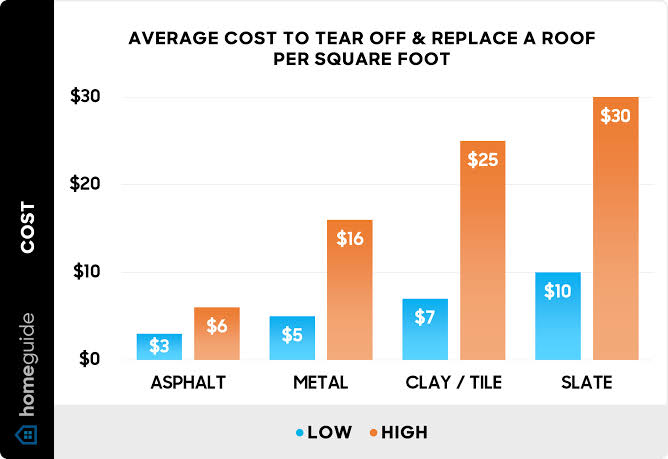
The type of roofing material you choose is the biggest variable in your budget. Below is a comparison of common materials and their estimated costs per square foot (installed):
| Material Type | Estimated Cost per Sq. Ft. | Lifespan | Best For |
|---|---|---|---|
| Asphalt Shingles | $4.50 – $8.50 | 15–25 Years | Budget-conscious homeowners |
| Metal Roofing | $9.00 – $16.00 | 40–70 Years | Durability and energy efficiency |
| Clay/Concrete Tile | $12.00 – $25.00 | 50+ Years | Hot climates and aesthetic appeal |
| Wood Shakes | $10.00 – $18.00 | 20–30 Years | Historic or rustic styles |
| Slate | $20.00 – $40.00+ | 75–100+ Years | Luxury homes and longevity |
3. Removal of Old Layers
Does your new roof need to go over the old one, or does the old one need to be torn off? Most building codes allow only two layers of shingles. If you already have two layers, a full tear-off is mandatory. Tear-off costs typically add $1.50 to $3.00 per square foot to your bill, covering labor and dumpster fees for disposal.
4. Structural Repairs and Decking
Once the old shingles are removed, contractors inspect the wood decking underneath. If they find rot, water damage, or weak spots, these must be replaced before new shingles can be installed. Expect to pay $75–$100 per sheet of plywood replacement. This is often an “unforeseen” cost that can surprise homeowners if not accounted for in the initial contingency fund.
Labor Costs vs. Material Costs: Where Does the Money Go?
Understanding the breakdown helps you negotiate better. Labor costs vary significantly by region. In urban areas like New York or San Francisco, hourly rates for skilled roofers can exceed $75–$100 per hour, whereas in rural areas, rates may hover around $40–$60 per hour.
Material costs have also seen fluctuations due to supply chain dynamics. Asphalt shingle prices are tied to oil prices, while metal roofing costs are linked to steel and aluminum markets. According to industry data, material costs have stabilized in 2026 compared to the volatility of previous years, but premium materials like copper or slate remain subject to global mining trends.
For a deeper understanding of how construction materials are standardized and rated, you can refer to general industry standards documented on Wikipedia.
Step-by-Step Guide to Getting an Accurate Estimate
If you want to avoid sticker shock, follow this structured approach to gathering quotes:
- Measure Your Roof Area: While professionals do this precisely, you can estimate by measuring your home’s footprint and multiplying by a pitch factor (e.g., 1.2 for moderate slopes). This gives you a baseline to check contractor quotes.
- Identify Your Needs: Decide if you want a basic repair, a full replacement, or an upgrade in material quality. Write down any specific issues like leaks near chimneys or skylights.
- Get Three Detailed Quotes: Never settle for one quote. Ensure each quote includes:
- Brand and type of shingles.
- Underlayment quality (synthetic vs. felt).
- Warranty details (manufacturer vs. workmanship).
- Cleanup and disposal fees.
- Check Credentials: Verify that the contractor is licensed, insured, and has good standing with the Better Business Bureau. Ask for references from jobs completed in the last six months.
- Review the Contract: Ensure the timeline, payment schedule, and scope of work are clearly defined. Avoid paying the full amount upfront; a 30% deposit is standard.
People Also Ask: Common Questions About Roofing Costs
How long does a roof replacement take?
For an average-sized home (2,000 sq. ft.), a professional crew can typically complete a tear-off and replacement in 1 to 3 days. Weather conditions, roof complexity, and the size of the crew can extend this timeline. Metal roofs or tile installations may take longer due to the intricacy of the work.
Can I replace my roof myself to save money?
While DIY roofing might seem like a way to cut costs, it is highly discouraged for most homeowners. Roofing involves working at heights, handling heavy materials, and ensuring watertight seals. Mistakes can lead to severe structural damage, voided warranties, and personal injury. Professional installation ensures compliance with local building codes and manufacturer warranty requirements.
Does homeowners insurance cover roof replacement?
Insurance typically covers roof replacement if the damage is caused by a covered peril, such as hail, windstorms, or falling trees. However, it generally does not cover wear and tear, age-related deterioration, or lack of maintenance. Always review your policy and document damage with photos before filing a claim.
What is the best time of year to replace a roof?
Late spring through early fall is the peak season for roofing, meaning prices may be higher due to demand. However, scheduling in the off-season (late fall or winter) can sometimes yield discounts, provided the weather permits safe installation. Some contractors offer lower rates during slower months to keep their crews busy.
How do I know if I need a repair or a full replacement?
If your roof is under 10 years old and has isolated damage, a repair is likely sufficient. However, if your roof is over 20 years old, has widespread granule loss, multiple leaks, or sagging areas, a full replacement is more cost-effective in the long run. A professional inspection can provide a definitive answer.
Conclusion
Knowing how much is it to replace a roof on house is the first step toward protecting your home’s value and integrity. While the average cost sits between $8,500 and $14,500, your specific situation will dictate the final price. By understanding the factors involved—from material choices to labor complexities—you can budget accurately and avoid unexpected financial surprises.
Remember, a roof is not just an expense; it is a critical shield for your family and belongings. Invest in quality materials and reputable labor to ensure peace of mind for decades to come.
Found this guide helpful? Share it with your neighbors on social media to help them prepare for their own home improvement projects!
Leave a Reply