Have you ever stared at your aging shingle roof, wondering if it’s time for an upgrade, only to be intimidated by the price tags floating around online? You are not alone. Many homeowners with modestly sized properties struggle to find clear, localized pricing for premium materials. Understanding the average cost of metal roof on 1600 square foot homes is the first step toward making a confident, financially sound decision for your property’s future.
Metal roofing has surged in popularity across the United States, not just for its sleek modern aesthetic but for its unparalleled durability. However, pricing can vary wildly depending on your location, the type of metal chosen, and the complexity of your roof’s design. In this guide, we will break down exactly what you can expect to pay, helping you navigate the quotes from contractors with clarity and confidence.
What Is the Average Total Cost for a 1600 Sq Ft Metal Roof?
When planning your budget, it is crucial to distinguish between the “roof size” and the “home size.” A 1,600-square-foot home typically does not have a 1,600-square-foot roof. Due to pitch, overhangs, and architectural complexity, the actual roof surface area is often larger. For calculation purposes, most contractors estimate the roof area to be approximately 1.2 to 1.5 times the floor plan of a single-story home, or significantly more for multi-story structures.
However, assuming we are discussing a project where the actual roof surface area is 1,600 square feet, here is the national average breakdown:
- Low-End Estimate (Corrugated Steel): $9,600 – $12,800
- Mid-Range Estimate (Aluminum/Stone-Coated Steel): $14,400 – $19,200
- High-End Estimate (Standing Seam Copper/Zinc): $25,600 – $40,000+
On average, homeowners spend between $9 and $25 per square foot installed. This wide range exists because “metal roof” is a broad category. A basic corrugated galvanized steel panel is vastly different in price and performance from a hand-soldered copper standing seam system.
For a standard 1,600-square-foot roof using high-quality aluminum or stone-coated steel (the most common choices for residential retrofits), you should budget approximately $16,000 to $18,000. This includes removal of old materials, underlayment, labor, and waste disposal.
Key Cost Factors Influencing Your Quote
- Material Type: Steel is the most affordable; copper is the most expensive.
- Labor Rates: Urban areas like New York or San Francisco command higher labor costs than rural Midwest regions.
- Roof Pitch: Steeper roofs require more safety equipment and time, increasing labor costs by 10–20%.
- Existing Roof Removal: Tearing off old shingles adds $1–$5 per square foot to the total bill.
How Do Different Metal Materials Compare in Price?
Choosing the right material is the biggest lever you can pull to control costs. Not all metals are created equal. Below is a detailed comparison of the most common materials used in the US market today.
| Material Type | Avg. Cost Per Sq. Ft. | Durability (Years) | Best For |
|---|---|---|---|
| Corrugated Steel | $6.00 – $8.00 | 30–45 | Budget-conscious, agricultural styles |
| Stone-Coated Steel | $9.00 – $12.00 | 40–50 | Homeowners wanting a tile/shingle look |
| Aluminum | $9.00 – $14.00 | 50+ | Coastal areas (rust-resistant) |
| Standing Seam Steel | $12.00 – $18.00 | 50+ | Modern aesthetics, snow shedding |
| Copper | $20.00 – $35.00+ | 100+ | Historic homes, luxury estates |
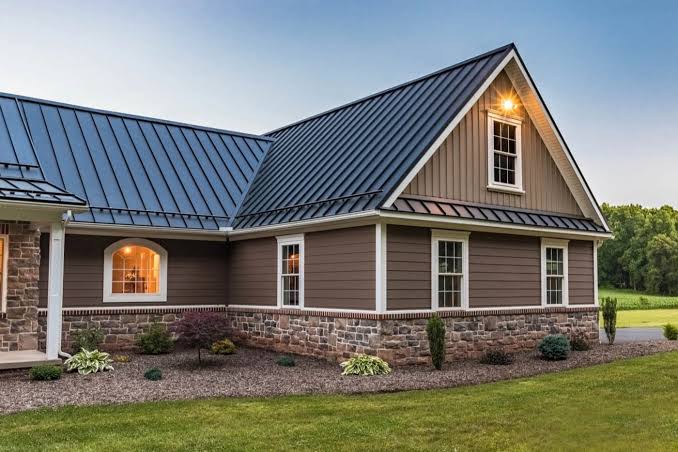
Standing Seam vs. Exposed Fastener: One critical distinction is the installation method. Exposed fastener systems (like corrugated panels) use screws that go directly through the metal into the roof deck. These are cheaper but prone to leaking as gaskets degrade over time. Standing seam systems hide the fasteners under the seams, allowing for thermal expansion and contraction without compromising the seal. While standing seam costs more upfront, it offers superior longevity and weather resistance.
Does Location Impact the Installation Price Significantly?
Yes, geography plays a massive role in your final invoice. Labor costs constitute roughly 40–60% of the total project cost. Therefore, regional wage differences directly impact your bottom line.
For example, installing a metal roof in the Southeast might be cheaper due to lower overall labor rates, but you may need to upgrade to aluminum to combat humidity and salt air if you are near the coast. Conversely, in the Northeast, labor is expensive, but the demand for heavy snow-shedding capabilities might push you toward standing seam steel, which is also pricier.
Additionally, local building codes matter. Some hurricane-prone zones in Florida or Texas require specific uplift ratings, which may necessitate heavier gauge metals or additional strapping, driving up material and labor costs. Always check with your local municipality regarding permit fees, which can range from $100 to $1,000 depending on your city.
What Are the Long-Term Financial Benefits of Metal Roofing?
While the sticker shock of a metal roof is real, viewing it solely as an expense is a mistake. It is an investment with tangible returns. According to various real estate studies, metal roofs can increase a home’s resale value by 1–6%. More importantly, they offer significant operational savings.
Energy Efficiency
Metal roofs reflect solar radiant heat rather than absorbing it. This can reduce cooling costs by 10–25%. If you live in a hot climate like Arizona or Texas, this energy saving can offset the higher initial cost within a few years. Look for products with a high Solar Reflectance Index (SRI) rating for maximum efficiency.
Insurance Discounts
Many insurance companies offer premiums discounts of 10–35% for homes with metal roofs. Because metal is non-combustible and highly resistant to wind and hail damage, insurers view these homes as lower risk. Over a 20-year period, these savings can amount to thousands of dollars.
Maintenance and Longevity
Asphalt shingles typically last 15–20 years. A quality metal roof lasts 40–70 years. This means you will likely never have to replace your roof again. When you calculate the “cost per year of service,” metal roofing is often cheaper than asphalt.
For more detailed information on the physical properties and recycling benefits of various metals, you can refer to this comprehensive resource on Metal Recycling and Properties.
Step-by-Step Guide to Budgeting Your Project
If you are ready to move forward, follow these steps to ensure you get a fair price and a quality installation.
- Measure Accurately: Do not rely on your home’s square footage. Use satellite imagery tools (many contractors provide free reports) or measure the roof planes manually. Remember to add 10% for waste.
- Get Three Quotes: Never accept the first bid. Ensure each contractor is quoting for the same material gauge and finish. A quote for 29-gauge steel is not comparable to one for 24-gauge steel.
- Check Credentials: Verify that the installer is certified by the manufacturer (e.g., CertainTeed, MBCI, or Fabral). Manufacturer certification often ensures the warranty remains valid.
- Review the Warranty: Look for two warranties: one for the material (paint finish, rust) and one for workmanship (leaks, installation errors). A 20-year paint warranty is standard for high-end products.
- Secure Financing: If paying cash is difficult, look into home equity loans or specialized green energy financing if you are adding solar panels simultaneously.
Frequently Asked Questions (FAQ)
1. Can I install a metal roof over my existing shingles?
Yes, in many cases, you can. This is called a “retrofit” or “overlay.” It saves money on tear-off and disposal fees. However, your local building code must allow it, and your roof deck must be structurally sound. Most contractors recommend removing old shingles if there are multiple layers or if the deck is uneven.
2. Is a metal roof noisy when it rains?
This is a common myth. When installed correctly with solid sheathing and proper insulation, a metal roof is no louder than an asphalt shingle roof. In fact, the mass of the underlying structure dampens sound effectively. Without solid decking (e.g., on open purlins), it can be noisy, but this is rare in residential US homes.
3. How long does the installation take for a 1600 sq ft roof?
For a crew of 3–4 professionals, installing a metal roof on a 1,600-square-foot surface typically takes 2 to 4 days. This includes prep work, flashing installation, and cleanup. Complex roofs with many valleys, chimneys, or dormers may take longer.
4. Will a metal roof interfere with my Wi-Fi or cell signal?
Generally, no. While metal blocks radio waves, your Wi-Fi router is inside the house, and cell signals penetrate through windows and walls. Unless you have a completely sealed metal attic with no other entry points for signals, you should not experience noticeable interference.
5. What maintenance does a metal roof require?
Metal roofs are low-maintenance but not no-maintenance. You should inspect them twice a year. Clear debris from valleys and gutters to prevent water backup. Check for any loose fasteners (if exposed) and clean the surface with a mild detergent if dirt or pollen buildup affects its reflective properties. Avoid pressure washing, which can damage the paint finish.
Conclusion
Investing in a new roof is one of the most significant home improvement decisions you will make. Understanding the average cost of metal roof on 1600 square foot homes empowers you to negotiate better and choose materials that fit both your aesthetic desires and your financial reality. While the upfront cost is higher than asphalt, the longevity, energy savings, and increased property value make it a wise long-term strategy.
Don’t let the initial price tag deter you from exploring this durable option. Get those quotes, check the warranties, and imagine a home that stays cool in summer and safe in storms for decades to come.
Found this guide helpful? Share it with your neighbors on Facebook or Pinterest who might also be considering a roof upgrade!
Leave a Reply