Have you ever run your tongue over the roof of your mouth and felt a strange, unexpected bump? It can be startling, triggering immediate worry about what might be wrong with your health. You are not alone in this concern; many people search for “What Is The Lump On The Roof Of My Mouth“ hoping for quick, reassuring answers. In most cases, these lumps are harmless and temporary, but understanding the root cause is essential for peace of mind and proper care.
This guide will walk you through the most common reasons for palatal lumps, how to identify them, and exactly when you need professional medical attention. We will break down complex medical terms into simple, actionable advice so you can navigate this situation with confidence.
Common Causes of Lumps on the Roof of Your Mouth
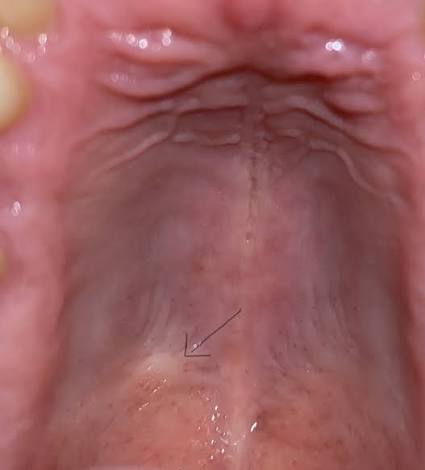
The roof of your mouth, known medically as the palate, is divided into two sections: the hard palate (front) and the soft palate (back). A lump can appear in either area due to various factors ranging from minor injuries to underlying health conditions. Let’s explore the most frequent culprits.
1. Torus Palatinus: A Benign Bone Growth
One of the most common causes of a hard lump in the center of the hard palate is a torus palatinus. This is a bony growth that develops slowly over time. It is not cancerous and usually does not require treatment unless it interferes with denture fitting or causes discomfort.
- Characteristics: Hard, immovable, located in the midline of the hard palate.
- Prevalence: Studies suggest that torus palatinus affects approximately 20-30% of the population, with higher prevalence in certain ethnic groups.
- Action: No action is needed unless it grows significantly large or becomes irritated.
2. Nasopalatine Duct Cyst
These cysts form from remnants of embryonic tissue. They are typically found behind the front teeth on the roof of the mouth. While often asymptomatic, they can become infected or grow large enough to cause swelling.
- Symptoms: Swelling, pain, or a salty taste if the cyst drains.
- Treatment: Surgical removal is usually recommended if the cyst causes symptoms.
3. Mucoceles (Mucus Cysts)
A mucocele is a fluid-filled sac that forms when a salivary gland duct is blocked or damaged. These are more common on the lower lip but can occur on the soft palate.
- Appearance: Soft, bluish, or clear bump.
- Cause: Often results from accidental biting or trauma to the area.
- Resolution: Many mucoceles rupture and heal on their own within a few weeks.
4. Thermal Burns (Pizza Palate)
Did you recently eat something scalding hot? A “pizza burn” is a very common cause of temporary lumps or blisters on the roof of the mouth. The delicate tissue of the palate is easily damaged by high temperatures.
- Healing Time: Typically heals within 3–7 days.
- Care: Rinse with cool water and avoid spicy or acidic foods until healed.
5. Oral Thrush (Candidiasis)
Oral thrush is a fungal infection caused by an overgrowth of Candida albicans. It can present as white patches or raised bumps on the palate, often accompanied by a cottony feeling in the mouth.
- Risk Factors: Antibiotic use, diabetes, weakened immune system, or steroid inhalers.
- Treatment: Antifungal medications prescribed by a dentist or doctor.
When Should You Worry? Red Flags to Watch For
While most lumps are benign, some signs indicate a need for immediate professional evaluation. Ignoring these symptoms could delay the diagnosis of more serious conditions, such as oral cancer or severe infections.
Use this checklist to assess your situation:
| Symptom | Potential Concern | Action Required |
|---|---|---|
| Persistent Pain | Infection or Abscess | See a dentist within 24-48 hours |
| Rapid Growth | Tumor or Cyst | Schedule an appointment immediately |
| Bleeding | Trauma or Lesion | Consult a healthcare provider |
| Difficulty Swallowing | Obstruction or Infection | Seek urgent medical care |
| Numbness | Nerve Involvement | Emergency evaluation recommended |
| Lasts > 2 Weeks | Chronic Condition | Book a dental exam |
If your lump persists for more than two weeks without improvement, it is crucial to consult a healthcare professional. Early detection is key to effective treatment for any oral health issue.
How Doctors Diagnose Palatal Lumps
When you visit a dentist or oral surgeon for a lump on the roof of your mouth, they will follow a systematic diagnostic process. Understanding this process can help alleviate anxiety about the appointment.
- Visual Examination: The clinician will inspect the size, color, and texture of the lump.
- Palpation: They will gently feel the area to determine if the lump is hard, soft, fixed, or movable.
- Medical History Review: Questions about recent injuries, dietary habits, and overall health help narrow down potential causes.
- Imaging: If the lump is deep or bony, an X-ray or CT scan may be ordered to view the underlying structure.
- Biopsy: In rare cases where cancer is suspected, a small tissue sample may be taken for laboratory analysis.
According to the National Institute of Dental and Craniofacial Research, regular dental check-ups are vital for early detection of oral abnormalities. This external resource provides comprehensive information on oral health standards and research.
Step-by-Step Home Care for Minor Lumps
If your lump is likely due to a minor burn or irritation, you can manage it at home with these steps. However, always monitor for changes.
- Rinse with Salt Water: Mix 1 teaspoon of salt in 8 ounces of warm water. Swish gently for 30 seconds, then spit out. Do this 2–3 times daily to reduce inflammation and keep the area clean.
- Avoid Irritants: Stay away from spicy, acidic, or crunchy foods that could aggravate the lump. Opt for soft, cool foods like yogurt or applesauce.
- Stay Hydrated: Drink plenty of water to maintain saliva production, which helps protect oral tissues. Aim for at least 2 liters of water per day.
- Over-the-Counter Pain Relief: If there is discomfort, consider using oral gels containing benzocaine or taking ibuprofen, following the package instructions.
- Monitor Progress: Keep a mental note of any changes in size, color, or pain level. If it worsens after 3 days, seek professional advice.
FAQ: Common Questions About Mouth Lumps
1. Can stress cause lumps on the roof of the mouth?
Stress itself does not directly cause lumps, but it can weaken your immune system, making you more susceptible to infections like oral thrush or cold sores, which may present as bumps. Additionally, stress can lead to behaviors like cheek biting or grinding teeth, which might cause trauma-induced lumps.
2. Is a lump on the roof of the mouth always cancer?
No, the vast majority of lumps on the roof of the mouth are not cancer. Benign conditions like torus palatinus, mucoceles, and burns are far more common. However, any persistent lump should be evaluated by a professional to rule out malignancy.
3. How long does it take for a burn lump to heal?
Minor thermal burns on the palate typically heal within 3 to 7 days. The mouth has a rich blood supply, which promotes rapid healing. If the burn is severe or shows signs of infection (pus, increased redness), it may take longer and require medical attention.
4. Can allergies cause bumps on the roof of the mouth?
Yes, allergic reactions can cause swelling or hives in the mouth, including the palate. This is often accompanied by itching or tingling. If you suspect an allergy, identify and avoid the trigger, and consider antihistamines if recommended by your doctor.
5. What is the difference between a cyst and a tumor?
A cyst is a closed sac-like structure filled with liquid, semisolid, or gaseous material. A tumor is an abnormal mass of tissue that results when cells divide more than they should or do not die when they should. Tumors can be benign (non-cancerous) or malignant (cancerous), while cysts are generally benign but can become infected.
6. Should I pop a blister on the roof of my mouth?
Never pop a blister or lump in your mouth. Doing so can introduce bacteria, leading to infection, and may delay healing. Let it rupture naturally or seek professional drainage if necessary.
Conclusion
Discovering a lump on the roof of your mouth can be unsettling, but knowledge is your best defense against anxiety. By understanding the common causes—from benign bone growths like torus palatinus to minor thermal burns—you can better assess your situation. Remember, most lumps are harmless and resolve on their own with simple home care.
However, vigilance is key. If the lump persists for more than two weeks, grows rapidly, or is accompanied by pain or bleeding, do not hesitate to consult a dentist or oral surgeon. Early intervention ensures the best possible outcome for your oral health.
Found this article helpful? Share it with friends and family on social media to help spread awareness about oral health. Your share could help someone else find the answers they need!
Leave a Reply