Replacing a roof is one of the most significant home improvement projects a homeowner can undertake. It is not just about aesthetics; it is about protecting your family, your belongings, and your investment from the elements. If you are staring at curling shingles or dealing with a persistent leak, you are likely asking the critical question: How much is the average cost of a new roof?
The answer isn’t a single number, but rather a range influenced by materials, labor, and your home’s specific architecture. In this guide, we will break down the costs clearly, helping you make an informed decision without the stress of hidden fees or surprise bills.
Understanding the National Average for Roof Replacement
Before diving into the specifics, let’s look at the big picture. As of 2026, the national average cost to replace a roof in the United States typically falls between $8,500 and $14,500. However, this figure can vary significantly based on location and the complexity of the job.
For a standard 2,000-square-foot home using mid-range asphalt shingles, most homeowners spend around $11,000. It is crucial to understand that this price includes both materials and labor. Labor often accounts for 60% of the total cost, while materials make up the remaining 40%.
Several factors drive these costs up or down:
- Roof Pitch: Steeper roofs require more safety equipment and time, increasing labor costs.
- Location: Urban areas with higher living costs generally have higher roofing rates.
- Removal Costs: Tearing off the old roof adds to the expense but is often necessary for a proper installation.
Cost Breakdown by Roofing Material
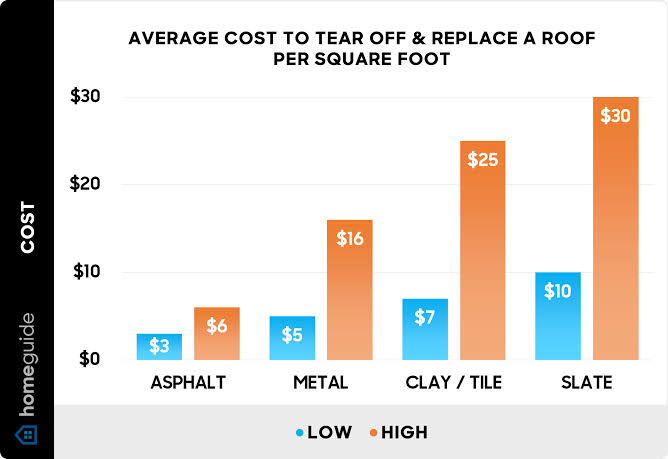
The type of material you choose is the biggest variable in your final bill. Here is a comparison of popular roofing materials, including their average cost per square foot (installed).
| Material Type | Average Cost per Sq. Ft. | Lifespan | Pros | Cons |
|---|---|---|---|---|
| Asphalt Shingles | $3.50 – $5.50 | 15–30 Years | Affordable, easy to install | Shorter lifespan, less eco-friendly |
| Metal Roofing | $7.00 – $12.00 | 40–70 Years | Durable, energy-efficient | Higher upfront cost, noisy in rain |
| Clay/Concrete Tiles | $10.00 – $18.00 | 50+ Years | Fire-resistant, aesthetic appeal | Very heavy, requires structural support |
| Wood Shakes | $6.00 – $9.00 | 20–40 Years | Natural look, good insulation | High maintenance, fire risk |
| Slate | $15.00 – $30.00 | 75–100+ Years | Extremely durable, luxurious | Very expensive, fragile during install |
Why Asphalt Shingles Remain Popular
Despite the rise of metal and synthetic options, asphalt shingles remain the most common choice in the US. They offer the best balance of cost and performance for the average homeowner. If you are on a tight budget, 3-tab asphalt shingles are the most economical option, while architectural shingles offer better durability and curb appeal for a slightly higher price.
The Rise of Metal Roofing
Metal roofing has gained traction due to its longevity and energy efficiency. While the initial investment is higher, the long-term value is substantial. Many homeowners find that metal roofs lower their insurance premiums and energy bills, offsetting the initial cost over time.
How Roof Size and Complexity Impact Price
When calculating how much is the average cost of a new roof, contractors do not just look at the floor plan of your house. They measure the “roofing square,” which is 100 square feet of roof area. A 2,000-square-foot home might have a 2,500-square-foot roof due to overhangs and pitch.
The “Pitch” Factor
A low-slope roof is easier and safer to work on. Conversely, a steep pitch requires special harnesses, scaffolding, and slower work pace. Expect to pay 10–20% more for labor on a steep roof compared to a low-slope one.
Additional Structural Elements
Does your roof have multiple chimneys, skylights, or valleys? Each of these features requires extra flashing and careful sealing to prevent leaks.
- Chimney Flashing: $200–$500 per chimney.
- Skylight Installation/Sealing: $300–$1,000 per unit.
- Valley Work: Requires precise cutting and weaving of shingles, adding to labor time.
Labor Costs and Regional Variations
Labor is not a fixed cost across the country. In regions with high demand for skilled tradespeople, such as the Northeast or California, labor rates can be significantly higher than in the Midwest or South.
According to industry data, labor costs can range from $40 to $80 per hour per worker. A typical crew consists of 3–5 people. For a standard roof replacement, the job usually takes 1–3 days.
Expert Tip: Always ask if the quote includes cleanup and disposal fees. Some contractors charge extra for hauling away the old shingles, which can add $500–$1,000 to your bill.
For more detailed information on construction standards and material properties, you can refer to Wikipedia’s entry on Roofing. This resource provides a broad overview of historical and technical aspects of roofing systems.
Hidden Costs to Watch Out For
Budgeting for a new roof involves more than just the shingles and nails. Here are common hidden costs that can catch homeowners off guard:
- Decking Repair: Once the old shingles are removed, contractors may find rotten wood decking. Replacing plywood sheets costs $70–$100 per sheet.
- Permits: Most local municipalities require a building permit for roof replacement. Fees vary but typically range from $150 to $500.
- Gutter Replacement: If your gutters are old, it is wise to replace them while the roofers are already on site. This can add $1,000–$3,000 depending on the material.
- Ventilation Upgrades: Proper attic ventilation extends the life of your roof. Adding ridge vents or soffit vents may cost an additional $300–$600.
Steps to Get an Accurate Quote
To ensure you are getting a fair price, follow these steps when hiring a roofer:
- Get Multiple Quotes: Aim for at least three detailed estimates from licensed and insured contractors.
- Check References: Look for online reviews and ask for references from recent jobs in your neighborhood.
- Verify Insurance: Ensure the contractor has both liability insurance and workers’ compensation. This protects you from liability if an accident occurs on your property.
- Read the Contract: Make sure the contract specifies the brand and color of shingles, the scope of work, and the warranty details.
FAQ Section
1. Does homeowners insurance cover roof replacement?
Insurance typically covers roof replacement if the damage is caused by a sudden, accidental event like a storm, hail, or falling tree. It generally does not cover wear and tear or age-related deterioration. Check your policy for “Actual Cash Value” vs. “Replacement Cost Value” coverage.
2. How long does a roof replacement take?
For an average-sized home, a roof replacement usually takes 1 to 3 days. Larger homes or complex roofs with multiple stories may take up to a week. Weather conditions can also cause delays.
3. Can I install a new roof over the old one?
While it is possible to layer new shingles over old ones (known as a “roof-over”), it is generally not recommended. It hides potential deck damage, voids many manufacturer warranties, and adds unnecessary weight. Most professional roofers insist on a full tear-off.
4. What is the best time of year to replace a roof?
Late spring and early fall are ideal because the weather is mild. However, roofing can be done in most seasons. Winter installations are possible but may take longer due to cold temperatures affecting adhesive sealing. Summer can be hot for workers, potentially slowing progress.
5. How do I maintain my new roof to make it last?
Regular maintenance is key. Clean your gutters twice a year, trim overhanging tree branches, and inspect your roof after major storms. Look for missing shingles, granule loss, or signs of moss growth. Addressing small issues early prevents costly repairs later.
Conclusion
Knowing how much is the average cost of a new roof empowers you to budget effectively and avoid scams. While the average hovers around $11,000, your specific cost will depend on material choices, roof complexity, and local labor rates. By understanding these variables, you can choose a solution that fits your financial situation and protects your home for decades to come.
Don’t rush the process. Take the time to compare quotes, verify credentials, and ask questions. A new roof is a significant investment, but it pays dividends in comfort, safety, and property value.
Found this guide helpful? Share it with your friends on social media who might be facing similar home improvement decisions!
Leave a Reply