Choosing a new roof is one of the most significant financial decisions a homeowner can make. It protects your biggest asset, influences your curb appeal, and impacts your energy bills for decades. If you are currently weighing your options, you are likely asking yourself: What Is The Cost Of A Metal Roof Vs Shingles?
The answer isn’t just about the upfront price tag; it’s about value over time. While asphalt shingles are cheaper initially, metal roofing offers superior longevity. In this guide, we will dissect the true costs, hidden expenses, and long-term benefits of both materials to help you make an informed decision that fits your budget and your home’s needs.
Understanding the Upfront Installation Costs
When homeowners first start shopping for roofs, the sticker shock of metal roofing is often the first hurdle. To understand what is the cost of a metal roof vs shingles, we must look at the national averages for material and labor combined.
Asphalt Shingles: The Budget-Friendly Entry Point
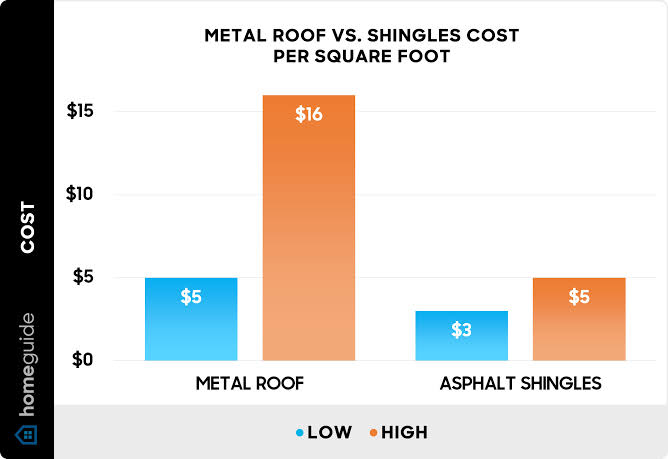
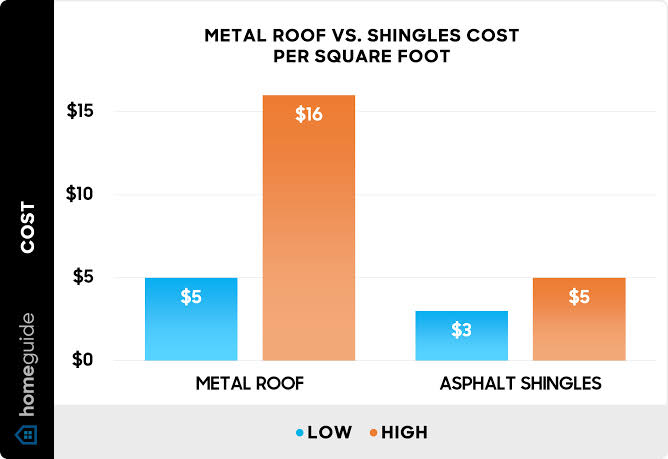
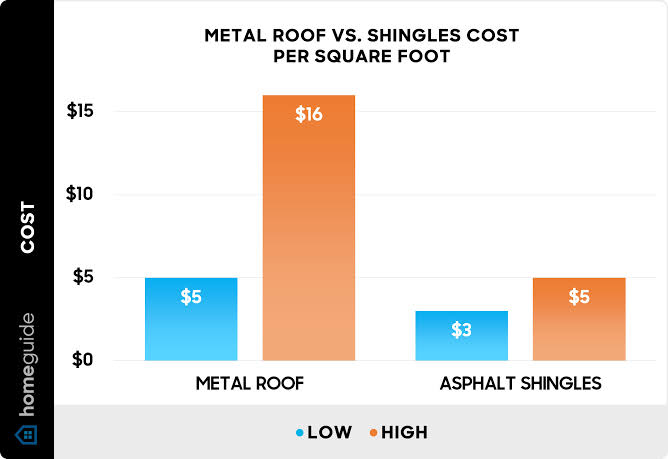
Asphalt shingles remain the most popular roofing material in the United States, primarily due to their affordability. According to recent industry data from 2025-2026, the average cost to install an asphalt shingle roof ranges from $3.50 to $5.50 per square foot.
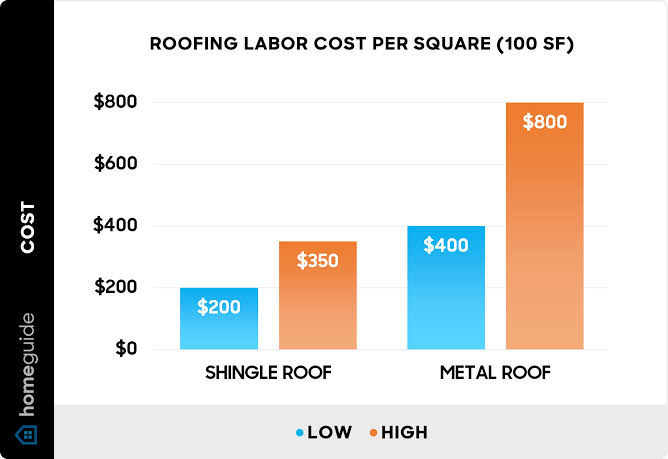
For a standard 2,000-square-foot home, you are looking at a total investment between $7,000 and $11,000. This lower barrier to entry makes shingles accessible for first-time homebuyers or those working with strict immediate budgets. The installation process is straightforward, and nearly every roofing contractor in the US is trained to install them efficiently, which keeps labor costs competitive.
Metal Roofing: The Premium Investment
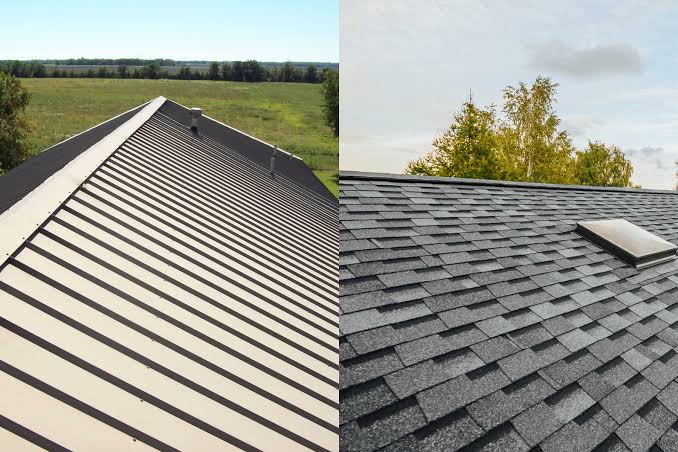
Metal roofing, which includes materials like steel, aluminum, copper, and zinc, commands a higher initial price. The average cost for a standing seam metal roof typically falls between $9.00 and $14.00 per square foot. For corrugated metal panels, the price might be slightly lower, ranging from $7.00 to $10.00 per square foot.
For that same 2,000-square-foot home, a metal roof could cost anywhere from $14,000 to $28,000. Why the disparity? Metal requires specialized tools, skilled laborers who understand thermal expansion and contraction, and higher-quality underlayment systems. However, this premium price buys you a product that is fundamentally different in durability and performance.
| Feature | Asphalt Shingles | Metal Roofing |
|---|---|---|
| Avg. Cost per Sq. Ft. | $3.50 – $5.50 | $9.00 – $14.00 |
| Total Avg. Cost (2k sq ft) | $7,000 – $11,000 | $14,000 – $28,000 |
| Installation Time | 1–2 Days | 3–5 Days |
| Labor Complexity | Low | High |
Longevity and Lifecycle Value Analysis
While the upfront cost is important, the true question of what is the cost of a metal roof vs shingles is best answered by looking at the lifespan of the materials. This is where the concept of “cost per year” becomes crucial.
The Lifespan Gap
Standard 3-tab asphalt shingles typically last 15 to 20 years. Even high-end architectural shingles, which offer better aesthetics and wind resistance, usually max out at 25 to 30 years. In contrast, a properly installed metal roof can last 40 to 70 years, with some copper roofs lasting over 100 years.
This means that if you choose asphalt shingles, you will likely need to replace your roof two or three times during the lifespan of a single metal roof. When you factor in the cost of two full replacements of shingles (plus inflation and potential disposal fees), the price gap narrows significantly.
Maintenance and Repair Costs
Asphalt shingles are susceptible to curling, cracking, and losing granules over time, especially in areas with high UV exposure or frequent freeze-thaw cycles. You may find yourself replacing individual shingles after severe storms.
Metal roofs, however, are incredibly resilient. They resist fire, mildew, insects, and rot. While they can dent from large hail, they rarely leak if installed correctly. The maintenance cost for metal is negligible compared to shingles, which may require periodic cleaning of moss or algae growth in humid climates.
Energy Efficiency and Environmental Impact
Another critical factor in the total cost of ownership is energy efficiency. Your roof plays a massive role in your home’s thermal regulation.
Reflectivity and Cooling Savings
Traditional asphalt shingles absorb a significant amount of solar heat, which can raise your attic temperature and force your air conditioning system to work harder. Modern “cool roof” shingles have improved, but they still lag behind metal.
Metal roofs reflect solar radiant heat rather than absorbing it. This can reduce cooling costs by 10% to 25%, according to the U.S. Department of Energy. Over a 20-year period, these savings can amount to thousands of dollars, effectively offsetting part of the higher initial cost of metal.
Sustainability Considerations
From an environmental perspective, metal is the clear winner. Most metal roofing contains 25% to 95% recycled content and is 100% recyclable at the end of its life. Asphalt shingles, on the other hand, contribute millions of tons of waste to landfills annually. While some shingles are recycled into pavement, the infrastructure for this is not as widespread or efficient as metal recycling.
Resale Value and Return on Investment (ROI)
Does a metal roof add value to your home? Absolutely. Real estate experts consistently note that curb appeal and structural integrity are top priorities for buyers.
The Premium Appeal
A metal roof is often viewed as a luxury feature. It signals to potential buyers that the home has been well-maintained and that they won’t need to worry about roof replacement for decades. Studies suggest that a metal roof can increase a home’s resale value by 1% to 6%, depending on the market.
In contrast, while new shingles are necessary for selling a home, they rarely command a premium price unless they are high-end architectural styles. Buyers expect shingles; they desire metal. If you plan to sell your home within the next 5–10 years, a metal roof can be a powerful marketing tool that helps your property stand out in a crowded market.
Which Option Is Right for Your Climate?
Your geographic location plays a pivotal role in determining which material offers the best value.
- Hot Climates (South/Southwest US): Metal roofs excel here due to their reflective properties. The energy savings on AC bills are maximized, making the ROI faster.
- Cold Climates (North/Northeast US): Metal sheds snow easily, preventing ice dams that can damage shingle roofs. However, proper insulation is required to prevent condensation issues.
- Coastal Areas: Salt air can corrode certain metals. Aluminum is preferred over steel in coastal zones because it does not rust. Asphalt shingles can suffer from salt spray degradation and high wind uplift.
FAQ Section
1. Is it more expensive to insure a home with a metal roof?
Generally, no. In fact, many insurance companies offer discounts of 5% to 15% on homeowners insurance premiums for metal roofs. This is because metal is highly resistant to fire, wind, and hail, reducing the likelihood of costly claims. Always check with your specific provider, but this discount can help offset the annual cost of the roof.
2. Can I install a metal roof over existing shingles?
Yes, in many cases, you can install a metal roof directly over existing asphalt shingles. This is known as a “retrofit” or “overlay.” It saves on disposal costs and labor time associated with tearing off the old roof. However, you must ensure the roof deck is structurally sound enough to support the additional weight, although metal is surprisingly lightweight. Always consult local building codes and a professional roofer before proceeding.
3. Do metal roofs make noise when it rains?
This is a common myth. Modern metal roofs are installed with solid sheathing and high-quality underlayment, which acts as a sound buffer. When properly installed, a metal roof is no louder than an asphalt shingle roof during rain or hail. In fact, many homeowners find the sound of rain on a metal roof to be soothing rather than disruptive.
4. How does warranty coverage compare between the two?
Asphalt shingle warranties typically range from 20 to 30 years, but they are often prorated, meaning the coverage decreases over time. Metal roof warranties are more robust, often offering 30 to 50-year non-prorated warranties on paint finishes and structural integrity. This long-term protection adds significant peace of mind and value.
5. Will a metal roof interfere with my cell phone or Wi-Fi signal?
No. A residential metal roof does not block Wi-Fi or cell phone signals. These signals operate at frequencies that can penetrate metal roofing, especially since most homes have windows and non-metallic walls that allow signal entry. Any minor attenuation is negligible and unlikely to affect daily usage.
Conclusion
So, what is the cost of a metal roof vs shingles? If you look only at today’s invoice, asphalt shingles are the clear winner, costing roughly half as much as metal. However, if you view your roof as a long-term investment, metal roofing often proves to be the more economical choice.
When you factor in the doubled lifespan, reduced maintenance, energy savings, insurance discounts, and increased resale value, metal roofing offers a superior return on investment. Asphalt shingles are a practical choice for those with tight immediate budgets or short-term ownership plans. But for those planning to stay in their home for decades, metal provides unmatched durability and peace of mind.
Did this breakdown help clarify your roofing dilemma? Share this article with friends or family who are also considering a roof replacement, and let us know in the comments which material you’re leaning toward!