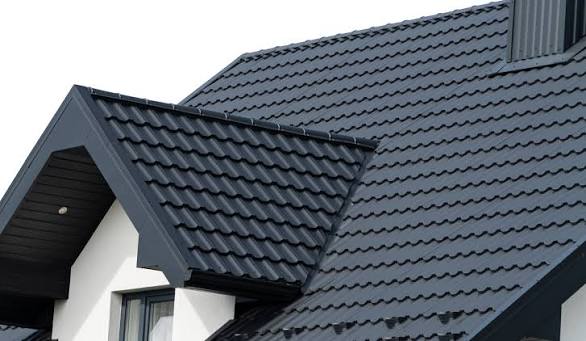
Replacing a roof is one of the most significant investments a homeowner can make. It is not just about aesthetics; it is about protecting your family, your belongings, and the structural integrity of your home from the elements. If you are staring at curling shingles or dealing with persistent leaks, you are likely asking yourself the critical question: How much does it cost to get your roof redone?
The answer varies widely depending on location, materials, and labor, but understanding the breakdown can save you thousands. In this guide, we will demystify the pricing, help you budget accurately, and ensure you get the best value for your money without falling prey to common contractor pitfalls.
Average Roof Replacement Costs in 2026
Before diving into the specifics, let’s look at the big picture. For a typical single-family home in the United States, the cost to replace a roof generally ranges between $8,500 and $35,000. However, this is a broad spectrum. The national average sits around $12,000 to $15,000 for a standard 2,000-square-foot home using asphalt shingles.
Several factors drive these numbers up or down. According to recent industry data, labor costs have stabilized after the post-pandemic surge, but material prices remain volatile due to supply chain adjustments. Additionally, regional differences play a massive role. A roof replacement in Florida, where hurricane-resistant materials are often required, will cost significantly more than a similar project in the Midwest.
| Home Size (Sq. Ft.) | Low-End Estimate | Average Estimate | High-End Estimate |
|---|---|---|---|
| 1,000 sq. ft. | $4,500 | $7,500 | $12,000 |
| 1,500 sq. ft. | $6,500 | $11,000 | $18,000 |
| 2,000 sq. ft. | $8,500 | $14,500 | $24,000 |
| 2,500 sq. ft. | $10,500 | $18,000 | $30,000 |
Note: These estimates assume a standard pitch and complexity. Steeper roofs or those with multiple chimneys and skylights will incur higher labor costs.
What Factors Influence the Total Price?
When contractors provide quotes, they aren’t just pulling numbers out of thin air. They are calculating several specific variables. Understanding these will help you compare quotes apples-to-apples.
1. Roofing Material Choice
This is the single biggest variable. Asphalt shingles are the most affordable and common choice in the US, but they are not the only option.
- Asphalt Shingles: $3.50 – $5.50 per square foot. Durable, easy to install, and widely available.
- Metal Roofing: $9.00 – $14.00 per square foot. Lasts 50+ years, energy-efficient, but requires specialized installation.
- Clay or Concrete Tiles: $10.00 – $20.00 per square foot. Heavy, durable, and excellent for hot climates, but requires reinforced roof framing.
- Slate: $15.00 – $30.00+ per square foot. The premium choice for longevity and aesthetics, but extremely heavy and expensive to install.
2. Labor and Complexity
Labor typically accounts for 40% to 60% of the total cost. If your roof has a steep pitch (greater than 6/12), contractors must use safety harnesses and special equipment, which increases time and risk. Similarly, roofs with many valleys, dormers, chimneys, or skylights require intricate flashing work, driving up the price.
3. Removal of Old Materials
Does your quote include “tear-off”? Removing the old roof adds to the disposal fees and labor time. Most building codes allow for two layers of shingles, but removing the old layer is recommended to inspect the decking for rot. Expect to pay an additional $1.00 – $3.00 per square foot for tear-off and disposal.
4. Geographic Location
Labor rates vary by state. In high-cost-of-living areas like California or New York, expect to pay 20–30% more than the national average. Conversely, rural areas may have lower labor rates but higher transportation fees if the contractor is traveling from a distant city.
Breakdown by Material: Which Is Right for You?
Choosing the right material is a balance between upfront cost and long-term value. Here is a quick comparison to help you decide.
| Material | Lifespan | Pros | Cons | Best For |
|---|---|---|---|---|
| Asphalt Shingles | 15–30 Years | Affordable, easy repair | Shorter lifespan, less eco-friendly | Budget-conscious homeowners |
| Metal (Steel/Aluminum) | 40–70 Years | Energy efficient, durable | Higher upfront cost, noise | Long-term investors |
| Wood Shakes | 20–40 Years | Natural aesthetic | Fire risk, high maintenance | Historic or rustic homes |
| Slate | 75–100+ Years | Extremely durable, beautiful | Very heavy, very expensive | Luxury homes |
For a deeper understanding of roofing material properties and historical usage, you can refer to Wikipedia’s entry on Roofing. This resource provides excellent technical background on how different materials interact with environmental stressors.
Hidden Costs You Might Not Expect
One of the most frustrating aspects of home renovation is the “surprise” bill. When asking how much does it cost to get your roof redone, you must account for potential hidden costs.
- Decking Repair: Once the old shingles are removed, contractors may find rotted wood plywood (decking). Replacing a sheet of plywood costs $70–$100 per sheet, including labor. It is wise to set aside a contingency fund of 10–15% of your total budget for this.
- Permits: Most municipalities require a permit for roof replacement. Fees range from $150 to $500 depending on your local government.
- Ventilation Upgrades: Modern building codes often require better attic ventilation. Adding ridge vents or soffit vents can add $300–$800 to the project but is crucial for preventing mold and extending shingle life.
- Gutter Replacement: If your gutters are old, they may be damaged during the tear-off process. Many homeowners choose to replace them simultaneously, adding another $1,000–$3,000.
Step-by-Step: How to Budget and Hire
If you are ready to move forward, follow these steps to ensure a smooth process.
- Get Three Quotes: Never settle for the first estimate. Obtain detailed written quotes from three licensed and insured contractors.
- Check Credentials: Verify their license number with your state’s licensing board. Look for reviews on independent platforms like Google or BBB.
- Ask About Warranty: A reputable roofer should offer both a manufacturer’s warranty (on materials) and a workmanship warranty (on labor). Aim for at least a 5–10 year workmanship warranty.
- Review the Contract: Ensure the contract specifies the exact materials (brand, color, type), the scope of work (tear-off included?), and the payment schedule. Never pay the full amount upfront. A typical schedule is 30% deposit, 40% upon delivery of materials, and 30% upon completion.
- Inspect the Work: Before making the final payment, walk the property with the contractor. Check for leftover nails, clean gutters, and proper flashing around chimneys.
FAQ Section
1. Can I finance my roof replacement?
Yes, many homeowners use home equity loans, HELOCs (Home Equity Lines of Credit), or personal loans. Some roofing companies also offer in-house financing, but be sure to compare interest rates with traditional banks. Insurance may also cover part of the cost if the damage was caused by a covered peril like hail or wind.
2. How long does a roof replacement take?
For an average-sized home, a professional crew can complete the job in 1 to 3 days. Larger homes or complex roofs with slate or tile may take up to a week. Weather delays are common, so build some flexibility into your schedule.
3. Should I repair or replace my roof?
If your roof is less than 10 years old and the damage is localized (e.g., a few missing shingles from a storm), repair is usually sufficient. However, if your roof is over 20 years old, has widespread leaking, or shows signs of sagging, replacement is the more cost-effective long-term solution.
4. Does a new roof increase home value?
Absolutely. A new roof is one of the top home improvements for ROI (Return on Investment). It can increase your home’s resale value by approximately $12,000 to $15,000 and makes your home more attractive to buyers who want to avoid immediate maintenance issues.
5. What is the best time of year to replace a roof?
Late spring to early fall is the peak season, meaning prices may be higher and schedules fuller. However, roofing can be done in winter as long as temperatures are above freezing. Off-season scheduling (late fall or early winter) might yield better discounts as contractors look to fill their calendars.
Conclusion
So, how much does it cost to get your roof redone? While the average homeowner spends between $8,500 and $15,000, the true cost depends on your specific choices in materials, labor, and necessary repairs. By understanding these variables, you can avoid overpaying and ensure your home is protected for decades to come.
Remember, a roof is not an expense; it is an investment in your home’s safety and value. Take your time, do your research, and choose a contractor who communicates clearly and stands behind their work.
Found this guide helpful? Share it with your neighbors on Facebook or Pinterest to help them navigate their own home improvement projects!
Leave a Reply