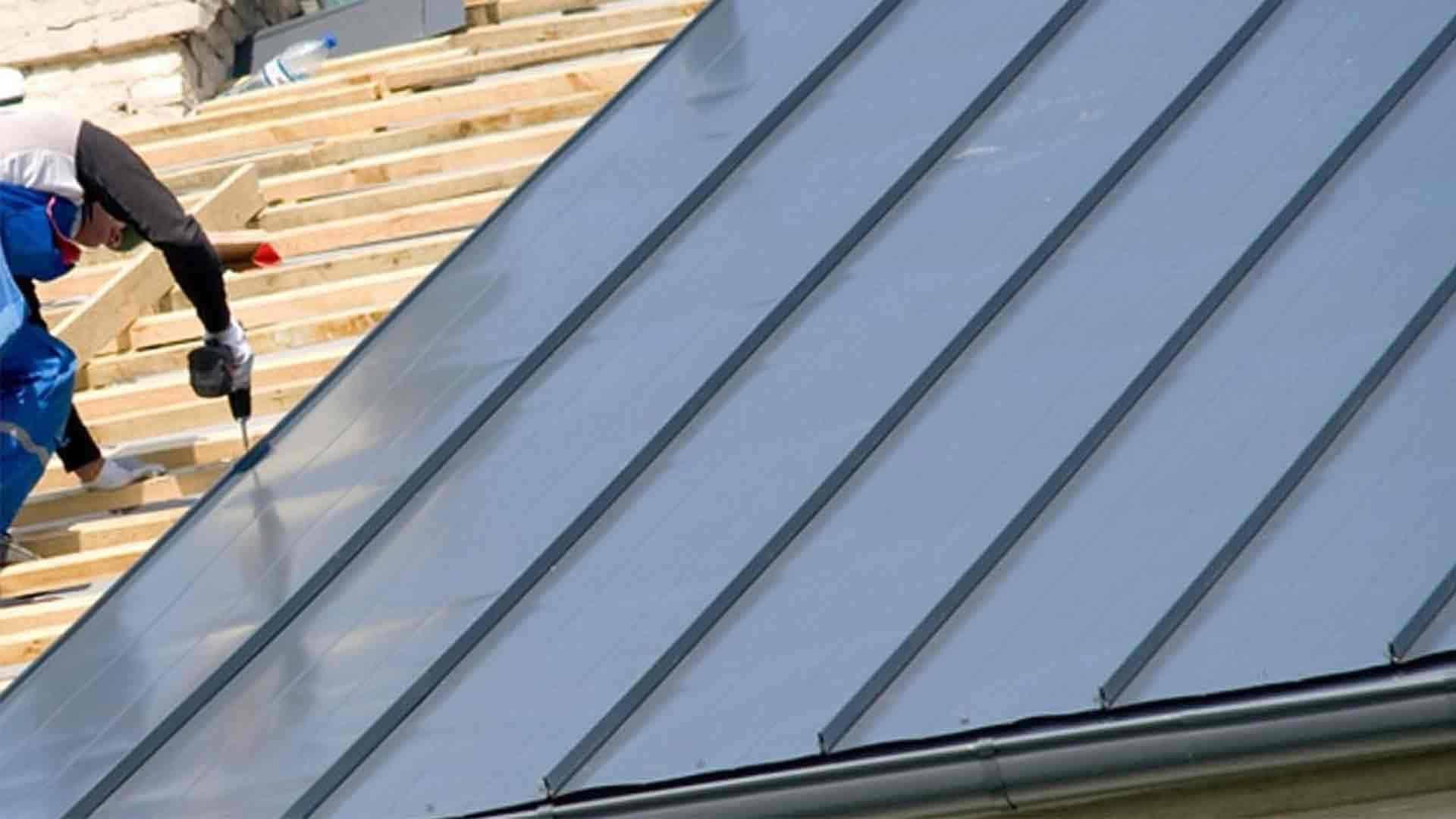
Have you ever looked up at your aging asphalt shingle roof and wondered if it’s time for an upgrade? Many homeowners are drawn to the durability and aesthetic appeal of metal roofing, but the installation process raises a critical question: Should You Remove Old Shingles Before Installing A Metal Roof? It is not just a matter of preference; it involves structural integrity, warranty validity, and long-term performance.
Making the wrong choice here can lead to costly repairs down the line. In this guide, we will explore the technical realities, building codes, and expert recommendations to help you make an informed decision that protects your home and your investment.
The Case for Removing Old Shingles
While installing a new roof over an existing one (often called a “roof-over”) might seem like a quick money-saver, most professional roofers and manufacturers strongly recommend a complete tear-off. Here is why starting with a clean deck is often the superior choice.
1. Inspecting the Roof Deck for Damage
When you leave old shingles in place, you are essentially blind to the condition of the wood decking beneath. Asphalt shingles can hide rot, water damage, or soft spots caused by years of leakage.
If you install metal panels over compromised decking, the screws may not hold securely. This can lead to panel loosening during high winds. By removing the old layers, you gain the opportunity to:
- Replace rotted plywood or OSB sheathing.
- Reinforce weak rafters.
- Ensure a flat, solid surface for the new metal panels.
2. Weight Load Considerations
A common misconception is that metal roofs are always lighter than shingles. While true per square foot, adding a second layer adds significant cumulative weight.
- Asphalt Shingles: Approx. 2–3 lbs per square foot.
- Metal Roofing: Approx. 1–1.5 lbs per square foot.
- Combined Load: If you keep the shingles, your roof structure must support both.
Older homes, particularly those built before 1980, may not have been engineered to handle double the roofing load. According to general engineering principles found in resources like Wikipedia’s entry on Roofing, structural failure due to excessive dead load is a rare but serious risk when multiple layers accumulate without proper assessment.
3. Warranty Validity
This is a crucial point often overlooked by DIY enthusiasts. Most major metal roofing manufacturers will void their warranty if their product is installed over more than one layer of existing roofing. They require a solid, single-layer substrate to guarantee the performance of their fasteners and panels. If you plan to stay in your home for decades, protecting your warranty is essential.
When Is It Acceptable to Keep Old Shingles?
There are specific scenarios where leaving the old shingles might be permissible, though it is rarely the best option.
- Single Layer Only: Most local building codes allow a maximum of two layers of roofing material. If you already have two layers, you must tear them off. If you have only one layer, a roof-over might be code-compliant.
- Budget Constraints: Removing shingles is labor-intensive and increases disposal fees. Keeping them can save 15–20% on initial installation costs.
- Time Sensitivity: A tear-off exposes your home to the elements. If rain is forecasted and you cannot get the metal installed immediately, keeping the old layer provides temporary weather protection during the transition.
However, even in these cases, you must address the uneven surface issue.
The Hidden Risks of “Roof-Over” Installations
Installing metal directly over shingles introduces several technical challenges that can compromise the lifespan of your new roof.
Uneven Surface and Oil Canning
Asphalt shingles are not perfectly flat. They have tabs, granules, and overlaps. When you screw metal panels over this uneven texture, the metal may not sit flush. This can lead to:
- Oil Canning: A visual waviness in the metal panels caused by stress from uneven fastening.
- Loose Fasteners: Screws driven into the high points of shingles may back out over time as the shingles compress or degrade.
Trapped Moisture and Ventilation Issues
One of the biggest enemies of a roof is trapped moisture. Old shingles may retain dampness. If you seal them under a metal roof without proper ventilation, you create a greenhouse effect.
- Heat builds up under the metal.
- Moisture evaporates from the old shingles but has nowhere to go.
- This leads to condensation on the underside of the metal panels, causing rust and rotting the deck from the inside out.
To mitigate this, you must install a high-quality synthetic underlayment and ensure adequate attic ventilation. However, this is a band-aid solution compared to starting with a dry, clean deck.
Difficulty in Future Repairs
Imagine you have a leak ten years from now. If the metal is installed over shingles, locating the source of the leak becomes a detective game. You cannot easily inspect the deck or flashings without removing the metal panels first. With a tear-off, any future issues are easier to diagnose because the system is transparent and accessible.
Step-by-Step: The Proper Installation Process
If you decide to proceed with a metal roof, here is the industry-standard approach for a durable installation. Note that this assumes a full tear-off, which is highly recommended.
- Tear Off Existing Material: Remove all old shingles, nails, and flashing. Dispose of debris according to local regulations.
- Inspect and Repair Decking: Walk the roof deck. Replace any soft, rotted, or damaged plywood. Secure any loose boards with ring-shank nails.
- Install Drip Edge: Attach metal drip edge along the eaves and rakes to direct water away from the fascia.
- Apply Underlayment: Roll out a high-quality synthetic underlayment (not just felt paper). Overlap seams by at least 6 inches and tape them if required by the manufacturer. This acts as your secondary water barrier.
- Install Flashing: Put in step flashing around chimneys, valleys, and walls before the main panels go up.
- Mount Metal Panels: Start at the eave. Use screws with neoprene washers designed for metal roofing. Do not overtighten, as this can distort the washer and cause leaks.
- Add Ridge Cap: Install the ridge cap last to seal the peak of the roof.
Comparison: Tear-Off vs. Roof-Over
To help you visualize the trade-offs, here is a quick comparison table.
| Feature | Full Tear-Off | Roof-Over (Keep Shingles) |
|---|---|---|
| Cost | Higher (labor + disposal) | Lower (saves labor/disposal) |
| Deck Inspection | Full visibility and repair | Blind installation |
| Warranty | Usually valid | Often voided or limited |
| Lifespan | Maximizes metal roof life | May reduce longevity |
| Surface Quality | Flat, secure base | Uneven, potential for noise |
| Weight Load | Standard load | Increased structural load |
Frequently Asked Questions (FAQ)
1. Will a metal roof be noisy if installed over shingles?
Yes, it can be. Without a solid deck connection, rain and hail can create more drumming noise. However, using a solid sheathing base (after tear-off) and proper insulation significantly reduces sound transmission.
2. Can I install metal roofing over two layers of shingles?
In most jurisdictions, no. Building codes typically prohibit more than two layers of roofing material. If you already have two layers, you must remove them all before installing metal.
3. Does keeping old shingles affect the R-value (insulation)?
Marginally. Asphalt shingles offer negligible insulation value. The primary thermal benefit comes from the air gap and reflective properties of the metal, not the old shingles underneath.
4. How much does it cost to remove old shingles?
Costs vary by region and roof size, but expect to pay between $1.00 and $3.00 per square foot for tear-off and disposal. While this adds to the upfront cost, it prevents expensive structural repairs later.
5. What type of underlayment should I use?
Always use a synthetic underlayment rather than traditional asphalt felt. Synthetic options are more tear-resistant, breathable, and provide better slip resistance for installers.
6. Will my homeowner’s insurance cover a roof-over?
Some insurers may increase premiums or deny coverage for roof-overs due to the increased risk of hidden damage and fire spread. Always check with your provider before proceeding.
Conclusion
So, should you remove old shingles before installing a metal roof? In the vast majority of cases, yes.
While keeping the old shingles might save you money upfront, it introduces risks regarding structural integrity, warranty coverage, and moisture management. A full tear-off allows you to inspect and repair the roof deck, ensuring a flat, solid foundation for your new metal roof. This approach maximizes the lifespan of your investment and keeps your home safe from hidden decay.
Think of your roof as the shield of your home. You wouldn’t patch a hole in a shield with another weak layer; you would replace it properly. The same logic applies here.
Did you find this guide helpful? Share it with friends who are considering a roofing upgrade, or leave a comment below with your own roofing questions!
Leave a Reply