Owning a rental property is a fantastic way to build wealth, but dealing with unexpected maintenance costs can feel like a financial punch in the gut. When your tenant calls about a leak, your first thought is often about the repair bill, but your second thought should be about the tax implications. Many landlords mistakenly believe that every dollar spent on fixing their property is immediately deductible, leading to costly errors during tax season.
Understanding is replacing a roof on a rental property tax deductible requires navigating the complex rules set by the Internal Revenue Service (IRS). It is not a simple yes or no answer; it depends entirely on whether the work is classified as a “repair” or a “capital improvement.” In this guide, we will break down these distinctions clearly, helping you keep more of your hard-earned money while staying fully compliant with federal tax laws.
Repair vs. Improvement: The Critical Distinction
To understand the tax treatment of your new roof, you must first master the difference between a repair and an improvement. The IRS treats these two categories very differently, and misclassifying them can lead to audits or missed savings opportunities.
What Counts as a Repair?
A repair is an expense that keeps your property in good working condition without adding significant value or prolonging its life. Think of it as maintenance. If you patch a few missing shingles after a storm or fix a small leak around a vent pipe, this is typically considered a repair.
- Tax Treatment: Repairs are fully deductible in the year they are incurred. You can subtract the entire cost from your rental income on your Schedule E form.
- Example: Spending $500 to seal a leak and replace three damaged shingles.
What Counts as a Capital Improvement?
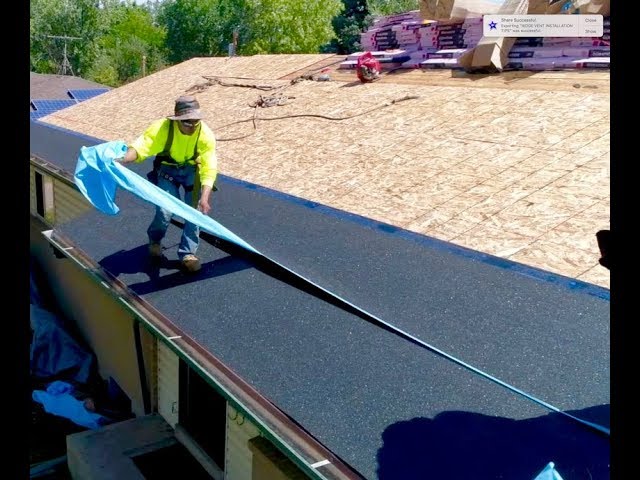
A capital improvement adds value to your property, prolongs its useful life, or adapts it to a new use. Replacing an entire roof usually falls into this category because it significantly extends the life of the building and enhances its value.
- Tax Treatment: You cannot deduct the full cost in one year. Instead, you must capitalize the cost and recover it over time through depreciation.
- Example: Spending $15,000 to remove the old roof and install a new 30-year architectural shingle roof.
The IRS uses the “BAR” test to determine if an expense is an improvement:
- Betterment: Does it improve the condition beyond the original state?
- Adaptation: Does it adapt the property to a new use?
- Restoration: Does it restore the property to a like-new condition?
If your roof replacement hits any of these points, it is likely a capital improvement.
How Depreciation Works for Roof Replacements
Since a full roof replacement is generally a capital improvement, you must depreciate the cost. This means you spread the deduction over the “useful life” of the asset as defined by the IRS.
The 27.5-Year Rule
For residential rental properties, the IRS mandates a depreciation period of 27.5 years under the Modified Accelerated Cost Recovery System (MACRS). This applies to the structure itself, including components like the roof.
Here is how the math works in practice:
- Total Cost of Roof: $27,500
- Depreciation Period: 27.5 years
- Annual Deduction: $1,000 per year
While this seems less appealing than an immediate deduction, it provides a steady tax benefit for nearly three decades. It is crucial to note that land cannot be depreciated, so ensure your contractor’s invoice separates materials and labor from any land-related costs (though rare for roofing).
Bonus Depreciation and Section 179
In recent years, tax laws have introduced incentives like Bonus Depreciation, which allowed landlords to deduct a large percentage of the cost in the first year. However, these provisions are phasing out. As of 2026, the bonus depreciation percentage has decreased significantly compared to previous years. Always consult the current year’s IRS guidelines or a tax professional to see if any temporary provisions apply to your specific situation.
The Safe Harbor Election: A Loophole for Small Expenses
There is a valuable exception known as the De Minimis Safe Harbor Election. This rule allows businesses and landlords to deduct certain lower-cost items immediately rather than capitalizing and depreciating them.
To qualify for this safe harbor regarding your roof:
- You must have an applicable financial statement (AFS) or not have one (different thresholds apply).
- The cost of the item must be below a certain threshold (typically $2,500 per invoice or item for those without an AFS).
- You must make a formal election statement on your tax return.
Scenario: If you are only replacing a small section of the roof, such as a detached garage or a small porch, and the total cost is under $2,500, you might be able to deduct it immediately under this safe harbor. However, a full main-house roof replacement will almost always exceed this limit, requiring standard depreciation.
Comparison: Immediate Deduction vs. Depreciation
To visualize the impact on your cash flow and tax liability, consider this comparison table.
| Feature | Repair (Immediate Deduction) | Capital Improvement (Depreciation) |
|---|---|---|
| Definition | Maintains current condition | Adds value or extends life |
| Roof Example | Patching leaks, replacing shingles | Full roof replacement |
| Tax Benefit Timing | 100% in Year 1 | Spread over 27.5 years |
| Cash Flow Impact | Immediate tax refund/savings | Smaller annual tax savings |
| Record Keeping | Simple receipt retention | Requires asset ledger tracking |
| IRS Scrutiny | Lower risk if documented | Higher scrutiny on classification |
Steps to Properly Document Your Roof Expense
Proper documentation is your best defense against an IRS audit. Follow these steps to ensure your records are impeccable.
- Get Detailed Invoices: Do not accept a receipt that just says “Roof Work.” Ensure the invoice details the scope of work, materials used, and labor hours. It should explicitly state if it was a repair or a full replacement.
- Take Before and After Photos: Visual evidence supports your claim. If you claimed it was a repair, photos showing minor damage help prove your point. If it was a replacement, photos show the extent of the work.
- Keep Contracts and Permits: If your local municipality required a permit for the roof replacement, keep a copy. Permits are strong evidence that major structural work was performed, supporting the capitalization argument.
- Separate Personal and Rental Expenses: If you live in part of the property (house hacking), you must allocate the roof cost between personal and rental use. Only the rental portion is depreciable. For more on general property tax concepts, you can refer to Wikipedia’s page on Property Tax for foundational knowledge, though always rely on IRS publications for specific filing rules.
FAQ Section
1. Can I deduct the cost of a new roof if I sell the property?
No, you cannot take a remaining depreciation deduction as a lump sum when you sell. However, the undepreciated basis of the roof is part of your property’s adjusted basis. This reduces your capital gains tax liability when you sell the property. Essentially, you get the tax benefit either through annual depreciation or upon sale via lower capital gains.
2. What if I repaired the roof last year but didn’t deduct it?
If you missed a deduction for a legitimate repair in a previous year, you can file an amended tax return (Form 1040-X) for that specific year. Generally, you have three years from the date you filed the original return to claim a refund. Do not try to claim it on the current year’s return, as this can raise red flags.
3. Does insurance reimbursement affect my tax deduction?
Yes. If your insurance company pays for part or all of the roof replacement due to storm damage, you cannot deduct the reimbursed amount. You can only deduct or depreciate the out-of-pocket expenses you paid. Additionally, if the insurance payout exceeds your adjusted basis in the roof, you may have a taxable gain.
4. Is a roof inspection tax deductible?
Generally, routine inspections are considered maintenance and can be deducted as a repair expense in the year they occur. However, if the inspection is part of a larger capital improvement project (like assessing the roof before a full replacement), it may need to be capitalized as part of the total improvement cost.
5. What happens if I use the wrong classification?
If you deduct a capital improvement as a repair, the IRS may disallow the deduction, charge back taxes, and impose penalties and interest. Conversely, if you capitalize a simple repair, you lose the immediate tax benefit, though you can correct this by amending your return. Accuracy is key to avoiding unnecessary stress.
Conclusion
Navigating the question “is replacing a roof on a rental property tax deductible” comes down to understanding the nature of the work. While simple repairs offer immediate tax relief, a full roof replacement is a capital improvement that must be depreciated over 27.5 years. Although depreciation spreads the benefit over time, it remains a powerful tool for reducing your taxable rental income year after year.
By keeping meticulous records, understanding the BAR test, and leveraging safe harbor elections where applicable, you can optimize your tax strategy legally and effectively. Remember, tax laws are subject to change, and every property situation is unique.
Did you find this guide helpful? Share it with fellow landlords on Facebook or LinkedIn to help them save money on their next maintenance project! And don’t forget to consult with a qualified CPA to tailor these strategies to your specific financial portfolio.