Most homeowners dread the thought of a major home renovation, but ignoring your roof can lead to costly water damage and structural issues. Knowing exactly how often should you replace your roof on your house is crucial for protecting your investment and ensuring your family’s safety. This guide breaks down the timelines, materials, and warning signs so you can plan ahead with confidence.
Understanding Average Roof Lifespans by Material
The short answer to “how often should you replace your roof” depends heavily on one factor: what is it made of? Not all roofing materials are created equal. Some are designed for budget-friendly, shorter-term solutions, while others are built to last generations.
Here is a breakdown of the most common roofing materials found in US homes and their expected lifespans:
1. Asphalt Shingles (The Most Common Choice)
Asphalt shingles cover approximately 80% of homes in the United States due to their affordability and ease of installation. However, they have the shortest lifespan among popular materials.
- 3-Tab Asphalt Shingles: These are the basic, economical option. They typically last 15–20 years.
- Architectural (Dimensional) Shingles: These are thicker and more durable. You can expect them to last 25–30 years.
- Premium/Luxury Shingles: High-end asphalt options can mimic slate or wood and may last 30–50 years with proper maintenance.
2. Metal Roofing
Metal roofs are gaining popularity in the US for their durability and energy efficiency.
- Steel/Aluminum: Lasts 40–70 years.
- Copper/Zinc: Can last 50–100+ years, often outliving the homeowner. While the upfront cost is higher, the long-term value is significant because you likely won’t need to replace it twice.
3. Wood Shakes and Shingles
For a rustic, natural look, many homeowners choose cedar or redwood.
- Lifespan: 20–40 years.
- Caveat: Wood requires regular maintenance to prevent rot, mold, and insect damage. In humid climates, their lifespan may be significantly shorter.
4. Slate and Tile
These are premium, heavy-duty materials often found in historic or high-end homes.
- Clay/Concrete Tile: Lasts 50–100 years.
- Slate: Can last 75–200 years. These materials are incredibly durable but require a reinforced roof structure due to their weight.
| Material | Average Lifespan | Cost Level | Maintenance Need |
|---|---|---|---|
| 3-Tab Asphalt | 15–20 Years | Low | Moderate |
| Architectural Asphalt | 25–30 Years | Medium | Low |
| Metal | 40–70 Years | High | Very Low |
| Wood Shake | 20–40 Years | Medium-High | High |
| Slate/Tile | 50–100+ Years | Very High | Low |
Key Factors That Shorten Your Roof’s Life
Even if you have a 30-year architectural shingle roof, it might not last that long. Several external and internal factors can accelerate wear and tear. Understanding these can help you mitigate damage.
Climate and Weather Conditions
Your geographic location plays a massive role. According to data from the National Oceanic and Atmospheric Administration (NOAA), extreme weather events are becoming more frequent.
- Hot Climates: UV rays bake asphalt shingles, causing them to become brittle and crack prematurely.
- Cold Climates: Freeze-thaw cycles can cause ice dams, which lift shingles and allow water infiltration.
- Coastal Areas: Salt air can corrode metal fasteners and degrade certain materials faster.
Installation Quality
A roof is only as good as its installation. Poor ventilation is a silent killer of roofs. If your attic doesn’t breathe, heat builds up in the summer, essentially “cooking” your shingles from underneath. In winter, poor ventilation leads to moisture buildup and rot. Always hire licensed, insured professionals with strong local reviews.
Lack of Maintenance
Neglect is the number one reason roofs fail before their time. Clogged gutters cause water to back up under shingles. Overhanging tree branches can scrape off protective granules during windstorms. Regular inspections can catch small issues before they become catastrophic failures.
5 Warning Signs It’s Time for a Replacement
How do you know if it’s time to act? Don’t wait for a leak to appear inside your living room. Look for these exterior and interior indicators:
- Curling or Cupping Shingles: If the edges of your shingles are turning upward (cupping) or downward (clawing), they are past their prime and losing their waterproofing ability.
- Missing Granules: Check your gutters. If you see an accumulation of sand-like granules, your shingles are shedding their protective layer. This exposes the asphalt to UV damage.
- Daylight Through the Roof Boards: Go into your attic on a sunny day. If you see spots of sunlight coming through the roof deck, you have gaps that need immediate attention.
- Sagging Roof Deck: A sagging roof indicates structural issues, possibly from prolonged water damage or inadequate support. This is a critical safety hazard.
- Age of the Roof: If your roof is approaching the end of its expected lifespan (e.g., 20 years for 3-tab shingles), start planning for replacement even if it looks okay. Preventative replacement is cheaper than emergency repairs.
For more detailed information on building standards and material science, you can refer to general construction resources like Wikipedia’s entry on Roofing.
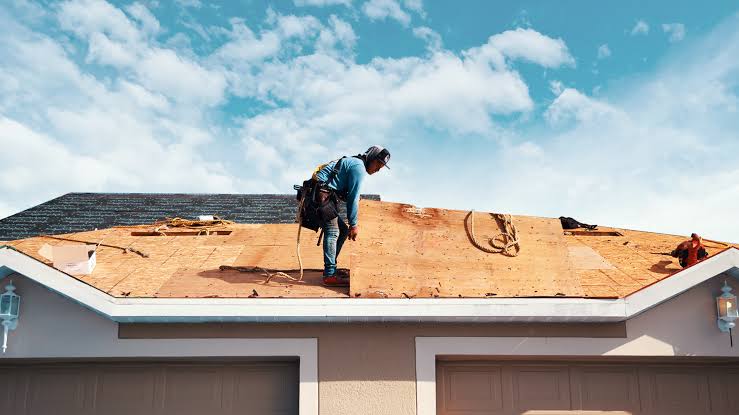
Step-by-Step: How to Assess Your Roof’s Condition
If you are unsure about the state of your roof, follow this simple DIY assessment guide. Safety First: Never walk on a steep or wet roof. Use binoculars from the ground or a sturdy ladder.
- Inspect from the Ground: Walk around your house. Look for missing shingles, dark streaks (algae), or sagging lines.
- Check the Gutters: Clean them out and look for granule loss. Note any rust or damage to the gutter system itself.
- Examine the Flashing: Look at the metal strips around chimneys, vents, and skylights. Cracked or missing flashing is a common source of leaks.
- Attic Inspection: Look for water stains, mold, or daylight piercing through. Check for proper ventilation flow.
- Professional Inspection: If you find any of the above issues, or if your roof is over 15 years old, hire a certified roofer for a detailed inspection. Most offer free or low-cost assessments.
FAQ: Common Questions About Roof Replacement
How much does it cost to replace a roof?
The cost varies widely based on size, material, and location. For an average 2,000-square-foot home, an asphalt shingle roof typically costs between $8,000 and $12,000. Metal roofs can range from $15,000 to $30,000+. Always get at least three quotes from reputable contractors.
Can I install a new roof over the old one?
In some cases, yes. This is called a “roof-over.” However, most building codes allow only one layer of overlay. If you already have two layers, you must tear off the old roof. Additionally, a tear-off allows inspectors to check the decking for rot, which is crucial for long-term integrity.
Does homeowners insurance cover roof replacement?
It depends on the cause of the damage. Insurance typically covers sudden, accidental damage from storms, hail, or falling trees. It generally does not cover wear and tear, age-related deterioration, or lack of maintenance. Review your policy carefully.
What is the best time of year to replace a roof?
Late spring to early fall is the peak season, but scheduling can be difficult. Late fall or early winter can sometimes offer better pricing and faster scheduling, provided the weather permits safe installation. Avoid extreme heat or heavy rain periods.
How long does a roof replacement take?
For an average-sized home, a professional crew can complete an asphalt shingle replacement in 1–3 days. Larger homes or complex roofs with multiple valleys, chimneys, or slate tiles may take a week or more.
Conclusion
Knowing how often should you replace your roof on your house is not just about counting years; it’s about understanding your material, monitoring your environment, and recognizing the early signs of failure. While asphalt shingles may need replacing every 20–30 years, metal and slate can protect your home for half a century or more.
Don’t wait for a leak to ruin your ceiling. Regular inspections and timely maintenance can extend your roof’s life and save you thousands in emergency repairs. If your roof is nearing the end of its expected lifespan, start getting quotes now.
Found this guide helpful? Share it with your neighbors on Facebook or Pinterest to help them protect their homes too! A well-maintained neighborhood starts with a solid roof over every head.
Leave a Reply