Homeowners often face a daunting dilemma when their aging asphalt shingles start to leak or curl: tear everything off or cover it up? The question “Can you put a metal roof over a shingle roof“ is one of the most common inquiries we receive at roofing consultancies. It’s a valid concern because nobody wants to pay for unnecessary demolition, yet everyone fears compromising their home’s structural integrity.
The short answer is yes, you generally can, but it is not always the best choice for every home. This decision involves balancing cost savings against potential long-term maintenance issues. In this comprehensive guide, we will break down the technical requirements, benefits, and hidden risks so you can make an informed decision that protects your investment and your peace of mind.
Is It Structurally Safe to Install Metal Over Shingles?
Before diving into aesthetics or cost, we must address safety. The primary concern when adding a new roofing layer is the weight load on your home’s framing.
Weight Comparison: Metal vs. Asphalt
One of the biggest advantages of metal roofing is its lightweight nature.
- Asphalt Shingles: Weigh approximately 2.5 to 4 pounds per square foot.
- Metal Roofing: Weighs roughly 1 to 1.5 pounds per square foot (depending on the material, such as steel or aluminum).
Because metal is significantly lighter than asphalt, adding a metal layer over existing shingles rarely exceeds the structural load capacity of a standard residential roof frame. However, this assumes your roof was built to code and has no pre-existing structural damage.
The “Two-Layer” Rule
Most building codes in the United States allow for a maximum of two layers of roofing material. If you already have two layers of shingles, you cannot install a third layer (metal or otherwise) without a complete tear-off. Always check with your local building department, as regulations vary by state and municipality.
What Are the Benefits of Installing Metal Over Shingles?
Choosing to overlay your roof offers several compelling advantages that go beyond just saving money on labor.
1. Cost Savings on Demolition
Tearing off an old roof is expensive. It involves labor costs for removal, dumpster fees for disposal, and potential repairs to the decking if damage is found during removal. By installing metal over shingles, you eliminate these demolition costs entirely. According to industry estimates, this can save homeowners between $1,000 and $2,500 depending on the roof size.
2. Enhanced Insulation and Energy Efficiency
The existing layer of shingles acts as an additional thermal barrier. When combined with the reflective properties of modern metal roofing (especially those with cool-roof coatings), this double layer can significantly reduce heat transfer into your attic. This leads to lower air conditioning bills during hot summer months.
3. Environmental Friendliness
Roofing waste is a major contributor to landfills. By leaving the old shingles in place, you keep tons of non-biodegradable asphalt out of the environment. Furthermore, metal roofs are 100% recyclable at the end of their life cycle, making this a sustainable choice for eco-conscious homeowners.
What Are the Risks and Drawbacks?
While the benefits are attractive, ignoring the downsides can lead to costly mistakes. Here is what you need to watch out for.
Trapped Moisture and Rot
This is the single biggest risk. If your existing shingles have any moisture trapped beneath them, covering them with metal seals that moisture in. Without proper ventilation, this can lead to:
- Wood rot in the decking.
- Mold growth in the attic.
- Corrosion of the metal panels from the inside out.
Expert Tip: Never install metal over wet or damaged shingles. A thorough inspection is mandatory.
Voided Warranties
Many metal roofing manufacturers will void their warranty if their product is installed over existing shingles. They require a clean, solid deck to ensure proper fastening and performance. Always read the fine print of your warranty before proceeding.
Difficulty in Future Repairs
If a leak develops five years from now, locating the source becomes a detective game. Is the leak coming from the metal seam? Or is it water traveling laterally under the metal from a failed spot in the old shingle layer? This complexity can increase repair costs and time.
Key Considerations Before You Start
If you decide to proceed, you must adhere to strict preparation guidelines to ensure longevity.
Inspection and Repair
You cannot simply screw metal panels over curled or missing shingles. The surface must be relatively flat.
- Replace Missing Shingles: Fill in any gaps to create a uniform surface.
- Secure Loose Shingles: Nail down any lifted tabs.
- Check Decking: If you find soft spots in the roof deck, you must cut out the metal/shingle section and repair the wood, even if you are doing an overlay.
Ventilation Requirements
Proper airflow is critical. You must ensure that your attic has adequate intake and exhaust ventilation. Many professionals recommend installing a vented batten system or using standing seam metal roofs with raised clips. This creates an air gap between the shingles and the metal, allowing heat and moisture to escape.
Local Building Codes
As mentioned earlier, codes vary. Some jurisdictions require a complete tear-off if the existing roof is older than a certain age or if specific fire ratings are required. For more detailed information on building standards, you can refer to general construction guidelines on Wikipedia.
Step-by-Step Installation Overview
While we strongly recommend hiring a certified professional, understanding the process helps you vet contractors.
- Preparation: Clean the roof surface of debris, moss, and loose granules.
- Underlayment Installation: Install a high-quality synthetic underlayment over the existing shingles. This acts as a secondary water barrier. Note: Do not use felt paper as it can trap too much moisture.
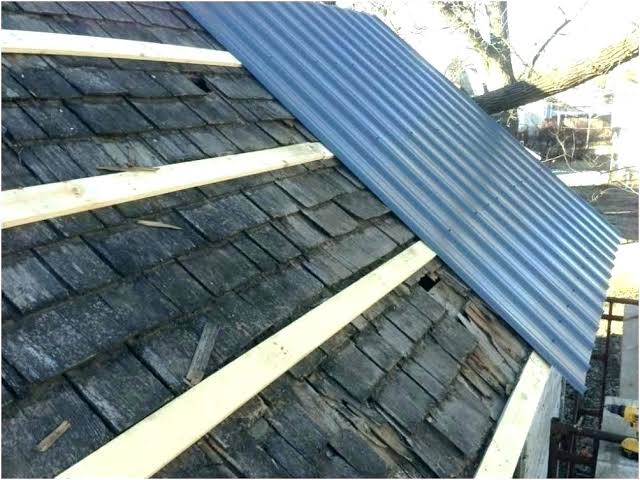
- Batten System (Optional but Recommended): Install horizontal or vertical battens (strips of wood or metal) over the underlayment. This ensures the metal panels do not sit directly on the uneven shingle surface and promotes airflow.
- Panel Installation: Begin installing the metal panels from the eave upward, following the manufacturer’s overlap instructions.
- Fastening: Use screws with rubber washers designed for metal roofing. Ensure they are driven straight to prevent leaks.
- Flashing and Trim: Install new drip edges, ridge caps, and flashing around chimneys and vents. Crucial: Old flashing should not be reused; it must be replaced to match the new roof profile.
Comparison: Tear-Off vs. Overlay
| Feature | Tear-Off and Replace | Install Over Shingles |
|---|---|---|
| Cost | Higher (Labor + Disposal) | Lower (No Demo Costs) |
| Time | Longer (3-5 days) | Faster (1-3 days) |
| Inspection | Full deck inspection possible | Limited visibility of deck |
| Warranty | Usually full manufacturer warranty | May be limited or voided |
| Longevity | Maximum potential lifespan | Slightly reduced due to underlying variables |
| Eco-Impact | High waste generation | Low waste generation |
FAQ Section
1. Will putting a metal roof over shingles void my homeowner’s insurance?
Generally, no. Most insurance companies accept metal roofs installed over shingles as long as the installation meets local building codes and is performed by a licensed contractor. However, it is wise to notify your insurer before starting the project.
2. How long does a metal roof last if installed over shingles?
A properly installed metal roof can last 40–70 years. However, installing it over shingles might slightly reduce this lifespan if moisture issues arise. Ensuring proper ventilation and a dry substrate is key to reaching the maximum lifespan.
3. Can I install metal roofing over two layers of shingles?
In most cases, no. Most US building codes prohibit having more than two layers of roofing material. If you already have two layers of shingles, you must tear them all off before installing metal.
4. Does the color of the old shingles matter?
Not directly for structural reasons, but dark shingles absorb more heat. If you live in a hot climate, the extra heat trapped between the shingles and the metal could potentially affect energy efficiency. Lighter-colored underlayments can help mitigate this.
5. What type of metal roof is best for overlays?
Standing seam metal roofs are often preferred for overlays because they use concealed fasteners and raised seams, which allow for better expansion/contraction and ventilation compared to exposed-fastener corrugated panels.
Conclusion
So, can you put a metal roof over a shingle roof? Yes, you can, and for many homeowners, it is a cost-effective, eco-friendly solution that provides excellent durability. However, it is not a shortcut. It requires meticulous preparation, strict adherence to ventilation standards, and a honest assessment of your current roof’s condition.
If your existing shingles are dry, flat, and structurally sound, an overlay can be a brilliant upgrade. If there is any sign of rot, moisture, or multiple existing layers, a full tear-off is the safer, albeit more expensive, route.
Did you find this guide helpful? Share it with friends who are considering a roof upgrade on Facebook or Pinterest, and leave a comment below with your own roofing questions!
Leave a Reply