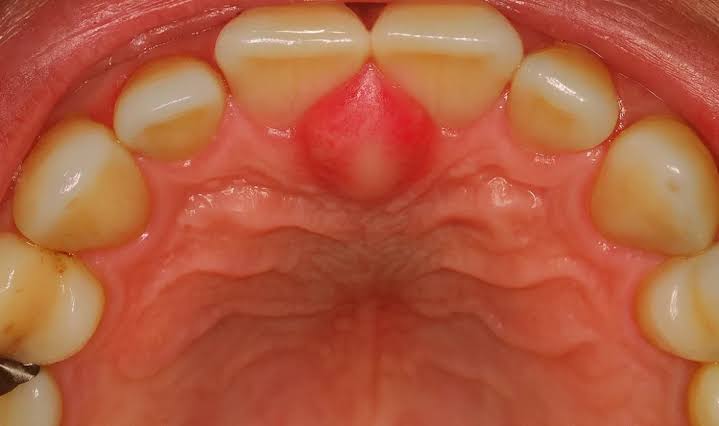
Have you ever taken a bite of hot pizza or a crunchy chip, only to feel a sharp, lingering pain on the roof of your mouth? It is an incredibly uncomfortable sensation that can make eating, drinking, and even speaking difficult. If you are currently asking yourself, “Why is the roof of my mouth swollen and sore,“ you are not alone; this is a common oral health issue with various triggers ranging from minor burns to underlying infections.
In this comprehensive guide, we will explore the most likely culprits behind your discomfort, provide actionable steps for relief, and help you understand when it is time to seek professional medical advice. Let’s dive into the science of your palate and how to heal it effectively.
Understanding the Anatomy: What Is the Palate?
Before we diagnose the pain, it helps to understand what we are dealing with. The roof of your mouth is medically known as the palate. It is divided into two parts:
- The Hard Palate: The bony front section just behind your teeth.
- The Soft Palate: The muscular back section near your throat.
Both areas are lined with delicate mucous membranes. Because these tissues are thin and sensitive, they are highly susceptible to irritation, trauma, and infection. When these tissues become inflamed, you experience swelling, redness, and soreness.
Common Causes: Why Is the Roof Of My Mouth Swollen And Sore?
Identifying the root cause is the first step toward healing. Here are the most frequent reasons for palate inflammation, categorized by type.
1. Thermal Burns (Pizza Palate)
This is arguably the most common cause. Consuming food or beverages that are too hot can scald the delicate tissue of the hard palate.
- Symptoms: Immediate stinging, blistering, or peeling skin.
- Recovery Time: Typically 3–7 days.
- Expert Insight: According to dental professionals, second-degree burns on the palate can cause significant swelling as the body rushes blood to the area to repair damaged cells.
2. Physical Trauma and Abrasion
Your mouth is a tough environment, but it has limits. Eating hard, sharp foods like tortilla chips, crusty bread, or candy can scratch or puncture the palate.
- Mechanism: Micro-abrasions create entry points for bacteria, leading to localized swelling.
- Prevention: Chew slowly and avoid using your teeth to open packages or crack nuts.
3. Canker Sores (Aphthous Ulcers)
These are small, shallow lesions that develop on the soft tissues in your mouth or at the base of your gums. Unlike cold sores, they don’t occur on the surface of your lips and aren’t contagious.
- Appearance: White or yellow center with a red border.
- Triggers: Stress, minor injury to oral tissues, acidic foods, or vitamin deficiencies (B-12, zinc, folate).
4. Allergic Reactions
Oral Allergy Syndrome (OAS) can cause itching and swelling in the mouth shortly after eating certain raw fruits, vegetables, or nuts.
- Common Triggers: Pollen-related cross-reactivity with apples, carrots, or celery.
- Severity: Usually mild, but severe swelling that impacts breathing requires immediate emergency care.
5. Infections (Viral and Fungal)
- Herpes Simplex Virus (HSV-1): Can cause cold sores inside the mouth, often on the hard palate. These are fluid-filled blisters that burst and crust over.
- Oral Thrush (Candidiasis): A fungal infection causing creamy white lesions on the tongue or inner cheeks, which can spread to the palate. It is more common in infants, the elderly, and those with compromised immune systems.
For a deeper understanding of oral mucosal diseases, you can refer to general medical resources such as Wikipedia’s page on Oral Medicine to see broader classifications of conditions affecting the mouth.
Immediate Relief: How to Soothe a Swollen Palate
If you are suffering right now, here is a step-by-step protocol to reduce pain and accelerate healing.
Step 1: Cool It Down
Apply cold to the affected area to constrict blood vessels and reduce swelling.
- Action: Suck on ice chips or eat sugar-free popsicles.
- Duration: Apply intermittently for 10–15 minutes.
Step 2: Salt Water Rinse
Salt water is a natural disinfectant that helps reduce inflammation and keeps the area clean.
- Recipe: Mix 1/2 teaspoon of salt into 8 ounces (240 ml) of warm water.
- Method: Swish gently for 30 seconds, then spit out. Repeat 3–4 times a day.
- Note: Do not use hot water, as it will aggravate the burn or sore.
Step 3: Avoid Irritants
While healing, your palate is vulnerable. Strictly avoid:
- Spicy foods (chili, hot sauce)
- Acidic foods (citrus fruits, tomato sauce, vinegar)
- Crunchy/hard textures (chips, nuts)
- Alcohol-based mouthwashes
Step 4: Over-the-Counter Remedies
- Pain Relievers: Ibuprofen or acetaminophen can help manage pain and reduce inflammation.
- Topical Gels: Benzocaine-based gels (like Orajel) can numb the area temporarily. Use sparingly and follow label instructions.
Comparison: Home Remedies vs. Medical Treatments
| Feature | Home Remedies | Medical Treatments |
|---|---|---|
| Best For | Minor burns, small abrasions, mild canker sores | Severe infections, persistent ulcers, allergic reactions |
| Cost | Low (salt, ice, honey) | Variable (consultation fees, prescription meds) |
| Speed | Gradual relief (2–7 days) | Faster resolution for specific conditions |
| Risk | Minimal | Potential side effects from medication |
When to See a Doctor or Dentist
While most cases of a swollen palate resolve on their own, some symptoms indicate a more serious underlying issue. Seek professional care if:
- Persistence: The swelling or sore does not heal after two weeks.
- Severity: You have difficulty breathing, swallowing, or opening your mouth.
- Systemic Symptoms: You experience high fever, fatigue, or swollen lymph nodes in the neck.
- Recurrence: You frequently get sores or swelling without an obvious cause (like burning your mouth).
- White Patches: You notice thick white patches that cannot be wiped away (potential sign of leukoplakia or thrush).
FAQ Section
1. Can dehydration cause the roof of my mouth to swell?
Yes, indirectly. Dehydration reduces saliva production, leading to a dry mouth (xerostomia). Saliva is essential for protecting oral tissues and washing away food particles. Without it, the palate becomes more susceptible to irritation, friction, and bacterial growth, which can lead to soreness and mild swelling.
2. Is a swollen palate a sign of cancer?
It is rare, but persistent sores that do not heal within two weeks can be a sign of oral cancer. Other warning signs include unexplained bleeding, numbness, or lumps in the neck. However, the vast majority of swollen palates are caused by benign issues like burns or canker sores. If you are concerned, always consult a healthcare provider for peace of mind.
3. How long does it take for a burned palate to heal?
Minor first-degree burns typically heal within 3 to 7 days. More severe second-degree burns, which may involve blistering, can take up to two weeks to fully resolve. During this time, keeping the area clean and avoiding irritants is crucial.
4. Can stress cause the roof of my mouth to hurt?
Stress weakens the immune system, making you more prone to canker sores and viral outbreaks like herpes simplex. Additionally, stress can lead to unconscious habits like grinding your teeth or pressing your tongue against the roof of your mouth, causing physical trauma and swelling.
5. What foods should I eat when the roof of my mouth is sore?
Stick to a soft, bland diet. Excellent options include:
- Yogurt and pudding
- Mashed potatoes
- Smoothies (avoid acidic fruits like orange or pineapple)
- Lukewarm soups (broth-based, not tomato-based)
- Scrambled eggs
Conclusion
Dealing with a painful, swollen palate is never fun, but understanding why is the roof of my mouth swollen and sore empowers you to take the right steps for recovery. In most cases, the culprit is a minor burn, physical abrasion, or a common canker sore that will heal with simple home care like salt water rinses and cold compresses.
Remember to listen to your body. If the pain persists beyond two weeks or is accompanied by other severe symptoms, do not hesitate to consult a dentist or doctor. Early intervention can prevent minor issues from becoming major complications.
Found this guide helpful? Share it with friends and family on social media to help them navigate their next “pizza palate” mishap! Stay healthy, and keep smiling.
Leave a Reply