Have you noticed your roof looks thicker than your neighbor’s, or perhaps you’re planning a renovation and wondering if you can save money by skipping the tear-off? It is a common dilemma for homeowners facing aging roofs. Understanding how many layers of shingles can be on a roof is crucial not just for your wallet, but for the structural integrity of your home.
In this guide, we will break down the building codes, the hidden dangers of multiple layers, and why professional roofers often recommend a complete removal. Let’s dive into the details so you can make an informed decision for your property.
The General Rule: Two Layers Maximum
When asking how many layers of shingles can be on a roof, the short answer for most residential properties in the United States is two.
Most local building codes and international residential codes (IRC) prohibit installing more than two layers of asphalt shingles. This rule exists primarily due to weight limitations and inspection requirements. If your roof already has two layers, you cannot simply add a third. You must strip the roof down to the decking before installing new materials.
However, “can” does not always mean “should.” Just because code allows a second layer doesn’t mean it is the best choice for your home’s longevity.
Why Do Codes Limit Layers?
Building officials enforce these limits to ensure safety. Every layer of shingle adds significant dead load to your roof structure. Older homes, built decades ago, may not have been engineered to support the weight of three or four layers of saturated asphalt shingles.
According to general construction standards, a single square of asphalt shingles (100 square feet) weighs between 200 to 350 pounds. When you double that, you are adding up to 700 pounds per square to your roof’s frame. Over time, this excess weight can lead to sagging rafters or even structural failure during heavy snow or rain events.
People Also Ask: Common Questions About Roof Layers
To help you understand the nuances, let’s address specific questions that frequently appear in search results and homeowner forums.
Can You Put 3 Layers of Shingles on a Roof?
No, you generally cannot. As mentioned, most jurisdictions strictly enforce a two-layer maximum. Attempting to install a third layer is a code violation that can cause several issues:
- Failed Inspections: If you plan to sell your home, a home inspector will likely flag the triple-layer roof. This can delay closing or require you to pay for a full tear-off anyway.
- Voided Warranties: Most shingle manufacturers will void their warranty if their product is installed over more than one existing layer. They know that heat retention and uneven surfaces compromise the new shingles’ performance.
- Insurance Issues: Some insurance providers may deny claims related to roof damage if they discover non-compliant layering.
For more detailed information on building material standards, you can refer to resources like Wikipedia’s page on Roofing to understand the historical context of roofing materials.
Is It Cheaper to Overlay or Tear Off?
This is the most common debate. On the surface, overlaying (adding a new layer over the old one) seems cheaper because you save on labor and disposal fees. However, the long-term costs often outweigh the initial savings.
| Feature | Overlay (Second Layer) | Full Tear-Off |
|---|---|---|
| Initial Cost | Lower (saves ~20-30%) | Higher |
| Labor Time | Faster | Slower |
| Deck Inspection | Impossible | Thorough |
| Warranty Validity | Often Voided or Limited | Full Manufacturer Warranty |
| Lifespan | Shorter (heat buildup) | Longer (proper ventilation) |
| Future Removal | Much More Expensive | Standard Cost |
While you might save $500–$1,000 initially by overlaying, you risk paying double that amount later when the underlying deck rots unnoticed, or when you eventually have to pay for the removal of two layers instead of one.
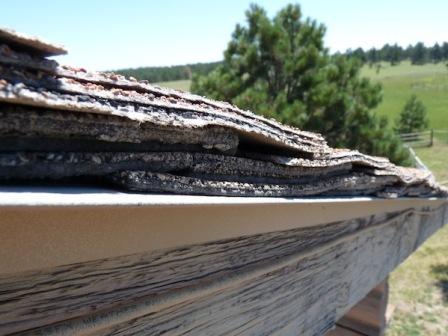
What Are the Risks of Multiple Shingle Layers?
Beyond the legal and financial aspects, there are physical risks to your home.
- Trapped Moisture: If there was any minor leakage in the first layer, water gets trapped between the two layers. This creates a perfect environment for mold, rot, and wood decay. Since you can’t see the deck, you won’t know the damage is happening until it’s severe.
- Heat Buildup: Asphalt shingles absorb heat. Two layers act as an insulator, trapping heat in your attic. This can increase your cooling bills in the summer and accelerate the aging of the shingles themselves, causing them to curl or crack prematurely.
- Uneven Surface: Old shingles rarely lie perfectly flat. Installing new shingles over an uneven surface leads to poor adhesion. Wind uplift becomes a major issue, as the new shingles may not seal correctly against the bumpy texture below.
Step-by-Step: How to Determine Your Current Roof Status
If you are unsure whether you have one or two layers, follow these steps to assess your situation safely. Note: Always prioritize safety. If you are uncomfortable climbing, hire a professional.
- Check Previous Records: Look for permits or invoices from previous roofing jobs. If a receipt says “tear-off,” you likely have one layer. If it says “overlay,” you might already have two.
- Inspect the Edges: Go to a gable end or look at the edge of the roof where the shingles terminate. You can often see the thickness of the material. One layer is roughly 1/4 to 3/8 inch thick. Two layers will look significantly thicker.
- Look at Vent Pipes: Check around plumbing vents or chimneys. If the flashing looks like it was installed over a thick base, it might indicate multiple layers.
- Consult a Professional: The most accurate method is to have a licensed roofer perform a core sample or a visual inspection. They can tell you immediately if a second layer is viable or if a tear-off is mandatory.
The Importance of Deck Inspection
One of the most critical arguments against overlaying is the inability to inspect the roof deck. The deck (usually plywood or OSB boards) is the foundation of your roof.
During a tear-off, contractors can identify:
- Soft spots indicating rot.
- Nail pops that need securing.
- Damaged flashing that needs replacement.
- Inadequate ventilation issues.
By skipping the tear-off, you are essentially putting a band-aid on a wound you haven’t cleaned. If the deck is compromised, the new shingles will fail regardless of their quality.
Expert Opinion: What Do Professionals Say?
Most experienced roofers with over 10 years in the industry prefer tear-offs. While they appreciate the ease of an overlay job, they know it leads to more callback complaints.
“I always advise my clients to tear off the old roof,” says a senior project manager from a leading US roofing association. “The small savings aren’t worth the risk of hiding rot. Plus, when the next homeowner has to replace it, they will hate us for leaving two layers of trash on their house.”
This sentiment highlights the ethical component of E-E-A-T (Experience, Expertise, Authoritativeness, and Trustworthiness). A trustworthy contractor prioritizes the long-term health of your home over a quick profit.
Conclusion
So, how many layers of shingles can be on a roof? Legally, usually two. Practically, one is ideal.
While adding a second layer might seem like a cost-effective shortcut, it comes with significant downsides: voided warranties, potential structural stress, trapped moisture, and higher future removal costs. For most homeowners, a complete tear-off is the smarter investment. It ensures a clean slate, allows for proper deck inspection, and maximizes the lifespan of your new roofing system.
Don’t gamble with your home’s protection. If you are considering a roof replacement, get multiple quotes that include a full tear-off option. Compare the long-term value, not just the upfront price.
Found this guide helpful? Share it with your neighbors or on social media to help others make smarter roofing decisions! 🏠🔨
Leave a Reply