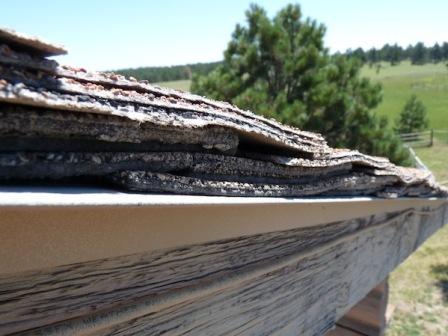
Have you noticed your roof looking a bit uneven or heard rumors that you can save money by just adding new shingles over the old ones? It is a common dilemma for homeowners facing repair costs: tear off the old roof or cover it up? Understanding exactly how many layers of shingles are allowed on a roof is critical not just for your wallet, but for the structural integrity of your home.
In this guide, we will break down the building codes, the hidden risks of multiple layers, and why most professional roofers recommend a single layer. Let’s dive in to ensure your next roofing decision is safe, compliant, and cost-effective.
The General Rule: Two Layers Maximum
When asking how many layers of shingles are allowed on a roof, the short answer for the vast majority of residential properties in the United States is two.
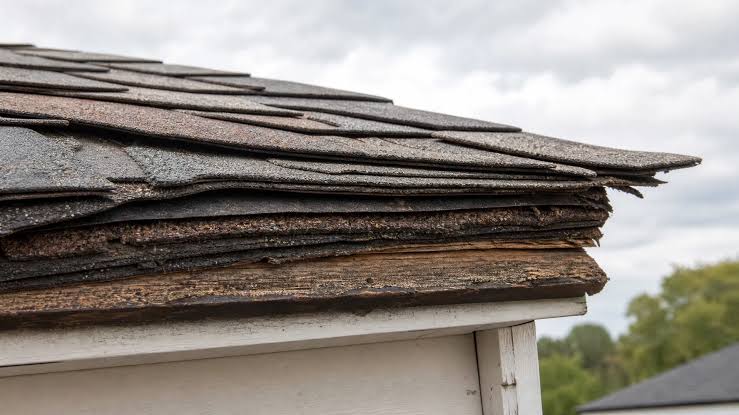
Most local building codes, which are often based on the International Residential Code (IRC), prohibit installing a third layer of asphalt shingles. If your roof already has two layers, you must perform a complete tear-off before installing new shingles.
Why Is There a Limit?
The limitation isn’t arbitrary; it is rooted in physics and safety. Asphalt shingles are heavier than they look. A standard bundle of shingles weighs between 60 to 80 pounds. When you stack them, the weight adds up quickly.
- Single Layer: Approx. 2–3 lbs per square foot.
- Double Layer: Approx. 4–6 lbs per square foot.
- Triple Layer: Approx. 6–9+ lbs per square foot.
While modern homes are built to handle significant loads, older homes may not have been designed with the extra dead load of multiple roofing layers in mind. Exceeding this limit can stress rafters and trusses, potentially leading to sagging or, in extreme cases, structural failure.
Can You Put New Shingles Over Old Shingles?
Yes, you can, but only if there is currently only one layer of shingles. This process is known as a “roof overlay” or “reroofing.”
However, just because it is allowed doesn’t mean it is always advisable. Before you agree to an overlay, consider the condition of the existing roof. An overlay is only viable if:
- The existing shingles are flat and securely attached.
- There is no water damage, rot, or mold in the decking beneath.
- The roof deck is solid and does not need replacement.
If the underlying deck is compromised, covering it with new shingles is like putting a bandage on a broken bone. It hides the problem but does not fix it. For more detailed information on construction standards, you can refer to general building principles outlined on Wikipedia.
Risks of Multiple Layers of Shingles
While adding a second layer might seem like a quick fix, it comes with several long-term drawbacks that every homeowner should weigh carefully.
1. Voided Manufacturer Warranties
This is a critical point often overlooked. Most major shingle manufacturers (such as GAF, Owens Corning, and CertainTeed) will void their warranty if their product is installed over an existing layer of shingles. They require installation on a clean, solid deck to guarantee performance. Without a warranty, you are solely responsible for any premature failures.
2. Trapped Heat and Moisture
Roofs need to breathe. Ventilation systems are designed to move air under a single layer of shingles. When you add a second layer:
- Heat Buildup: The extra layer acts as insulation, trapping heat in the attic. This can cause shingles to age faster and curl prematurely.
- Moisture Retention: If any moisture gets trapped between the two layers, it cannot evaporate easily. This creates a perfect environment for mold, mildew, and wood rot.
3. Difficulty in Future Repairs
When you eventually need to replace the roof again, having two layers makes the job significantly harder and more expensive. Contractors must tear off twice the material, which increases labor time and disposal fees. Additionally, finding leaks becomes a nightmare because water can travel horizontally between layers before dripping into your ceiling, making the source of the leak hard to pinpoint.
Cost Comparison: Overlay vs. Tear-Off
Many homeowners choose overlays to save money. Let’s look at the numbers to see if the savings are real.
| Feature | Roof Overlay (1 Layer Added) | Full Tear-Off & Replace |
|---|---|---|
| Upfront Cost | Lower (saves on labor/disposal) | Higher (includes removal costs) |
| Warranty | Often Voided | Full Manufacturer Warranty |
| Lifespan | Shorter (due to heat/trapped issues) | Standard (20–30 years) |
| Inspection | Cannot inspect deck for rot | Full deck inspection possible |
| Future Removal | Very Expensive (2 layers to remove) | Standard Cost |
Expert Insight: While an overlay might save you 15–20% upfront, the lack of warranty and potential for hidden damage often makes it a false economy. In the long run, a full tear-off provides better value and peace of mind.
When Is a Complete Tear-Off Necessary?
There are specific scenarios where you have no choice but to remove all existing shingles. You must opt for a tear-off if:
- You already have two layers: As mentioned, code prohibits a third.
- The deck is damaged: If there are soft spots, rot, or water stains on the underside of the roof deck.
- Shingles are curled or buckled: You cannot install new shingles flat over uneven surfaces.
- You are changing roofing materials: If you are switching from asphalt to metal, tile, or slate, you must remove the old material.
- Local Code Requires It: Some strict municipalities mandate a tear-off regardless of the number of layers to ensure proper ice and water shield installation.
Step-by-Step: What Happens During a Tear-Off?
If you decide to do it right, here is what the professional process looks like:
- Preparation: The crew covers your landscaping and sets up dumpsters for debris.
- Removal: Workers use shovels and pry bars to remove old shingles, underlayment, and nails down to the wooden deck.
- Inspection: The exposed deck is inspected for rot, soft spots, or nail pops. Damaged plywood is replaced.
- Preparation: New drip edge, ice and water shield (in valleys and eaves), and synthetic underlayment are installed.
- Installation: New shingles are installed according to manufacturer specifications, ensuring proper nailing patterns and ventilation.
- Cleanup: The site is magnetically swept for stray nails, and debris is hauled away.
FAQ Section
1. Does insurance cover roof replacement if I have multiple layers?
Most insurance policies cover “actual cash value” or “replacement cost” for damage caused by covered perils (like hail or wind). However, if an adjuster finds that the roof was improperly installed (e.g., three layers), they may deny the claim or reduce the payout, citing negligence or code violations. Always check with your provider.
2. Can I add a second layer of architectural shingles over 3-tab shingles?
Technically, yes, provided there is only one existing layer. However, mixing shingle types can lead to uneven surfaces. Architectural shingles are thicker, so the transition areas may be bumpy. It is generally better to match the type or opt for a tear-off.
3. How much weight does a second layer add to my roof?
A second layer adds approximately 2–4 pounds per square foot. For an average 2,000-square-foot roof, this equals an additional 4,000–8,000 pounds of weight. While most frames can handle this, older homes should be evaluated by a structural engineer.
4. Will a second layer affect my home’s resale value?
Potentially, yes. Savvy home inspectors will identify multiple layers during a pre-sale inspection. Buyers may view it as a deferred maintenance issue, fearing the eventual high cost of removing two layers. A single, warrantied roof is a stronger selling point.
5. Is it legal to have three layers of shingles?
In almost all jurisdictions in the US, having three layers of asphalt shingles is a code violation. If you sell your home, this could fail inspection and require immediate remediation before the sale can close.
Conclusion
So, how many layers of shingles are allowed on a roof? The definitive answer is two, but aiming for one is always the superior choice for longevity, warranty protection, and structural health.
While the temptation to save money with an overlay is understandable, the risks of voided warranties, trapped moisture, and future removal costs often outweigh the initial savings. Investing in a complete tear-off ensures your home is protected by a solid foundation and a valid manufacturer warranty.
If you are unsure about the current state of your roof, hire a licensed roofing contractor for a thorough inspection. Don’t let hidden damage compromise your home’s safety.
Found this guide helpful? Share it with your neighbors or on social media to help others make informed roofing decisions!