Replacing a roof is one of the most significant home improvement projects you will ever undertake. It is not just about aesthetics; it is about protecting your family, your belongings, and your investment from the elements. If you are currently stressing over budgets and quotes, you are not alone. Many homeowners find themselves asking, “How much to put a new roof on a house?” without knowing where to start.
This guide breaks down the costs clearly, helping you make an informed decision without the headache. We will explore material options, labor factors, and hidden costs so you can plan with confidence.
Understanding the Average Cost of a New Roof
When determining how much to put a new roof on a house, the national average typically ranges between $8,500 and $14,500 for a standard 2,000-square-foot home. However, this number can fluctuate significantly based on your location, the complexity of your roof’s design, and the materials you choose.
In 2026, inflation and supply chain stabilizations have settled into a new normal. While prices have cooled slightly from the post-pandemic peaks, labor shortages in skilled trades continue to keep installation costs steady.
Key Cost Factors
- Roof Size: Measured in “squares” (1 square = 100 sq. ft.).
- Material Type: Asphalt shingles are cheapest; slate and metal are premium.
- Labor: Varies by region and contractor expertise.
- Removal Costs: Tearing off the old roof adds to the bill.
Pro Tip: Always get at least three detailed quotes. A low bid might exclude essential steps like ice and water shield installation or proper ventilation upgrades.
How Does Roof Size Impact the Total Price?
The size of your roof is the primary driver of cost. Contractors do not measure your home’s footprint; they measure the actual surface area of the roof, which includes slopes and overhangs.
| Home Size (Sq. Ft.) | Approximate Roof Area (Squares) | Estimated Cost (Asphalt Shingles) |
|---|---|---|
| 1,000 | 10–12 squares | $4,500 – $7,000 |
| 1,500 | 15–18 squares | $6,500 – $9,500 |
| 2,000 | 20–24 squares | $8,500 – $14,000 |
| 2,500+ | 25+ squares | $11,000 – $18,000+ |
Note: These estimates include removal of old roofing and disposal fees.
If your roof has multiple stories, steep pitches, or many valleys and chimneys, expect to pay a premium. Complex roofs require more safety equipment, more time, and higher insurance premiums for the contractor, all of which are passed on to you.
Which Roofing Material Offers the Best Value?
Choosing the right material is crucial for balancing upfront cost with long-term durability. Here is a breakdown of popular options in the US market.
1. Asphalt Shingles
- Cost: $3.50 – $5.50 per sq. ft. installed.
- Lifespan: 15–30 years.
- Pros: Affordable, easy to repair, widely available.
- Cons: Shorter lifespan, susceptible to wind damage.
2. Metal Roofing
- Cost: $7.00 – $12.00 per sq. ft. installed.
- Lifespan: 40–70 years.
- Pros: Energy-efficient, durable, fire-resistant.
- Cons: Higher upfront cost, can be noisy during rain if not insulated properly.
3. Clay or Concrete Tiles
- Cost: $10.00 – $20.00 per sq. ft. installed.
- Lifespan: 50–100 years.
- Pros: Excellent for hot climates, aesthetically distinct.
- Cons: Very heavy (may require structural reinforcement), fragile if walked on.
4. Slate Roofing
- Cost: $15.00 – $30.00+ per sq. ft. installed.
- Lifespan: 75–200 years.
- Pros: Unmatched beauty and durability, increases home value.
- Cons: Extremely expensive, requires specialized installers.
For most American homeowners, architectural asphalt shingles remain the sweet spot for value and performance. They offer better wind resistance and a more dimensional look than traditional 3-tab shingles, without the premium price tag of metal or slate.
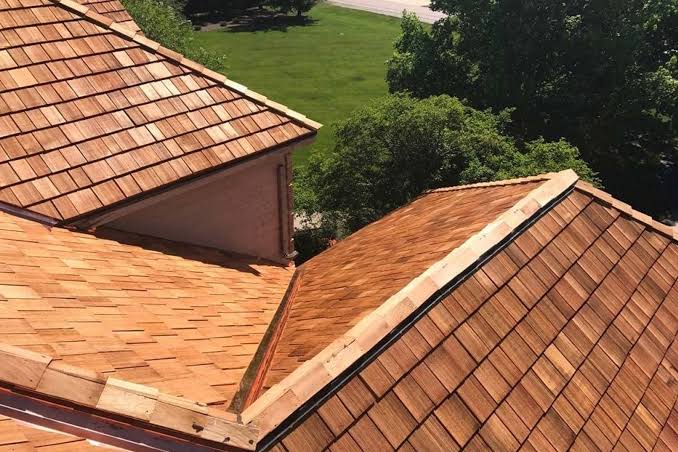
What Hidden Costs Should You Budget For?
When asking how much to put a new roof on a house, many homeowners forget the “invisible” expenses. These can add 10–20% to your total budget if not anticipated.
- Permits: Most municipalities require a building permit for roof replacement. Costs range from $150 to $500 depending on your city.
- Decking Repair: Once the old shingles are removed, contractors may find rotten plywood decking. Replacing a sheet of plywood costs $50–$100 per sheet, plus labor.
- Ventilation Upgrades: Modern building codes often require improved attic ventilation. Installing ridge vents or soffit vents can cost $300–$800.
- Dumpster Fees: Disposing of old roofing materials is heavy work. Expect to pay $300–$600 for dumpster rental and hauling.
- Landscaping Protection: If you have delicate gardens, you may need to pay extra for tarps and careful cleanup to prevent damage from falling debris.
To understand the historical context of roofing materials and their evolution, you can refer to this Wikipedia article on roofing. This resource provides a broad overview of how roofing techniques have changed over centuries, highlighting why modern standards are stricter today.
How to Choose the Right Roofing Contractor
Your choice of contractor matters as much as the material you choose. A poor installation can void warranties and lead to leaks within months.
- Check Licensing and Insurance: Ensure they have general liability and workers’ compensation insurance. Ask for proof.
- Look for Local Reviews: Check Google, Yelp, and the Better Business Bureau. Look for patterns in complaints rather than isolated incidents.
- Ask About Warranties:
- Manufacturer Warranty: Covers defects in the shingles (usually 20–50 years).
- Workmanship Warranty: Covers installation errors (usually 2–10 years).
- Get Everything in Writing: The contract should specify materials, brand, color, start/end dates, payment schedule, and cleanup procedures.
Avoid paying the full amount upfront. A standard deposit is 10–30%, with the remainder paid upon satisfactory completion.
DIY vs. Professional Installation: Is It Worth It?
Some homeowners consider DIY to save money. While technically possible, roofing is dangerous. Falls from roofs are a leading cause of home improvement injuries.
Furthermore, most manufacturers will void the warranty if the roof is not installed by a certified professional. Given that a new roof is a 20+ year investment, saving $2,000 now could cost you $10,000 later in premature repairs.
Verdict: Hire a professional. The risk-to-reward ratio for DIY roofing is too high for most homeowners.
Frequently Asked Questions (FAQ)
1. How long does a roof replacement take?
For an average-sized home, a professional crew can complete the job in 1 to 3 days. Larger or more complex roofs may take up to a week. Weather delays are common, so build some flexibility into your schedule.
2. Does a new roof increase home value?
Yes. According to real estate experts, a new roof can recoup 60–70% of its cost in increased home value. More importantly, it makes your home easier to sell, as buyers are wary of immediate major repairs.
3. Can I install a new roof over the old one?
This is called a “roof-over.” While it saves on disposal costs, it is generally not recommended. It hides potential deck damage, adds excessive weight, and can void manufacturer warranties. Most local codes also limit you to two layers maximum.
4. What is the best time of year to replace a roof?
Late spring to early fall is ideal because temperatures are moderate, allowing shingle adhesives to seal properly. However, scheduling during the off-season (late winter) might yield better pricing due to lower demand, provided the weather permits safe work.
5. How do I maintain my new roof?
Inspect your roof twice a year (spring and fall). Clean gutters regularly to prevent water backup. Trim tree branches that hang over the roof to prevent damage from falling limbs and to reduce shade, which encourages moss growth.
Conclusion
Knowing how much to put a new roof on a house empowers you to budget effectively and avoid scams. While the average cost sits between $8,500 and $14,500, your specific price will depend on materials, size, and local labor rates. Remember, a roof is not just an expense; it is a critical investment in your home’s longevity and your family’s safety.
Don’t rush the process. Take the time to compare quotes, check credentials, and choose quality materials. Your future self will thank you when storms roll through and your home stays dry and secure.
Found this guide helpful? Share it with your neighbors on Facebook or Pinterest to help them prepare for their own home improvement projects!
Leave a Reply