Is that green, fuzzy layer creeping up your roof causing you sleepless nights? You are not alone. Moss is more than just an eyesore; it traps moisture against your shingles, leading to premature decay, leaks, and costly repairs. If you are wondering how do you get rid of moss on roof shingles without damaging your home or risking your safety, this guide is for you. We will walk you through safe, effective, and proven methods to restore your roof’s integrity and curb appeal.
Why Is Moss Bad for Your Roof?
Before we dive into the removal process, it is crucial to understand why moss is a threat. Many homeowners mistake moss for harmless vegetation, but its impact on roofing materials is significant.
Moss acts like a sponge. It absorbs rainwater and holds it against the surface of your asphalt shingles. Over time, this constant moisture can cause the granules on the shingles to loosen and wash away. Once the protective granule layer is compromised, the underlying asphalt is exposed to UV rays and weather elements, accelerating aging.
Furthermore, moss roots (rhizoids) can lift the edges of shingles. This creates gaps where wind-driven rain can penetrate, leading to water damage in your attic or ceiling. According to industry estimates, ignoring moss growth can reduce the lifespan of a standard 20-year asphalt roof by up to 5–7 years.
Safety First: Preparing for Roof Work
Removing moss is a physical task that involves working at heights. Before you grab any tools, prioritize safety.
- Check the Weather: Never work on a wet, icy, or windy day. Dry conditions provide better traction.
- Use Proper Gear: Wear rubber-soled shoes with good grip. Use a sturdy extension ladder secured at the base.
- Safety Harness: If your roof has a steep pitch (greater than 6/12), consider hiring a professional. If you proceed, use a fall-arrest system.
- Protect Your Landscaping: The cleaning solutions we will discuss can harm plants. Cover shrubs and grass below the work area with plastic tarps.
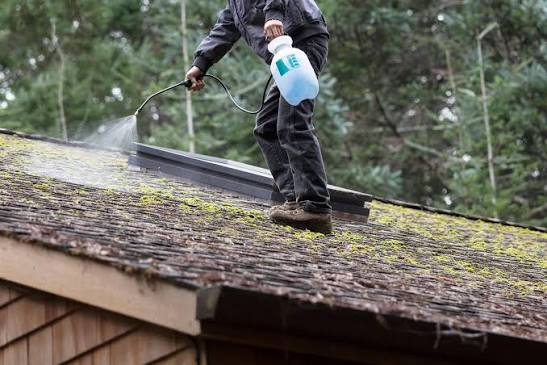
Method 1: The Manual Removal Technique (Low Moisture)
For light to moderate moss growth, manual removal is often the safest first step. This method minimizes the risk of water intrusion into your home.
Step-by-Step Guide:
- Sweep Gently: Use a soft-bristle broom or a leaf blower on a low setting. Start from the ridge (top) and work your way down.
- Critical Tip: Always sweep downward, following the direction of the shingle overlap. Sweeping upward can lift shingles and break the seal.
- Scrape Carefully: For stubborn patches, use a plastic putty knife or a specialized roof scraper. Avoid metal tools, as they can gouge the shingles.
- Collect Debris: Ensure all moss clumps are removed from the gutters. Clogged gutters contribute to moisture retention, which encourages new moss growth.
Note: Manual removal does not kill the spores. It only removes the visible plant matter. You must follow up with a treatment to prevent regrowth.
Method 2: Chemical Treatment with Zinc Sulfate or Bleach Solution
If manual removal isn’t enough, or if the moss is thick, a chemical treatment is necessary. There are two primary approaches: commercial moss killers and DIY bleach solutions.
Option A: Commercial Moss Killers (Zinc Sulfate)
Products containing zinc sulfate or copper sulfate are highly effective. They work by dehydrating the moss and preventing spore germination.
- Application: Mix the powder with water according to the manufacturer’s instructions. Spray evenly over the affected areas using a garden sprayer.
- Wait Time: Allow the solution to sit for 20–30 minutes. Do not rinse immediately.
- Removal: After the moss turns brown and dies (usually within 24–48 hours), gently sweep it off.
Option B: DIY Bleach Solution
A common household remedy is a mixture of chlorine bleach and water.
- The Ratio: Mix 1 part chlorine bleach with 3 parts water.
- Application: Apply using a pump sprayer. Avoid high-pressure washing, which can strip granules.
- Dwell Time: Let it sit for 15–20 minutes.
- Rinsing: Rinse gently with a garden hose from the top down.
Comparison: Zinc Sulfate vs. Bleach
| Feature | Zinc Sulfate | Bleach Solution |
|---|---|---|
| Effectiveness | High (Long-lasting) | Moderate (Short-term) |
| Plant Safety | Safer if rinsed properly | Harmful to plants/grass |
| Shingle Safety | Very Safe | Can degrade seals if overused |
| Cost | Moderate | Low |
Method 3: Installing Zinc or Copper Strips (Prevention)
Once you have cleaned your roof, the goal is to keep it clean. The most effective long-term solution is installing metal strips near the roof ridge.
When it rains, tiny particles of zinc or copper wash down the roof. These metals are toxic to moss, algae, and lichen, creating an inhospitable environment for growth.
- Installation: Nail 2-inch wide strips of zinc or copper along the peak of the roof.
- Coverage: Ensure the strips extend under the cap shingles so they are hidden but functional.
- Longevity: These strips can provide protection for 10–20 years, making them a cost-effective investment.
For more detailed information on the chemical properties of these metals and their environmental impact, you can refer to this Wikipedia article on Zinc.
What NOT to Do: Common Mistakes
Avoid these common pitfalls that can void your roof warranty or cause structural damage.
- Never Use a Pressure Washer: High-pressure water (above 1,500 PSI) can blast off the protective granules on asphalt shingles. This exposes the asphalt to sun damage and significantly shortens the roof’s life. Most manufacturers explicitly void warranties if pressure washing is used.
- Avoid Walking on Wet Moss: Wet moss is incredibly slippery. Even with safety gear, the risk of falling is high.
- Do Not Ignore Gutters: Cleaning the roof while ignoring clogged gutters is futile. Water backup in gutters keeps the roof edge damp, inviting moss back immediately.
When to Call a Professional
While DIY methods are effective for many, certain situations require expert intervention:
- Steep Roofs: If your roof pitch is steep, the risk of injury is too high for amateur work.
- Extensive Damage: If you notice curled, cracked, or missing shingles during inspection, a roofer should assess structural integrity.
- Large Surface Area: If more than 30% of your roof is covered, professional cleaning equipment and eco-friendly industrial solutions may be more efficient.
The average cost for professional roof cleaning ranges from $300 to $600, depending on size and location. Compared to the $10,000+ cost of a full roof replacement, this maintenance is a wise financial decision.
FAQ Section
1. Will vinegar kill moss on roof shingles?
Yes, white vinegar can kill moss due to its acetic acid content. However, it is less effective than zinc sulfate or bleach for large areas. It requires repeated applications and may not prevent regrowth as effectively as metal strips.
2. How often should I clean moss off my roof?
Inspect your roof twice a year, ideally in spring and fall. If you live in a shady, damp climate, you may need to treat for moss every 2–3 years. With zinc strips installed, maintenance can be reduced to once every decade.
3. Does moss removal damage asphalt shingles?
If done correctly using soft brushes and low-pressure rinsing, it does not damage shingles. However, aggressive scraping, walking heavily on shingles, or using high-pressure washers will cause significant damage.
4. Can I prevent moss without installing metal strips?
Yes. You can trim overhanging tree branches to increase sunlight exposure and improve air circulation. Keeping the roof dry and sunny is the best natural deterrent against moss growth.
5. Is moss harmful to humans?
Moss itself is not toxic to humans. However, the damp environment it creates can promote mold and mildew growth, which may affect indoor air quality if leaks develop. Additionally, slippery moss poses a fall hazard for anyone accessing the roof.
Conclusion
Learning how do you get rid of moss on roof shingles is a vital skill for any homeowner. By combining gentle manual removal with effective chemical treatments and long-term prevention strategies like zinc strips, you can extend the life of your roof and maintain your home’s value.
Remember, consistency is key. Regular inspections and minor maintenance prevent small problems from becoming expensive disasters. Don’t wait for a leak to appear—take action today.
Found this guide helpful? Share it with your neighbors on Facebook or Pinterest to help them protect their homes too! A moss-free neighborhood is a safer, more beautiful community.
Leave a Reply