Have you ever taken a bite of food or a sip of water, only to be hit with a sharp, unexpected sting in the upper part of your mouth? It is a frustrating and often alarming sensation that can make eating and drinking difficult. If you are currently dealing with pain in the roof of my mouth when I swallow, you are not alone, and there are clear, actionable steps you can take to find relief.
This guide breaks down the most common causes, from minor burns to infections, and provides expert-backed strategies to soothe the discomfort. We will explore when this symptom is a temporary nuisance and when it might signal a need for professional medical attention.
Why Does the Roof of My Mouth Hurt When I Swallow?
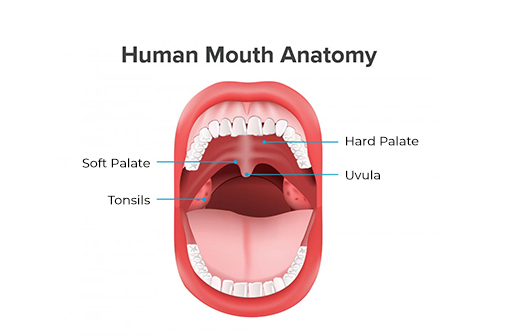
The roof of your mouth, medically known as the palate, is sensitive tissue. When it becomes inflamed or injured, the act of swallowing—which involves muscle movement and friction against the palate—can trigger significant pain. Understanding the root cause is the first step toward effective treatment.
1. Thermal Burns (Pizza Palate)
One of the most frequent culprits is a thermal burn. This occurs when you consume food or beverages that are too hot. The delicate mucous membrane on the hard and soft palate can blister or peel, leading to rawness.
- Symptoms: Redness, peeling skin, tenderness, and a burning sensation that worsens with contact.
- Common Triggers: Hot cheese, coffee, soup, or freshly baked goods.
According to dental health experts, these minor burns usually heal within three to seven days. However, during this period, swallowing can feel like sandpaper rubbing against an open wound.
2. Viral and Bacterial Infections
Infections are a primary reason for persistent pain. Conditions like strep throat, tonsillitis, or oral herpes can cause inflammation that radiates to the roof of the mouth.
- Strep Throat: Caused by Streptococcus bacteria, this infection often leads to swollen tonsils and white patches. The inflammation can extend to the soft palate, making swallowing painful.
- Herpes Simplex Virus (HSV-1): Often responsible for cold sores, HSV-1 can also cause lesions inside the mouth, including on the palate. These blisters are highly sensitive and can rupture, causing sharp pain during swallowing.
For more detailed information on how viral infections affect oral health, you can refer to resources on Oral Herpes from Wikipedia.
3. Allergic Reactions and Irritants
Sometimes, the pain is not due to injury or infection but an allergic response. Oral Allergy Syndrome (OAS) can cause itching and swelling in the mouth after eating certain raw fruits or vegetables. Additionally, harsh ingredients in toothpaste or mouthwash, such as alcohol or strong mint flavors, can irritate sensitive tissues.
| Potential Irritant | Effect on Palate | Recommended Action |
|---|---|---|
| Spicy Foods | Chemical irritation | Avoid until healed |
| Acidic Fruits | Stinging sensation | Rinse with water after eating |
| Alcohol-based Mouthwash | Drying and stinging | Switch to alcohol-free variants |
| Hard/Crunchy Foods | Physical abrasion | Stick to soft diets |
4. Dry Mouth (Xerostomia)
Saliva plays a crucial role in protecting the oral mucosa. When you have dry mouth, the lack of lubrication increases friction during swallowing. This can lead to micro-tears and general soreness in the palate. Dehydration, certain medications, and breathing through your mouth at night are common causes of xerostomia.
How to Relieve Pain in the Roof of Your Mouth
Once you have identified the likely cause, you can begin treatment. Most cases of palate pain can be managed at home with simple, effective remedies.
Step-by-Step Home Care Routine
If you are dealing with minor burns or irritation, follow this routine to accelerate healing:
- Cool Down the Area: Immediately after noticing the pain, rinse your mouth with cool water. Do not use ice directly on the tissue, as this can cause further damage. Instead, sip cold water or suck on ice chips.
- Salt Water Rinse: Mix 1 teaspoon of salt into 8 ounces (240 ml) of warm water. Swish this solution gently around your mouth for 30 seconds, then spit it out. This helps reduce inflammation and keeps the area clean. Repeat this 3–4 times a day.
- Hydrate Properly: Drink at least 2 liters of water throughout the day. Keep the temperature between 22–28°C (room temperature) to avoid triggering sensitivity. Proper hydration supports saliva production and tissue repair.
- Apply Honey: Medical-grade honey has natural antibacterial and soothing properties. Apply a small amount directly to the affected area on the roof of your mouth. Let it sit for a few minutes before swallowing.
- Avoid Aggravating Foods: For the next 48 hours, stick to a soft diet. Think yogurt, smoothies, mashed potatoes, and lukewarm soups. Avoid anything spicy, acidic, or crunchy.
Over-the-Counter Solutions
If home remedies are not enough, consider these OTC options:
- Oral Gels: Products containing benzocaine can numb the area temporarily. Use sparingly and follow package instructions.
- Pain Relievers: Non-prescription anti-inflammatories like ibuprofen can help reduce swelling and pain.
- Antihistamines: If you suspect an allergic reaction, an oral antihistamine may reduce swelling and discomfort.
When to See a Doctor
While most cases of palate pain resolve on their own, some symptoms indicate a more serious underlying issue. You should seek professional medical advice if:
- The pain persists for more than 10 days without improvement.
- You have a high fever (above 101°F or 38.3°C).
- You notice white patches, pus, or bleeding in the mouth.
- Swelling spreads to your face, neck, or eyes.
- You have difficulty breathing or swallowing liquids.
These could be signs of a severe bacterial infection, an abscess, or other conditions requiring prescription medication.
Frequently Asked Questions (FAQ)
1. Can stress cause pain in the roof of my mouth?
Indirectly, yes. High stress levels can weaken your immune system, making you more susceptible to canker sores or viral outbreaks like cold sores. Additionally, stress can lead to teeth grinding (bruxism), which may cause trauma to the palate if the tongue presses hard against the roof of the mouth during sleep.
2. Is pain in the roof of the mouth a sign of cancer?
It is rare, but persistent sores that do not heal after two weeks should be evaluated by a dentist or doctor. Oral cancer can present as non-healing ulcers, lumps, or red/white patches. However, pain in the roof of my mouth when I swallow is far more commonly caused by benign issues like burns or infections. Early detection is key, so do not ignore persistent symptoms.
3. Why does it hurt more when I eat acidic foods?
Acidic foods, such as citrus fruits, tomatoes, and vinegar-based dressings, can irritate exposed nerve endings in damaged tissue. If the protective layer of the palate is compromised due to a burn or ulcer, acid causes a chemical sting. Avoiding these foods allows the tissue to regenerate without constant irritation.
4. Can dehydration cause palate pain?
Yes. Dehydration reduces saliva production, leading to dry mouth. Without sufficient saliva, the tissues in your mouth become dry and sticky. This increases friction when you swallow, potentially causing micro-abrasions and soreness. Ensuring adequate water intake is a simple yet effective preventive measure.
5. How long does a burned palate take to heal?
A minor thermal burn typically heals within 3 to 7 days. The mouth has a rich blood supply, which promotes rapid healing. However, if the burn is severe or becomes infected, it may take up to two weeks. Keeping the area clean and avoiding further irritation is crucial for speedy recovery.
6. Should I brush my teeth if the roof of my mouth hurts?
Yes, maintaining oral hygiene is important to prevent secondary infections. However, be gentle. Use a soft-bristled toothbrush and avoid scrubbing the affected area. You might also consider switching to a mild, SLS-free (sodium lauryl sulfate) toothpaste, as SLS can sometimes irritate sensitive oral tissues.
Conclusion
Experiencing pain in the roof of my mouth when I swallow is uncomfortable, but it is rarely a cause for panic. In most cases, it is a temporary issue resulting from minor burns, mild infections, or irritation. By identifying the cause and following a consistent care routine—including salt water rinses, hydration, and dietary adjustments—you can significantly reduce discomfort and speed up healing.
Remember, your body is excellent at repairing itself, provided you give it the right environment. Listen to your body, avoid irritants, and stay hydrated. If symptoms persist beyond ten days or worsen, do not hesitate to consult a healthcare professional.
Found this guide helpful? Share it with friends or family who might be suffering from similar oral discomfort. Your share could help someone find relief today!
Leave a Reply