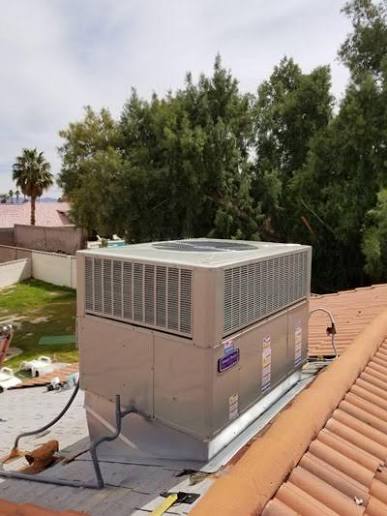
If you have ever driven through the sprawling suburbs or the bustling downtown area of Las Vegas, you have likely noticed a distinct architectural feature: large, boxy air conditioning units perched atop flat roofs. It is a sight that often puzzles visitors from cooler climates. You might find yourself asking, why are AC units on the roof in Las Vegas? The answer lies in a unique combination of extreme climate challenges, urban density, and engineering efficiency designed specifically for the Mojave Desert environment.
In this guide, we will break down the technical and practical reasons behind this common practice. Whether you are a new homeowner, a business owner, or simply curious about desert infrastructure, understanding these systems can help you appreciate the ingenuity required to keep Las Vegas cool when temperatures soar above 110°F (43°C).
Maximizing Limited Space in Urban Environments
One of the primary drivers for placing HVAC (Heating, Ventilation, and Air Conditioning) systems on the roof is land scarcity. Las Vegas has experienced explosive growth over the past few decades. As the population swells, commercial buildings, casinos, hotels, and even multi-family residential complexes are built closer together.
The Ground-Space Premium
In dense urban areas, every square foot of ground-level real estate is valuable. Placing bulky condenser units on the ground would consume parking spaces, reduce landscaping potential, or limit pedestrian walkways. By moving these units to the roof, building owners free up critical ground space for revenue-generating activities or essential amenities.
- Commercial Efficiency: Casinos and hotels need vast floor plans for gaming and hospitality. Rooftop units ensure that the interior footprint remains uncluttered.
- Residential Density: In apartment complexes, ground-level units can be noisy and obstructive. Rooftop placement keeps living areas quiet and accessible.
Superior Heat Dissipation in the Desert Climate
While it may seem counterintuitive to place heat-generating machinery under the blazing sun, rooftop placement actually offers significant thermodynamic advantages in Las Vegas’s dry climate.
Avoiding Ground-Level Heat Islands
Ground-level surfaces, such as asphalt parking lots and concrete sidewalks, absorb solar radiation throughout the day and re-radiate it as heat. This phenomenon, known as the “urban heat island effect,” means that the air near the ground is often significantly hotter than the air just 20–30 feet up.
By installing AC units on the roof:
- Access to Cooler Air: The units draw in ambient air that is slightly cooler than the ground-level air trapped between buildings.
- Better Exhaust Dispersion: Hot air expelled by the condensers dissipates more quickly into the open atmosphere rather than getting trapped in narrow alleys or courtyards.
According to basic principles of thermodynamics, hot air rises. Rooftop units leverage this natural convection, allowing waste heat to escape upward and away from the building’s intake vents, improving overall system efficiency.
Enhanced Security and Vandalism Prevention
Las Vegas is a major tourist destination with millions of visitors annually. While generally safe, high-traffic areas pose risks to exposed infrastructure. Ground-level AC units are vulnerable to theft, vandalism, and accidental damage from vehicles.
Protecting Critical Infrastructure
Rooftop placement acts as a natural security barrier.
- Theft Deterrence: Copper coils and motors are valuable targets for scrap metal thieves. Accessing them on a roof requires specialized equipment and effort, deterring opportunistic crime.
- Accidental Damage: In busy commercial districts, delivery trucks or careless drivers might strike ground-level units. Rooftop units are completely isolated from traffic hazards.
For businesses, minimizing downtime is crucial. A damaged AC unit in July can halt operations entirely. Rooftop installation reduces the risk of such disruptive incidents.
Noise Reduction for Indoor Comfort
Air conditioning compressors are noisy. In a city that never sleeps, maintaining a quiet indoor environment is essential for both residential comfort and hotel guest satisfaction.
Sound Barrier Benefits
Placing the noisiest components of the HVAC system on the roof creates a physical distance between the sound source and the occupants.
- Vertical Separation: Sound intensity decreases as it travels. By placing the unit above the occupied floors, the noise is directed upward into the sky rather than into living rooms or office spaces.
- Structural Insulation: The roof structure itself acts as a sound buffer. When combined with proper vibration isolators, rooftop units can operate nearly silently from the perspective of those inside.
This is particularly important for hotels on the Strip, where guests expect tranquility despite the chaotic energy outside.
Ease of Maintenance and Service Access
Contrary to popular belief, rooftop units can be easier for technicians to service than ground-level units tucked away in cramped mechanical rooms or fenced-in side yards.
Streamlined Repair Processes
HVAC professionals in Las Vegas are accustomed to working at heights. Rooftop units offer several logistical benefits:
- Unobstructed Access: Technicians do not need to navigate around furniture, landscaping, or parked cars.
- Centralized Location: For large commercial buildings, multiple units can be grouped on the roof, allowing a technician to service several systems in one trip without moving between different sides of the building.
- Safety Compliance: Modern roofing standards include dedicated walkways and safety anchors, ensuring that maintenance can be performed safely and efficiently.
However, it is worth noting that regular maintenance is critical. Dust and sandstorms in Las Vegas can clog filters and coils faster than in other regions. Building owners must schedule frequent cleanings to maintain optimal performance.
Comparison: Rooftop vs. Ground-Level Units in Las Vegas
To help you visualize the trade-offs, here is a quick comparison of the two installation methods in the context of the Las Vegas climate.
| Feature | Rooftop Units | Ground-Level Units |
|---|---|---|
| Space Usage | Saves valuable ground space | Consumes parking/landscaping area |
| Heat Exposure | Exposed to direct sun, but better airflow | Trapped in ground-level heat islands |
| Security | High (hard to access) | Low (vulnerable to theft/vandalism) |
| Noise Level | Quiet indoors (sound travels up) | Can be noisy if near windows/patios |
| Maintenance | Requires roof access/lifts | Easy access, but may be obstructed |
| Cost | Higher initial installation cost | Lower initial installation cost |
Understanding the Technology Behind Rooftop Units
Most rooftop units in Las Vegas are “Package Units.” Unlike split systems where the compressor is outside and the air handler is inside, a package unit contains all components in a single cabinet. This design is ideal for flat-roofed commercial buildings common in Nevada.
These units are engineered to withstand extreme temperatures. Standard AC units may struggle when ambient temperatures exceed 100°F, but units installed in Las Vegas are often rated for “high ambient” operation. They feature larger condensers and specialized compressors designed to reject heat effectively even in the scorching desert summer.
For more detailed information on how HVAC systems function thermodynamically, you can refer to the general principles outlined on Wikipedia’s Heating, Ventilation, and Air Conditioning page.
FAQ Section
1. Do rooftop AC units work harder in the summer because they are in the sun?
While they are exposed to direct sunlight, the benefit of accessing cooler upper-air currents and avoiding ground-level heat traps usually outweighs the solar gain. Additionally, modern units are insulated and designed to handle high solar loads. Proper shading structures or reflective coatings can further mitigate solar heat absorption.
2. Is it more expensive to install AC units on the roof?
Yes, the initial installation cost is typically higher due to the need for cranes, structural reinforcement of the roof, and specialized labor. However, the long-term benefits in space utilization, security, and noise reduction often provide a better return on investment for commercial properties.
3. Can residential homes in Las Vegas have rooftop AC units?
Yes, but it is less common than in commercial buildings. Single-family homes usually have pitched roofs, making rooftop installation difficult. However, some modern custom homes with flat architectural designs do utilize rooftop package units, especially if lot size is small.
4. How does sand and dust affect rooftop AC units in Las Vegas?
Sand and dust can clog coils and filters, reducing efficiency and potentially causing overheating. This is why quarterly maintenance is highly recommended in Las Vegas. Technicians will clean the coils and replace filters to ensure the system runs smoothly despite the dusty environment.
5. What happens if a rooftop unit leaks?
Roof penetrations for HVAC units are sealed with flashing and waterproof membranes. If a leak occurs, it is usually due to degraded sealing material rather than the unit itself. Regular roof inspections alongside HVAC maintenance can prevent water damage to the building interior.
Conclusion
So, why are AC units on the roof in Las Vegas? It is not just a matter of tradition; it is a strategic response to the city’s unique environmental and urban challenges. From maximizing valuable real estate and enhancing security to leveraging cooler upper-air temperatures and reducing noise pollution, rooftop HVAC systems offer a comprehensive solution for keeping the desert city comfortable.
As Las Vegas continues to grow and temperatures rise due to climate change, the efficiency and resilience of these rooftop systems will remain vital. If you found this explanation helpful, please share it with your friends or colleagues who are curious about desert living! Understanding our infrastructure helps us appreciate the engineering marvels that make life in the Mojave Desert possible.
Leave a Reply