Finding a strange bump in your mouth can be alarming. You might run your tongue over it, wondering if it’s serious or just a temporary irritation. If you are asking, “What is a lump on the roof of your mouth,” you are not alone. This guide breaks down the most common causes, treatments, and warning signs so you can find peace of mind.
Understanding the Palate: Where Did This Lump Come From?
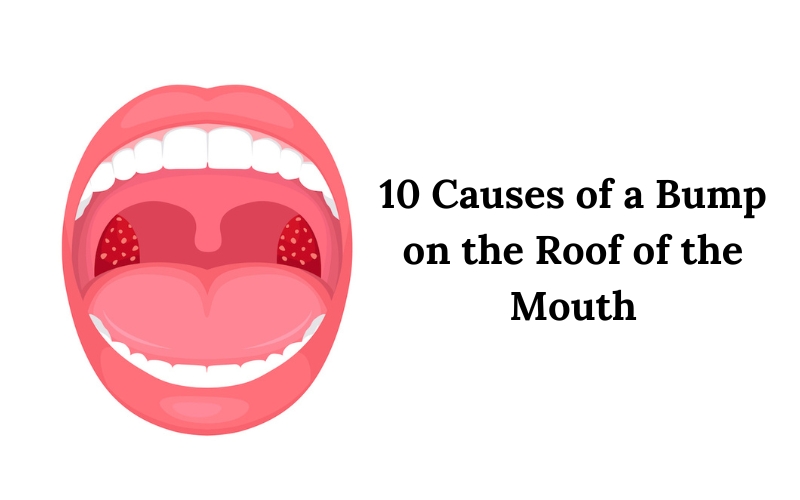
The roof of your mouth is medically known as the palate. It is divided into two sections:
- The Hard Palate: The bony front part behind your upper teeth.
- The Soft Palate: The muscular back part near your throat.
Lumps can appear on either section. While many are harmless and resolve on their own, some require professional attention. Understanding the location and texture of the lump helps narrow down the cause.
According to general medical consensus, oral lesions are quite common. For a deeper understanding of oral anatomy and pathology, you can refer to resources like Wikipedia’s entry on the human mouth to understand the complex tissue structures involved.
Common Causes of Lumps on the Roof of Your Mouth
1. Canker Sores (Aphthous Ulcers)
Canker sores are small, shallow lesions that develop on the soft tissues in your mouth or at the base of your gums. Unlike cold sores, they don’t occur on the surface of your lips and aren’t contagious.
- Appearance: White or yellow center with a red border.
- Sensation: Painful, especially when eating acidic or spicy foods.
- Duration: Usually heals within 1–2 weeks without treatment.
2. Torus Palatinus
This is a bony growth on the hard palate. It is a benign condition, meaning it is not cancerous.
- Who gets it? It is more common in adults and can be hereditary.
- Symptoms: Often painless and hard to the touch. It grows slowly over years.
- Treatment: Rarely needs removal unless it interferes with denture fitting or speech.
3. Mucocele (Mucous Cyst)
A mucocele is a fluid-filled swelling that occurs when a salivary gland becomes blocked or damaged.
- Cause: Often caused by accidental biting or trauma to the mouth.
- Appearance: Bluish or clear, soft, and round.
- Location: More common on the lower lip but can appear on the palate.
- Outcome: Many rupture and heal on their own, but persistent ones may need minor surgical removal.
4. Oral Thrush (Candidiasis)
This is a fungal infection caused by an overgrowth of Candida yeast.
- Risk Factors: Antibiotic use, diabetes, weakened immune system, or wearing dentures.
- Appearance: Creamy white lesions that can bleed slightly when scraped.
- Sensation: May cause a cotton-like feeling in the mouth or loss of taste.
5. Burn Injury (Pizza Palate)
Yes, this is a real term! Eating food that is too hot can burn the delicate tissue on the roof of your mouth.
- Symptoms: Redness, blistering, or a raw sensation.
- Healing: The mouth heals quickly, usually within 3–7 days.
6. Nasopalatine Duct Cyst
This is a rare, non-cancerous cyst that forms in the midline of the hard palate.
- Cause: Developmental issue where tissue remains from fetal development.
- Symptoms: Often asymptomatic but can cause swelling or discharge if infected.
- Diagnosis: Requires X-ray or CT scan for confirmation.
When Should You Worry? Red Flags to Watch For
Not every lump is a cause for panic, but some symptoms warrant immediate professional evaluation. Use this checklist to assess your situation:
| Symptom | Action Required |
|---|---|
| Lump persists for more than 2 weeks | See a Dentist |
| Rapid growth in size | See a Doctor Immediately |
| Bleeding without obvious cause | Seek Medical Advice |
| Difficulty swallowing or breathing | Emergency Care |
| Numbness in the mouth or face | Consult a Specialist |
| Unexplained weight loss | Medical Evaluation Needed |
If you experience any of the “Red Flag” symptoms above, do not wait. Early detection is key for effective treatment, especially if the underlying cause is more serious.
How Are Lumps on the Roof of the Mouth Diagnosed?
When you visit a dentist or doctor, they will perform a thorough examination. Here is what you can expect:
- Visual Inspection: The provider will look at the size, color, and location of the lump.
- Palpation: They will gently feel the lump to determine if it is hard, soft, fixed, or movable.
- Medical History: Expect questions about your diet, recent injuries, smoking habits, and overall health.
- Imaging: If the lump is deep or bony, an X-ray or CBCT scan may be ordered.
- Biopsy: If the lesion looks suspicious, a small tissue sample may be taken for lab analysis. This is the only way to definitively rule out oral cancer.
Treatment Options Based on Cause
Treatment depends entirely on the diagnosis. Here is a breakdown of common approaches:
Home Remedies for Minor Irritations
For canker sores, minor burns, or small mucoceles, you can try:
- Salt Water Rinses: Mix 1 teaspoon of salt in a glass of warm water. Rinse 2–3 times daily to reduce inflammation.
- Avoid Irritants: Stay away from spicy, acidic, or crunchy foods until healed.
- Over-the-Counter Gels: Use oral numbing gels containing benzocaine for pain relief.
- Cold Compresses: Suck on ice chips to numb the area and reduce swelling from burns.
Professional Treatments
- Antifungal Medication: Prescribed for oral thrush (e.g., nystatin or fluconazole).
- Surgical Removal: Recommended for large torus palatinus, persistent mucoceles, or nasopalatine duct cysts.
- Antibiotics: Used if the lump is caused by a bacterial abscess or infected cyst.
- Radiation/Chemotherapy: Only required if the lump is diagnosed as malignant (oral cancer).
Prevention Tips: Keeping Your Palate Healthy
Preventing oral lumps isn’t always possible, but you can reduce your risk:
- Maintain Oral Hygiene: Brush twice daily and floss once a day to prevent infections.
- Stay Hydrated: Dry mouth increases the risk of thrush and irritation. Drink plenty of water.
- Quit Smoking: Tobacco use is a major risk factor for oral cancer and delayed healing.
- Eat a Balanced Diet: Ensure you get enough Vitamin B12, iron, and folate to prevent canker sores.
- Be Careful with Hot Foods: Let your pizza or coffee cool for a few minutes before consuming.
FAQ Section
1. Can stress cause lumps on the roof of my mouth?
Stress does not directly cause lumps, but it can weaken your immune system, making you more susceptible to canker sores and oral thrush. Stress management is a key part of overall oral health.
2. Is a lump on the roof of my mouth always cancer?
No. The vast majority of lumps are benign (non-cancerous), such as canker sores, cysts, or bony growths. However, any lump that persists for more than two weeks should be checked by a professional to rule out malignancy.
3. How long does it take for a burn on the roof of the mouth to heal?
Minor thermal burns typically heal within 3 to 7 days. The mouth has a rich blood supply, which aids in rapid tissue regeneration. Avoid hot or spicy foods during this period to prevent re-injury.
4. Can I pop a mucocele myself?
It is strongly advised not to pop a mucocele yourself. Doing so can introduce bacteria, leading to infection, and the cyst is likely to return because the salivary gland duct remains blocked. A dentist can remove it safely if necessary.
5. What vitamin deficiency causes mouth sores?
Deficiencies in Vitamin B12, iron, zinc, and folate are commonly linked to recurrent canker sores. If you suffer from frequent sores, consider asking your doctor for a blood test to check your nutrient levels.
6. Does a torus palatinus go away on its own?
No, a torus palatinus is a bony growth and will not disappear without surgical intervention. However, since it is benign and usually painless, removal is only recommended if it causes functional issues.
Conclusion
Discovering a lump on the roof of your mouth can be unsettling, but knowledge is power. In most cases, these lumps are harmless conditions like canker sores, minor burns, or benign cysts that resolve with time and simple home care. However, staying vigilant is crucial.
Remember the two-week rule: If a lump doesn’t heal within two weeks, or if it changes in size, color, or texture, schedule an appointment with your dentist or doctor. Early intervention ensures the best outcomes for your oral health.
Found this guide helpful? Share it with friends and family on social media to help them stay informed about their oral health. Your next share could help someone else find the answers they need!
Leave a Reply