Replacing a commercial roof is one of the most significant capital expenditures a business owner or facility manager will face. It is not just about shingles and sealants; it is about protecting your assets, ensuring employee safety, and maintaining operational continuity. If you are currently staring at leaks or aging materials, you are likely asking the critical question: How Much Does It Cost To Replace A Commercial Roof?
The answer is rarely a single number, but understanding the variables can save you thousands. In this guide, we will break down the current market rates for 2026, explore the factors that drive prices up or down, and help you make an informed decision that aligns with your financial strategy.
Understanding the Average Cost Range in 2026
When planning your budget, it is essential to look at industry averages while recognizing that every building is unique. As of late 2026, the cost to replace a commercial roof typically ranges between $5.00 and $12.00 per square foot.
For a standard 20,000-square-foot warehouse or office building, this translates to a total project cost between $100,000 and $240,000. However, these figures can fluctuate based on material choices, geographic location, and the complexity of the existing structure.
It is crucial to note that “replacement” differs significantly from “repair.” While minor repairs might cost a few thousand dollars, a full replacement involves stripping the old layers (tear-off), inspecting the deck, and installing a entirely new system. According to recent industry reports, labor costs have stabilized after the post-pandemic spikes, but material costs for high-quality polymers and metals remain elevated due to supply chain adjustments.
Key Factors That Influence Your Final Bill
Why does one quote come in at $6 per square foot while another hits $15? Several dynamic factors play a role. Understanding these will help you negotiate better and avoid surprise charges.
1. Roofing Material Selection
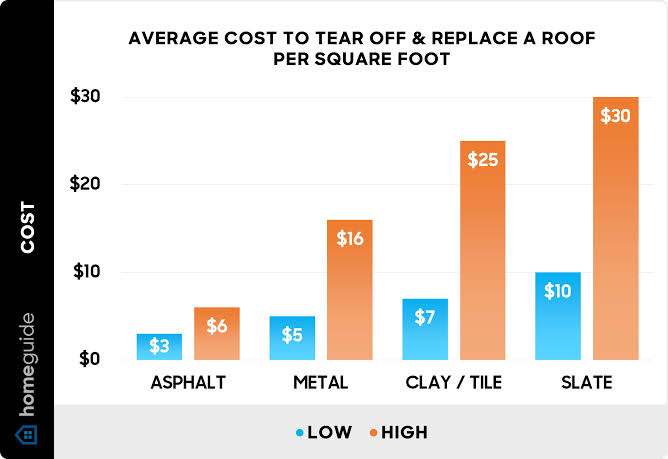
The type of membrane or material you choose is the biggest cost driver. Here is a quick comparison of popular options:
- TPO (Thermoplastic Polyolefin): Known for its heat-reflective properties and durability. It is mid-range in price and highly popular for energy efficiency.
- EPDM (Ethylene Propylene Diene Monomer): A synthetic rubber roofing material. It is generally cheaper upfront but may have higher long-term maintenance costs if not installed correctly.
- PVC (Polyvinyl Chloride): Excellent for chemical resistance and fire ratings. It tends to be on the higher end of the price spectrum.
- Modified Bitumen: A multi-layered system often used on flat roofs. It is durable but labor-intensive to install, which can increase labor costs.
2. Roof Size and Complexity
Contractors measure commercial roofs in “squares” (100 square feet). The larger the roof, the lower the cost per square foot often becomes due to economies of scale. However, complexity adds cost. A simple, large, rectangular box store is cheaper to roof than a hospital with multiple HVAC units, skylights, parapet walls, and intricate drainage systems.
3. Tear-Off vs. Overlay
Do you need to remove the old roof?
- Tear-Off: Removing existing layers down to the deck. This is more expensive but allows for a thorough inspection of the structural deck and ensures the new warranty is valid.
- Overlay: Installing new material over the old. This is cheaper and faster but adds weight to the structure and may void manufacturer warranties if the underlying layer is compromised.
4. Geographic Location and Labor Rates
Labor costs vary significantly across the United States. Roofing in major metropolitan areas like New York or San Francisco will naturally command higher labor rates than in rural Midwest regions. Additionally, local building codes may require specific wind uplift ratings or insulation values, impacting material costs.
Breakdown of Costs: Materials vs. Labor
To understand where your money goes, let’s look at a typical cost distribution for a standard TPO roof replacement.
| Cost Component | Percentage of Total Budget | Description |
|---|---|---|
| Materials | 40–50% | Membranes, insulation, adhesives, flashings. |
| Labor | 30–40% | Skilled crew wages, equipment operation, safety gear. |
| Overhead & Profit | 15–20% | Insurance, licensing, contractor margin. |
| Permits & Fees | 5% | Local municipal permits and inspections. |
Note: These percentages are estimates. Always request a detailed line-item quote from your contractor.
Hidden Costs You Might Not Expect
Beyond the base quote, several ancillary costs can arise. Being aware of them helps prevent budget overruns.
- Deck Repair: Once the old roof is removed, rotting wood or rusted steel decking may be revealed. Repairing the structural deck is charged separately and can add $1–$3 per square foot depending on severity.
- HVAC Relocation: If rooftop units obstruct the installation, they may need to be temporarily moved or protected, requiring specialized HVAC technicians.
- Disposal Fees: Dumping old roofing materials incurs landfill fees, which have risen in many states due to environmental regulations.
- Insulation Upgrades: Modern energy codes often require higher R-values than older buildings possess. Upgrading insulation during replacement is a smart long-term move but increases initial costs.
Step-by-Step Guide to Getting an Accurate Quote
Getting a fair price requires preparation. Follow these steps to ensure you receive comparable and accurate bids.
- Gather Existing Documentation: Locate previous roof plans, warranty information, and repair history. This helps contractors understand the building’s history.
- Define Your Scope: Decide if you want a full tear-off or an overlay. Clarify if you want to upgrade insulation or add solar-ready infrastructure.
- Request Multiple Bids: Aim for at least three detailed quotes from licensed and insured contractors. Ensure they are bidding on the same specifications (same material thickness, same insulation R-value).
- Check References and Reviews: Look for contractors with experience in your specific building type. Ask for references from projects completed in the last two years.
- Review the Warranty: Understand the difference between a material warranty (from the manufacturer) and a workmanship warranty (from the installer). A strong contractor will offer both.
For more detailed information on roofing standards and material specifications, you can refer to general construction guidelines available on Wikipedia.
FAQ: Common Questions About Commercial Roof Replacement
1. How long does a commercial roof replacement take?
The timeline depends on the size and complexity of the roof. A small 10,000 sq. ft. roof might take 3–5 days, while a large industrial complex could take 2–4 weeks. Weather delays are common, so always build buffer time into your schedule.
2. Can I replace my roof in sections?
Yes, phased replacements are possible and often necessary for businesses that cannot shut down operations. However, this approach may cost slightly more due to repeated mobilization of crews and equipment, and it requires careful planning to ensure water tightness between phases.
3. Does a new roof increase property value?
Absolutely. A new commercial roof with a transferable warranty is a significant selling point. It assures potential buyers or tenants that they will not face immediate capital expenditures, thereby increasing the asset’s marketability and value.
4. What is the lifespan of a commercial roof?
Most modern commercial roofing systems last between 15 and 30 years. TPO and PVC membranes typically last 20–25 years, while metal roofs can last 30+ years with proper maintenance. Regular inspections and maintenance are key to reaching the maximum lifespan.
5. Are there tax incentives for replacing a commercial roof?
In the US, certain energy-efficient roofing upgrades may qualify for tax deductions under Section 179D or other local green building incentives. Specifically, improving insulation or using reflective coatings can contribute to energy savings that qualify for benefits. Consult with a tax professional for specifics related to your project.
Conclusion
So, how much does it cost to replace a commercial roof? While the average ranges from $5 to $12 per square foot, your specific cost will depend on materials, structural conditions, and local labor rates. Investing in a high-quality replacement is not just an expense; it is a strategic move that protects your business operations, enhances energy efficiency, and boosts property value.
Don’t let the sticker shock deter you from necessary maintenance. Instead, use this knowledge to solicit detailed, apples-to-apples quotes from reputable contractors. Remember, the cheapest bid is not always the best value when it comes to the integrity of your building.
Found this guide helpful? Share it with your facility management team or business partners on LinkedIn or Twitter to help them navigate their next roofing project with confidence!
Leave a Reply