Tag: Roof Replacement Budget

  • How Much Does It Cost To Get A Tin Roof?

    How Much Does It Cost To Get A Tin Roof?

    Are you staring at your aging shingles and wondering if switching to metal is worth the investment? You are not alone; many homeowners are making the switch for durability, but the upfront price tag can be intimidating. If you are asking, “How much does it cost to get a tin roof,“ you have come to the right place to break down the numbers clearly and honestly.

    In this guide, we will dissect the real costs associated with installing a tin (metal) roof in 2026. We will move beyond vague estimates to provide you with actionable data, helping you make an informed decision that balances your budget with long-term value.

    Understanding the True Cost of Tin Roofing

    When homeowners ask about the cost of a tin roof, they are often surprised to learn that “tin” is a colloquial term. Modern residential roofs are rarely made of pure tin. Instead, they are typically made of steel coated with zinc (galvanized) or a mixture of zinc and aluminum (Galvalume), often finished with a protective paint system.

    Understanding this distinction is crucial because the material quality directly impacts the price. In 2026, the national average cost to install a metal roof ranges significantly based on materials and labor complexity.

    Average Cost Breakdown by Square Footage

    To give you a realistic expectation, here is a general pricing structure for professional installation in the United States:

    • Low-End (Corrugated Steel Panels): $7.50 – $10.50 per square foot.
    • Mid-Range (Standing Seam Aluminum/Steel): $12.00 – $18.00 per square foot.
    • High-End (Copper or Zinc Alloy): $20.00 – $35.00+ per square foot.

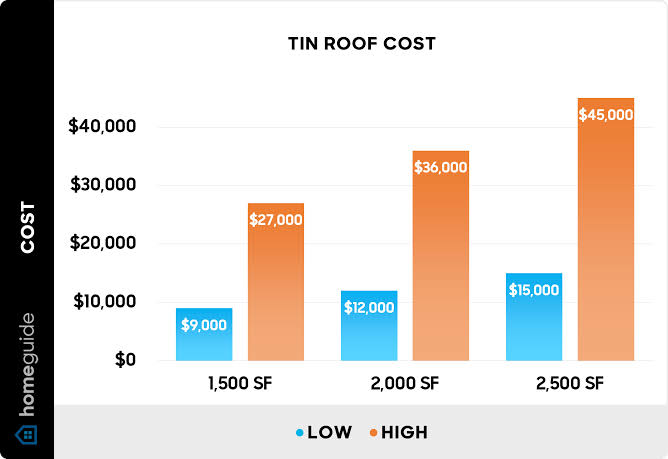
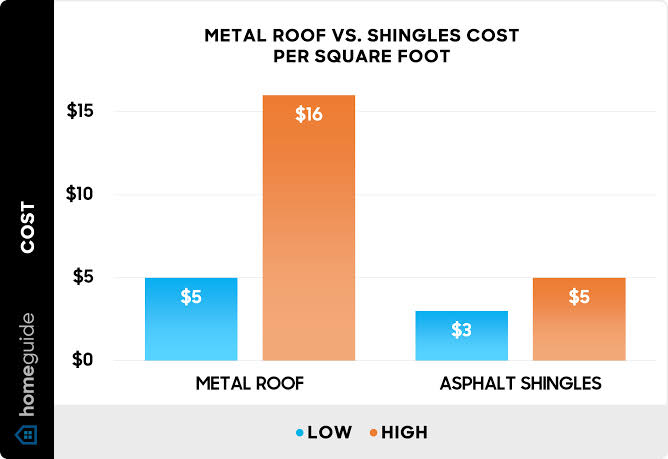
    For an average-sized home of 2,000 square feet, you can expect the total project cost to fall between $15,000 and $36,000. While this is higher than traditional asphalt shingles (which typically cost $4–$7 per square foot installed), the lifespan difference is monumental.

    What Factors Influence the Price of a Metal Roof?

    Several variables can cause your final quote to fluctuate. Understanding these factors will help you negotiate better with contractors and avoid hidden fees.

    1. Material Type and Gauge

    Not all metal is created equal. The “gauge” refers to the thickness of the metal. A lower gauge number means thicker, more durable metal.

    • 29-Gauge: Thinner, less expensive, prone to denting. Best for sheds or low-traffic areas.
    • 26-Gauge: The standard for most residential homes. Good balance of cost and durability.
    • 24-Gauge: Thicker, heavier, and more expensive. Ideal for areas with heavy hail or snow loads.

    2. Roof Complexity and Pitch

    A simple gable roof is far cheaper to install than a roof with multiple valleys, dormers, chimneys, and skylights. Steeper pitches also require more safety equipment and labor time, increasing the cost. Contractors often charge a premium for roofs with a pitch greater than 6:12.

    3. Removal of Old Roofing

    Does your old roof need to come off? Most local building codes allow for one layer of existing shingles to remain under the new metal roof, which can save you $1,000–$3,000 in disposal and labor fees. However, if there is rot or structural damage, a full tear-off is mandatory, adding to the total cost.

    4. Geographic Location

    Labor rates vary wildly across the US. Installing a roof in rural Ohio will generally cost less than in San Francisco or New York City due to differences in union labor rates, insurance costs, and local demand.
    How Much Does It Cost To Get A Tin Roof

    Tin Roof vs. Shingles: A Cost-Benefit Analysis

    Many homeowners hesitate because of the initial sticker shock. However, when you look at the lifecycle cost, metal often wins. Let’s compare the two over a 50-year period.

    FeatureAsphalt ShinglesMetal (Tin) Roof
    Initial CostLow ($4–$7/sq. ft.)High ($7–$18+/sq. ft.)
    Lifespan15–25 years40–70+ years
    MaintenanceModerate (prone to wind/algae)Low (occasional inspection)
    Energy EfficiencyStandardHigh (reflects solar heat)
    Resale ValueNeutralIncreases home value
    Replacements Needed2–3 times in 50 years0–1 times in 50 years

    Note: Over 50 years, you might spend $15,000 initially on metal, whereas you could spend $12,000 initially on shingles, plus another $12,000–$15,000 to replace them twice. The metal roof becomes the cheaper option in the long run.

    Step-by-Step: How to Budget for Your Project

    If you are ready to move forward, follow these steps to ensure you get a fair price and high-quality work.

    1. Measure Your Roof Area: Use online satellite tools or hire a pro to get an accurate square footage measurement. Remember, roofing is measured in “squares” (100 sq. ft.).
    2. Choose Your Profile: Decide between exposed fastener (cheaper, industrial look) and standing seam (expensive, sleek, hidden fasteners). Standing seam is recommended for residential homes due to better leak protection.
    3. Get Three Quotes: Never accept the first bid. Ensure each contractor is licensed, insured, and has specific experience with metal roofing.
    4. Check for Warranties: Look for a manufacturer’s warranty on the paint finish (usually 20–40 years) and a separate workmanship warranty from the installer (usually 5–10 years).
    5. Verify Substrate Requirements: Metal roofs often require specific underlayment. Ensure your quote includes high-quality synthetic underlayment, not just felt paper.

    For more detailed technical specifications on metal alloys and their properties, you can refer to this comprehensive resource on Metal Alloys and Properties to understand what you are buying.

    Frequently Asked Questions (FAQ)

    1. Is a tin roof louder than shingles during rain?

    This is a common myth. When installed correctly with solid sheathing (plywood or OSB) and proper insulation, a metal roof is no louder than a shingle roof. In fact, many homeowners find the sound of rain on metal to be soothing rather than noisy. The key is ensuring there is an air gap or solid deck beneath the metal panels.

    2. Does a tin roof attract lightning?

    No, metal roofs do not attract lightning. Lightning strikes are determined by height and location, not material. However, if a house is struck, a metal roof is non-combustible and can actually dissipate the energy safely, reducing the risk of fire compared to wood shingles.

    3. Can I walk on my tin roof?

    It is not recommended. Walking on metal panels can cause dents, especially if they are thinner gauges (29 or 26). It can also void your warranty if you damage the protective coating. If maintenance is required, hire a professional who knows how to walk on metal roofs without causing damage.

    4. How long does it take to install a tin roof?

    For an average-sized home (2,000 sq. ft.), a professional crew can typically complete the installation in 2 to 4 days. This is often faster than shingle replacement because metal panels cover larger areas quickly. However, complex roofs with many penetrations (vents, chimneys) may take longer.

    5. Will a metal roof interfere with my cell phone or Wi-Fi signal?

    Generally, no. While metal can block radio waves, modern homes have signals entering through windows and other non-metallic parts of the structure. Most homeowners report no noticeable change in signal strength after switching to a metal roof. If you have a dedicated outdoor antenna, ensure it is mounted correctly.

    Conclusion

    So, how much does it cost to get a tin roof? While the initial investment of $15,000 to $36,000 for an average home is significant, it is essential to view it as a long-term asset rather than just an expense. With a lifespan that can exceed 50 years, minimal maintenance requirements, and potential energy savings, a metal roof offers unparalleled value.

    By choosing the right gauge, profile, and installer, you can protect your home for decades while boosting its curb appeal and resale value. Don’t let the upfront cost deter you from a solution that could save you money in the long run.

    Found this guide helpful? Share it with your friends on Facebook or Pinterest who are also considering a roof upgrade! If you have more questions about specific metal types, leave a comment below—we love hearing from our readers.
  • Shingle Roof Cost Per Sq Ft: 2026 Price Guide

    Shingle Roof Cost Per Sq Ft: 2026 Price Guide

    Replacing a roof is one of the most significant home improvement investments you will ever make. It protects your family, enhances curb appeal, and significantly impacts your property’s resale value. However, staring at a blank checkbook can be stressful if you don’t know what to expect. If you are asking, “How Much Does A Shingle Roof Cost Per Square Foot,” you are in the right place to find clear, actionable answers.

    In this guide, we will break down the current market rates for 2026, explain the hidden factors that influence pricing, and help you avoid common budgeting pitfalls. Whether you are dealing with storm damage or simply upgrading an aging home, understanding these costs empowers you to negotiate better with contractors.

    Understanding the Basics: What Is a “Square” in Roofing?

    Before we dive into the dollar amounts, it is crucial to understand how roofing professionals measure area. In the construction industry, contractors do not typically quote by the individual square foot of your home’s footprint. Instead, they use a unit called a “roofing square.”

    One roofing square equals 100 square feet of roof area.

    This distinction is vital because your roof’s surface area is almost always larger than your home’s floor plan due to pitch, overhangs, and complex angles. When you see a price quoted as “$5.00 per square foot,” it usually refers to the actual surface area of the roof, not the ground floor. Always clarify this with your contractor to ensure you are comparing apples to apples.

    Current Average Costs for Shingle Roofs in 2026

    So, what is the bottom line? As of late 2026, the cost to install a new asphalt shingle roof varies based on quality and location. However, national averages provide a solid baseline for budgeting.

    Breakdown by Material Type

    Asphalt shingles remain the most popular choice in the United States due to their balance of affordability and durability. Here is the typical cost range per square foot (installed):

    Shingle TypeCost Per Sq. Ft. (Installed)LifespanBest For
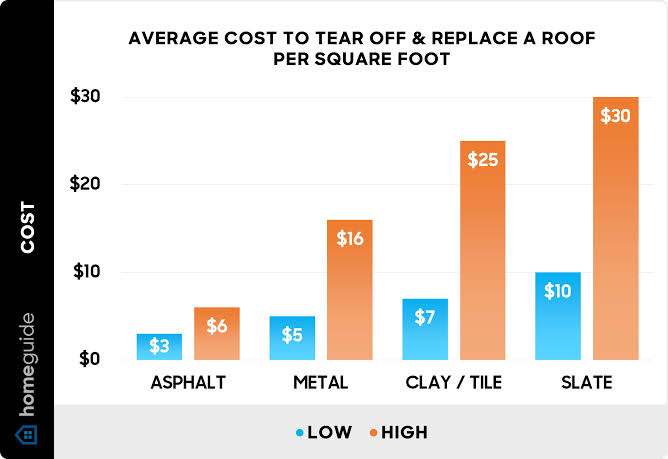
    3-Tab Asphalt$4.50 – $6.5015–20 YearsBudget-conscious homeowners
    Architectural$6.50 – $9.5025–30 YearsMost residential homes
    Premium/Luxury$9.50 – $14.00+30–50 YearsHigh-end aesthetics & durability

    Note: These prices include materials, labor, underlayment, and basic disposal fees.

    While 3-tab shingles are the cheapest option, architectural shingles (also known as dimensional shingles) have become the industry standard. They offer better wind resistance, a more textured look, and longer warranties, making them the best value for most US homeowners.

    Key Factors That Influence Your Final Bill

    If you receive two quotes that differ by thousands of dollars, it is rarely due to arbitrary pricing. Several specific variables drive the final cost. Understanding these will help you interpret your estimates accurately.

    1. Roof Pitch and Complexity

    A simple, low-pitch gable roof is the easiest and cheapest to install. However, if your home has multiple valleys, dormers, chimneys, or a steep pitch, labor costs increase significantly. Steep roofs require special safety equipment and more time to navigate, which drives up the labor portion of the bill.

    2. Geographic Location

    Labor rates and material availability vary wildly across the US. For instance, roofing in urban areas like New York City or San Francisco will naturally cost more due to higher operational costs and union labor standards compared to rural areas in the Midwest. Additionally, regions prone to hurricanes may require impact-resistant shingles, which carry a premium price tag.

    3. Removal of Old Roofing

    Does your quote include “tear-off”? Removing old shingles is labor-intensive and generates significant waste disposal fees. Most contractors charge between $1.00 and $2.50 per square foot just for removal and disposal. While some codes allow installing new shingles over old ones (overlay), this is generally discouraged as it hides potential deck damage and voids many manufacturer warranties.

    4. Underlayment and Deck Repair

    The shingles are only the visible part of the system. The water-resistant barrier underneath (underlayment) is critical. Synthetic underlayment costs more than traditional felt but offers superior protection. Furthermore, once the old roof is off, contractors may find rotten plywood decking. Replacing decking typically costs $75–$100 per sheet of plywood, an unexpected expense that should be accounted for in your contingency fund.

    How Much Does A Shingle Roof Cost Per Square Foot

    Labor vs. Materials: Where Does the Money Go?

    A common misconception is that the shingles themselves are the most expensive part of the job. In reality, labor often accounts for 60% to 70% of the total project cost.

    According to industry data, the material cost for standard architectural shingles might only be $2.50–$4.00 per square foot. The rest covers:

    • Skilled labor wages
    • Insurance and licensing
    • Waste disposal dumpsters
    • Equipment (cranes, nail guns, safety harnesses)
    • Contractor overhead and profit margin

    This is why hiring the cheapest bidder can be risky. Low bids often indicate cut corners on safety, insurance, or the quality of the underlayment and flashing materials.

    Step-by-Step: How to Estimate Your Roof Cost

    Want to get a rough idea before calling contractors? Follow these steps to create a preliminary budget.

    1. Measure Your Home’s Footprint: Measure the length and width of your home’s exterior walls. Multiply these to get the ground area.
    2. Adjust for Pitch: Use a pitch multiplier. For a moderate pitch (6/12), multiply your ground area by 1.12. For steeper roofs, the multiplier increases.
      • Example: A 2,000 sq. ft. home with a moderate pitch has roughly 2,240 sq. ft. of roof area.
    3. Convert to Squares: Divide the total roof area by 100.
      • 2,240 / 100 = 22.4 squares.
    4. Apply Average Cost: Multiply the number of squares by the average cost per square foot for your chosen shingle type.
      • 22.4 squares x 100 sq. ft. x $7.50 (avg mid-range) = ~$16,800.

    Remember, this is a rough estimate. Always add a 10–15% contingency for unexpected repairs or waste factors.

    Why Quality Installation Matters More Than Shingle Brand

    You can buy the most expensive luxury shingles on the market, but if they are installed incorrectly, they will fail prematurely. Proper installation involves correct nailing patterns, adequate ventilation, and precise flashing around penetrations like vents and chimneys.

    For a deeper understanding of roofing materials and their historical development, you can refer to general construction resources such as Wikipedia’s entry on Roofing. This external source provides context on how modern asphalt shingles evolved from earlier organic materials, highlighting why today’s fiberglass-based mats offer superior fire resistance and durability.

    Investing in a certified installer who follows manufacturer specifications ensures your warranty remains valid. Many major manufacturers now offer enhanced warranties that cover both materials and labor, but only if installed by their certified partners.

    Frequently Asked Questions (FAQ)

    1. Can I save money by installing shingles myself?

    While DIY projects can save on labor, roofing is dangerous and technically complex. Mistakes in flashing or ventilation can lead to leaks that cause thousands of dollars in interior damage. Most manufacturers also void warranties if the roof is not installed by a certified professional. For most homeowners, the risk outweighs the savings.

    2. How long does a shingle roof replacement take?

    For an average-sized single-family home (20–30 squares), a professional crew can typically complete the job in 1 to 3 days. Weather conditions and the complexity of the roof design are the primary factors that can extend this timeline.

    3. Is it cheaper to repair or replace my roof?

    If less than 30% of your roof is damaged and it is under 15 years old, repairs may be cost-effective. However, if your roof is nearing the end of its lifespan or has widespread granule loss, replacement is more economical in the long run. Constant repairs add up quickly and do not address underlying deck issues.

    4. Do insurance companies cover roof replacement?

    Homeowners insurance typically covers roof replacement if the damage is caused by a sudden, covered peril such as hail, windstorms, or falling trees. They generally do not cover wear and tear or age-related deterioration. Check your policy’s “Actual Cash Value” vs. “Replacement Cost Value” clauses, as this significantly affects your payout.

    5. What is the best time of year to replace a roof?

    Late spring through early fall is the peak season, meaning prices may be higher due to demand. However, scheduling in the shoulder seasons (late fall or early spring) can sometimes yield better pricing and faster scheduling, provided the weather permits safe installation. Avoid winter installations in cold climates, as shingles become brittle and sealants may not adhere properly.

    Conclusion

    Knowing how much does a shingle roof cost per square foot is the first step toward a successful home improvement project. In 2026, you can expect to pay between $4.50 and $9.50 per square foot for a quality architectural shingle roof, depending on your location and roof complexity.

    Remember, the lowest bid is not always the best value. Prioritize contractors with strong local reputations, proper insurance, and manufacturer certifications. A well-installed roof provides peace of mind and protects your biggest asset for decades to come.

    Found this guide helpful? Share it with friends or neighbors who are planning their own home upgrades on social media! Let’s help everyone make informed decisions about their homes.

  • How Much Does It Cost To Replace A Commercial Roof?

    How Much Does It Cost To Replace A Commercial Roof?

    Replacing a commercial roof is one of the most significant capital expenditures a business owner or facility manager will face. It is not just about shingles and sealants; it is about protecting your assets, ensuring employee safety, and maintaining operational continuity. If you are currently staring at leaks or aging materials, you are likely asking the critical question: How Much Does It Cost To Replace A Commercial Roof?

    The answer is rarely a single number, but understanding the variables can save you thousands. In this guide, we will break down the current market rates for 2026, explore the factors that drive prices up or down, and help you make an informed decision that aligns with your financial strategy.

    Understanding the Average Cost Range in 2026

    When planning your budget, it is essential to look at industry averages while recognizing that every building is unique. As of late 2026, the cost to replace a commercial roof typically ranges between $5.00 and $12.00 per square foot.

    For a standard 20,000-square-foot warehouse or office building, this translates to a total project cost between $100,000 and $240,000. However, these figures can fluctuate based on material choices, geographic location, and the complexity of the existing structure.

    It is crucial to note that “replacement” differs significantly from “repair.” While minor repairs might cost a few thousand dollars, a full replacement involves stripping the old layers (tear-off), inspecting the deck, and installing a entirely new system. According to recent industry reports, labor costs have stabilized after the post-pandemic spikes, but material costs for high-quality polymers and metals remain elevated due to supply chain adjustments.

    Key Factors That Influence Your Final Bill

    Why does one quote come in at $6 per square foot while another hits $15? Several dynamic factors play a role. Understanding these will help you negotiate better and avoid surprise charges.

    1. Roofing Material Selection

    The type of membrane or material you choose is the biggest cost driver. Here is a quick comparison of popular options:

    • TPO (Thermoplastic Polyolefin): Known for its heat-reflective properties and durability. It is mid-range in price and highly popular for energy efficiency.
    • EPDM (Ethylene Propylene Diene Monomer): A synthetic rubber roofing material. It is generally cheaper upfront but may have higher long-term maintenance costs if not installed correctly.
    • PVC (Polyvinyl Chloride): Excellent for chemical resistance and fire ratings. It tends to be on the higher end of the price spectrum.
    • Modified Bitumen: A multi-layered system often used on flat roofs. It is durable but labor-intensive to install, which can increase labor costs.

    2. Roof Size and Complexity

    Contractors measure commercial roofs in “squares” (100 square feet). The larger the roof, the lower the cost per square foot often becomes due to economies of scale. However, complexity adds cost. A simple, large, rectangular box store is cheaper to roof than a hospital with multiple HVAC units, skylights, parapet walls, and intricate drainage systems.

    3. Tear-Off vs. Overlay

    Do you need to remove the old roof?

    • Tear-Off: Removing existing layers down to the deck. This is more expensive but allows for a thorough inspection of the structural deck and ensures the new warranty is valid.
    • Overlay: Installing new material over the old. This is cheaper and faster but adds weight to the structure and may void manufacturer warranties if the underlying layer is compromised.

    4. Geographic Location and Labor Rates

    Labor costs vary significantly across the United States. Roofing in major metropolitan areas like New York or San Francisco will naturally command higher labor rates than in rural Midwest regions. Additionally, local building codes may require specific wind uplift ratings or insulation values, impacting material costs.

    How Much Does It Cost To Replace A Commercial Roof

    Breakdown of Costs: Materials vs. Labor

    To understand where your money goes, let’s look at a typical cost distribution for a standard TPO roof replacement.

    Cost ComponentPercentage of Total BudgetDescription
    Materials40–50%Membranes, insulation, adhesives, flashings.
    Labor30–40%Skilled crew wages, equipment operation, safety gear.
    Overhead & Profit15–20%Insurance, licensing, contractor margin.
    Permits & Fees5%Local municipal permits and inspections.

    Note: These percentages are estimates. Always request a detailed line-item quote from your contractor.

    Hidden Costs You Might Not Expect

    Beyond the base quote, several ancillary costs can arise. Being aware of them helps prevent budget overruns.

    • Deck Repair: Once the old roof is removed, rotting wood or rusted steel decking may be revealed. Repairing the structural deck is charged separately and can add $1–$3 per square foot depending on severity.
    • HVAC Relocation: If rooftop units obstruct the installation, they may need to be temporarily moved or protected, requiring specialized HVAC technicians.
    • Disposal Fees: Dumping old roofing materials incurs landfill fees, which have risen in many states due to environmental regulations.
    • Insulation Upgrades: Modern energy codes often require higher R-values than older buildings possess. Upgrading insulation during replacement is a smart long-term move but increases initial costs.

    Step-by-Step Guide to Getting an Accurate Quote

    Getting a fair price requires preparation. Follow these steps to ensure you receive comparable and accurate bids.

    1. Gather Existing Documentation: Locate previous roof plans, warranty information, and repair history. This helps contractors understand the building’s history.
    2. Define Your Scope: Decide if you want a full tear-off or an overlay. Clarify if you want to upgrade insulation or add solar-ready infrastructure.
    3. Request Multiple Bids: Aim for at least three detailed quotes from licensed and insured contractors. Ensure they are bidding on the same specifications (same material thickness, same insulation R-value).
    4. Check References and Reviews: Look for contractors with experience in your specific building type. Ask for references from projects completed in the last two years.
    5. Review the Warranty: Understand the difference between a material warranty (from the manufacturer) and a workmanship warranty (from the installer). A strong contractor will offer both.

    For more detailed information on roofing standards and material specifications, you can refer to general construction guidelines available on Wikipedia.

    FAQ: Common Questions About Commercial Roof Replacement

    1. How long does a commercial roof replacement take?

    The timeline depends on the size and complexity of the roof. A small 10,000 sq. ft. roof might take 3–5 days, while a large industrial complex could take 2–4 weeks. Weather delays are common, so always build buffer time into your schedule.

    2. Can I replace my roof in sections?

    Yes, phased replacements are possible and often necessary for businesses that cannot shut down operations. However, this approach may cost slightly more due to repeated mobilization of crews and equipment, and it requires careful planning to ensure water tightness between phases.

    3. Does a new roof increase property value?

    Absolutely. A new commercial roof with a transferable warranty is a significant selling point. It assures potential buyers or tenants that they will not face immediate capital expenditures, thereby increasing the asset’s marketability and value.

    4. What is the lifespan of a commercial roof?

    Most modern commercial roofing systems last between 15 and 30 years. TPO and PVC membranes typically last 20–25 years, while metal roofs can last 30+ years with proper maintenance. Regular inspections and maintenance are key to reaching the maximum lifespan.

    5. Are there tax incentives for replacing a commercial roof?

    In the US, certain energy-efficient roofing upgrades may qualify for tax deductions under Section 179D or other local green building incentives. Specifically, improving insulation or using reflective coatings can contribute to energy savings that qualify for benefits. Consult with a tax professional for specifics related to your project.

    Conclusion

    So, how much does it cost to replace a commercial roof? While the average ranges from $5 to $12 per square foot, your specific cost will depend on materials, structural conditions, and local labor rates. Investing in a high-quality replacement is not just an expense; it is a strategic move that protects your business operations, enhances energy efficiency, and boosts property value.

    Don’t let the sticker shock deter you from necessary maintenance. Instead, use this knowledge to solicit detailed, apples-to-apples quotes from reputable contractors. Remember, the cheapest bid is not always the best value when it comes to the integrity of your building.

    Found this guide helpful? Share it with your facility management team or business partners on LinkedIn or Twitter to help them navigate their next roofing project with confidence!