Have you ever stood on a ladder, feeling the gusts pick up, and wondered if it’s safe to continue? For professional roofers and DIY enthusiasts alike, weather conditions are not just an inconvenience—they are a matter of life and death. Knowing exactly when is it too windy to work on a roof is crucial for preventing accidents, ensuring project quality, and complying with federal safety regulations.
In this guide, we will break down the specific wind speed thresholds, the physics behind wind uplift, and the practical steps you need to take to keep your crew safe. Let’s dive into the data so you can make informed decisions on the job site.
The Critical Wind Speed Thresholds
One of the most common questions in the construction industry is: “What is the maximum wind speed for roofing?” While there is no single universal number that applies to every situation, industry standards and safety organizations provide clear guidelines.
General Industry Standards
For most residential roofing tasks, such as installing asphalt shingles or performing inspections, the general consensus among safety experts is that work should cease when sustained wind speeds reach 20 to 25 mph (32–40 km/h).
However, this is not a hard-and-fast rule for every scenario. Here is a breakdown of how different wind speeds affect roofing operations:
- 0–10 mph: Ideal conditions. Standard safety protocols apply.
- 11–20 mph: Caution zone. Secure loose materials immediately. Be mindful of balance.
- 21–30 mph: High risk. Most professional roofing companies will halt work. Ladder stability becomes compromised.
- 30+ mph: Dangerous. Work must stop. Risk of falling debris and loss of balance is extreme.
OSHA and Regulatory Guidelines
The Occupational Safety and Health Administration (OSHA) does not specify a single “cut-off” wind speed for all roofing activities. Instead, they require employers to assess hazards under the General Duty Clause. This means if wind poses a recognized hazard that could cause death or serious physical harm, the employer must mitigate it.
However, for specific tasks like crane operations or lifting materials, OSHA references manufacturer limits, which often cap operations at 20–30 mph. For more detailed regulatory frameworks regarding construction safety, you can refer to OSHA’s Construction Standards or general safety principles outlined by authoritative bodies like Wikipedia’s entry on Occupational Safety and Health.
Why Wind Is More Dangerous Than You Think
It’s not just about being blown off the roof. Wind creates several complex hazards that can compromise safety even if you feel stable on your feet.
1. The Sail Effect
Roofing materials, especially large sheets of plywood, underlayment rolls, or bundles of shingles, act like sails. A sudden gust can catch these materials, pulling them out of your hands or knocking you off balance. Even a 15 mph gust can generate significant force on a flat surface area.
2. Ladder Instability
Your ladder is your lifeline. Wind can cause ladders to shift, slide, or tip over. If you are climbing up or down during a gust, the risk of falling increases exponentially. Always secure your ladder at the top and bottom, but remember that high winds can bypass even the best securing methods.
3. Flying Debris
Wind doesn’t just affect you; it affects everything around you. Loose nails, tools, and cut pieces of metal flashing can become projectiles. This poses a risk to you, your crew, and anyone on the ground below.
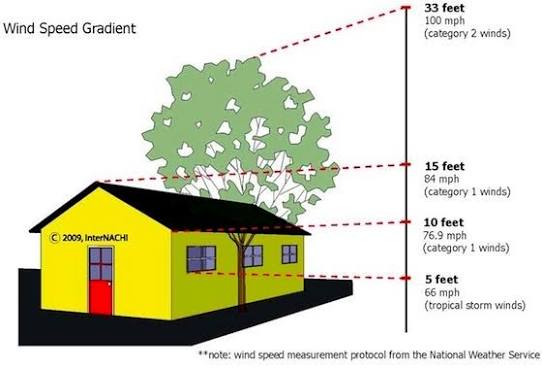
Factors That Lower the Safe Wind Limit
While 20 mph is a common benchmark, several factors can lower this threshold. You should stop working at lower wind speeds if any of the following conditions are present:
| Factor | Impact on Safety | Recommended Action |
|---|---|---|
| Roof Pitch | Steeper roofs offer less footing and higher exposure to wind. | Stop work at 15 mph on pitches > 6/12. |
| Roof Height | Higher elevations experience stronger, more turbulent winds. | Reduce threshold by 5 mph for stories above 2nd floor. |
| Material Type | Lightweight materials (metal panels, insulation boards) are easily lifted. | Secure all materials; stop if gusts exceed 15 mph. |
| Gustiness | Variable winds are harder to predict than sustained winds. | If gusts vary by >10 mph from average, exercise extreme caution. |
| Worker Experience | Less experienced workers may have slower reaction times. | Lower wind limits for trainees or new hires. |
How to Measure Wind Speed Accurately on Site
Relying on “how it feels” is not a professional strategy. To determine when is it too windy to work on a roof, you need accurate data.
Use a Digital Anemometer
A handheld digital anemometer is an inexpensive tool that provides real-time wind speed readings. Look for one that measures both sustained wind speed and gusts.
Check Local Weather Reports
Before heading to the site, check hourly forecasts from reliable sources like the National Weather Service. Pay attention to:
- Peak Gusts: The highest short-term wind speed expected.
- Wind Direction: Crosswinds can be more destabilizing than head-on winds.
- Weather Fronts: Approaching storms often bring sudden, unpredictable wind spikes.
The “Tree Test”
If you don’t have an anemometer, observe the trees. According to the Beaufort Scale:
- Small branches move: ~13–18 mph.
- Large branches in motion: ~19–24 mph.
- Whole trees swaying: ~25–31 mph.
If whole trees are swaying, it is definitely too windy to work on a roof.
Step-by-Step Protocol for Windy Conditions
If you arrive on-site and suspect wind speeds are approaching the limit, follow this protocol:
- Assess: Use an anemometer to measure current wind speed and gusts. Take measurements at roof level if safe to do so.
- Secure: Immediately tie down all loose materials. Use weighted bags or straps for bundles of shingles.
- Communicate: Inform your crew of the current conditions and the plan. Establish a clear signal for “stop work” if conditions worsen.
- Decide: If sustained winds are over 20 mph or gusts exceed 30 mph, halt all roofing activities.
- Evacuate: Safely descend from the roof. Do not rush, but do not linger.
- Document: Record the wind speed and time of work stoppage for liability and payroll purposes.
FAQ: Common Questions About Roofing and Wind
1. Can I work on a roof if the wind is under 20 mph?
Yes, generally. However, you must remain vigilant. If the roof is steep, high, or if you are handling large, lightweight materials, you should exercise extra caution even at 15 mph. Always prioritize stability and secure your materials.
2. Does rain combined with wind make it more dangerous?
Absolutely. Rain makes roofing surfaces slippery, reducing traction. When combined with wind, the risk of slipping and falling increases significantly. Most professionals will stop work if both rain and moderate winds are present.
3. What about interior roofing work, like attic insulation?
Interior work is generally safer from wind, but strong winds can still pose risks if they damage the structure or blow debris into ventilation openings. Additionally, if you need to access the attic via an exterior ladder, the same wind rules apply to the climb.
4. Are there different rules for commercial flat roofs?
Commercial flat roofs often involve heavy equipment and large membranes. While the flat surface offers better footing, the large surface area of membranes can catch wind like a parachute. Wind uplift can tear unsecured membranes. Therefore, strict adherence to manufacturer guidelines for adhesion and mechanical fastening is critical, and work often stops at similar wind speeds (20–25 mph).
5. Who is liable if an accident happens in windy conditions?
Liability typically falls on the employer or the contractor who failed to provide a safe work environment. If OSHA determines that the employer ignored recognizable wind hazards, they can face significant fines and legal consequences. This is why documenting weather conditions and having a clear safety policy is essential.
6. How do I explain to a client that we can’t work due to wind?
Professionalism is key. Explain that safety is your top priority and that working in high winds compromises the quality of the installation (e.g., shingles may not seal properly) and puts your crew at risk. Most reasonable clients will appreciate your commitment to safety and quality.
Conclusion
Determining when is it too windy to work on a roof is not just about checking a number on a weather app. It involves understanding the dynamics of wind, the specific conditions of your job site, and the limitations of your materials and crew. By adhering to the 20–25 mph general guideline, using proper measurement tools, and prioritizing safety over schedule, you protect your team and your reputation.
Remember, no deadline is worth a life. Stay safe, stay informed, and keep your standards high.
Found this guide helpful? Share it with your fellow roofers and construction pros on social media to spread awareness about roofing safety!
Leave a Reply