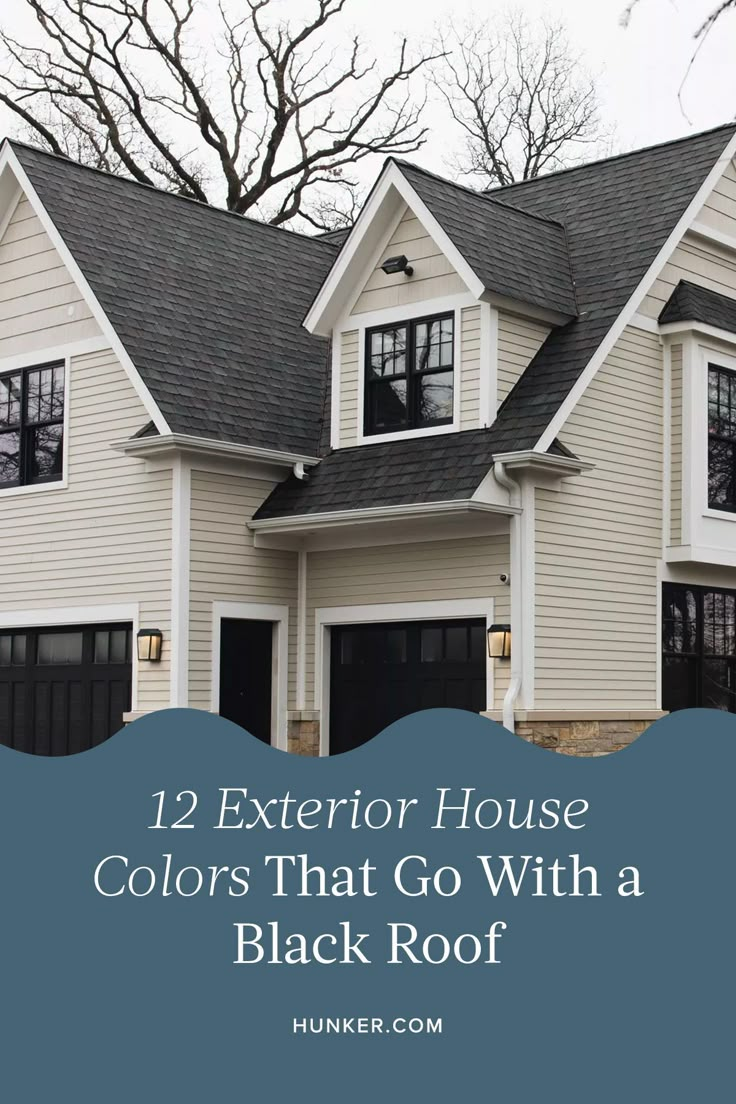
Choosing the right exterior palette can feel overwhelming, especially when you have made a bold choice like installing a black roof. You want your home to look sophisticated, not gloomy or disjointed. If you are asking yourself, “What Is The Best Exterior Trim Color With Black Roof,” you are not alone; this is one of the most common dilemmas for homeowners aiming for modern elegance.
A black roof acts as a powerful anchor for your home’s aesthetic. It demands attention and sets a dramatic tone. However, without the right trim color, that drama can turn into visual chaos. In this guide, we will break down the science of color theory, explore trending combinations, and provide actionable advice to help you create a cohesive and striking exterior that boosts your property’s value.
Why White Trim Remains the Timeless Champion
When considering contrast, nothing beats the classic combination of a black roof with crisp white trim. This pairing is the gold standard in American architecture for a reason: it offers maximum visibility and a clean, sharp finish.
The Psychology of High Contrast
Human eyes are naturally drawn to high-contrast areas. According to basic principles of visual perception, the juxtaposition of black and white creates a sense of order and clarity. For homes with complex rooflines or multiple gables, white trim helps define the architectural details that might otherwise get lost against a dark background.
- Pros:
- Creates a fresh, clean look that never goes out of style.
- Makes windows pop, enhancing natural light perception.
- Works with almost any siding color (brick, vinyl, wood, stucco).
- Cons:
- White trim requires more frequent maintenance to prevent yellowing or dirt buildup.
- Can feel too stark if not balanced with warm siding tones.
If you choose white, consider the shade carefully. Pure bright white can sometimes look plastic-like on vinyl. Opting for an “off-white” or “cream” can soften the blow while maintaining the necessary contrast.
Embracing Modernity: Black-on-Black Aesthetics
In recent years, the “monochromatic” look has surged in popularity, particularly in modern farmhouse and contemporary industrial designs. This involves pairing a black roof with black or charcoal trim.
Creating Depth Without Color
You might worry that black-on-black will look flat. The secret lies in texture and sheen. By using different finishes—for example, a matte black roof with semi-gloss black trim—you create subtle depth. This approach is incredibly sophisticated and signals a high-end, custom-designed home.
Expert Insight: Architectural designers often note that monochromatic schemes make smaller homes appear larger because the eye travels smoothly across the surface without stopping at contrasting lines.
However, this look is risky. If your home lacks architectural detail, it may look like a shadow. Ensure your home has distinct features like columns, porch rails, or window grids to break up the mass of dark color.
The Warmth Factor: Earth Tones and Beige Trims
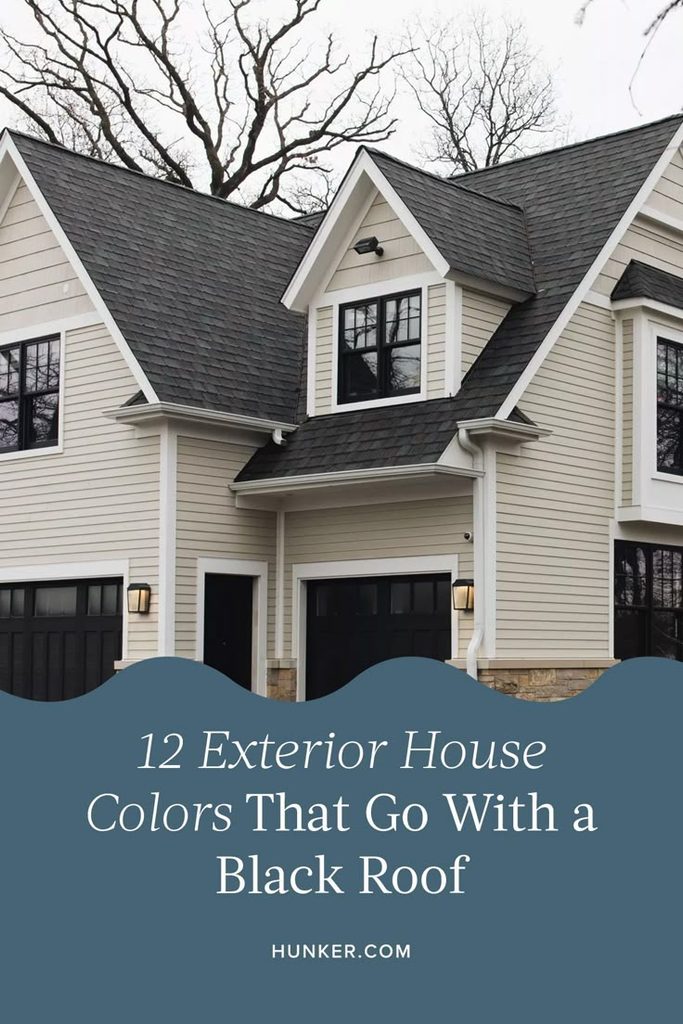
Not everyone wants high contrast or moody darkness. For a more inviting, traditional, or rustic feel, earth-toned trims are excellent companions for a black roof.
Balancing Cool and Warm
A black roof is inherently “cool” and heavy. Pairing it with warm trim colors like beige, tan, or greige (gray-beige) creates a balanced temperature profile. This is particularly effective for homes with stone or brick accents.
- Best Siding Pairings:
- Light Gray Siding: Use a warm beige trim to prevent the house from looking cold.
- White Siding: A cream or ivory trim softens the harshness of the black roof.
- Brick Homes: Choose a trim color that matches the mortar or the lightest brick tone for harmony.
This combination is forgiving regarding dirt and weathering, making it a practical choice for families who prefer low-maintenance exteriors.
Bold Choices: Navy, Forest Green, and Dark Blue Trims
For those willing to take a design risk, colored trims can yield spectacular results. While less common, deep navy or forest green trim can complement a black roof beautifully, provided the siding is neutral.
When to Use Colored Trim
Colored trim works best when you want to highlight specific architectural elements rather than outlining the entire house. For instance, painting only the window frames and door casings in a deep navy blue while keeping the fascia and soffits white or black can create a curated, boutique-hotel vibe.
| Trim Color | Best Siding Match | Vibe Created | Maintenance Level |
|---|---|---|---|
| Crisp White | Any (Gray, Brick, Wood) | Classic, Clean, Sharp | High |
| Black/Charcoal | White, Light Gray, Wood | Modern, Sleek, Moody | Medium |
| Beige/Cream | Gray, Blue, Green Siding | Warm, Traditional, Inviting | Low |
| Navy Blue | White, Light Gray | Nautical, Unique, Bold | Medium |
Critical Factors Beyond Color Choice
Selecting the color is only half the battle. To truly answer “what is the best exterior trim color with black roof,” you must consider environmental and material factors.
1. Climate and Heat Absorption
Dark colors absorb heat. While this is less of an issue for trim than roofing, black trim in direct sunlight can expand and contract more than lighter colors. If you live in a hot climate like Arizona or Texas, ensure your trim material is high-quality vinyl or fiber cement designed to withstand thermal movement. Poor quality paint on black trim may peel faster due to heat stress.
2. Architectural Style Consistency
Your home’s style should dictate your trim choice.
- Victorian Homes: Often feature intricate trim work that looks best in white or historical pastels to highlight the detail.
- Craftsman Bungalows: Typically use earth tones or dark greens to blend with nature.
- Modern Minimalist: Favors black, gray, or white for a seamless look.
Ignoring these stylistic norms can result in a home that feels “off” to potential buyers or neighbors. For more on architectural styles, you can refer to general definitions on Wikipedia to ensure your color choice aligns with your home’s historical or design roots.
3. Lighting Conditions
Always test your paint samples at different times of day. A trim color that looks perfect in the morning sun might look muddy in the afternoon shade. Black roofs cast shadows differently than lighter roofs, so observe how the shadow line interacts with your proposed trim color.
Step-by-Step Guide to Testing Your Palette
Don’t commit to a gallon of paint immediately. Follow these steps to ensure satisfaction:
- Buy Sample Pots: Purchase small samples of your top three trim colors.
- Paint Large Swatches: Paint at least a 2×2 foot section on different sides of your house (north, south, east, west).
- Observe for 3 Days: Look at the samples in morning, noon, and evening light.
- Check Against Fixed Elements: Ensure the trim color complements your brick, stone, or landscaping, not just the roof.
- Get a Second Opinion: Ask friends or neighbors for unbiased feedback. Sometimes we become “color blind” to our own homes after staring at them for too long.
FAQ Section
Q: Does a black roof make a house hotter?
A: Yes, black roofs absorb more solar radiation than lighter roofs. However, modern roofing materials often come with reflective coatings or proper attic ventilation can mitigate heat transfer into the living space. The trim color itself has a negligible impact on internal temperature compared to the roof material.
Q: Can I use gray trim with a black roof?
A: Absolutely. Gray is a versatile neutral. Light gray trim offers a softer contrast than white, while dark charcoal gray can create a near-monochromatic look. It is an excellent middle-ground option for those who find white too stark and black too dark.
Q: What siding color goes best with a black roof and white trim?
A: This trio is incredibly flexible. Light gray, navy blue, sage green, and even natural wood tones look fantastic with a black roof and white trim. Avoid very dark siding unless you are aiming for a fully monochromatic modern look, as it may compete with the roof.
Q: How often do I need to repaint white trim?
A: White trim shows dirt, pollen, and mildew more easily than darker colors. Depending on your climate, you may need to wash it annually and repaint every 5–7 years. Using high-quality acrylic latex paint can extend this lifespan.
Q: Is it expensive to change trim color?
A: Painting trim is generally more labor-intensive than painting walls due to the precision required, but it is far cheaper than replacing siding or roofing. It is one of the most cost-effective ways to refresh your home’s curb appeal.
Conclusion
Finding the best exterior trim color with black roof depends on your personal style, home architecture, and local environment. Whether you choose the timeless elegance of white, the modern sophistication of black, or the warmth of beige, the key is consistency and contrast.
Remember, your home’s exterior is the first impression you make on the world. A well-chosen trim color not only enhances beauty but also protects your investment. Don’t be afraid to experiment with samples and seek professional advice if needed.
Did you find this guide helpful? Share this article with friends who are renovating their homes, or pin it to your Pinterest board for future reference! Let’s help everyone achieve the perfect curb appeal.
Leave a Reply