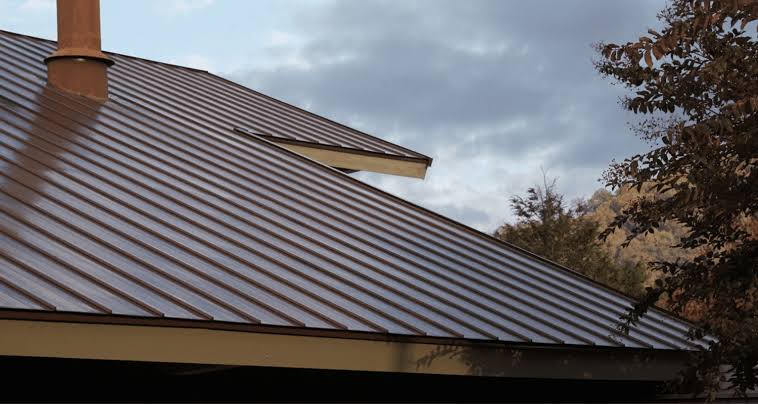
Tag: Curb Appeal Tips

  • Do Metal Roofs Increase Home Value? Roof Color Matters

    Do Metal Roofs Increase Home Value? Roof Color Matters

    Have you ever stood in front of your house, looking up at your aging shingles, and wondered if a switch to metal would actually pay off when it’s time to sell? It is a common dilemma for homeowners who want to invest wisely without overspending on features that buyers might not appreciate. Understanding do metal roofs increase home value color of the roof plays a critical role in this decision can help you maximize your return on investment while enhancing your home’s aesthetic appeal.

    In this guide, we will break down the financial benefits of metal roofing, explain why color choice is not just about personal preference, and provide actionable advice to help you make the best decision for your property.

    The Financial Impact: Does a Metal Roof Really Boost Value?

    When considering a major home improvement project, the first question is always about the bottom line. Unlike interior renovations like kitchen remodels, which can be subjective, a new roof is a structural necessity that buyers immediately notice.

    High Return on Investment (ROI)

    According to recent real estate data, installing a metal roof can yield a significant return on investment. While traditional asphalt shingles typically recoup about 60-70% of their cost upon resale, metal roofs often see a recoup rate of 85% or higher. In some high-end markets, this number can climb even further.

    Why is this? Because buyers perceive metal roofs as a “lifetime” solution. They understand that they won’t need to replace the roof again for decades, which is a massive selling point.

    Longevity Equals Value

    A standard asphalt shingle roof lasts 15–20 years. A quality metal roof, however, can last 40–70 years. This longevity translates directly into perceived value. When a home inspector notes a 5-year-old standing seam metal roof, it removes a major contingency from the buyer’s mind, potentially speeding up the sale process.

    Expert Insight: Real estate agents often report that homes with newer metal roofs spend fewer days on the market. The durability signal reduces buyer anxiety about immediate maintenance costs.

    Why Roof Color Is Critical for Resale Value

    Many homeowners make the mistake of thinking all metal roofs look the same. However, the color of your roof can significantly influence both energy efficiency and curb appeal, two factors that directly impact home value. This is where the query “do metal roofs increase home value color of the roof” becomes highly relevant.

    The Psychology of Curb Appeal

    First impressions matter. A roof covers approximately 40% of your home’s visible exterior. If the color clashes with your siding or looks dated, it can detract from the home’s overall value. Conversely, a harmonious color palette creates a cohesive, high-end look that attracts buyers.

    • Neutral Tones: Colors like charcoal, slate gray, and bronze are timeless. They appeal to the broadest range of buyers because they complement various architectural styles, from modern farmhouses to traditional colonials.
    • Bold Choices: While red or blue roofs might suit your personality, they can limit your buyer pool. Niche colors may require a specific buyer who loves that aesthetic, potentially lowering the final offer price.

    Energy Efficiency and Cooling Costs

    The color of your metal roof affects its thermal performance. Lighter colors reflect more sunlight, keeping your attic cooler in summer. Darker colors absorb heat, which can be beneficial in colder climates but detrimental in hot regions like Arizona or Texas.

    For US homeowners, energy efficiency is a growing priority. A roof color that helps lower utility bills is a tangible selling point that can be highlighted in listings.

    Roof ColorSolar ReflectanceBest ClimateImpact on Value
    White/Light TanHighHot/SunnyIncreases value via energy savings
    Charcoal/BlackLowCold/NorthernClassic look; neutral appeal
    Slate GrayMediumMixed/TemperateHighest resale versatility
    Forest GreenMediumRural/WoodedNiche appeal; good for cabins
    Do Metal Roofs Increase Home Value Color Of The Roof

    How to Choose the Right Color for Maximum ROI

    Choosing the right color isn’t just about picking your favorite shade. It requires a strategic approach to ensure it enhances your home’s marketability. Here is a step-by-step guide to selecting the optimal color.

    Step 1: Analyze Your Home’s Architecture

    Look at the style of your home. A Victorian home might look stunning with a deep burgundy or copper tone, while a mid-century modern home pairs best with sleek blacks or grays. Aligning the roof color with the architectural era ensures authenticity, which buyers appreciate.

    Step 2: Consider Your Geographic Location

    As mentioned earlier, climate plays a role. If you are selling in a hot state, opt for lighter colors or “cool roof” certified pigments. These specialized coatings reflect infrared light, reducing cooling loads by up to 20%. You can read more about the science of solar reflectance on Wikipedia’s page on Cool Roofs.

    Step 3: Test Samples in Natural Light

    Paint chips look different indoors than they do under the sun. Order large physical samples of your top three color choices. Attach them to your roofline and observe them at different times of the day—morning, noon, and dusk. Note how they interact with your brick, stone, or siding.

    Step 4: Check HOA Guidelines

    If you live in a community with a Homeowners Association, check their covenants before falling in love with a specific color. Violating HOA rules can lead to fines and force you to repaint before selling, eating into your profits.

    Comparing Metal Roofing to Traditional Options

    To truly understand the value proposition, let’s compare metal roofing against the most common alternative: asphalt shingles.

    Durability and Maintenance

    • Metal Roofs: Resistant to fire, wind, and hail. They do not crack or curl. Maintenance is minimal, usually requiring only an annual rinse.
    • Asphalt Shingles: Prone to wind damage and algae growth. They require periodic inspections and may need replacement every 15 years.

    Aesthetic Versatility

    Modern metal roofing comes in various profiles, including shakes, tiles, and standing seams. This means you can get the look of slate or clay tile without the weight or fragility. This aesthetic flexibility allows you to upgrade the look of luxury without the associated maintenance costs, a huge plus for potential buyers.

    Environmental Appeal

    Today’s US homebuyers are increasingly eco-conscious. Metal roofs are often made from 25-95% recycled content and are 100% recyclable at the end of their life. Asphalt shingles, on the other hand, contribute significantly to landfill waste. Highlighting the sustainability of your metal roof can be a unique selling proposition in competitive markets.

    Frequently Asked Questions (FAQ)

    1. Will a dark-colored metal roof make my house hotter?

    It depends on the coating. Modern metal roofs often come with reflective pigments even in darker shades. While a black roof will absorb more heat than a white one, the air gap between the metal and the roof deck (if installed with battens) provides ventilation that mitigates heat transfer. Always look for ENERGY STAR® rated products.

    2. Does the type of metal affect home value?

    Yes. Standing seam aluminum or steel roofs are generally perceived as higher quality than corrugated galvanized steel. Copper and zinc roofs are considered luxury items and can significantly boost value in high-end neighborhoods, though the initial cost is much higher.

    3. Can I paint my existing metal roof to change the color before selling?

    Yes, but it must be done professionally using coatings designed for metal adhesion. A poorly painted roof can look cheap and deter buyers. If the existing finish is fading, a professional recoat can restore curb appeal and protect the metal, adding value.

    4. How long does it take to install a metal roof?

    For an average-sized single-family home, installation typically takes 3 to 5 days. This is comparable to asphalt shingle installation but results in a product that lasts three times longer. Minimal disruption is a selling point for buyers who may be living in the home during the process.

    5. Is a metal roof noisy during rain?

    This is a common myth. When installed correctly with solid sheathing and proper insulation, a metal roof is no noisier than an asphalt roof. In fact, many homeowners find the sound of rain on metal to be soothing. Ensuring your contractor uses adequate underlayment is key to noise reduction.

    6. Does insurance cover metal roofs better?

    In many cases, yes. Because metal roofs are fire-resistant and durable against wind and hail, many insurance companies offer discounts on premiums. You can mention these potential savings to buyers as an ongoing cost benefit.

    Conclusion

    So, do metal roofs increase home value color of the roof matters? Absolutely. A metal roof is one of the few home improvements that offers a high return on investment, primarily due to its longevity, durability, and low maintenance requirements. However, the color you choose acts as the finishing touch that ties the entire exterior together.

    By selecting a neutral, climate-appropriate color, you maximize curb appeal and attract a broader range of buyers. Remember, you are not just buying a roof; you are buying peace of mind for the next owner. That peace of mind has a price tag, and it’s one that US homebuyers are willing to pay.

    If you found this guide helpful, please share it with friends or family who are considering a roofing upgrade. Spreading knowledge helps everyone make smarter home investment decisions!
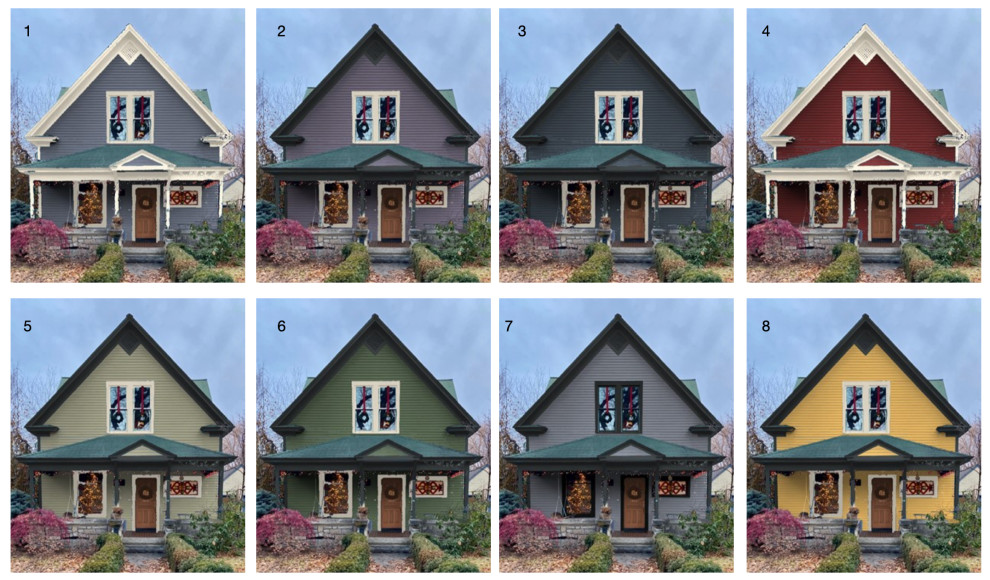
  • Best Paint Colors for a House With a Green Roof

    Best Paint Colors for a House With a Green Roof

    Choosing the right exterior paint when you have a distinctive roofing material can feel overwhelming. A green roof is a bold architectural statement, and pairing it with the wrong siding color can clash rather than complement. If you are asking what color to paint a house with a green roof, you are looking for harmony, balance, and timeless curb appeal.

    In this guide, we will break down the science of color theory, explore trending palettes, and provide actionable advice to help your home look its absolute best. Whether your roof is a deep forest green, a muted sage, or a vibrant emerald, there is a perfect paint match waiting for you.

    Why Is Choosing the Right Paint Color Crucial for Green Roofs?

    A green roof is not just a covering; it is a dominant visual element. Unlike standard black, gray, or brown shingles, green introduces a strong hue that interacts dynamically with sunlight and surrounding landscaping.

    According to color psychology, green represents nature, tranquility, and renewal. However, in exterior design, it can easily overpower other elements if not balanced correctly. The goal is to create a cohesive look where the roof and siding work together, not against each other.

    • Resale Value: Homes with coordinated exterior colors often sell faster. A clashing color scheme can deter potential buyers who perceive the home as needing immediate updates.
    • Architectural Integrity: The right color highlights your home’s architectural details, such as trim, columns, and porches.
    • Environmental Harmony: A well-chosen palette helps your home blend seamlessly with its natural surroundings, especially if you live in a wooded or rural area.

    What Are the Best Neutral Colors for a Green Roof?

    When in doubt, neutrals are your safest and most sophisticated bet. They allow the green roof to shine without creating visual chaos. Here are the top neutral contenders:

    1. Crisp White and Off-White

    White is the classic partner for green. It creates a fresh, clean, and airy aesthetic that works particularly well with cottage, farmhouse, and colonial styles.

    • Pure White: Offers high contrast and a modern look. Best for dark green roofs.
    • Cream or Ivory: Softens the contrast and adds warmth. Ideal for lighter sage or olive green roofs.

    Pro Tip: Avoid stark, blue-toned whites if your green roof has yellow undertones, as this can create a jarring visual vibration. Stick to warm whites.

    2. Warm Beige and Taupe

    Beige tones bridge the gap between the natural world and your home’s structure. They echo the earthiness of the green roof while providing a subtle backdrop.

    • Greige (Gray-Beige): A modern favorite that works with both cool and warm green tones.
    • Sandstone: Adds texture and warmth, perfect for homes in arid or coastal regions.

    3. Light to Medium Gray

    Gray is versatile, but you must choose the right undertone. Since green is a cool color on the spectrum, cool grays often pair beautifully.

    • Light Gray: Creates a soft, contemporary look.
    • Charcoal: For a dramatic, high-contrast effect, pair a light green roof with dark charcoal siding. This is a bold choice that exudes modern elegance.

    Can You Use Earth Tones With a Green Roof?

    Absolutely. Earth tones are nature’s own palette, making them a logical and harmonious choice for homes with green roofs. This approach is often referred to as “biophilic design,” which seeks to connect building occupants more closely to nature.

    Brown and Tan Variations

    Brown siding can create a rustic, cabin-like feel. However, caution is required:

    • Avoid Matching Undertones: If your roof is an olive green (yellow undertone), avoid a reddish-brown siding, as they may clash. Instead, opt for a chocolate brown or a muted taupe.
    • Contrast is Key: Ensure there is enough difference in value (lightness/darkness) between the roof and the siding. A medium brown roof needs either a very light tan siding or a very dark chocolate siding to stand out.

    Stone and Brick Accents

    If you are not painting the entire house, consider using stone or brick veneer. Natural stone often contains flecks of green, gray, and beige, which naturally tie into a green roof.

    What Color To Paint A House With A Green Roof

    How Do Bold Colors Compare to Neutrals?

    While neutrals are safe, bold colors can make a stunning statement if executed correctly. This is where understanding color theory becomes essential.

    Color FamilyBest Green Roof ShadeEffectRisk Level
    Navy BlueForest GreenRich, traditional, nauticalLow
    Soft YellowSage GreenCheerful, cottage-core, brightMedium
    Slate BlueOlive GreenCool, calming, sophisticatedLow
    Red/BurgundyDark GreenTraditional, holiday-esqueHigh

    The Case for Navy and Slate Blue

    Blue and green are analogous colors on the color wheel, meaning they sit next to each other. This creates a harmonious, soothing effect. A deep navy blue house with a dark green roof is a popular choice in coastal and New England-style architecture.

    The Risk of Red and Orange

    Red and green are complementary colors (opposite on the color wheel). While this creates high contrast, it can easily look like a Christmas decoration if not carefully managed. If you love red, opt for a muted brick red or burgundy rather than a bright fire-engine red.

    What Role Does Trim and Accent Color Play?

    The trim is the frame of your home’s picture. It defines the edges and adds depth. When dealing with a green roof, your trim choice can make or break the overall look.

    1. White Trim: The universal solver. It crisps up the edge between the siding and the roof, regardless of the siding color. It is especially effective with beige, gray, or blue siding.
    2. Matching Trim: Painting the trim the same color as the siding (monochromatic look) is a modern trend. It makes the house appear larger and sleeker. However, ensure your roof color provides enough contrast so the house doesn’t look flat.
    3. Contrasting Trim: If your siding is dark, use a lighter trim. If your siding is light, you can experiment with a darker trim, but avoid using green trim unless it is an exact match to the roof, which is difficult to achieve.

    Step-by-Step Guide to Testing Your Color Choice

    Do not rely solely on digital renderings or paint chips. Real-world lighting changes everything. Follow these steps to ensure you make the right choice:

    1. Identify Your Roof’s Undertone: Look at your green roof in direct sunlight. Is it blue-based (cool) or yellow-based (warm)? This determines whether you should choose cool or warm siding colors.
    2. Buy Sample Pots: Purchase small sample sizes of your top 3 color choices.
    3. Paint Large Swatches: Paint at least a 2×2 foot section on different sides of your house (north, south, east, west).
    4. Observe at Different Times: Check the colors in the morning, noon, and evening. Note how the green roof looks against the siding in shadow versus direct sun.
    5. Check Against Landscaping: Ensure the new color doesn’t clash with your permanent landscaping features, such as large trees or stone pathways.

    For more information on color theory principles, you can refer to the comprehensive overview on Color Theory at Wikipedia.org.

    Frequently Asked Questions (FAQ)

    1. What is the best white paint for a house with a dark green roof?

    For a dark green roof, Sherwin-Williams Extra White or Benjamin Moore Chantilly Lace are excellent choices. These bright whites provide a crisp contrast that prevents the dark roof from making the house look too heavy or gloomy.

    2. Can I paint my house green if I have a green roof?

    Yes, but it is tricky. You must use a significantly different shade. For example, pair a dark forest green roof with a very pale sage or mint green siding. Using the same shade will make your home look monotonous and lack dimension.

    3. Does the style of my house affect the color choice?

    Absolutely. Victorian homes can handle bolder, multi-color palettes, while Ranch-style homes often look best with simple, two-tone schemes (siding and trim). Colonial homes traditionally pair well with white, gray, or beige siding.

    4. How do I maintain the appearance of my green roof and painted siding?

    Regular cleaning is key. Green roofs can show pollen and dirt more easily than darker roofs. Wash your siding annually with a mild detergent to keep the colors vibrant. Consider using UV-resistant paint to prevent fading, which can alter the color balance over time.

    5. What if my green roof is metal instead of shingles?

    Metal roofs often have a more reflective, industrial finish. They pair exceptionally well with modern, minimalist colors like charcoal, slate gray, and stark white. Avoid overly rustic textures like faux wood grain, as they may clash with the sleekness of metal.

    Conclusion

    Deciding what color to paint a house with a green roof is about balancing boldness with harmony. While the roof is a significant feature, it doesn’t have to dictate your entire design. By choosing neutrals like white, beige, or gray, you create a timeless backdrop. If you’re feeling adventurous, earthy tones or deep blues can offer a unique, sophisticated charm.

    Remember to test your colors in natural light and consider the architectural style of your home. The right combination will not only enhance your curb appeal but also bring you joy every time you pull into your driveway.

    Did you find this guide helpful? Share this article with friends who are planning their next exterior renovation, or pin it to your Pinterest board for future reference! Let’s make every home beautiful, one color at a time.

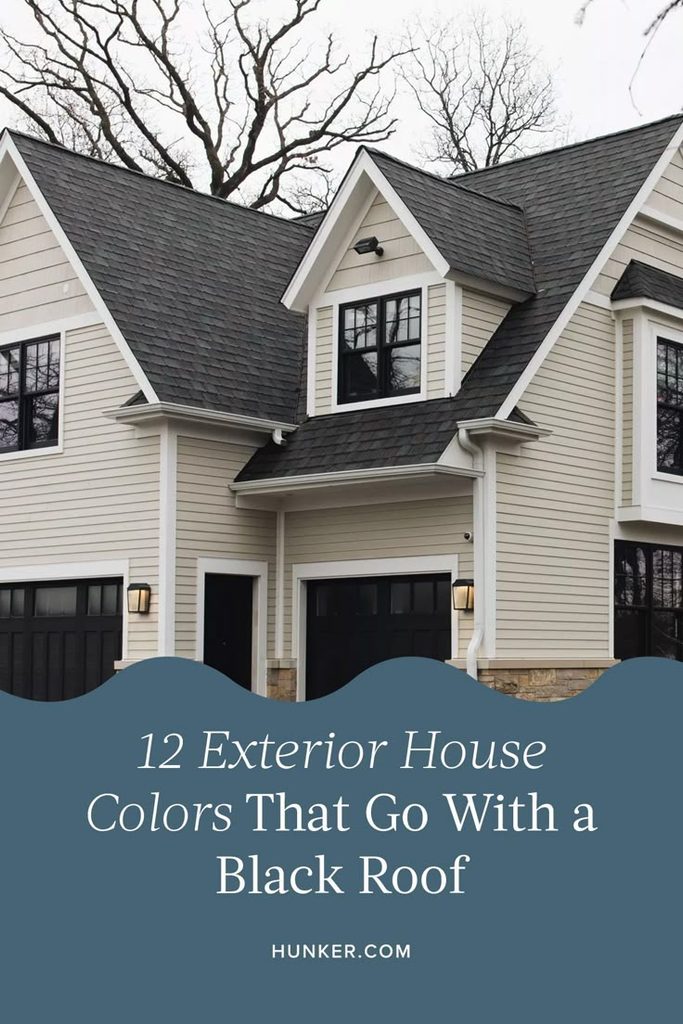
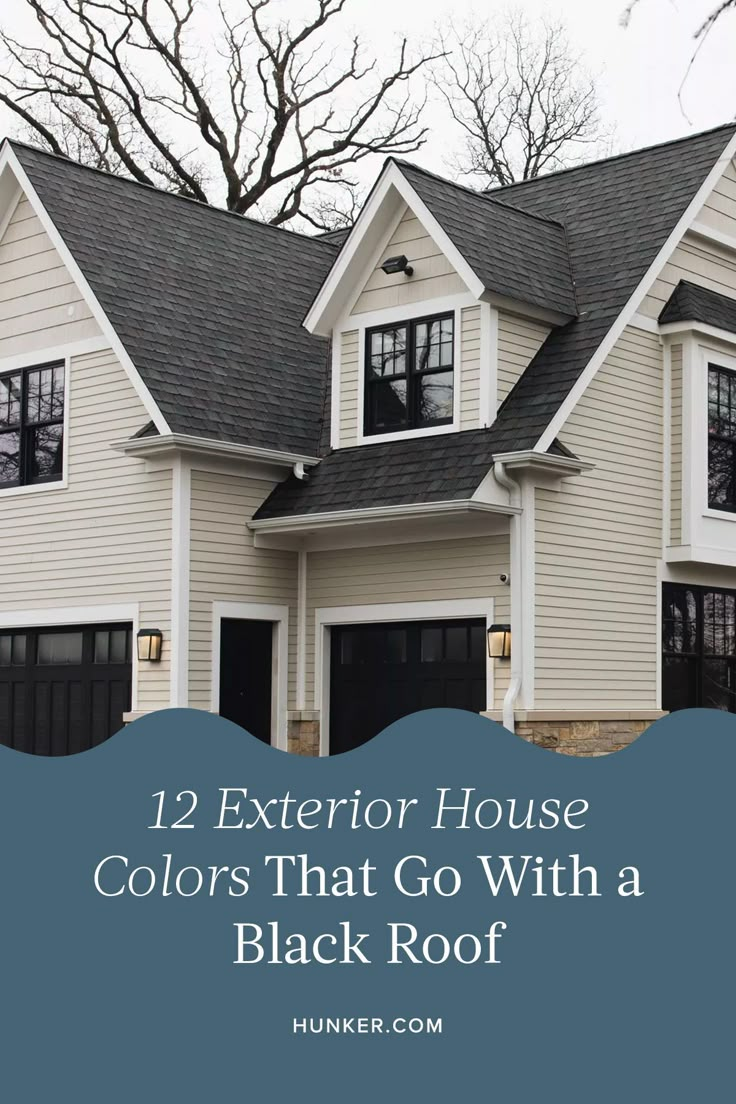
  • Best Exterior Trim Color With Black Roof

    Best Exterior Trim Color With Black Roof

    Choosing the right exterior palette can feel overwhelming, especially when you have made a bold choice like installing a black roof. You want your home to look sophisticated, not gloomy or disjointed. If you are asking yourself, “What Is The Best Exterior Trim Color With Black Roof,” you are not alone; this is one of the most common dilemmas for homeowners aiming for modern elegance.

    A black roof acts as a powerful anchor for your home’s aesthetic. It demands attention and sets a dramatic tone. However, without the right trim color, that drama can turn into visual chaos. In this guide, we will break down the science of color theory, explore trending combinations, and provide actionable advice to help you create a cohesive and striking exterior that boosts your property’s value.

    Why White Trim Remains the Timeless Champion

    When considering contrast, nothing beats the classic combination of a black roof with crisp white trim. This pairing is the gold standard in American architecture for a reason: it offers maximum visibility and a clean, sharp finish.

    The Psychology of High Contrast

    Human eyes are naturally drawn to high-contrast areas. According to basic principles of visual perception, the juxtaposition of black and white creates a sense of order and clarity. For homes with complex rooflines or multiple gables, white trim helps define the architectural details that might otherwise get lost against a dark background.

    • Pros:
      • Creates a fresh, clean look that never goes out of style.
      • Makes windows pop, enhancing natural light perception.
      • Works with almost any siding color (brick, vinyl, wood, stucco).
    • Cons:
      • White trim requires more frequent maintenance to prevent yellowing or dirt buildup.
      • Can feel too stark if not balanced with warm siding tones.

    If you choose white, consider the shade carefully. Pure bright white can sometimes look plastic-like on vinyl. Opting for an “off-white” or “cream” can soften the blow while maintaining the necessary contrast.

    Embracing Modernity: Black-on-Black Aesthetics

    In recent years, the “monochromatic” look has surged in popularity, particularly in modern farmhouse and contemporary industrial designs. This involves pairing a black roof with black or charcoal trim.

    Creating Depth Without Color

    You might worry that black-on-black will look flat. The secret lies in texture and sheen. By using different finishes—for example, a matte black roof with semi-gloss black trim—you create subtle depth. This approach is incredibly sophisticated and signals a high-end, custom-designed home.

    Expert Insight: Architectural designers often note that monochromatic schemes make smaller homes appear larger because the eye travels smoothly across the surface without stopping at contrasting lines.

    However, this look is risky. If your home lacks architectural detail, it may look like a shadow. Ensure your home has distinct features like columns, porch rails, or window grids to break up the mass of dark color.

    What Is The Best Exterior Trim Color With Black Roof

    The Warmth Factor: Earth Tones and Beige Trims

    Not everyone wants high contrast or moody darkness. For a more inviting, traditional, or rustic feel, earth-toned trims are excellent companions for a black roof.

    Balancing Cool and Warm

    A black roof is inherently “cool” and heavy. Pairing it with warm trim colors like beige, tan, or greige (gray-beige) creates a balanced temperature profile. This is particularly effective for homes with stone or brick accents.

    • Best Siding Pairings:
      • Light Gray Siding: Use a warm beige trim to prevent the house from looking cold.
      • White Siding: A cream or ivory trim softens the harshness of the black roof.
      • Brick Homes: Choose a trim color that matches the mortar or the lightest brick tone for harmony.

    This combination is forgiving regarding dirt and weathering, making it a practical choice for families who prefer low-maintenance exteriors.

    Bold Choices: Navy, Forest Green, and Dark Blue Trims

    For those willing to take a design risk, colored trims can yield spectacular results. While less common, deep navy or forest green trim can complement a black roof beautifully, provided the siding is neutral.

    When to Use Colored Trim

    Colored trim works best when you want to highlight specific architectural elements rather than outlining the entire house. For instance, painting only the window frames and door casings in a deep navy blue while keeping the fascia and soffits white or black can create a curated, boutique-hotel vibe.

    Trim ColorBest Siding MatchVibe CreatedMaintenance Level
    Crisp WhiteAny (Gray, Brick, Wood)Classic, Clean, SharpHigh
    Black/CharcoalWhite, Light Gray, WoodModern, Sleek, MoodyMedium
    Beige/CreamGray, Blue, Green SidingWarm, Traditional, InvitingLow
    Navy BlueWhite, Light GrayNautical, Unique, BoldMedium

    Critical Factors Beyond Color Choice

    Selecting the color is only half the battle. To truly answer “what is the best exterior trim color with black roof,” you must consider environmental and material factors.

    1. Climate and Heat Absorption

    Dark colors absorb heat. While this is less of an issue for trim than roofing, black trim in direct sunlight can expand and contract more than lighter colors. If you live in a hot climate like Arizona or Texas, ensure your trim material is high-quality vinyl or fiber cement designed to withstand thermal movement. Poor quality paint on black trim may peel faster due to heat stress.

    2. Architectural Style Consistency

    Your home’s style should dictate your trim choice.

    • Victorian Homes: Often feature intricate trim work that looks best in white or historical pastels to highlight the detail.
    • Craftsman Bungalows: Typically use earth tones or dark greens to blend with nature.
    • Modern Minimalist: Favors black, gray, or white for a seamless look.

    Ignoring these stylistic norms can result in a home that feels “off” to potential buyers or neighbors. For more on architectural styles, you can refer to general definitions on Wikipedia to ensure your color choice aligns with your home’s historical or design roots.

    3. Lighting Conditions

    Always test your paint samples at different times of day. A trim color that looks perfect in the morning sun might look muddy in the afternoon shade. Black roofs cast shadows differently than lighter roofs, so observe how the shadow line interacts with your proposed trim color.

    Step-by-Step Guide to Testing Your Palette

    Don’t commit to a gallon of paint immediately. Follow these steps to ensure satisfaction:

    1. Buy Sample Pots: Purchase small samples of your top three trim colors.
    2. Paint Large Swatches: Paint at least a 2×2 foot section on different sides of your house (north, south, east, west).
    3. Observe for 3 Days: Look at the samples in morning, noon, and evening light.
    4. Check Against Fixed Elements: Ensure the trim color complements your brick, stone, or landscaping, not just the roof.
    5. Get a Second Opinion: Ask friends or neighbors for unbiased feedback. Sometimes we become “color blind” to our own homes after staring at them for too long.

    FAQ Section

    Q: Does a black roof make a house hotter?

    A: Yes, black roofs absorb more solar radiation than lighter roofs. However, modern roofing materials often come with reflective coatings or proper attic ventilation can mitigate heat transfer into the living space. The trim color itself has a negligible impact on internal temperature compared to the roof material.

    Q: Can I use gray trim with a black roof?

    A: Absolutely. Gray is a versatile neutral. Light gray trim offers a softer contrast than white, while dark charcoal gray can create a near-monochromatic look. It is an excellent middle-ground option for those who find white too stark and black too dark.

    Q: What siding color goes best with a black roof and white trim?

    A: This trio is incredibly flexible. Light gray, navy blue, sage green, and even natural wood tones look fantastic with a black roof and white trim. Avoid very dark siding unless you are aiming for a fully monochromatic modern look, as it may compete with the roof.

    Q: How often do I need to repaint white trim?

    A: White trim shows dirt, pollen, and mildew more easily than darker colors. Depending on your climate, you may need to wash it annually and repaint every 5–7 years. Using high-quality acrylic latex paint can extend this lifespan.

    Q: Is it expensive to change trim color?

    A: Painting trim is generally more labor-intensive than painting walls due to the precision required, but it is far cheaper than replacing siding or roofing. It is one of the most cost-effective ways to refresh your home’s curb appeal.

    Conclusion

    Finding the best exterior trim color with black roof depends on your personal style, home architecture, and local environment. Whether you choose the timeless elegance of white, the modern sophistication of black, or the warmth of beige, the key is consistency and contrast.

    Remember, your home’s exterior is the first impression you make on the world. A well-chosen trim color not only enhances beauty but also protects your investment. Don’t be afraid to experiment with samples and seek professional advice if needed.

    Did you find this guide helpful? Share this article with friends who are renovating their homes, or pin it to your Pinterest board for future reference! Let’s help everyone achieve the perfect curb appeal.