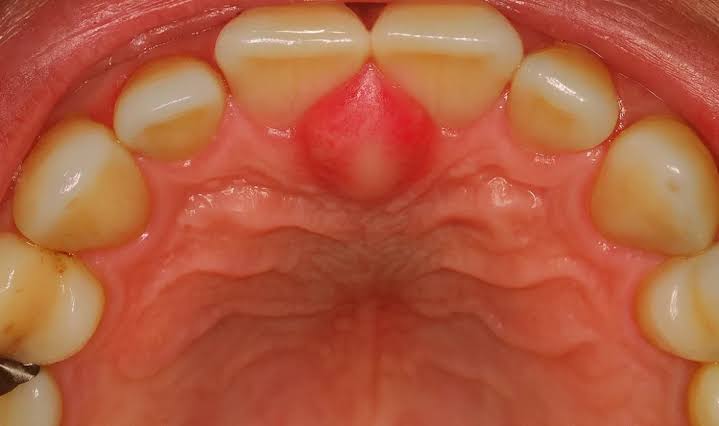
Have you ever taken a bite of piping hot pizza only to feel a sharp sting followed by an uncomfortable bulge on the top of your mouth? It is a surprisingly common experience that can range from a minor annoyance to a sign of a more serious underlying issue. If you are currently dealing with this discomfort, you are likely searching for answers regarding what can cause the roof of your mouth to swell and how to find relief quickly.
In this guide, we will explore the most frequent culprits behind palatal swelling, provide actionable home remedies, and clarify when it is time to see a doctor. Understanding the root cause is the first step toward healing and preventing future occurrences.
Common Causes of Palatal Swelling
The roof of your mouth, medically known as the palate, is sensitive tissue. Because it is directly exposed to food, drinks, and environmental factors, it is prone to various irritants. Here are the primary reasons why you might experience swelling in this area.
1. Thermal Burns (Pizza Palate)
This is arguably the most common cause. The hard palate has thin mucosal tissue that can be easily damaged by high temperatures. When you consume food or beverages that are too hot—such as fresh coffee, soup, or cheese-laden dishes—the heat can scald the tissue.
- Symptoms: Immediate pain, redness, blistering, and subsequent swelling.
- Healing Time: Minor burns usually heal within 3–7 days as the mouth has a rich blood supply that promotes rapid tissue regeneration.
2. Physical Trauma and Abrasion
Sometimes, the damage is mechanical rather than thermal. Eating hard, crunchy foods like tortilla chips, hard candy, or crusty bread can scratch or puncture the delicate lining of the palate. Additionally, accidental bites or aggressive brushing can lead to inflammation.
- Key Indicator: You may recall a specific incident where sharp food scratched the area.
- Risk: Open wounds in the mouth are susceptible to bacterial infection, which can worsen swelling.
3. Allergic Reactions
Oral Allergy Syndrome (OAS) or general food allergies can manifest as swelling in the mouth. This is often an immune response to proteins in certain fruits, vegetables, or nuts that resemble pollen allergens.
- Common Triggers: Apples, carrots, celery, and nuts.
- Severity: While often mild, allergic reactions can escalate. If swelling spreads to the throat or tongue, it requires immediate emergency attention.
4. Infections (Viral and Bacterial)
Various infections can target the oral cavity. Herpes simplex virus (cold sores) can appear on the hard palate, causing clusters of painful blisters that swell before rupturing. Similarly, bacterial infections from poor oral hygiene or untreated dental issues can lead to abscesses or general inflammation.
- Note: Thrush (a fungal infection) typically presents as white patches but can also cause underlying tissue irritation and swelling.
5. Canker Sores and Mucoceles
Canker sores (aphthous ulcers) are small, shallow lesions that develop on the soft tissues in your mouth or at the base of your gums. While more common on the inside of cheeks, they can appear on the soft palate. A mucocele is a harmless fluid-filled swelling that occurs when a salivary gland gets blocked or injured.
Less Common but Serious Conditions
While most cases are benign, some systemic conditions or rare issues can cause palatal swelling. It is important to be aware of these to ensure proper diagnosis.
- Sinus Issues: Since the maxillary sinuses are located just above the upper teeth and palate, severe sinus infections can sometimes cause pressure and referred pain or swelling in the roof of the mouth.
- Nutritional Deficiencies: A lack of Vitamin B12, iron, or folate can lead to oral inflammation and glossitis, which may extend to the palate.
- Oral Cancer: Although rare, persistent swelling, lumps, or sores that do not heal within two weeks should be evaluated by a professional. Risk factors include tobacco use and heavy alcohol consumption.
For a deeper understanding of oral anatomy and related pathologies, you can refer to this comprehensive resource on Wikipedia: Human Mouth.
How to Treat a Swollen Roof of Your Mouth
Treatment depends largely on the cause. However, for minor burns, trauma, or mild irritation, you can manage symptoms at home with these effective strategies.
Step-by-Step Home Relief Guide
- Cool Down Immediately
- Sip cold water or suck on ice chips. This helps constrict blood vessels, reducing swelling and numbing pain.
- Tip: Avoid extremely frozen items directly on the burn for too long to prevent frostbite-like tissue damage.
- Salt Water Rinse
- Mix 1 teaspoon of salt into 8 ounces (approx. 240 ml) of warm water.
- Swish gently for 30 seconds and spit out.
- Repeat 2–3 times a day. Salt water is a natural disinfectant and helps reduce inflammation.
- Honey Application
- Apply a small amount of raw honey directly to the swollen area. Honey has natural antibacterial and wound-healing properties.
- Leave it for a few minutes before rinsing.
- Avoid Irritants
- Stay away from spicy, acidic (citrus, tomato), and crunchy foods until healed.
- Avoid alcohol-based mouthwashes, which can sting and dry out the tissue.
Comparison: Home Remedies vs. Over-the-Counter Options
| Feature | Home Remedies (Salt Water/Honey) | OTC Options (Gels/Rinses) |
|---|---|---|
| Cost | Low / Free | Moderate |
| Accessibility | High (Kitchen staples) | Requires Pharmacy Visit |
| Speed of Relief | Moderate | Fast (Numbing agents) |
| Side Effects | Minimal | Possible allergic reaction |
| Best For | Minor burns, mild irritation | Severe pain, canker sores |
When to See a Doctor
While most cases resolve on their own, you should seek professional medical advice if:
- The swelling persists for more than 10 days.
- You have difficulty breathing, swallowing, or speaking.
- You experience a high fever or signs of systemic infection (chills, fatigue).
- There is pus or excessive bleeding from the area.
- You suspect an allergic reaction that is worsening.
Frequently Asked Questions (FAQ)
1. How long does it take for a burned roof of the mouth to heal?
Most minor thermal burns on the palate heal within 3 to 7 days. The mouth’s mucous membranes regenerate faster than skin elsewhere on the body. If it hasn’t improved after a week, consult a dentist.
2. Can stress cause the roof of my mouth to swell?
Stress itself does not directly cause swelling, but it weakens the immune system, making you more susceptible to canker sores or viral outbreaks like herpes, which can cause swelling. Stress-induced teeth grinding (bruxism) can also cause trauma to the palate.
3. Is it safe to pop a blister on the roof of my mouth?
No. Popping a blister increases the risk of bacterial infection and delays healing. Let the blister rupture naturally or reabsorb. Keep the area clean with salt water rinses instead.
4. What foods should I avoid when my palate is swollen?
Avoid hot, spicy, acidic, and crunchy foods. Specifically, stay away from citrus fruits, tomato-based sauces, chips, and very hot beverages. Opt for soft, cool foods like yogurt, smoothies, and mashed potatoes.
5. Can dehydration cause mouth swelling?
Dehydration leads to dry mouth (xerostomia), which reduces saliva production. Saliva is crucial for protecting oral tissues. Without it, the palate becomes more vulnerable to irritation, friction, and infection, which can lead to swelling.
Conclusion
Dealing with a swollen roof of the mouth can be uncomfortable, but understanding what can cause the roof of your mouth to swell empowers you to take the right steps for recovery. Whether it’s a simple pizza burn or a minor allergic reaction, most cases are manageable with home care and patience.
Remember to keep your oral hygiene routine gentle during this time, stay hydrated, and avoid irritants. If symptoms persist or worsen, never hesitate to consult a healthcare professional.
Found this guide helpful? Share it with your friends on social media to help them navigate their next kitchen mishap!
Leave a Reply