Tag: Roofing Estimates

  • How Much Does It Cost To Replace Half A Roof?

    How Much Does It Cost To Replace Half A Roof?

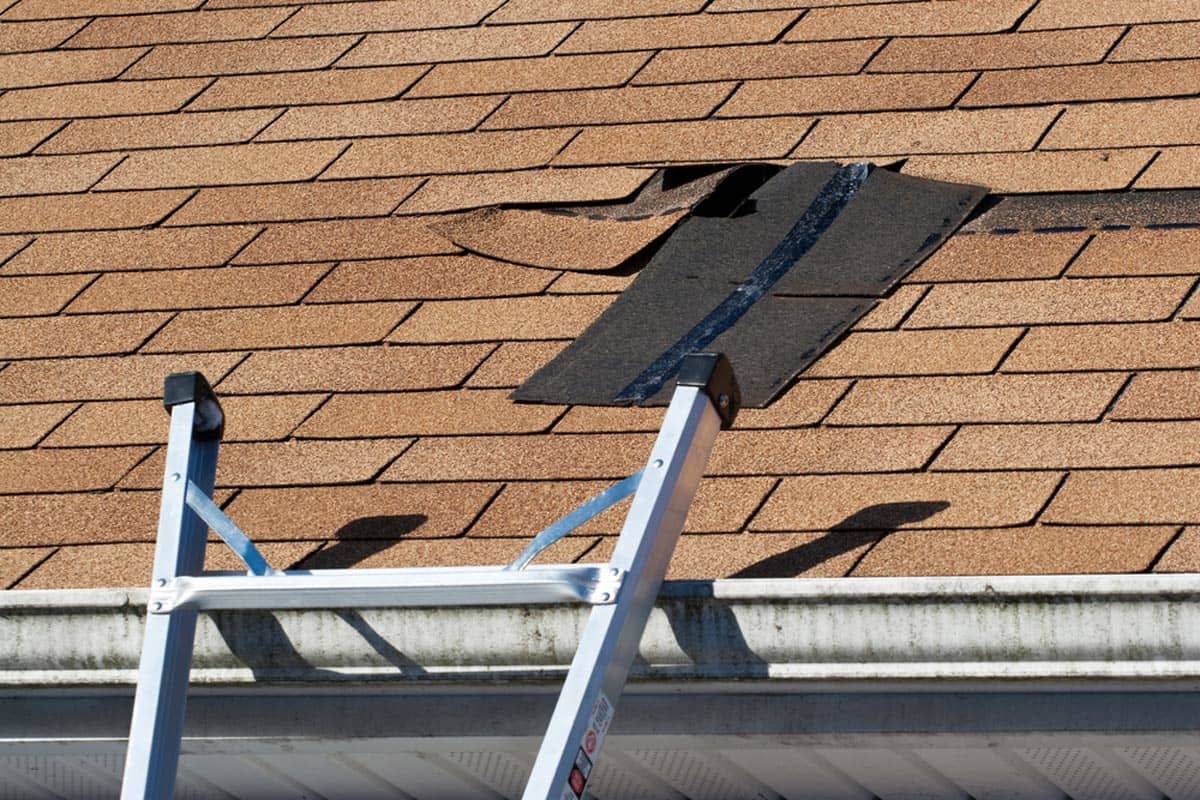
    Have you noticed missing shingles or a persistent leak in just one section of your home? It is a stressful situation, but you might not need a full replacement. Many homeowners ask, “How much does it cost to replace half a roof“ to balance budget constraints with necessary repairs.

    Understanding the true cost involves more than just material prices. It requires knowing labor rates, structural integrity issues, and long-term value. In this guide, we will break down the expenses clearly so you can make an informed decision without overspending.

    Understanding the Average Cost Breakdown

    When estimating the price for a partial roof replacement, several variables come into play. Generally, replacing half of a standard 2,000-square-foot home’s roof ranges from $5,000 to $12,000. However, this figure can fluctuate significantly based on your location and material choice.

    Key Cost Factors

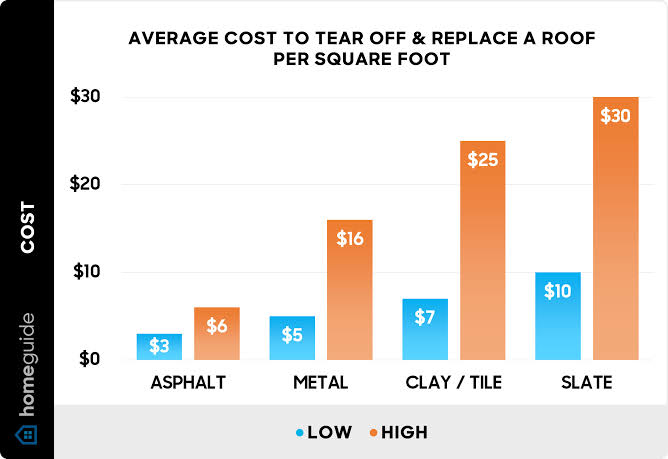
    • Material Type: Asphalt shingles are the most affordable, while metal or slate costs significantly more.
    • Labor Rates: Urban areas typically have higher hourly wages for roofing crews.
    • Roof Pitch: Steeper roofs require more safety equipment and time, increasing labor costs.
    • Underlayment Condition: If the wood decking beneath the shingles is rotted, repair costs will rise.

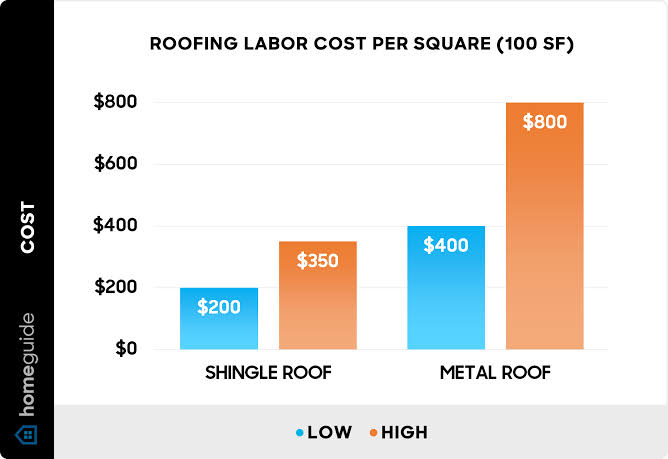
    According to recent industry data, labor often accounts for 60% of the total cost, while materials make up the remaining 40%. This is why getting multiple quotes is essential.

    Pro Tip: Always ask if the quote includes tear-off and disposal fees. These hidden costs can add $1,000 or more to your final bill.

    Is Replacing Half a Roof Actually Feasible?

    Before diving deeper into costs, we must address a critical structural question: Can you actually replace just half?

    Many roofing contractors hesitate to perform partial replacements. The primary concern is warranty validity. Most manufacturers void warranties if new shingles are mixed with old ones due to inconsistent aging and ventilation issues. Additionally, matching the exact color and style of older shingles is often impossible due to weathering and product discontinuation.

    If your roof is less than five years old, a partial repair is usually viable. If it is older than ten years, a full replacement is often recommended to ensure uniform protection and aesthetic appeal.

    For more detailed information on roofing materials and their lifespans, you can refer to this Wikipedia article on Roofing.

    Cost Comparison by Material Type

    The material you choose drastically impacts the final price. Below is a comparison of common roofing materials for a partial (half) replacement scenario.

    MaterialEstimated Cost per Sq. Ft.Total Est. for Half Roof (1,000 sq. ft.)Lifespan
    Asphalt Shingles$3.50 – $5.50$3,500 – $5,50015-20 Years
    Metal Roofing$7.00 – $12.00$7,000 – $12,00040-70 Years
    Wood Shakes$6.00 – $9.00$6,000 – $9,00020-25 Years
    Clay Tiles$10.00 – $18.00$10,000 – $18,00050+ Years

    Note: Prices include basic labor and materials. Complex roof structures will increase these estimates.

    Why Asphalt Shingles Remain Popular

    Asphalt shingles dominate the US market because they offer the best balance of cost and durability. For a half-roof replacement, they are the easiest to match and install quickly. However, if you live in an area prone to hail or high winds, investing in impact-resistant shingles might be worth the extra $1,000–$2,000.
    How Much Does It Cost To Replace Half A Roof

    Hidden Costs You Might Overlook

    When asking “how much does it cost to replace half a roof,” many homeowners forget about ancillary expenses. These hidden costs can surprise you if not budgeted for upfront.

    1. Permit Fees: Most municipalities require permits for roofing work. Fees range from $100 to $500 depending on your city.
    2. Ventilation Upgrades: Older roofs often lack proper ventilation. Adding ridge vents or soffit vents during the replacement can cost $300–$800 but prevents future mold issues.
    3. Gutter Protection: If your gutters are old, the debris from tearing off the old roof might damage them. Budget for gutter cleaning or minor repairs.
    4. Interior Repairs: If the leak has been present for a while, you may need to repair drywall or insulation inside your attic.

    Step-by-Step Guide to Getting an Accurate Quote

    To ensure you pay a fair price, follow these steps when hiring a contractor.

    1. Inspect the Damage Yourself: Take clear photos of the damaged area from the ground and inside the attic. Note any water stains on ceilings.
    2. Get Three Written Estimates: Do not rely on verbal quotes. Ensure each estimate breaks down material, labor, and disposal costs separately.
    3. Check Credentials: Verify that the roofer is licensed, insured, and bonded. Ask for proof of liability insurance.
    4. Ask About Warranty: Clarify if the warranty covers both materials and labor. A good labor warranty should last at least 2–5 years.
    5. Review the Contract: Ensure the start and end dates are specified. Avoid large upfront payments; a 30% deposit is standard.

    Pros and Cons of Partial vs. Full Replacement

    Making the right choice depends on your specific situation. Here is a quick comparison to help you decide.

    Partial Replacement (Half Roof)

    • Pros:
      • Lower upfront cost.
      • Faster installation time (1–2 days).
      • Less waste generated.
    • Cons:
      • Potential color mismatch.
      • May void existing manufacturer warranty.
      • Does not address wear on the other half of the roof.

    Full Replacement

    • Pros:
      • Uniform appearance and performance.
      • New full warranty coverage.
      • Increases home resale value significantly.
    • Cons:
      • Higher initial investment ($10,000–$25,000+).
      • Longer installation time (3–5 days).
      • More disruptive to daily life.

    Frequently Asked Questions (FAQ)

    1. Will my insurance cover half a roof replacement?

    Homeowners insurance typically covers roof damage caused by sudden events like storms, hail, or falling trees. It does not cover wear and tear or age-related deterioration. If the damage is isolated to one side due to a storm, insurance may cover the partial replacement. Always file a claim and let an adjuster inspect the damage first.

    2. Can I mix old and new shingles?

    Technically, yes, but it is not recommended. New shingles will look brighter and cleaner, creating a patchy appearance. Furthermore, the difference in thickness and flexibility between old and new shingles can lead to sealing issues, making the roof more susceptible to wind uplift.

    3. How long does it take to replace half a roof?

    For a standard asphalt shingle roof, a professional crew can complete a half-roof replacement in 1 to 2 days. This includes tearing off the old material, inspecting the decking, installing underlayment, and laying new shingles. Weather conditions can cause delays.

    4. Does replacing half a roof affect my home’s value?

    A partial replacement maintains the functionality of your home but does not add significant resale value compared to a full replacement. Buyers may view a partial roof as a future expense they will need to handle soon. However, it is better than having a leaking roof, which can severely detract from value.

    5. What is the best time of year to replace a roof?

    Late spring and early fall are ideal. Temperatures are moderate, allowing shingles to seal properly. Avoid winter if possible, as cold temperatures make asphalt shingles brittle and hard to install. Summer heat can also be challenging for workers and may cause shingles to soften excessively during installation.

    Conclusion

    So, how much does it cost to replace half a roof? While the average ranges from $5,000 to $12,000, the final price depends on materials, labor, and hidden structural needs. A partial replacement is a viable short-term solution for newer roofs or isolated damage, but it comes with trade-offs in aesthetics and warranty coverage.

    Always prioritize quality over the lowest bid. A well-installed partial roof can last another decade, giving you peace of mind and financial flexibility. If your roof is nearing the end of its life, consider saving for a full replacement to maximize your home’s value and protection.

    Found this guide helpful? Share it with your neighbors or on social media to help others navigate their roofing decisions confidently!
  • How Much Does It Cost To Get Your Roof Fixed?

    How Much Does It Cost To Get Your Roof Fixed?

    There is nothing quite as unsettling as seeing a water stain spread across your ceiling or finding shingles scattered on your lawn after a storm. For most homeowners, the immediate question isn’t just about the damage itself, but the financial impact: how much does it cost to get your roof fixed? Understanding these costs early can help you budget effectively and avoid being overcharged by contractors.

    In this guide, we will break down the typical price ranges, explain what drives these costs up or down, and provide actionable advice to ensure you get a fair deal. Whether you are dealing with a minor leak or significant storm damage, knowing the numbers puts you back in control.

    What Is the Average Cost of Roof Repairs in 2026?

    When planning your home maintenance budget, it is crucial to have a realistic baseline. In 2026, the national average for roof repairs in the United States typically falls between $400 and $1,100, with most homeowners paying around $750 for standard fixes.

    However, “average” can be misleading because roof issues vary wildly in severity. Minor repairs, such as replacing a few missing shingles or resealing a vent pipe, might cost as little as $150 to $400. On the other hand, major structural repairs or extensive leak mitigation can range from $1,200 to $3,500 or more.

    Several key factors influence where your project lands on this spectrum:

    • Roof Size and Pitch: Steeper roofs require more safety equipment and labor time.
    • Material Type: Asphalt shingles are cheaper to fix than slate, tile, or metal.
    • Location: Labor rates in urban areas like New York or San Francisco are significantly higher than in rural regions.
    • Urgency: Emergency repairs performed on weekends or holidays often incur premium fees.

    According to recent industry data, the cost per square foot for repairs generally hovers between $4.50 and $9.00, depending on the complexity of the job. Always request itemized quotes to see exactly how these figures apply to your specific situation.

    How Do Material Choices Affect Repair Costs?

    The material your roof is made of is the single biggest determinant of repair costs. Different materials require different skills, tools, and replacement parts.

    Asphalt Shingles

    Asphalt remains the most popular roofing material in the US due to its affordability.

    • Repair Cost: $150–$450
    • Pros: Widely available, easy to replace, low labor cost.
    • Cons: Shorter lifespan (15–20 years), prone to wind damage.

    Metal Roofing

    Metal roofs are gaining popularity for their durability and energy efficiency.

    • Repair Cost: $300–$800
    • Pros: Long-lasting (40+ years), fire-resistant.
    • Cons: Higher initial repair cost, requires specialized contractors.

    Tile and Slate

    These premium materials offer unmatched aesthetics and longevity but come with a hefty price tag for repairs.

    • Repair Cost: $600–$1,500+
    • Pros: Extremely durable, high curb appeal.
    • Cons: Fragile during walking/repair, heavy (may require structural support), expensive materials.

    For a deeper understanding of various roofing materials and their historical context, you can refer to this Wikipedia article on roofing.

    How Much Does It Cost To Get Your Roof Fixed

    When Should You Repair vs. Replace Your Roof?

    One of the most common dilemmas homeowners face is deciding whether a repair is sufficient or if a full replacement is necessary. Making the wrong choice can lead to wasted money on temporary fixes that fail within months.

    Use this comparison table to help guide your decision:

    FactorChoose Repair If…Choose Replacement If…
    Age of RoofLess than 10–15 years oldOlder than 20 years (for asphalt)
    Damage ExtentLocalized to one area (<30% of roof)Widespread damage across multiple sections
    Shingle ConditionA few missing or curled shinglesGranule loss is widespread; bald spots visible
    Leak HistoryFirst or second leak occurrenceRecurring leaks despite previous repairs
    BudgetLimited immediate fundsPlanning to sell home or stay long-term

    Expert Tip: If your roof is nearing the end of its warranty period, a replacement might be more cost-effective in the long run. Constantly patching an aging roof often costs more over five years than a single replacement would.

    What Hidden Costs Should You Watch Out For?

    While the quote for shingles and labor might seem straightforward, several hidden costs can inflate your final bill. Being aware of these helps you prepare financially and negotiate better.

    1. Permit Fees: Most municipalities require permits for roofing work. These can range from $50 to $500 depending on your local laws. Ensure your contractor includes this in the estimate.
    2. Decking Repair: Once old shingles are removed, contractors may discover rotten wood decking underneath. Replacing plywood decking typically costs $2.50 to $4.00 per square foot.
    3. Dumpster and Disposal: Removing old roofing materials generates significant waste. Dumpster rental and disposal fees can add $200 to $600 to your total.
    4. Flashing and Ventilation: Often overlooked, damaged flashing around chimneys and vents needs replacement to prevent future leaks. This can add $100 to $300 per incident.

    Always ask your contractor: “Does this quote include tear-off, disposal, and potential decking repairs?” A transparent contractor will provide a contingency clause for unforeseen structural issues.

    How to Find a Reliable Roofing Contractor

    Finding the right professional is just as important as understanding the cost. A low bid from an unlicensed handyman can lead to costly mistakes and voided warranties.

    Follow these steps to vet your roofer:

    1. Check Licensing and Insurance: Verify that they hold a valid state license and carry both liability and workers’ compensation insurance. This protects you from being liable for accidents.
    2. Read Recent Reviews: Look for reviews on Google, Yelp, and the Better Business Bureau (BBB). Pay attention to how the company responds to negative feedback.
    3. Get Multiple Quotes: Aim for at least three detailed estimates. Be wary of quotes that are significantly lower than the others; this often indicates cut corners or hidden fees.
    4. Ask for References: A reputable contractor should be able to provide contact information for past clients in your area.
    5. Review the Contract: Ensure the contract specifies start and end dates, payment schedules, material brands, and warranty details. Never pay the full amount upfront.

    FAQ Section

    1. Does homeowners insurance cover roof repairs?

    It depends on the cause of the damage. Most policies cover sudden, accidental damage caused by storms, hail, or falling objects. However, they typically do not cover wear and tear, lack of maintenance, or gradual leaks. Always review your policy and document the damage with photos before filing a claim.

    2. How long does a typical roof repair take?

    Minor repairs, such as fixing a small leak or replacing a few shingles, can often be completed in half a day to one day. More extensive repairs involving flashing, decking, or larger sections may take 2 to 3 days. Weather conditions can also impact the timeline.

    3. Can I repair my roof myself to save money?

    While DIY might seem cost-effective, roofing is dangerous and technically complex. Incorrect installation can void warranties and lead to worse leaks. We recommend DIY only for very minor tasks, like cleaning gutters or replacing a single, easily accessible shingle. For anything involving heights or waterproofing, hire a professional.

    4. What is the best season to fix a roof?

    Spring and early fall are ideal because the weather is mild and dry. Summer can be too hot for workers and materials, while winter poses risks due to ice and snow. However, if you have an active leak, do not wait for the “perfect season”—address it immediately to prevent interior damage.

    5. How can I extend the life of my roof after repairs?

    Regular maintenance is key. Clean your gutters twice a year to prevent water backup, trim overhanging tree branches to reduce debris and physical damage, and inspect your attic for signs of moisture or poor ventilation annually.

    Conclusion

    Knowing how much does it cost to get your roof fixed empowers you to make smart financial decisions for your home. While the average cost ranges from $400 to $1,100, your specific price will depend on materials, damage extent, and location. By understanding these variables, watching out for hidden fees, and choosing a reputable contractor, you can protect your home without breaking the bank.

    Don’t let roof anxiety keep you up at night. Take action today by getting those quotes and securing your home’s future.

    Found this guide helpful? Share it with your neighbors on Facebook or Twitter to help them prepare for their next home maintenance project!

  • How Much Does It Cost To Fix A Leaking Roof?

    How Much Does It Cost To Fix A Leaking Roof?

    Discovering a water stain on your ceiling is every homeowner’s nightmare. It triggers immediate anxiety about structural damage, mold growth, and, most pressingly, the financial hit. If you are staring at that damp patch and wondering how much does it cost to fix a leaking roof, you are not alone. This guide breaks down the real costs, hidden factors, and smart strategies to handle this stressful situation without breaking the bank.

    Understanding the Price Range: What to Expect in 2026

    The short answer is that fixing a leaking roof can cost anywhere from $350 to $4,500+, depending heavily on the severity of the leak and the type of roofing material. However, a single number rarely tells the whole story. Most minor repairs, such as replacing a few shingles or resealing flashing, typically fall between $350 and $1,500.

    For more significant issues involving structural decking or extensive water damage, costs can skyrocket to $2,000–$4,500. According to recent industry data, the national average for minor roof repairs sits around $950. It is crucial to understand that these figures are estimates; local labor rates, material availability, and the complexity of your roof’s pitch play massive roles in the final bill.

    Key Factors Influencing Repair Costs

    Several variables dictate where your specific repair falls within that price spectrum:

    • Roof Pitch and Accessibility: Steep roofs require special safety equipment and more labor time, increasing costs by 20–30%.
    • Material Type: Asphalt shingles are the cheapest to repair. Slate, tile, and metal roofs require specialized skills and expensive materials.
    • Extent of Damage: Is it just a missing shingle, or has water rotted the underlying plywood decking?
    • Location: Labor costs in urban areas like New York or San Francisco are significantly higher than in rural regions.

    Common Causes of Leaks and Their Specific Repair Costs

    Not all leaks are created equal. Identifying the source is the first step in determining the cost. Here is a breakdown of common culprits and their typical repair price tags.

    1. Damaged or Missing Shingles

    This is the most common cause of leaks. High winds, hail, or age can crack or dislodge shingles.

    • Cost: $150 – $500
    • Process: A roofer will lift surrounding shingles, apply roofing cement, and nail in new shingles. If only a small area is affected, this is a quick and affordable fix.

    2. Faulty Flashing

    Flashing is the metal strip used to seal joints around chimneys, vents, and skylights. When the sealant fails or the metal corrodes, water seeps in.

    • Cost: $300 – $1,000
    • Process: This involves removing old caulking, potentially replacing sections of metal flashing, and applying high-grade urethane sealant. It requires precision to ensure a watertight seal.

    3. Clogged Gutters and Ice Dams

    In colder climates, ice dams can force water under shingles. In warmer months, clogged gutters cause water to back up onto the roof deck.

    • Cost: $200 – $600 (for cleaning and minor sealant work)
    • Process: Clearing debris is cheap, but if ice dams have caused shingle lift-off, you may need shingle replacement too. Installing heat cables or improving insulation can prevent recurrence.

    4. Vent Pipe Boots

    The rubber boots around plumbing vents dry out and crack over time, creating a direct path for rain.

    • Cost: $150 – $350
    • Process: This is one of the easiest fixes. The old boot is removed, and a new universal-fit rubber boot is slid over the pipe and sealed.

    Repair vs. Replacement: When Is It Time for a New Roof?

    One of the biggest questions homeowners face is whether to patch the leak or replace the entire roof. Making the wrong choice can lead to wasted money.

    FeatureMinor RepairFull Replacement
    Average Cost$350 – $1,500$8,000 – $25,000+
    Lifespan Extension2–5 years15–30 years
    Best ForLocalized damage, newer roofsWidespread wear, multiple leaks
    Time Required1–4 hours3–7 days

    Expert Insight: If your roof is less than 10 years old and the leak is isolated, repair is usually the best option. However, if your roof is approaching its expected lifespan (20 years for asphalt, 50+ for slate) and you have multiple leaks, a replacement offers better long-term value. Continuously patching an old roof is often described as “throwing good money after bad.”

    How Much Does It Cost To Fix A Leaking Roof

    Step-by-Step: How Professionals Fix a Leak

    Understanding the process helps you verify if a contractor is doing the job correctly. Here is how a standard shingle repair is executed:

    1. Inspection and Marking: The roofer identifies the leak source from both the attic (looking for water trails) and the exterior. They mark the damaged area with chalk.
    2. Safety Setup: Ladders are secured, and harnesses are worn if the pitch is steep. Tarps are laid out to protect landscaping from falling nails.
    3. Removal: The damaged shingles are carefully lifted. Nails holding them are pulled out using a pry bar. Any rotten decking underneath is cut out and replaced with new plywood.
    4. Installation: New underlayment (if needed) is applied. New shingles are nailed into place, ensuring they align with the existing pattern.
    5. Sealing: Roofing cement is applied under the edges of the new shingles and any adjacent flashing to ensure a watertight bond.
    6. Cleanup: A magnetic roller is used to pick up stray nails, protecting your tires and lawn.

    The Hidden Cost of Delaying Repairs

    Many homeowners hesitate to call a roofer, hoping the leak will stop or get better. This is a dangerous gamble. Water damage is progressive.

    • Mold Remediation: If water sits in your attic for weeks, black mold can develop. Professional mold removal costs $1,500 – $3,000.
    • Structural Integrity: Rotting rafters and trusses compromise your home’s safety. Structural repairs can exceed $5,000.
    • Insulation Damage: Wet insulation loses its R-value and must be replaced, adding hundreds to your bill.

    As noted by building science experts, even a small drip can saturate insulation quickly, leading to higher energy bills and poor indoor air quality. For more detailed information on how water affects building materials, you can refer to resources on water damage mechanisms.

    How to Choose the Right Roofer and Avoid Scams

    The roofing industry unfortunately has its share of “storm chasers” who appear after bad weather, offering cheap fixes but delivering poor work.

    • Check Licensing and Insurance: Never hire a roofer without general liability and workers’ compensation insurance. Ask for proof.
    • Get Three Quotes: Prices vary wildly. If one quote is 50% lower than the others, be suspicious. They may be cutting corners or using subpar materials.
    • Read Reviews: Look for recent reviews on Google and BBB. Pay attention to comments about cleanup and communication.
    • Warranty Matters: A reputable roofer will offer a workmanship warranty (typically 2–10 years) in addition to the manufacturer’s material warranty.

    FAQ Section

    1. Does homeowners insurance cover a leaking roof?

    It depends on the cause. If the leak is due to a sudden event like a storm, fallen tree, or hail, insurance usually covers it minus your deductible. However, if the leak is due to lack of maintenance, wear and tear, or age, insurance will likely deny the claim. Always document the damage with photos before calling your insurer.

    2. Can I fix a leaking roof myself?

    Minor issues like replacing a single shingle or sealing a vent boot can be DIY projects if you are comfortable working at heights. However, walking on a roof is dangerous. If you are unsure, lack safety gear, or have a steep roof, hire a professional. One slip can result in severe injury or further damage to the roof.

    3. How long does a roof repair take?

    Most minor repairs are completed in under 4 hours. More complex repairs involving flashing or decking replacement may take a full day. Full replacements take several days. Weather conditions can also cause delays, as roofers cannot work safely in rain or high winds.

    4. What is the cheapest way to fix a roof leak temporarily?

    If you cannot get a roofer immediately, you can use a tarp secured with ropes or heavy objects to cover the leak area from the outside. From the inside, placing a bucket and poking a small hole in the sagging ceiling drywall can relieve pressure and prevent a larger collapse. Note that these are emergency measures only, not permanent fixes.

    5. Will a new layer of shingles fix a leak?

    No. Adding a second layer of shingles (overlay) does not fix underlying leaks. In fact, it can trap moisture and make future repairs harder. The source of the leak must be identified and repaired directly before any new materials are added.

    Conclusion

    Knowing how much does it cost to fix a leaking roof empowers you to make informed decisions rather than panic-driven ones. While the average cost ranges from $350 to $1,500 for minor fixes, early intervention is the key to keeping costs low. Ignoring a small drip can lead to thousands of dollars in structural and mold remediation costs later.

    Take action today. Inspect your attic, document any signs of water, and get at least three quotes from licensed professionals. Your home is your biggest investment—protect it wisely.

    Found this guide helpful? Share it with your neighbors on Facebook or Twitter to help them prepare for storm season!