Have you ever looked at a pile of leftover roofing materials after a renovation and wondered if they could find a new life among your flowers? Repurposing building materials is a fantastic way to save money and reduce waste, but health concerns often arise. Many homeowners ask, “Is it safe to use roofing tiles in your garden?” before starting their next DIY project.
The short answer is: it depends heavily on the material, age, and condition of the tiles. While many modern tiles are perfectly safe, older ones may contain hazardous substances like asbestos or heavy metals. In this comprehensive guide, we will break down everything you need to know to make an informed, safe, and beautiful decision for your outdoor space.
Understanding the Risks: What Are Roofing Tiles Made Of?
To determine safety, we must first identify the material. Roofing tiles generally fall into three main categories: clay, concrete, and slate. Each has different chemical compositions and potential risks when placed in soil or near edible plants.
Clay and Terracotta Tiles
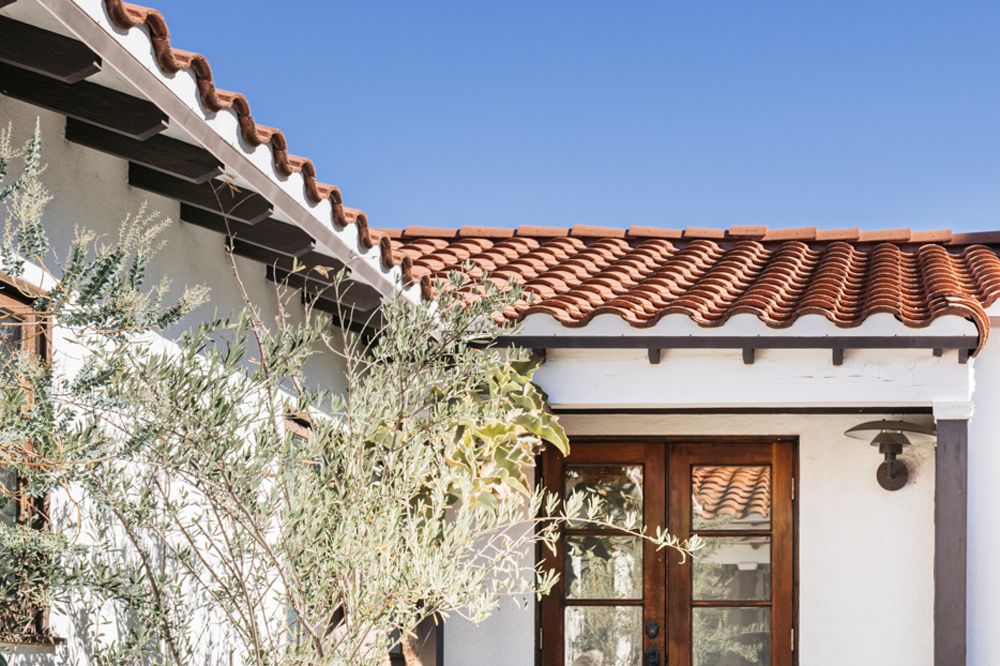
Clay tiles are made from natural earth minerals fired at high temperatures. They are generally inert, meaning they do not react chemically with soil or water.
- Safety Level: High.
- Best For: Raised beds, pathway edging, and decorative mulch.
- Concerns: Minimal. However, ensure they are not glazed with lead-based paints (common in very old antique tiles).
Concrete Tiles
Concrete tiles are a mixture of cement, sand, and water. Modern concrete tiles are usually safe, but they are highly alkaline when new.
- Safety Level: Moderate to High.
- Best For: Hardscaping, patios, and non-edible garden borders.
- Concerns: Fresh concrete can raise soil pH significantly. Over time, they may leach lime, which can affect acid-loving plants like blueberries or azaleas.
Slate Tiles
Natural slate is a metamorphic rock. It is durable and chemically stable.
- Safety Level: High.
- Best For: Water features, stepping stones, and rock gardens.
- Concerns: Physical sharpness rather than chemical toxicity. Ensure edges are smoothed if used in high-traffic areas.
The Asbestos Danger (Crucial Warning)
If your home was built or renovated before the 1980s, there is a risk that fiber-cement roofing sheets or tiles contain asbestos. Asbestos is a known carcinogen when its fibers are inhaled.
- Action: If you suspect your tiles contain asbestos, do not break, cut, or drill them. Consult a professional hazardous material tester. Never use asbestos-containing materials in a garden where soil disturbance occurs.
People Also Ask: Common Safety Questions Answered
When considering reusing roofing materials, users often have specific concerns about contamination and plant health. Let’s address the most frequent questions found in search results.
Can Chemicals Leach from Roofing Tiles into Soil?
For standard clay and natural slate, leaching is negligible. However, concrete tiles can release calcium hydroxide (lime) during the first few months of exposure to rain. This can temporarily alter the soil chemistry.
- Solution: Wash new concrete tiles thoroughly and let them weather outdoors for a few weeks before placing them directly against sensitive plant roots.
Are Old Roofing Tiles Safe for Vegetable Gardens?
Using reclaimed tiles for vegetable raised beds requires caution.
- Avoid Lead Glazes: Older decorative clay tiles might have lead-based glazes. If the glaze is chipping, do not use it near food crops.
- Avoid Treated Wood Backing: Sometimes tiles are attached to wooden battens treated with arsenic or copper compounds. Remove all wood attachments before using the tiles.
- Use a Barrier: For peace of mind, line the inside of your raised bed with heavy-duty landscape fabric before placing the tiles as edging. This prevents direct soil contact with any potential residual contaminants.
Do Roofing Tiles Affect Soil pH?
Yes, particularly concrete. Concrete is alkaline (pH 12–13 when fresh). If you are growing acid-loving plants, place concrete tiles away from the root zones or use clay/slate instead. You can test your soil pH using a simple kit available at any garden center. If the pH rises above 7.5 near the tiles, consider amending the soil with sulfur or peat moss.
Step-by-Step Guide: How to Safely Prepare Reclaimed Tiles
If you have determined your tiles are safe (non-asbestos, non-lead), follow these steps to prepare them for garden use. Proper preparation ensures longevity and minimizes any minor chemical risks.
- Inspection and Cleaning
- Wear gloves and a dust mask (N95 recommended) to avoid inhaling silica dust or mold spores.
- Scrub the tiles with a stiff brush and a solution of water and mild vinegar (1 part vinegar to 10 parts water). This helps neutralize surface alkalinity on concrete tiles.
- Rinse thoroughly with a hose.
- Smoothing Sharp Edges
- Broken tiles can be dangerous. Use a masonry file or wet sandpaper to smooth any jagged edges.
- Tip: Keep the stone wet while sanding to suppress dust.
- Weathering Period
- Lay the cleaned tiles out in a sunny, rainy area of your yard for 2–4 weeks. This allows rain to naturally wash away any remaining loose particles and stabilizes the pH of concrete tiles.
- Installation
- Dig a trench slightly deeper than the tile height.
- Add a 2-inch layer of gravel for drainage.
- Place the tiles firmly into the soil. For vertical edging, backfill with soil and tamp down gently.
Pros and Cons: Is It Worth the Effort?
Before you start hauling tiles, weigh the benefits against the drawbacks.
| Feature | Benefits | Drawbacks |
|---|---|---|
| Cost | Free or very cheap if reclaimed from your own roof. | Labor-intensive to clean and transport. |
| Aesthetics | Rustic, charming, and unique look. Adds texture. | Can look messy if not arranged neatly. |
| Durability | Extremely long-lasting; resistant to rot and pests. | Heavy; difficult to move once installed. |
| Environmental | Reduces landfill waste; lowers carbon footprint. | None significant, provided materials are safe. |
| Plant Health | Clay retains moisture well for nearby plants. | Concrete may alter soil pH initially. |
Expert Insight: Sustainability in Landscaping
According to sustainable landscaping principles, reusing materials is one of the most effective ways to reduce the environmental impact of gardening. By keeping roofing tiles out of landfills, you are participating in the circular economy.
For more information on the environmental impact of construction materials, you can refer to resources on Sustainable Construction Materials which highlight the importance of reuse and recycling in modern building practices.
Experts suggest that while buying new, certified garden-safe pavers is easier, the carbon footprint of manufacturing and transporting new concrete or clay products is significantly higher than repurposing existing materials. Therefore, if your tiles are clean and safe, using them is an eco-friendly choice.
Creative Ways to Use Roofing Tiles in Your Garden
Once you have confirmed safety, here are some stylish applications:
- Raised Bed Edging: Stand clay tiles vertically to create a rustic border for vegetable patches. The terracotta color complements green foliage beautifully.
- Pathway Steppers: Use large, flat slate or concrete tiles as stepping stones. Embed them in grass or gravel for a natural look.
- Rock Garden Features: Break larger tiles into irregular shapes to mimic natural rock formations. Use them to create crevices for alpine plants.
- Bird Bath Base: Stack flat tiles to create a sturdy, elevated platform for a bird bath bowl.
- Mulch Alternative: Crushed clay tiles (terracotta chips) can be used as a decorative, weed-suppressing mulch. They do not decompose like wood chips, making them a permanent solution.
FAQ Section
1. Can I use broken roofing tiles in my compost bin?
No, it is not recommended. Tiles do not decompose and will contaminate your compost. Additionally, if the tiles contain any hazardous materials, you risk spreading those contaminants throughout your garden when you use the compost. Stick to organic materials for composting.
2. How do I know if my tiles contain asbestos?
You cannot tell by looking alone. If your home was built before 1990 (and especially before 1980), assume they might contain asbestos until proven otherwise. Contact a local environmental testing lab or a professional roofing contractor to take a sample for analysis. Do not attempt to test it yourself by breaking the tile.
3. Will roofing tiles crack in freezing weather?
Clay and slate are generally frost-resistant if they are dense and low-porosity. However, cheap concrete tiles can absorb water, which expands when frozen, leading to cracking. If you live in a climate with harsh freeze-thaw cycles, ensure your concrete tiles are sealed or choose clay/slate options.
4. Can I paint roofing tiles for my garden?
Yes, but use exterior-grade, non-toxic masonry paint. Avoid paints with high VOCs (Volatile Organic Compounds) if the tiles are near vegetable gardens. Painting can also help seal porous concrete tiles, reducing lime leaching.
5. Do roofing tiles attract pests?
Unlike wood mulch, roofing tiles do not attract termites or carpenter ants. However, the gaps between tiles can provide shelter for slugs, snails, or spiders. If this is a concern, keep the area around the tiles clear of debris and consider using diatomaceous earth as a natural barrier.
Conclusion
So, is it safe to use roofing tiles in your garden? Yes, in most cases, it is a safe, sustainable, and aesthetically pleasing choice—provided you take the necessary precautions. By identifying the material, checking for asbestos in older homes, and preparing the tiles correctly, you can transform waste into a garden feature that lasts for decades.
Repurposing materials not only saves you money but also contributes to a healthier planet. Whether you are creating a rustic pathway or defining your vegetable beds, reclaimed tiles offer a charm that new materials simply cannot replicate.
Did you find this guide helpful? Share this article with your fellow gardening enthusiasts on social media to help them upcycle safely! Let’s build greener, safer gardens together.
Leave a Reply