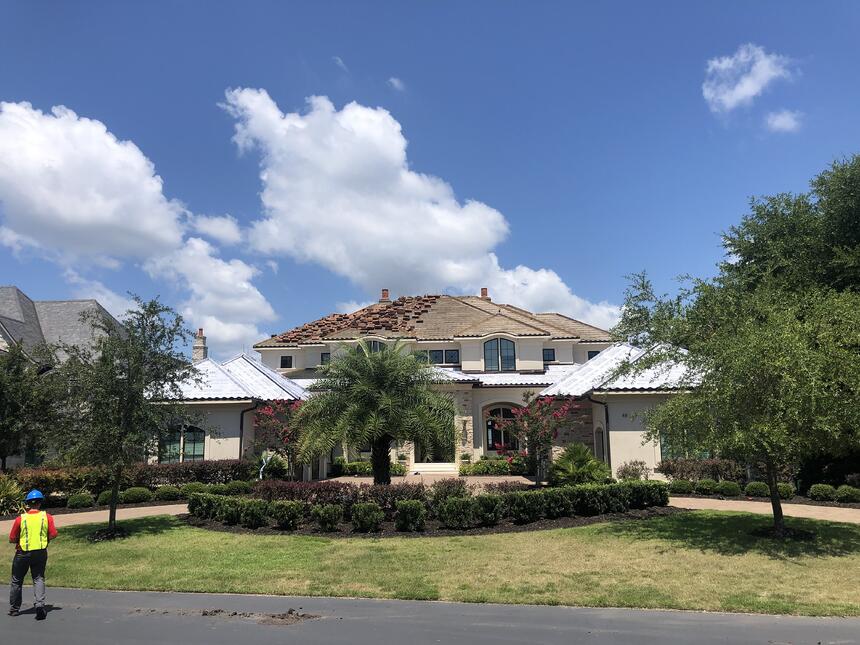
Staring up at water stains on your ceiling or missing shingles after a storm is terrifying. The stress compounds when you check your bank account and realize the funds just aren’t there. You are not alone in feeling stuck; many homeowners face the dilemma where they think, “I need a new roof but can’t afford it,” yet delaying repairs only leads to costlier structural damage.
The good news is that lack of immediate cash does not mean you are out of options. From government assistance programs to strategic financing, there are pathways to secure a safe, dry home without financial ruin. This guide breaks down actionable steps to help you navigate this challenging situation with confidence and clarity.
Why Is My Roof Failing So Soon?
Before diving into solutions, it is crucial to understand why you need a replacement. Knowing the cause can sometimes help you determine if insurance might cover part of the cost.
Roofs typically last between 20 to 30 years, depending on the material. However, extreme weather events, poor initial installation, or lack of maintenance can shorten this lifespan significantly. According to industry standards, asphalt shingles—the most common roofing material in the US—begin to degrade noticeably after 15–20 years.
If your roof is leaking due to sudden storm damage (like hail or wind), this is often classified as an “act of God” or sudden peril. This distinction is vital because homeowners insurance is more likely to cover sudden damage than wear and tear. Always document the damage with photos before cleaning up debris.
Can Insurance Cover My New Roof?
Many homeowners assume their policy covers everything, but the reality is nuanced. Most standard policies cover “sudden and accidental” damage but exclude normal aging.
Steps to Check Your Coverage:
- Review Your Policy: Look for sections labeled “Dwelling Coverage” or “Perils Insured.”
- Document Everything: Take clear, dated photos of leaks, missing shingles, and interior water damage.
- Get a Professional Inspection: Hire a licensed roofer to write a detailed report stating the cause of failure.
- File a Claim Promptly: Do not wait. Most insurers have strict deadlines for reporting damage.
If the damage is due to age, insurance will likely deny the claim. In this case, you must look toward alternative funding sources. For a deeper understanding of how property insurance works, you can refer to general principles outlined on Wikipedia’s page on Property Insurance.
What Government Grants Are Available for Roof Repair?
If you have a low income, are elderly, or have a disability, federal and state programs may offer grants that do not need to be repaid. Unlike loans, grants are free money, but they are competitive and have strict eligibility criteria.
Key Programs to Explore:
- USDA Section 504 Home Repair Program: This program provides loans and grants to very-low-income homeowners in rural areas. Grants are specifically available to elderly homeowners (age 62+) to remove health and safety hazards.
- HUD Title I Property Improvement Loan Insurance: While this is technically insurance for lenders, it facilitates loans for home improvements, including roofing, for borrowers who might not qualify for traditional financing.
- State and Local Housing Finance Agencies (HFAs): Many states have their own emergency repair programs. For example, California has the CalHFA programs, while New York offers specific home repair grants for seniors.
Pro Tip: Visit your local city hall or county housing department website. Search for “community development block grants” (CDBG) which often fund local non-profits that assist with home repairs.
How Can I Finance a New Roof With Bad Credit?
Not everyone qualifies for traditional bank loans, especially if credit scores are below 620. However, the roofing industry has adapted to this reality with specialized financing options.
Comparison of Financing Options
| Financing Type | Interest Rate | Credit Score Needed | Best For |
|---|---|---|---|
| Home Equity Loan | Low (Fixed) | 620+ | Homeowners with significant equity |
| Personal Loan | Medium-High | 580+ | Quick funding, no collateral needed |
| Roofing Company Financing | Varies (Often High) | Flexible | Convenience, bundled with service |
| Credit Card (0% APR) | 0% Introductory | 670+ | Short-term payoff plans |
| FHA 203(k) Loan | Low | 580+ | Major renovations + purchase/refinance |
Roofing Company Financing: Many large roofing contractors partner with third-party lenders like GreenSky or Wellmark. These programs often offer “same-as-cash” deals if paid within 12–24 months. Warning: Read the fine print. If you miss one payment, retroactive interest may apply, skyrocketing your debt.
Are There Non-Profit Organizations That Help?
Yes, several non-profit organizations focus on helping vulnerable populations maintain safe housing.
- Habitat for Humanity: While known for building new homes, many local affiliates operate “Critical Home Repair” programs that fix roofs, ramps, and plumbing for low-income families.
- Rebuilding Together: This national nonprofit partners with local organizations to provide free home repairs for veterans, the elderly, and people with disabilities.
- Local Religious Charities: Churches and community centers often have discretionary funds or volunteer groups dedicated to helping neighbors in crisis.
To find these resources, search online for “[Your City] + homeless prevention services” or “housing assistance charity.” Even if they don’t have funds, they often have directories of trusted, low-cost contractors.
Can I Save Money by Doing Partial Repairs?
If a full replacement is financially impossible right now, consider patching and maintenance as a stopgap measure. This is not a permanent solution, but it can buy you 1–3 years to save money.
Cost-Saving Strategies:
- Targeted Patching: Replace only the damaged shingles and seal flashing around chimneys and vents. This costs a fraction of a full replacement.
- Roof Coating: For flat or low-slope roofs, elastomeric coatings can seal minor cracks and reflect heat, extending the roof’s life by 5–10 years.
- Gutter Maintenance: Clogged gutters cause water to back up under shingles. Cleaning them regularly prevents unnecessary water damage.
Note: Never attempt to walk on a steep roof yourself if you lack experience and safety gear. Falls are the leading cause of construction-related deaths. Hire a handyman for minor patches if you cannot climb safely.
How Do I Find Affordable Roofing Contractors?
Price variation among roofers can be massive. Getting multiple quotes is the single most effective way to lower costs.
Step-by-Step Guide to Hiring:
- Get 3–5 Quotes: Do not settle for the first estimate. Prices can vary by 20–30% for the same job.
- Ask for Material Alternatives: Ask if using architectural shingles instead of premium slate or metal can reduce costs. Asphalt shingles are the most budget-friendly option.
- Check for Off-Season Discounts: Roofing demand peaks in late summer and fall. Scheduling work in winter or early spring (weather permitting) may yield discounts.
- Verify Licensing and Insurance: Ensure the contractor is licensed in your state and carries liability insurance. This protects you from lawsuits if a worker is injured on your property.
Frequently Asked Questions (FAQ)
1. Can I get a new roof with no money down?
Yes, some roofing companies offer “no money down” financing options through third-party lenders. However, this usually requires a credit check and may come with higher interest rates. Always read the contract carefully to understand the total repayment amount.
2. Does homeowners insurance cover roof leaks due to age?
Generally, no. Insurance covers sudden, accidental damage (like a tree falling). Wear and tear, aging, and lack of maintenance are considered the homeowner’s responsibility. However, if age-related weakness made the roof susceptible to storm damage, you might negotiate a partial claim.
3. What is the cheapest type of roof to install?
Asphalt 3-tab shingles are typically the cheapest upfront option. They are widely available, easy to install, and cost significantly less than metal, tile, or slate roofing. While they have a shorter lifespan (15–20 years), they are ideal for tight budgets.
4. Can I use a HELOC (Home Equity Line of Credit) for a roof?
Yes, a HELOC is a popular choice because it uses your home’s equity as collateral, resulting in lower interest rates than personal loans. However, your home is at risk if you fail to repay the loan. Only use this option if you have a stable income and a repayment plan.
5. Are there tax credits for replacing a roof?
Currently, there is no federal tax credit specifically for standard roof replacements. However, if you install energy-efficient roofing materials (like cool roofs or solar-integrated shingles), you may qualify for the Residential Clean Energy Credit or other local energy efficiency rebates. Check the IRS website for current forms.
Conclusion
Facing the thought “I need a new roof but can’t afford it“ is undeniably stressful, but it is not a dead end. By exploring insurance claims, applying for government grants like USDA Section 504, utilizing non-profit resources, or choosing smart financing options, you can protect your home and your family.
Remember, delaying repairs often leads to mold, structural damage, and higher costs later. Take action today by getting three quotes and contacting your local housing authority. Your peace of mind is worth the effort.
Found this guide helpful? Share it on Facebook or Twitter to help a friend who might be struggling with home repairs!
Leave a Reply