Storms happen, trees fall, and roofs age. It is a stressful reality for every homeowner. When damage occurs, the immediate financial burden can feel overwhelming. You might find yourself staring at ceiling stains or missing shingles, asking the critical question: Can I use my homeowners insurance to replace my roof?
The short answer is: it depends on why the roof needs replacing. Insurance is designed to protect against sudden, accidental events, not general wear and tear. In this guide, we will break down exactly what is covered, what isn’t, and how to navigate the claims process with confidence. Let’s turn that confusion into clarity.
Understanding What Homeowners Insurance Actually Covers
To understand if you can file a claim, you must first understand the nature of your policy. Most standard HO-3 policies (the most common type in the US) cover “perils.” These are specific events that cause damage.
Covered Perils vs. Exclusions
Insurance companies distinguish between sudden damage and gradual deterioration. Here is a quick breakdown:
| Likely Covered | Likely NOT Covered |
|---|---|
| Windstorm damage (missing shingles) | Normal aging and wear |
| Hail impact (bruising or cracks) | Lack of maintenance |
| Falling objects (trees, branches) | Pre-existing leaks |
| Fire or lightning strikes | Pest infestation (rats, birds) |
| Weight of ice/snow (if structure fails) | Cosmetic issues only |
If your roof damage resulted from a sudden event like a hailstorm or a fallen tree branch, you have a strong case for coverage. However, if your roofer says the shingles are simply “old and brittle,” the insurance adjuster will likely deny the claim.
The Critical Factor: Age and Condition of Your Roof
One of the biggest misconceptions homeowners have is that insurance will pay for a brand-new roof regardless of its current state. This is rarely true.
Actual Cash Value (ACV) vs. Replacement Cost Value (RCV)
Your policy dictates how much you get paid. This distinction is vital for your wallet.
- Replacement Cost Value (RCV): The insurer pays the cost to replace the roof with new materials of similar kind and quality, minus your deductible. This is the gold standard.
- Actual Cash Value (ACV): The insurer pays the replacement cost minus depreciation. If your roof is 15 years old and has a 20-year lifespan, it has lost significant value. You might receive only 40-50% of the replacement cost.
Pro Tip: Check your declarations page. If you see “ACV” listed for the dwelling coverage, you may want to consider upgrading to RCV before your next storm season.
Step-by-Step Guide: How to File a Roof Insurance Claim
If you believe your damage is covered, follow these steps meticulously. Mistakes here can lead to delays or denials.
1. Document the Damage Immediately
Do not wait. Take clear, high-resolution photos of the damage from the ground and, if safe, from a ladder. Capture wide shots of the entire roof and close-ups of specific damage points (e.g., dented vents, missing shingles). Also, photograph any interior water damage.
2. Mitigate Further Damage
Insurance policies require you to prevent additional loss. Place tarps over leaks or buckets under drips. Keep receipts for any emergency repairs; these may be reimbursable.
3. Contact Your Insurance Provider
Call your agent or the claims hotline. Provide the date and cause of the loss. Be honest but concise. Do not speculate on the extent of the damage until a professional sees it.
4. Hire a Reputable Roofing Contractor
Before the insurance adjuster arrives, have a licensed local roofer inspect the damage. They can provide a detailed estimate. Note: Do not sign a contract with a roofer who promises to “waive your deductible.” This is insurance fraud and is illegal in most states.
5. Meet the Insurance Adjuster
The adjuster will assess the damage. Have your roofer present if possible. They can point out damage the adjuster might miss, such as soft spots in the decking or damaged flashing.
6. Review the Settlement Offer
Once the adjuster files their report, you will receive an initial payment. Compare this against your roofer’s estimate. If there is a discrepancy, you can negotiate. Provide your contractor’s detailed line-item estimate as evidence.
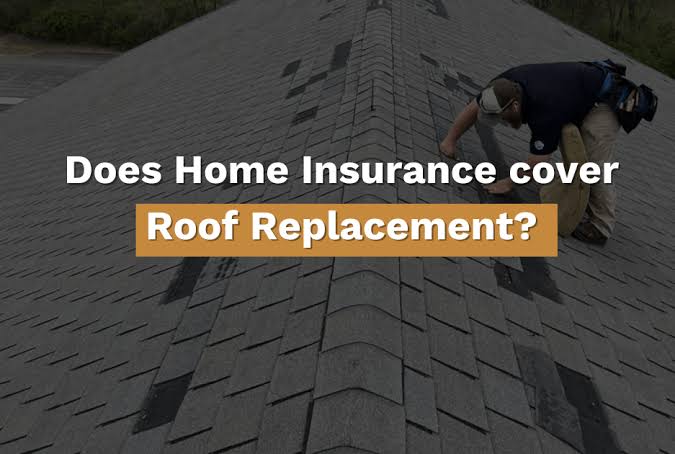
Common Reasons Claims Get Denied
Understanding why claims fail can help you avoid pitfalls. According to industry data, a significant portion of roof claims are denied due to lack of maintenance or pre-existing conditions.
- Neglect: If you ignored minor leaks for years, the resulting rot is considered neglect.
- Cosmetic Damage: Some policies exclude cosmetic hail damage if it doesn’t affect the roof’s functionality.
- Policy Lapse: Ensure your premiums were paid up to date at the time of the incident.
For more detailed information on property insurance standards, you can refer to general guidelines provided by Wikipedia.
When Should You Pay Out-of-Pocket Instead?
Not every roof issue warrants an insurance claim. Filing a claim can raise your premiums or even lead to non-renewal. Consider paying out-of-pocket if:
- The Cost is Close to Your Deductible: If repairs cost $1,500 and your deductible is $1,000, the insurer only pays $500. Is it worth the potential premium hike?
- Minor Repairs Suffice: If only a few shingles are missing and the rest of the roof is healthy, a simple repair is cheaper and faster.
- You Have Recent Claims: If you have filed two or more claims in the last three years, insurers may view you as high-risk.
FAQ Section
1. Will my insurance rates go up after a roof claim?
Yes, in most cases. A single claim can increase premiums by 10% to 20%, depending on your carrier and state laws. Multiple claims within a short period can have a more severe impact or lead to policy cancellation.
2. Does insurance cover a full roof replacement if only part is damaged?
Ideally, yes. If the damaged area cannot be matched with existing shingles (due to color fading or discontinuation), many policies allow for a full roof replacement to ensure uniform appearance. However, this depends on your specific policy language regarding “matching.”
3. What if the adjuster says the damage is just wear and tear?
You can dispute this. Hire an independent public adjuster or a certified roofing inspector to provide a second opinion. Their report can serve as powerful evidence when negotiating with your insurance company.
4. How long do I have to file a roof insurance claim?
Most policies require you to file “promptly” or within one year of the loss. However, waiting too long can make it difficult to prove the cause of damage. It is best to file within days of discovering the issue.
5. Can I choose my own roofing contractor?
Yes. Your insurance company cannot force you to use their preferred vendors. You have the right to choose any licensed and insured contractor. However, using their network might speed up the approval process.
Conclusion
So, can I use my homeowners insurance to replace my roof? Yes, if the damage was caused by a covered peril like wind, hail, or fire, and not by age or neglect. The key is acting quickly, documenting thoroughly, and understanding your policy’s specifics regarding ACV versus RCV.
Don’t let the stress of a damaged roof overwhelm you. By following the steps outlined above, you can navigate the claims process effectively and secure the funds needed to restore your home’s safety and value.
If you found this guide helpful, please share it on social media to help other homeowners navigate their insurance challenges. Stay prepared, stay informed, and keep your home secure.
Leave a Reply