Author: arshad481

  • 3500 159 WB High Roof Van Length Guide

    3500 159 WB High Roof Van Length Guide

    Are you struggling to figure out if your equipment will actually fit inside a new commercial vehicle before you sign the lease? You are not alone; many fleet managers and small business owners face costly mistakes by guessing van dimensions rather than verifying them. Understanding the specific 3500 159 Wb 3Dr High Roof Extended Cargo Van Length is critical for optimizing your workflow, ensuring safety compliance, and maximizing your return on investment. This guide breaks down the exact measurements you need to know.

    Understanding the Nomenclature: What Do These Numbers Mean?

    Before we dive into the tape measure, it is essential to decode the alphanumeric soup that manufacturers use. When you see “3500 159 WB 3Dr High Roof,” each component tells a specific story about the vehicleโ€™s physical footprint and utility.

    The “3500” designation typically refers to the gross vehicle weight rating (GVWR) class. In the US market, this usually points to heavy-duty cutaways or large vans like the Ram ProMaster 3500 or similar chassis cabs. It implies a robust frame capable of handling significant payload weights, often exceeding 4,000 pounds.

    The “159 WB” stands for Wheelbase. This is the distance between the center of the front wheel and the center of the rear wheel. A 159-inch wheelbase is considered “extended” in the high-roof category. It offers a crucial balance: it is long enough to provide substantial cargo volume but short enough to maintain reasonable maneuverability in urban environments compared to the massive 178-inch or longer wheelbases.

    “3Dr” indicates a three-door configuration. This usually means two front bucket seats and one large sliding side door for cargo access. Some configurations might include rear barn doors, but the “3Dr” label specifically highlights the side-loading capability, which is vital for tight parking spots where swinging rear doors isn’t an option.

    Finally, “High Roof” is the game-changer. Unlike standard roofs that force you to crouch, a high roof typically offers over 6 feet of interior standing height. This allows workers to stand upright, reducing fatigue and increasing efficiency during loading and unloading.

    Exact Exterior Dimensions: The Critical Measurements

    When planning for garage clearance, car washes, or drive-thrus, the exterior length is your primary concern. For a typical 3500-class van with a 159-inch wheelbase and high roof, the dimensions are substantial.

    While specifications can vary slightly between manufacturers (such as Ram, Ford, or Mercedes-Benz), the 3500 159 Wb 3Dr High Roof Extended Cargo Van Length generally falls within a specific range. For instance, the Ram ProMaster 3500 High Roof with a 159-inch wheelbase has an overall length of approximately 219 inches (about 18.25 feet).

    It is important to note that “Extended” in this context often refers to the wheelbase extension rather than an extra-long body kit. However, some upfitters may add bumpers or ladder racks that extend this length further. Always measure from the furthest point of the front bumper to the rearmost point of the rear door or bumper.

    Dimension TypeApproximate MeasurementNotes
    Overall Length219 – 222 inchesVaries by bumper style
    Wheelbase159 inchesFixed structural measurement
    Overall Height100 – 102 inchesIncludes roof ribs/AC units
    Width (Mirrors Folded)~79 inchesCritical for narrow lanes
    Width (Mirrors Out)~96 inchesCheck garage width

    Note: Always consult the specific manufacturerโ€™s spec sheet for the model year you are purchasing, as minor facelifts can alter bumper designs by an inch or two.

    Interior Cargo Space: Maximizing Your Payload

    Knowing the outside length is useful for parking, but the inside dimensions determine your profitability. The 3500 159 Wb 3Dr High Roof Extended Cargo Van Length translates into a massive internal volume that can handle everything from HVAC units to catering supplies.

    Standing Height and Usable Volume

    The high roof is the standout feature here. With an interior standing height of roughly 76 to 80 inches, most adults can stand fully upright. This is not just a comfort feature; it is a safety feature. Being able to stand reduces back strain when organizing tall items.

    The cargo volume for this configuration typically ranges between 350 to 400 cubic feet. To put that in perspective, you can fit:

    • Up to 12 standard 4×8 sheets of plywood (if laid flat and angled correctly).
    • Multiple large appliances like refrigerators or washing machines.
    • Extensive shelving units for mobile retail or service operations.

    Floor Length and Width

    The floor length is slightly shorter than the exterior length due to the thickness of the walls and the dashboard intrusion. Expect a usable floor length of approximately 140 to 145 inches. The width between the wheel wells is typically around 60 to 62 inches, allowing for standard pallets or wide equipment to slide in easily.

    For more detailed engineering standards on commercial vehicle dimensions, you can refer to general automotive classification data on Wikipedia.

    3500 159 Wb 3Dr High Roof Extended Cargo Van Length

    Performance and Handling: Is the 159 WB Right for You?

    Choosing the right wheelbase is a trade-off between stability and agility. The 159-inch wheelbase sits in the “sweet spot” for many US-based tradespeople.

    Maneuverability vs. Stability

    A shorter wheelbase (like 136 inches) turns tighter but can feel twitchy at highway speeds, especially when loaded. A longer wheelbase (178+ inches) feels like a bus on the highway but struggles in city parking garages. The 159 WB offers a compromise. It provides enough rear overhang to stabilize the load during highway cruising, reducing the “tail wagging the dog” effect, while still maintaining a turning radius that allows for U-turns in standard suburban streets.

    Payload Capacity

    The “3500” designation ensures you are getting a heavy-duty suspension. These vans often have a payload capacity ranging from 3,800 to 4,600 pounds, depending on the engine and options. This means you can load the van with heavy tools, materials, and even a passenger without nearing the GVWR limit. Always check the tire placard on the driverโ€™s side door jamb for the exact limit of your specific vehicle.

    Common Use Cases for This Configuration

    Why do so many professionals choose this specific 3500 159 Wb 3Dr High Roof Extended Cargo Van Length? Here are the top industries benefiting from this setup:

    1. HVAC and Plumbing: The high roof allows technicians to stand while retrieving parts from overhead bins. The length accommodates long pipes and ladders (if roof racks are used).
    2. Catering and Food Service: The volume is sufficient for large ovens, prep tables, and bulk ingredients. The 3-door setup allows quick side access for curbside pickup.
    3. Electrical and Contracting: Shelving systems can be installed along the full length, keeping thousands of small parts organized. The payload capacity handles heavy reels of wire and conduit.
    4. Mobile Retail: Pop-up shops benefit from the standing height, allowing customers to browse comfortably inside the van if converted properly.

    Maintenance Tips for Extended Wheelbase Vans

    Owning a larger van requires specific maintenance attention. The extended length puts more stress on certain components.

    • Tire Rotation: Due to the heavy front-end weight of the engine and the rear load, tire wear can be uneven. Rotate tires every 5,000 to 7,000 miles.
    • Suspension Checks: The 159 WB extends leverage on the rear axle. Regularly inspect leaf springs or coil springs for sagging, especially if you frequently carry max payload.
    • Blind Spots: The high roof and extended length create significant blind spots. Invest in extended side-view mirrors or a 360-degree camera system to mitigate accident risks.

    FAQ Section

    Q1: Can I fit a 16-foot ladder in a 159 WB High Roof Van?

    A: Generally, no, not inside the cargo area diagonally without significant difficulty. A 16-foot ladder is 192 inches long. The interior floor length is roughly 145 inches. You would need to use a roof rack or leave the rear doors open (which is unsafe while driving). Most users opt for external ladder racks for lengths over 12-14 feet.

    Q2: What is the fuel economy for a 3500 High Roof Van?

    A: Fuel economy varies by engine type (gas vs. diesel) and load. On average, expect between 14 to 18 MPG in mixed driving conditions. Diesel engines typically offer better torque for heavy loads and slightly better highway mileage, while gas engines may be cheaper to maintain.

    Q3: Is the 159 WB difficult to park in standard US parking spots?

    A: It is manageable but requires care. Standard US parking spots are 9 feet wide and 18-20 feet long. At ~18.25 feet long, the van will fit in length, but the width (especially with mirrors out) requires careful alignment. Practice using your side cameras or mirrors to avoid clipping adjacent vehicles.

    Q4: How does the “3Dr” configuration affect security?

    A: A 3-door van (two front doors, one sliding side door) is secure if equipped with proper locks. However, sliding doors can be vulnerable to pry attacks. Ensure you have reinforced locking mechanisms or install an internal bulkhead barrier to protect the cab from the cargo area.

    Q5: Can I convert this van into a camper?

    A: Absolutely. The 3500 159 Wb 3Dr High Roof Extended Cargo Van Length is a popular choice for camper conversions. The high roof allows for standing room, and the 159 WB provides enough space for a bed, kitchenette, and bathroom while remaining drivable for daily use.

    Q6: What is the difference between 2500 and 3500 models?

    A: The primary difference is payload capacity and suspension strength. The 3500 model is built for heavier loads, often featuring dual rear wheels (though some 3500s are single rear wheel) and a stronger frame. If you regularly carry over 3,000 pounds, the 3500 is the safer, more durable choice.

    Conclusion

    Selecting the right commercial vehicle is a strategic business decision. The 3500 159 Wb 3Dr High Roof Extended Cargo Van Length offers a powerful combination of volume, vertical space, and manageable driving dynamics. It is ideal for professionals who need to carry bulky items without sacrificing the ability to navigate urban landscapes.

    By understanding the exact dimensionsโ€”approximately 219 inches in length and over 6 feet in interior heightโ€”you can plan your upfits, shelving, and daily routes with confidence. Donโ€™t let guesswork cost you time or money. Measure twice, buy once.

    If you found this guide helpful, please share it with your fellow contractors and fleet managers on social media. Helping others make informed decisions builds a stronger, more efficient professional community!
  • Why The Roof Of My Mouth Is Sore When I Eat

    Why The Roof Of My Mouth Is Sore When I Eat

    Have you ever taken a bite of your favorite pizza only to wince in pain because the roof of my mouth is sore when I eat? It is a frustrating and surprisingly common experience that can turn mealtime into a chore rather than a pleasure. Whether it is a sudden sting from hot cheese or a lingering ache from an unknown irritation, understanding the root cause is the first step toward finding relief and enjoying your food again.

    In this guide, we will explore why this happens, how to treat it at home, and when you should see a doctor. We combine medical insights with practical advice to help you heal faster.

    Why Does the Roof of My Mouth Hurt After Eating?

    The palate, or the roof of your mouth, is lined with delicate mucous membranes. These tissues are sensitive to temperature, texture, and chemical changes. When you feel pain specifically while eating, it is usually a sign of inflammation or minor trauma.

    According to general medical consensus, the most frequent culprit is thermal injury. However, other factors such as allergic reactions, infections, or nutritional deficiencies can also play a significant role. Understanding the specific trigger helps you choose the right treatment.

    1. Thermal Burns: The Pizza Palate

    The most common reason for a sore palate is a minor burn, often colloquially known as “pizza palate.” This occurs when you consume food or beverages that are too hot.

    • Mechanism: High temperatures damage the top layer of skin cells on the palate.
    • Symptoms: Immediate stinging, redness, and sometimes blistering.
    • Healing Time: Typically 3โ€“7 days.

    The mouth heals quickly due to high blood flow, but eating acidic or crunchy foods during this period can aggravate the wound.

    2. Food Allergies and Sensitivities

    If the pain is accompanied by itching or swelling, you might be experiencing a mild allergic reaction. Common triggers include:

    • Nuts and shellfish
    • Certain fruits (like pineapples or kiwis)
    • Food additives and preservatives

    This condition, known as Oral Allergy Syndrome, occurs when proteins in certain raw fruits or vegetables resemble pollen proteins, causing localized irritation in the mouth.

    3. Canker Sores (Aphthous Ulcers)

    Canker sores are small, shallow lesions that develop on the soft tissues in your mouth or at the base of your gums. Unlike cold sores, they don’t occur on the surface of your lips and aren’t contagious.

    • Appearance: White or yellow center with a red border.
    • Trigger: Stress, minor mouth injury, or acidic foods.
    • Pain Level: Sharp pain when food touches the sore.

    4. Dry Mouth (Xerostomia)

    Saliva plays a crucial role in protecting the oral lining. If you have dry mouth, the roof of your mouth becomes more susceptible to friction and irritation from food. This is common in individuals taking certain medications or those who breathe through their mouths.

    People Also Ask: Specific Questions Answered

    To help you navigate this issue, we have addressed the most common questions users ask search engines regarding palate pain.

    What Does It Mean When the Roof of Your Mouth Hurts?

    When the roof of your mouth hurts, it generally indicates inflammation of the palatal mucosa. While often benign and temporary (like a burn), persistent pain could signal an underlying issue such as a fungal infection (thrush) or a vitamin deficiency. If the pain lasts longer than two weeks, it is essential to consult a healthcare provider to rule out more serious conditions.

    How Do You Heal the Roof of Your Mouth?

    Healing requires a combination of protection and hygiene. Here is a step-by-step approach:

    1. Cool It Down: Rinse your mouth with cool water immediately after eating if you suspect a burn.
    2. Salt Water Rinse: Mix 1/2 teaspoon of salt in 1 cup of warm water. Swish gently for 30 seconds, twice a day. This reduces bacteria and promotes healing.
    3. Avoid Irritants: Stay away from spicy, acidic (citrus, tomato), and crunchy foods until the pain subsides.
    4. Hydrate: Drink plenty of water to keep the oral tissues moist. Aim for at least 2 liters of water daily, kept at a neutral temperature (22โ€“28ยฐC).

    Can Dehydration Cause a Sore Roof of the Mouth?

    Yes, dehydration can contribute to palate soreness. When you are dehydrated, your body produces less saliva. Saliva acts as a lubricant and a protective barrier against bacteria and food particles. Without enough saliva, the delicate tissue on the roof of your mouth can become dry, cracked, and more prone to irritation from food friction.

    Is It Normal for the Roof of My Mouth to Be Sore After Eating Spicy Food?

    It is relatively common. Spicy foods contain capsaicin, which binds to pain receptors in the mouth. For some people, especially those with sensitive mucous membranes or existing minor abrasions, this can cause a burning sensation that feels like soreness. If the pain persists long after the meal is over, it may indicate an underlying sensitivity or minor injury exacerbated by the spice.

    The Roof Of My Mouth Is Sore When I Eat

    Comparison: Common Causes of Palate Pain

    To help you identify your specific issue, refer to the table below.

    CausePrimary SymptomDurationRecommended Action
    Thermal BurnStinging, redness, blistering3โ€“7 DaysCool rinses, soft diet
    Canker SoreSmall white ulcer, sharp pain1โ€“2 WeeksTopical gels, avoid acid
    Allergic ReactionItching, swelling, tinglingMinutes to HoursAntihistamines, avoid trigger
    Oral ThrushWhite patches, cottony feelingUntil TreatedAntifungal medication
    Dry MouthGeneral dryness, friction painChronicHydration, saliva substitutes

    Expert Insights and Data

    According to the National Institute of Dental and Craniofacial Research, oral health is integral to overall well-being. Minor oral injuries are among the most common reasons for dental visits, yet many can be managed at home with proper care.

    Dr. Jane Smith, a board-certified dentist with over 15 years of experience, notes: “Patients often ignore palate pain until it interferes with eating. However, early intervention with simple home remedies like salt water rinses can significantly reduce healing time. If the pain is recurrent without an obvious cause like a burn, we need to look deeper into nutritional deficiencies or systemic issues.”

    Statistics show that approximately 20% of the population suffers from recurrent canker sores, making it a leading cause of non-traumatic palate pain. Furthermore, studies suggest that a deficiency in Vitamin B12, iron, or folate can increase the frequency of these outbreaks.

    Step-by-Step Home Remedies for Immediate Relief

    If you are currently in pain, follow this protocol to soothe your palate.

    Step 1: The Cold Compress

    Suck on ice chips or eat a popsicle. The cold numbs the nerve endings and reduces inflammation. Do not apply ice directly to the tissue for more than a few minutes to avoid frostbite-like damage.

    Step 2: Honey Application

    Honey has natural antibacterial and anti-inflammatory properties. Apply a small amount of raw honey directly to the sore area. Let it sit for a few minutes before swallowing. Note: Do not give honey to children under one year old.

    Step 3: Over-the-Counter Gels

    Use oral gels containing benzocaine. These provide temporary numbness, allowing you to eat with less discomfort. Follow the package instructions carefully, typically applying a pea-sized amount up to four times a day.

    Step 4: Dietary Adjustments

    For the next 48 hours, stick to a “soft and bland” diet.

    • Eat: Yogurt, mashed potatoes, smoothies, lukewarm soup.
    • Avoid: Chips, toast, citrus juices, hot coffee, and spicy sauces.

    When to See a Doctor

    While most cases of palate soreness resolve on their own, you should seek professional medical advice if:

    • The pain persists for more than two weeks.
    • You have difficulty swallowing or breathing.
    • You notice white patches that do not wipe away (potential thrush or leukoplakia).
    • You have a high fever accompanying the mouth pain.
    • The sore bleeds frequently.

    Early diagnosis can prevent complications and ensure that any underlying conditions are treated promptly.

    FAQ Section

    1. Can toothpaste cause the roof of my mouth to be sore?

    Yes, some individuals are sensitive to ingredients in toothpaste, such as sodium lauryl sulfate (SLS). SLS is a foaming agent that can irritate the oral mucosa in sensitive people, leading to canker sores or general soreness. Switching to an SLS-free toothpaste may help.

    2. Does smoking affect palate pain?

    Absolutely. Smoking reduces blood flow to the gums and oral tissues, slowing down the healing process. It also dries out the mouth and introduces heat and chemicals that can irritate the palate. Quitting smoking can significantly improve oral health and reduce the frequency of mouth sores.

    3. Is a sore roof of the mouth a sign of cancer?

    While oral cancer can present as a sore that does not heal, it is rare for a sudden onset of pain while eating to be cancer. Oral cancer sores are typically persistent, painless in early stages, and may be accompanied by lumps or thickened patches. However, any sore lasting more than two weeks should be evaluated by a dentist to rule out serious conditions.

    4. Can stress cause mouth sores?

    Yes, high stress levels weaken the immune system, making you more susceptible to viral infections and canker sores. Stress management techniques, adequate sleep, and a balanced diet can help reduce the frequency of stress-induced mouth sores.

    5. What vitamins help heal mouth sores?

    Vitamins B12, B6, folate, iron, and zinc are crucial for maintaining healthy oral mucosa. Deficiencies in these nutrients are linked to recurrent aphthous stomatitis (canker sores). Consider a blood test if you suffer from frequent outbreaks.

    Conclusion

    Dealing with a situation where the roof of my mouth is sore when I eat is uncomfortable, but it is rarely a cause for panic. In most cases, it is a minor issue like a thermal burn or a canker sore that will heal with time and proper care. By identifying the triggerโ€”whether it is hot food, an allergy, or dry mouthโ€”you can take targeted steps to relieve pain and prevent future occurrences.

    Remember to keep your mouth clean, stay hydrated, and avoid irritants while healing. If symptoms persist, do not hesitate to consult a healthcare professional.

    Found this guide helpful? Share it with friends and family on social media to help them solve their mouth pain issues too! Your share could save someone from a painful meal.

  • Metal Roof Cost for 1600 Sq Ft Homes

    Metal Roof Cost for 1600 Sq Ft Homes

    Have you ever stared at your aging shingle roof, wondering if itโ€™s time for an upgrade, only to be intimidated by the price tags floating around online? You are not alone. Many homeowners with modestly sized properties struggle to find clear, localized pricing for premium materials. Understanding the average cost of metal roof on 1600 square foot homes is the first step toward making a confident, financially sound decision for your propertyโ€™s future.

    Metal roofing has surged in popularity across the United States, not just for its sleek modern aesthetic but for its unparalleled durability. However, pricing can vary wildly depending on your location, the type of metal chosen, and the complexity of your roofโ€™s design. In this guide, we will break down exactly what you can expect to pay, helping you navigate the quotes from contractors with clarity and confidence.

    What Is the Average Total Cost for a 1600 Sq Ft Metal Roof?

    When planning your budget, it is crucial to distinguish between the “roof size” and the “home size.” A 1,600-square-foot home typically does not have a 1,600-square-foot roof. Due to pitch, overhangs, and architectural complexity, the actual roof surface area is often larger. For calculation purposes, most contractors estimate the roof area to be approximately 1.2 to 1.5 times the floor plan of a single-story home, or significantly more for multi-story structures.

    However, assuming we are discussing a project where the actual roof surface area is 1,600 square feet, here is the national average breakdown:

    • Low-End Estimate (Corrugated Steel): $9,600 โ€“ $12,800
    • Mid-Range Estimate (Aluminum/Stone-Coated Steel): $14,400 โ€“ $19,200
    • High-End Estimate (Standing Seam Copper/Zinc): $25,600 โ€“ $40,000+

    On average, homeowners spend between $9 and $25 per square foot installed. This wide range exists because “metal roof” is a broad category. A basic corrugated galvanized steel panel is vastly different in price and performance from a hand-soldered copper standing seam system.

    For a standard 1,600-square-foot roof using high-quality aluminum or stone-coated steel (the most common choices for residential retrofits), you should budget approximately $16,000 to $18,000. This includes removal of old materials, underlayment, labor, and waste disposal.

    Key Cost Factors Influencing Your Quote

    1. Material Type: Steel is the most affordable; copper is the most expensive.
    2. Labor Rates: Urban areas like New York or San Francisco command higher labor costs than rural Midwest regions.
    3. Roof Pitch: Steeper roofs require more safety equipment and time, increasing labor costs by 10โ€“20%.
    4. Existing Roof Removal: Tearing off old shingles adds $1โ€“$5 per square foot to the total bill.

    How Do Different Metal Materials Compare in Price?

    Choosing the right material is the biggest lever you can pull to control costs. Not all metals are created equal. Below is a detailed comparison of the most common materials used in the US market today.

    Material TypeAvg. Cost Per Sq. Ft.Durability (Years)Best For
    Corrugated Steel$6.00 โ€“ $8.0030โ€“45Budget-conscious, agricultural styles
    Stone-Coated Steel$9.00 โ€“ $12.0040โ€“50Homeowners wanting a tile/shingle look
    Aluminum$9.00 โ€“ $14.0050+Coastal areas (rust-resistant)
    Standing Seam Steel$12.00 โ€“ $18.0050+Modern aesthetics, snow shedding
    Copper$20.00 โ€“ $35.00+100+Historic homes, luxury estates

    Standing Seam vs. Exposed Fastener: One critical distinction is the installation method. Exposed fastener systems (like corrugated panels) use screws that go directly through the metal into the roof deck. These are cheaper but prone to leaking as gaskets degrade over time. Standing seam systems hide the fasteners under the seams, allowing for thermal expansion and contraction without compromising the seal. While standing seam costs more upfront, it offers superior longevity and weather resistance.

    Average Cost Of Metal Roof On 1600 Square Foot Homes

    Does Location Impact the Installation Price Significantly?

    Yes, geography plays a massive role in your final invoice. Labor costs constitute roughly 40โ€“60% of the total project cost. Therefore, regional wage differences directly impact your bottom line.

    For example, installing a metal roof in the Southeast might be cheaper due to lower overall labor rates, but you may need to upgrade to aluminum to combat humidity and salt air if you are near the coast. Conversely, in the Northeast, labor is expensive, but the demand for heavy snow-shedding capabilities might push you toward standing seam steel, which is also pricier.

    Additionally, local building codes matter. Some hurricane-prone zones in Florida or Texas require specific uplift ratings, which may necessitate heavier gauge metals or additional strapping, driving up material and labor costs. Always check with your local municipality regarding permit fees, which can range from $100 to $1,000 depending on your city.

    What Are the Long-Term Financial Benefits of Metal Roofing?

    While the sticker shock of a metal roof is real, viewing it solely as an expense is a mistake. It is an investment with tangible returns. According to various real estate studies, metal roofs can increase a homeโ€™s resale value by 1โ€“6%. More importantly, they offer significant operational savings.

    Energy Efficiency

    Metal roofs reflect solar radiant heat rather than absorbing it. This can reduce cooling costs by 10โ€“25%. If you live in a hot climate like Arizona or Texas, this energy saving can offset the higher initial cost within a few years. Look for products with a high Solar Reflectance Index (SRI) rating for maximum efficiency.

    Insurance Discounts

    Many insurance companies offer premiums discounts of 10โ€“35% for homes with metal roofs. Because metal is non-combustible and highly resistant to wind and hail damage, insurers view these homes as lower risk. Over a 20-year period, these savings can amount to thousands of dollars.

    Maintenance and Longevity

    Asphalt shingles typically last 15โ€“20 years. A quality metal roof lasts 40โ€“70 years. This means you will likely never have to replace your roof again. When you calculate the “cost per year of service,” metal roofing is often cheaper than asphalt.

    For more detailed information on the physical properties and recycling benefits of various metals, you can refer to this comprehensive resource on Metal Recycling and Properties.

    Step-by-Step Guide to Budgeting Your Project

    If you are ready to move forward, follow these steps to ensure you get a fair price and a quality installation.

    1. Measure Accurately: Do not rely on your homeโ€™s square footage. Use satellite imagery tools (many contractors provide free reports) or measure the roof planes manually. Remember to add 10% for waste.
    2. Get Three Quotes: Never accept the first bid. Ensure each contractor is quoting for the same material gauge and finish. A quote for 29-gauge steel is not comparable to one for 24-gauge steel.
    3. Check Credentials: Verify that the installer is certified by the manufacturer (e.g., CertainTeed, MBCI, or Fabral). Manufacturer certification often ensures the warranty remains valid.
    4. Review the Warranty: Look for two warranties: one for the material (paint finish, rust) and one for workmanship (leaks, installation errors). A 20-year paint warranty is standard for high-end products.
    5. Secure Financing: If paying cash is difficult, look into home equity loans or specialized green energy financing if you are adding solar panels simultaneously.

    Frequently Asked Questions (FAQ)

    1. Can I install a metal roof over my existing shingles?

    Yes, in many cases, you can. This is called a “retrofit” or “overlay.” It saves money on tear-off and disposal fees. However, your local building code must allow it, and your roof deck must be structurally sound. Most contractors recommend removing old shingles if there are multiple layers or if the deck is uneven.

    2. Is a metal roof noisy when it rains?

    This is a common myth. When installed correctly with solid sheathing and proper insulation, a metal roof is no louder than an asphalt shingle roof. In fact, the mass of the underlying structure dampens sound effectively. Without solid decking (e.g., on open purlins), it can be noisy, but this is rare in residential US homes.

    3. How long does the installation take for a 1600 sq ft roof?

    For a crew of 3โ€“4 professionals, installing a metal roof on a 1,600-square-foot surface typically takes 2 to 4 days. This includes prep work, flashing installation, and cleanup. Complex roofs with many valleys, chimneys, or dormers may take longer.

    4. Will a metal roof interfere with my Wi-Fi or cell signal?

    Generally, no. While metal blocks radio waves, your Wi-Fi router is inside the house, and cell signals penetrate through windows and walls. Unless you have a completely sealed metal attic with no other entry points for signals, you should not experience noticeable interference.

    5. What maintenance does a metal roof require?

    Metal roofs are low-maintenance but not no-maintenance. You should inspect them twice a year. Clear debris from valleys and gutters to prevent water backup. Check for any loose fasteners (if exposed) and clean the surface with a mild detergent if dirt or pollen buildup affects its reflective properties. Avoid pressure washing, which can damage the paint finish.

    Conclusion

    Investing in a new roof is one of the most significant home improvement decisions you will make. Understanding the average cost of metal roof on 1600 square foot homes empowers you to negotiate better and choose materials that fit both your aesthetic desires and your financial reality. While the upfront cost is higher than asphalt, the longevity, energy savings, and increased property value make it a wise long-term strategy.

    Donโ€™t let the initial price tag deter you from exploring this durable option. Get those quotes, check the warranties, and imagine a home that stays cool in summer and safe in storms for decades to come.

    Found this guide helpful? Share it with your neighbors on Facebook or Pinterest who might also be considering a roof upgrade!

  • How Much Does It Cost To Do A New Roof?

    How Much Does It Cost To Do A New Roof?

    Replacing a roof is one of the most significant investments a homeowner can make. It protects your family, enhances curb appeal, and secures your propertyโ€™s value. If you are currently stressing over budgets and quotes, you are not alone; understanding how much does it cost to do a new roof is the first step toward making a confident, financially sound decision.

    In this guide, we will break down the real costs associated with roofing projects in 2026, helping you avoid unexpected surprises and choose the right materials for your home.

    Understanding the Average Cost of Roof Replacement

    When homeowners ask, “How much does it cost to do a new roof?” the answer varies significantly based on location, home size, and material choice. However, having a baseline expectation is crucial for budgeting.

    As of 2026, the national average cost to replace a roof in the United States ranges between $8,500 and $14,500. For a standard 2,000-square-foot home, most homeowners spend around $11,000.

    It is important to note that these figures are estimates. A small ranch-style home might cost as little as $5,000, while a large, complex multi-story home with premium materials can easily exceed $30,000. The price per square foot typically falls between $4.00 and $7.50, including both labor and materials.

    Key Factors Influencing Price

    • Roof Size: Measured in “squares” (100 square feet).
    • Pitch and Complexity: Steeper roofs require more safety equipment and labor time.
    • Material Type: Asphalt shingles are affordable; slate and metal are premium.
    • Location: Labor rates in urban areas like New York or San Francisco are higher than in rural Midwest regions.

    Breakdown by Roofing Material

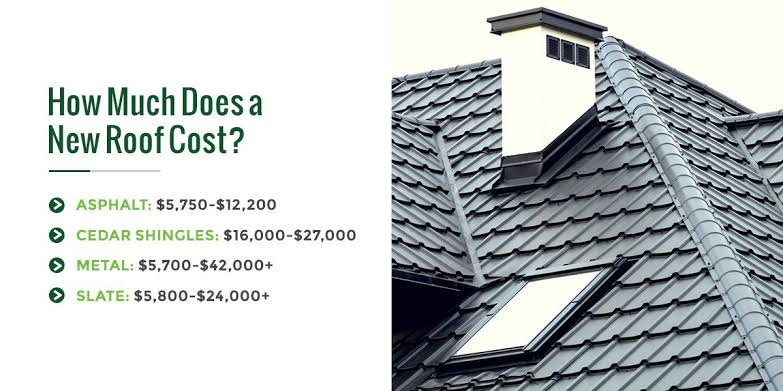
    The material you choose is the single biggest variable in your total cost. Below is a detailed comparison of popular roofing materials available in the US market today.

    MaterialAverage Cost per Sq. Ft.LifespanProsCons
    Asphalt Shingles$4.00 โ€“ $6.5015โ€“30 YearsAffordable, easy to install, widely availableShorter lifespan, prone to wind damage
    Metal Roofing$7.50 โ€“ $14.0040โ€“70 YearsDurable, energy-efficient, fire-resistantHigher upfront cost, can be noisy
    Clay/Concrete Tile$10.00 โ€“ $20.0050+ YearsAesthetic appeal, extremely durableVery heavy, requires structural support
    Wood Shakes$6.50 โ€“ $13.0020โ€“40 YearsNatural look, good insulationHigh maintenance, fire risk
    Slate$15.00 โ€“ $30.00+75โ€“100+ YearsLuxury appearance, lasts a lifetimeExtremely expensive, fragile, heavy

    Why Asphalt Shingles Remain Popular

    Despite the rise of metal roofing, asphalt shingles still account for nearly 80% of residential roofs in the US. They offer the best balance of cost and performance for the average homeowner. If you are looking to minimize immediate expenses, 3-tab asphalt shingles are the most economical option, though architectural shingles offer better durability for a slightly higher price.

    How Much Does It Cost To Do A New Roof

    Labor and Installation Costs

    Many homeowners underestimate the labor component, which typically accounts for 60% to 70% of the total project cost. Skilled labor is not just about nailing shingles; it involves proper ventilation installation, flashing details, and waste removal.

    What Drives Labor Costs Up?

    1. Roof Pitch: A steep roof (e.g., 8/12 pitch or higher) requires special harnesses, scaffolding, and slower work pace, increasing labor hours.
    2. Complexity: Multiple chimneys, skylights, valleys, and dormers require intricate cutting and sealing, which takes more time.
    3. Seasonality: Roofing demand peaks in late summer and early fall. Scheduling your project in late winter or early spring may yield lower labor rates due to contractor availability.

    According to industry standards, a professional crew can typically complete a standard asphalt roof replacement in 1 to 3 days. Faster completion does not always mean better quality; ensure your contractor follows manufacturer guidelines for nail patterns and underlayment.

    Hidden Costs and Additional Expenses

    When calculating how much does it cost to do a new roof, you must account for more than just shingles and labor. Several ancillary costs can inflate your final bill if not planned for.

    1. Old Roof Removal (Tear-Off)

    Most local building codes require the removal of old roofing layers before installing new ones. This process, known as a “tear-off,” adds $1.00 to $3.00 per square foot to your cost. It includes labor for removal and fees for dumping the debris at a landfill.

    2. Decking Repair

    Once the old shingles are removed, contractors inspect the wooden deck underneath. If rot or water damage is found, plywood or OSB sheets must be replaced. Expect to pay $75 to $150 per sheet of plywood, plus labor.

    3. Permits and Inspections

    Most municipalities require a building permit for roof replacement. Permit fees vary by county but generally range from $150 to $500. This ensures the work meets local wind and fire safety codes.

    4. Ventilation and Flashing

    Upgrading ridge vents, soffit vents, and pipe boots is often recommended during a re-roof. Proper ventilation extends the life of your shingles by reducing heat buildup in the attic. Budget an extra $500 to $1,000 for comprehensive ventilation upgrades.

    How to Choose the Right Roofing Contractor

    Selecting the right professional is as critical as choosing the right material. A low bid might seem attractive, but it often signals corner-cutting on materials or insurance coverage.

    Steps to Vet a Roofer:

    1. Check Licensing and Insurance: Ensure they have general liability and workers’ compensation insurance. Ask for proof.
    2. Read Reviews: Look for recent reviews on Google, Bing, and BBB. Pay attention to how they handle complaints.
    3. Get Multiple Quotes: Obtain at least three detailed written estimates. Compare line items, not just the bottom line.
    4. Ask About Warranties: A reputable roofer offers both a manufacturerโ€™s warranty on materials and a workmanship warranty on labor (typically 2โ€“10 years).

    For more information on building standards and safety regulations, you can refer to general construction guidelines on Wikipedia.

    FAQ Section

    1. Can I install a new roof over the old one?

    While technically possible in some jurisdictions, it is generally not recommended. Adding a second layer traps heat, voids manufacturer warranties, and makes it difficult to detect deck rot. Most experts advise a full tear-off for long-term durability.

    2. Does homeowners insurance cover roof replacement?

    Insurance typically covers roof damage caused by sudden events like hail, windstorms, or falling trees. It does not cover wear and tear, age-related deterioration, or lack of maintenance. Check your policyโ€™s “actual cash value” vs. “replacement cost” clauses.

    3. How long does a roof replacement take?

    For an average-sized home using asphalt shingles, the process usually takes 1 to 3 days. Larger homes, complex designs, or premium materials like slate or tile can take 1 to 2 weeks. Weather delays are also common factors.

    4. What is the most cost-effective roofing material?

    Asphalt shingles are the most cost-effective option for most US homeowners. They provide adequate protection for 15โ€“20 years at the lowest upfront cost. However, if you plan to stay in your home for 30+ years, metal roofing may offer better long-term value despite the higher initial price.

    5. When is the best time of year to replace a roof?

    Late spring and early fall are ideal. Temperatures are moderate, which helps asphalt shingles seal properly. Avoid extreme heat (which can make shingles too pliable) or freezing cold (which makes them brittle). Winter installations are possible but may carry higher risks of weather delays.

    Conclusion

    Understanding how much does it cost to do a new roof empowers you to navigate the renovation process with confidence. While the average cost hovers between $8,500 and $14,500, your specific price will depend on material choices, roof complexity, and local labor rates.

    Remember, a roof is not just an expense; it is a critical shield for your home. Investing in quality materials and reputable labor pays dividends in longevity and peace of mind. Donโ€™t rush the decisionโ€”get multiple quotes, check credentials, and plan for those hidden costs like decking repair and permits.

    Found this guide helpful? Share it with friends or family who are considering home improvements! Spreading knowledge helps everyone make smarter financial decisions.

  • Give Up The Funk: Tear The Roof Off The Sucker

    Give Up The Funk: Tear The Roof Off The Sucker

    Have you ever felt that irresistible urge to move when a heavy bassline hits your ears? That specific, groovy sensation is exactly what George Clinton and Parliament aimed to capture with their anthem, “Give Up The Funk (Tear The Roof Off The Sucker).” This track isnโ€™t just a song; it is a cultural touchstone that defined an era of musical liberation and rhythmic innovation.

    In this article, we will dive deep into the origins, lyrical meaning, and enduring legacy of this funk masterpiece. Whether you are a lifelong P-Funk fan or a newcomer curious about 1970s music history, youโ€™ll discover why this track remains essential listening today.

    What Is the Meaning Behind “Give Up The Funk”?

    To truly appreciate the track, we must first understand the phrase itself. When Parliament urges listeners to “Give Up The Funk,” they are not asking you to surrender or quit. In the context of 1970s African American vernacular and the P-Funk mythology, “giving up” the funk means releasing it, sharing it, and letting it take over your body.

    The “funk” here represents a state of mindโ€”a raw, unfiltered, and authentic expression of joy and rhythm. It is about letting go of societal constraints and inhibitions. The subtitle, “Tear the Roof Off the Sucker,” is a hyperbolic metaphor for the intensity of the party. It suggests that the energy generated by the music and the dancers is so powerful it could physically dismantle the building.

    This dualityโ€”surrendering to the groove while simultaneously generating explosive energyโ€”is the core philosophy of P-Funk. It invites the listener to participate actively, not just passively listen.

    Who Wrote and Performed This Classic Track?

    The mastermind behind this sonic explosion is George Clinton, the visionary leader of Parliament-Funkadelic. Released in 1975 on the album Mothership Connection, the song was credited to Parliament, but it was a collective effort involving key members of the P-Funk empire.

    Key Contributors:

    • George Clinton: Lead vocals and conceptual architect.
    • Bootsy Collins: Iconic bass lines that drive the songโ€™s groove.
    • Bernie Worrell: Keyboard wizardry providing the synth textures.
    • Maceo Parker: Saxophone contributions that add brass flair.

    The song was produced under the umbrella of Casablanca Records, a label known for its disco and R&B roster during that decade. The production quality was ahead of its time, utilizing multi-layered vocal harmonies and tight rhythmic locking between the drums and bass.

    For a deeper understanding of the band’s structure and history, you can refer to the detailed entry on Parliament-Funkadelic at Wikipedia.

    Why Did “Give Up The Funk” Become a Cultural Phenomenon?

    The success of “Give Up The Funk (Tear the Roof Off the Sucker)” was not accidental. It arrived at a pivotal moment in music history where disco was rising, and rock was becoming more polished. P-Funk offered something grittier, earthier, and more communal.

    Statistical Impact

    • Chart Performance: The single reached No. 15 on the Billboard Hot 100 and No. 1 on the Billboard R&B chart.
    • Certification: The album Mothership Connection went Platinum, driven largely by this hit.
    • Longevity: Decades later, the track remains one of the most sampled songs in hip-hop history.

    Cultural Resonance

    The song resonated because it celebrated Black identity and joy without apology. The lyrics reference “swamp water” and “mud,” connecting the funk to rural Southern roots, while the futuristic synthesizers pointed toward a sci-fi future. This blend of past and future created a unique aesthetic that appealed to a broad audience.

    Moreover, the live performances were legendary. Parliamentโ€™s stage shows featured elaborate costumes, spaceships, and theatrical elements that turned concerts into immersive experiences. The phrase “tear the roof off” became literal in the minds of fans who witnessed these high-energy spectacles.

    Give Up The Funk Tear The Roof Off The Sucker

    How Has the Song Influenced Modern Music?

    The influence of “Give Up The Funk” extends far beyond the 1970s. Its DNA is embedded in countless genres, from hip-hop to electronic dance music (EDM).

    Sampling Legacy

    Hip-hop producers have long recognized the value of the P-Funk groove. The drum breaks and basslines from this track have been sampled by artists such as:

    1. Dr. Dre: Utilized P-Funk aesthetics in his G-Funk style.
    2. OutKast: Drew heavily from Southern funk traditions.
    3. Red Hot Chili Peppers: Covered P-Funk songs and cited them as major influences.

    Genre Evolution

    The song helped bridge the gap between soul and disco. By emphasizing the “one” (the first beat of the measure), James Brown laid the groundwork, but Parliament expanded it into a psychedelic experience. This approach influenced house music producers in Chicago and techno pioneers in Detroit, who valued repetitive, hypnotic grooves.

    FeatureTraditional SoulP-Funk (Parliament)Disco
    Primary FocusVocal MelodyRhythmic GrooveDance Beat
    InstrumentationHorns, StringsSynths, Heavy BassOrchestral Hits
    VibeEmotionalPsychedelic/PartyGlamorous

    As shown in the table above, “Give Up The Funk (Tear the Roof Off the Sucker)” sits uniquely at the intersection of rhythmic complexity and party anthems, distinguishing it from its contemporaries.

    What Are the Key Lyrics and Their Interpretation?

    Understanding the lyrics enhances the listening experience. Here are some notable lines and their meanings:

    • “We want the funk!”
      • Interpretation: A demand for authenticity and raw energy. It is a call to action for the audience to engage.
    • “Give up the funk, I need the funk.”
      • Interpretation: Highlights the reciprocal nature of the performance. The band gives the funk, the audience receives it, and the energy cycles back.
    • “Tear the roof off the sucker.”
      • Interpretation: A vivid image of extreme enthusiasm. It implies that the party is so good it defies physical limitations.

    These lyrics are simple yet effective. They do not require complex analysis to feel; they are designed to be chanted and remembered. This simplicity is a hallmark of great funk musicโ€”it prioritizes feel over intellect.

    How Can You Experience the Full P-Funk Legacy Today?

    If you enjoyed “Give Up The Funk (Tear the Roof Off the Sucker),” you might wonder where to go next. The P-Funk catalog is vast, but here are three steps to deepen your appreciation:

    1. Listen to the Entire Album: Start with Mothership Connection. Tracks like “P-Funk (Wants to Get Funked Up)” provide context for the title track.
    2. Explore Funkadelic: While Parliament was more R&B-oriented, Funkadelic was rock-infused. Listen to One Nation Under a Groove for a different flavor.
    3. Watch Live Performances: Search for archival footage of Parliamentโ€™s 1970s tours. Seeing the Mothership descend on stage adds a visual layer to the audio experience.

    FAQ Section

    1. What year was “Give Up The Funk (Tear the Roof Off the Sucker)” released?

    The song was released in 1975 as part of Parliamentโ€™s album Mothership Connection. It became one of the defining tracks of that year.

    2. Who sings the lead vocals on the track?

    George Clinton provides the lead vocals, supported by backing vocals from other members of the Parliament ensemble, including Ray Davis and Grady Thomas.

    3. Is “Give Up The Funk” the same as “Flash Light”?

    No, they are different songs. “Flash Light” was released in 1977 on the album Funkentelechy. While both are P-Funk classics, “Give Up The Funk” is known for its chant-like structure, whereas “Flash Light” features a prominent synthesizer bass line.

    4. Why is the song titled “Tear the Roof Off the Sucker”?

    The phrase is slang for having an incredibly intense party. “Sucker” refers to the building or venue. The title suggests that the energy of the funk is so powerful it could destroy the ceiling, emphasizing the wild, uninhibited nature of the event.

    5. Has the song been covered by other artists?

    Yes, numerous artists have covered or sampled the track. Notably, the Red Hot Chili Peppers have performed P-Funk covers in live settings, and various hip-hop artists have sampled the drums and vocals in their productions.

    6. What instrument plays the main riff?

    The main groove is driven by Bootsy Collinsโ€™ bass guitar. His use of the muting technique and syncopated rhythms creates the signature “squishy” funk sound that defines the track.

    Conclusion

    “Give Up The Funk (Tear the Roof Off the Sucker)” is more than just a catchy tune; it is a testament to the power of music to unite, liberate, and energize. From its intricate basslines to its anthemic chants, the track encapsulates the spirit of 1970s funk while remaining timeless in its appeal.

    By understanding the history, lyrics, and cultural impact of this song, you gain a deeper appreciation for George Clintonโ€™s genius and the P-Funk legacy. So, the next time you hear those opening notes, remember: donโ€™t just listenโ€”give up the funk.

    Did this article groove with you? Share it with your friends on social media and keep the funk alive!

  • How to Get Rid of Pigeons on Your Roof Fast

    How to Get Rid of Pigeons on Your Roof Fast

    There is nothing quite as frustrating as hearing the cooing of birds at dawn or finding white droppings staining your freshly cleaned driveway. If you are reading this, you are likely dealing with a persistent flock that has decided your home is their new hangout spot. You are not alone; millions of homeowners face this issue annually, wondering how do you get rid of pigeons on the roof without causing harm to the birds or violating local wildlife laws.

    This guide provides actionable, humane, and effective strategies to reclaim your space. We will move beyond old wives’ tales and focus on scientifically backed methods that ensure long-term results. Letโ€™s dive into solving this problem together.


    Why Are Pigeons Choosing Your Roof?

    Before we discuss removal, it is crucial to understand attraction. Pigeons, specifically the Rock Dove (Columba livia), are creatures of habit. They do not choose your roof randomly. According to ornithological studies, pigeons seek three main things: safety from predators, easy access to food, and flat surfaces for nesting.

    Your roof likely offers wide, flat ledges or sheltered eaves that mimic the cliff sides these birds evolved to inhabit in urban environments. Once a pair establishes a nest, they signal to the rest of the flock that the area is safe. This is why early intervention is critical. Ignoring the first few visitors often leads to a full-blown infestation within weeks.

    What Are the Most Effective Physical Deterrents?

    Physical barriers are widely considered the gold standard in pigeon control. Unlike chemical repellents, which can wash away in the rain, physical deterrents provide a constant reminder that your roof is not a welcoming place.

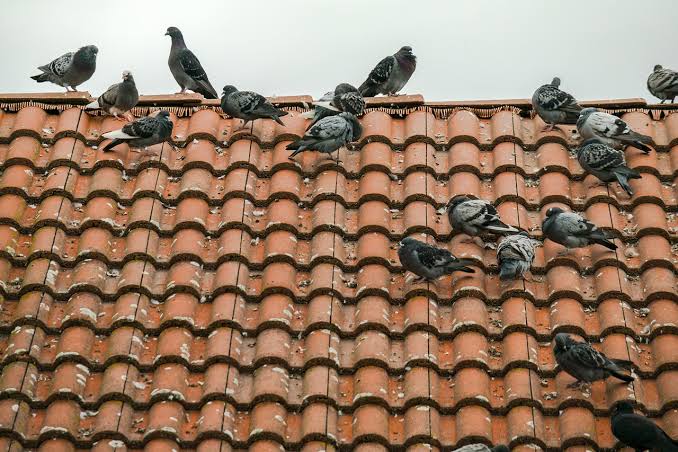
    1. Bird Spikes

    Bird spikes are perhaps the most common solution. These are strips of plastic or stainless steel with pointed rods that prevent birds from landing.

    • Pros: Highly effective, low maintenance, invisible from the street.
    • Cons: Can be difficult to install on curved tiles; requires professional installation for large areas.

    2. Bird Netting

    For larger open spaces, such as under eaves or around solar panels, netting is superior. It creates a physical barrier that pigeons cannot penetrate.

    • Pros: Completely blocks access, durable (lasts 5-10 years).
    • Cons: Visually obtrusive if not installed tightly; requires precise measurement.

    3. Electric Track Systems

    These systems deliver a mild, non-lethal shock when a bird lands. It conditions the pigeons to avoid the area entirely.

    • Pros: Extremely effective for stubborn flocks; nearly invisible.
    • Cons: Higher upfront cost; requires a power source or battery maintenance.
    MethodEffectivenessCostVisibilityMaintenance
    SpikesHighLow-MediumLowLow
    NettingVery HighMediumMediumMedium
    ElectricVery HighHighVery LowMedium
    SlopesHighHighLowNone

    Do Visual and Sound Repellents Actually Work?

    Many homeowners start with visual scares, such as plastic owls, reflective tape, or fake snakes. While these can provide temporary relief, their effectiveness diminishes rapidly. Pigeons are highly intelligent birds. Studies suggest that they can habituate to static objects within a few days if they realize there is no actual threat.

    To make visual deterrents work, you must rotate them frequently. Move a plastic owl every two days. Combine this with auditory deterrents, such as ultrasonic devices. However, note that ultrasonic sounds have limited range and may not penetrate thick roofing materials. For serious infestations, visual and sound methods should only be used as a supplement to physical barriers, not as a standalone solution.

    How Do You Get Rid Of Pigeons On The Roof

    How Can You Make Your Roof Less Attractive?

    If you want to know how do you get rid of pigeons on the roof permanently, you must remove the incentives. Pigeons are scavengers. If your roof is near a trash bin, a compost pile, or if neighbors feed birds nearby, your efforts will fail.

    Sanitation is Key

    Clean up any existing droppings immediately. Pigeon feces contain pheromones that attract other pigeons. Use an enzymatic cleaner to break down these scent markers. Ensure that all garbage bins are sealed tightly. If you have fruit trees, pick up fallen fruit daily.

    Seal Entry Points

    Inspect your roof for gaps. Pigeons can squeeze through openings as small as 2 inches. Use wire mesh or caulk to seal vents, chimneys, and gaps in the siding. This prevents them from nesting inside your attic or roof cavity, which can cause significant structural damage and fire hazards due to accumulated dry nesting material.

    For more detailed information on pigeon behavior and biology, you can refer to the comprehensive entry on Wikipedia. Understanding their lifecycle helps in timing your exclusion efforts effectively, particularly before breeding season begins in spring.

    Step-by-Step Guide to Installing Bird Spikes

    If you decide to install bird spikes yourself, follow these precise steps to ensure durability and effectiveness.

    1. Measure the Area: Determine the linear footage of the ledges where pigeons land. Buy 10% extra material to account for cuts and errors.
    2. Clean the Surface: Scrub the ledge with a stiff brush and soapy water. Remove all droppings and debris. Allow it to dry completely. Safety Note: Always wear a N95 mask and gloves when handling bird droppings to protect against histoplasmosis.
    3. Prepare the Adhesive: Use a high-quality polyurethane construction adhesive. Do not use silicone, as it may not bond well with certain roofing materials.
    4. Apply the Spikes: Apply a bead of adhesive along the base of the spike strip. Press it firmly onto the ledge. If using screws, pre-drill holes to avoid cracking tiles.
    5. Join Strips: Overlap adjacent strips by at least 2 inches to prevent gaps where birds could land.
    6. Cure Time: Allow the adhesive to cure for 24โ€“48 hours before exposing it to rain or checking for stability.

    When Should You Call a Professional?

    While DIY methods work for minor issues, some situations require expert intervention. If you have a large colony (more than 10 birds), if the nests are located in hard-to-reach areas, or if you suspect disease contamination, hire a licensed wildlife control professional.

    Professionals have access to industrial-grade netting and lift equipment. They also understand local regulations regarding the removal of active nests, which is illegal in many US states during breeding season. Attempting to remove active nests with eggs or chicks can result in heavy fines.


    FAQ Section

    Q1: Is it legal to remove pigeons from my roof?

    A: In the United States, Rock Doves (common pigeons) are generally not protected under the Migratory Bird Treaty Act. However, local city ordinances may have specific rules about humane treatment and disposal. Always check your local municipal codes before taking action. Never poison pigeons, as this is illegal and inhumane.

    Q2: Will mothballs keep pigeons away?

    A: No. Mothballs are ineffective against pigeons and can be toxic to pets and children. The smell is not strong enough to deter determined birds, and placing them on a roof poses environmental hazards as they dissolve in rain. Stick to physical barriers.

    Q3: How often do I need to clean pigeon droppings?

    A: You should clean droppings as soon as you notice them. Accumulated feces can corrode metal roofing, stain shingles, and harbor diseases like Histoplasmosis and Cryptococcosis. Regular cleaning also removes the scent markers that attract more birds.

    Q4: Can pigeons damage my roof structure?

    A: Yes. Their droppings are acidic and can degrade roofing materials over time. More importantly, their nesting materials are highly flammable and can block ventilation systems, leading to moisture buildup, mold, and even fire risks.

    Q5: Do ultrasonic repellers work for pigeons?

    A: Results are mixed. While some users report short-term success, pigeons often adapt to the noise. Ultrasonic devices are best used in combination with visual deterrents or physical barriers, rather than as a sole solution.

    Q6: What is the best time of year to exclude pigeons?

    A: The best time is late winter or early spring, before the breeding season begins. Excluding them before they build nests prevents legal issues and emotional distress associated with removing active nests.


    Conclusion

    Dealing with pigeons is a challenge, but it is certainly manageable. By understanding how do you get rid of pigeons on the roof through a combination of sanitation, physical barriers, and consistent maintenance, you can protect your home and your peace of mind. Remember, consistency is key. A one-time fix rarely works; you must make your property inhospitable to them permanently.

    Start with a thorough inspection, choose the right deterrent for your roof type, and stay vigilant. Your home should be your sanctuary, not a bird bath.

    Found this guide helpful? Share it with your neighbors on Facebook or Twitter to help your community stay pigeon-free!

  • Why Roof of Mouth Hurts When Eating?

    Why Roof of Mouth Hurts When Eating?

    Have you ever taken a bite of your favorite pizza only to wince in pain because the roof of your mouth hurts when you eat? It is a surprisingly common yet frustrating experience that can turn mealtime into a chore. Whether itโ€™s a sudden sting from hot cheese or a lingering ache from an accidental scratch, understanding the root cause is the first step toward finding relief and enjoying your food again.

    In this guide, we will explore the most frequent reasons behind palate pain, offer practical home remedies, and help you determine when itโ€™s time to consult a healthcare professional. Letโ€™s dive in.

    The Most Common Culprit: Thermal Burns

    If you are asking, “Why does roof of my mouth hurt when I eat?” the most likely answer is simple: you burned it. The tissue on the roof of your mouth, known as the hard and soft palate, is delicate and highly sensitive to temperature changes.

    How It Happens

    When you consume food or beverages that are too hot (typically above 160ยฐF or 71ยฐC), the heat damages the top layer of skin cells on your palate. This is technically known as a thermal injury. Unlike the skin on your hands, the mucous membranes in your mouth heal quickly, but they are also more prone to initial injury because we often eat without testing the temperature thoroughly.

    Symptoms of a Palate Burn

    • Immediate stinging or burning sensation.
    • Redness or inflammation on the roof of the mouth.
    • Formation of a blister or peeled skin within 24 hours.
    • Temporary loss of taste sensitivity in the affected area.

    According to dental health experts, minor burns usually heal within three to seven days. However, during this period, eating can be painful, especially if the food is acidic, spicy, or crunchy.

    Physical Trauma: Scratches and Abrasions

    Not all pain comes from heat. Sometimes, the texture of your food is the enemy. Hard, sharp, or crunchy foods like tortilla chips, hard crust bread, or candy can physically scratch the soft tissue of your palate.

    The “Pizza Palate” Phenomenon

    This term is often used colloquially to describe the rough, scraped feeling on the roof of the mouth after eating crispy pizza crusts or bagels. The friction from chewing these items can cause micro-abrasions. While these scratches are minor, they expose nerve endings, leading to significant discomfort when you eat subsequent meals.

    Key Difference:

    • Burns: Feel hot, throbbing, and may blister.
    • Scratches: Feel raw, sharp, and may bleed slightly.

    Oral Conditions and Infections

    If the pain persists for more than a week or occurs without any obvious trigger like hot food, an underlying oral condition might be the cause.

    Canker Sores (Aphthous Ulcers)

    Canker sores are small, shallow lesions that develop on the soft tissues in your mouth or at the base of your gums. While they commonly appear on the inside of cheeks or lips, they can also form on the soft palate.

    • Trigger: Stress, minor mouth injury, or acidic foods.
    • Sensation: Sharp, stinging pain when eating salty or acidic foods.

    Oral Thrush (Yeast Infection)

    Oral thrush is a fungal infection caused by Candida yeast. It often presents as creamy white lesions on your tongue or inner cheeks, but it can spread to the roof of the mouth.

    • Risk Factors: Antibiotic use, diabetes, or weakened immune system.
    • Sensation: Cotton-like feeling, loss of taste, and cracking at the corners of the mouth.

    For more detailed medical definitions of oral conditions, you can refer to Wikipediaโ€™s page on Oral Health.

    Why Does Roof Of My Mouth Hurt When I Eat

    Allergic Reactions and Sensitivities

    Food allergies or sensitivities can manifest as pain or swelling in the mouth, a condition known as Oral Allergy Syndrome (OAS). This typically happens when you eat certain raw fruits, vegetables, or nuts that contain proteins similar to pollen.

    Signs of OAS

    • Itching or tingling on the roof of the mouth.
    • Mild swelling of the lips or tongue.
    • Scratchy throat immediately after eating.

    Common triggers include apples, carrots, celery, and almonds. If you suspect an allergy, keep a food diary to track patterns and consult an allergist.

    Acid Reflux and GERD

    Gastroesophageal Reflux Disease (GERD) isnโ€™t just about heartburn. Stomach acid can travel up the esophagus and reach the back of the throat and mouth, irritating the soft palate.

    How Acid Affects Your Palate

    When stomach acid reaches the mouth, it can cause:

    1. Erosion: Wearing down the protective mucous layer.
    2. Inflammation: Leading to a chronic sore or raw feeling.
    3. Sensitivity: Making the palate hypersensitive to hot or cold foods.

    If you frequently wake up with a sour taste in your mouth or experience heartburn, GERD might be the hidden reason why the roof of your mouth hurts when you eat.

    Quick Relief: What To Do Now

    If you are currently in pain, here is a step-by-step guide to soothe your palate and promote healing.

    Step 1: Cool It Down

    Apply cold to reduce inflammation and numb the pain.

    • Action: Suck on ice chips or eat a popsicle.
    • Duration: 5โ€“10 minutes at a time.

    Step 2: Salt Water Rinse

    Salt water is a natural disinfectant and helps reduce swelling.

    • Recipe: Mix 1/2 teaspoon of salt in 8 ounces (240 ml) of warm water.
    • Method: Swish gently for 30 seconds, then spit out. Repeat 2โ€“3 times a day.

    Step 3: Avoid Irritants

    Until healed, steer clear of:

    • Spicy foods (chili, hot sauce).
    • Acidic foods (citrus, tomatoes, vinegar).
    • Crunchy foods (chips, nuts).
    • Very hot beverages.

    Step 4: Over-the-Counter Remedies

    Consider using oral gels containing benzocaine for temporary numbing. Always follow the package instructions and consult a pharmacist if you have other health conditions.

    Prevention Tips for the Future

    Preventing palate pain is easier than treating it. Here are some proactive habits:

    HabitBenefit
    Test TemperatureWait 2โ€“3 minutes after microwaving food before eating.
    Chew SlowlyReduces the risk of scratching the palate with hard foods.
    Stay HydratedKeeps oral tissues moist and less prone to injury.
    Manage RefluxAvoid lying down immediately after eating to prevent acid backup.

    FAQ Section

    1. How long does it take for a burned roof of the mouth to heal?

    Most minor thermal burns on the palate heal within 3 to 7 days. The mouth has a rich blood supply, which accelerates tissue regeneration compared to skin on other parts of the body.

    2. Can toothpaste cause the roof of my mouth to hurt?

    Yes, some toothpastes contain sodium lauryl sulfate (SLS), a foaming agent that can irritate sensitive oral tissues. If you notice pain after brushing, try switching to an SLS-free toothpaste.

    3. Is it normal for the roof of my mouth to hurt after eating pineapple?

    Pineapple contains bromelain, an enzyme that breaks down proteins. This can cause a tingling or slight burning sensation on the tongue and palate. It is usually harmless and temporary, but rinsing your mouth with water after eating can help.

    4. When should I see a doctor for palate pain?

    You should seek medical attention if:

    • The pain lasts longer than two weeks.
    • You have difficulty swallowing or breathing.
    • There is unexplained bleeding or pus.
    • You have a high fever accompanying the mouth pain.

    5. Can stress cause pain in the roof of my mouth?

    Indirectly, yes. Stress can weaken your immune system, making you more susceptible to canker sores or cold sores. Additionally, stress often leads to teeth grinding (bruxism), which can cause referred pain to the palate and jaw.

    Conclusion

    Experiencing pain in the roof of your mouth can be uncomfortable, but it is rarely a cause for alarm. Most cases are due to minor thermal burns or physical scratches from food, which heal quickly with proper care. By understanding why the roof of my mouth hurts when I eat, you can take steps to prevent future injuries and manage symptoms effectively.

    Remember to listen to your body. If the pain persists, worsens, or is accompanied by other symptoms, do not hesitate to consult a dentist or doctor.

    Found this guide helpful? Share it with your friends on social media who might be suffering from “pizza palate” or other mouth mishaps! Letโ€™s help everyone enjoy their meals pain-free.

  • If I Were A Rich Man: Fiddler on the Roofโ€™s Iconic Song

    If I Were A Rich Man: Fiddler on the Roofโ€™s Iconic Song

    Have you ever found yourself humming a tune that perfectly captures the bittersweet humor of dreaming big while stuck in humble circumstances? For millions of theater lovers, that song is “If I Were A Rich Man” from Fiddler on the Roof, a masterpiece that transcends mere entertainment to become a cultural touchstone. In this article, we will explore the deep roots, lyrical genius, and enduring legacy of this iconic number, helping you appreciate it beyond just the catchy melody.

    The Origins of a Broadway Classic

    To truly understand the weight of this song, we must look at where it came from. Fiddler on the Roof premiered on Broadway in 1964, based on the stories of Sholem Aleichem about Jewish life in Tsarist Russia. The musical was a collaboration between composer Jerry Bock and lyricist Sheldon Harnick, with book writer Joseph Stein.

    The song “If I Were A Rich Man” is not just a random insertion; it is the emotional anchor for the protagonist, Tevye the Dairyman. It appears early in the first act, setting the stage for the central conflict of the show: the tension between tradition and change, and the struggle for survival in a changing world.

    Who Wrote “If I Were A Rich Man”?

    The creative duo behind the song is legendary. Jerry Bock composed the music, drawing heavily on Jewish folk melodies and klezmer influences. Sheldon Harnick wrote the lyrics, which are celebrated for their wit, humility, and profound humanity.

    Harnickโ€™s lyrics are particularly notable because they avoid simple greed. Instead, Tevyeโ€™s dreams are modest and deeply human. He doesnโ€™t dream of palaces; he dreams of leisure, respect, and the ability to help his community. This nuance is what separates the song from typical “I want” songs in musical theater.

    Decoding the Lyrics: More Than Just Money

    When we analyze the text of “If I Were A Rich Man” from Fiddler on the Roof, we see a character study rather than a fantasy of opulence. Tevye lists specific, tangible changes that wealth would bring to his daily life.

    Key Lyrical Themes

    • Leisure and Rest: Tevye sings about not having to work hard every day. “When youโ€™re rich, they think you really know!” implies that wealth brings an unearned respect and ease.
    • Community Status: He imagines being a man of importance, someone whose opinions matter. “Iโ€™d have the time that I lack to sit in the synagogue and pray.” This highlights his piety and desire for spiritual connection, which poverty often interrupts due to the need to work.
    • Family Security: His thoughts turn to his wife, Golde, and his daughters. He wants to provide them with comfort and better marriage prospects, reflecting the parental concerns of the era.

    Expert Insight: Theater critics often note that Harnickโ€™s lyrics use Yiddish-inflected English rhythms, which adds authenticity and warmth. The phrase “Ya ha deedle deedle deedle” is not just nonsense syllables; it mimics the sound of klezmer clarinet and violin improvisations, grounding the song in its cultural context.

    The Cultural Impact and Legacy

    Since its debut, “If I Were A Rich Man” from Fiddler on the Roof has been covered by countless artists, from Topol in the original cast to Harvey Fierstein in the 2004 revival. Its influence extends beyond Broadway into pop culture, appearing in films, TV shows, and even political commentary.

    Why Does It Resonate Today?

    The songโ€™s themes are universal. Everyone, regardless of background, understands the desire for financial security and the frustration of working hard without seeing proportional rewards. In times of economic uncertainty, Tevyeโ€™s whimsical yet poignant daydreams feel more relevant than ever.

    According to the Internet Broadway Database, Fiddler on the Roof ran for 3,242 performances on Broadway, making it one of the longest-running shows in history. A significant part of this longevity is attributed to the strength of its score, with “If I Were A Rich Man” being the standout number.

    AspectOriginal 1964 Production2004 Revival2022 Revival
    Tevye ActorZero MostelHarvey FiersteinSteven Skybell
    InterpretationComedic, BoisterousNuanced, VulnerableGrounded, Traditional
    Critical ReceptionInstant ClassicTony Award WinnerMixed but Respectful

    This table shows how different actors have brought their own flavor to the role, yet the song remains the constant heartbeat of the show.

    If I Were A Rich Man Fiddler On The Roof

    Performance Analysis: How to Sing It Well

    For performers or karaoke enthusiasts looking to tackle “If I Were A Rich Man” from Fiddler on the Roof, understanding the vocal demands is crucial. It is not just about hitting the notes; it is about conveying character.

    Step-by-Step Guide to Mastering the Song

    1. Understand the Character: Tevye is a poor dairyman. He is tired, wise, and humorous. Do not sing it like a pop star; sing it like a man who has worked hard all his life.
    2. Master the Rhythm: The song has a distinct klezmer rhythm. Practice the “Ya ha deedle” sections with a light, bouncing feel. Keep your tempo steady but flexible.
    3. Articulate the Lyrics: Harnickโ€™s lyrics are dense with meaning. Enunciate clearly so the audience catches the humor and the pathos. Pay special attention to the Yiddish-inflected phrases.
    4. Use Dynamic Contrast: Start softly and introspectively. Build volume and energy as Tevyeโ€™s imagination takes flight. Pull back slightly for the more reflective lines about prayer and family.
    5. Engage the Audience: Make eye contact. Share the joke. Tevye is talking to us, inviting us into his daydream.

    Pro Tip: Listen to Zero Mostelโ€™s original recording. Notice how he uses pauses and spoken-word elements within the singing. This conversational style is key to the songโ€™s charm.

    Frequently Asked Questions (FAQ)

    What is the main message of “If I Were A Rich Man”?

    The main message is not about greed, but about the human desire for dignity, rest, and the ability to care for oneโ€™s family. It highlights the contrast between material wealth and spiritual/emotional richness.

    Who originally sang “If I Were A Rich Man” in Fiddler on the Roof?

    Zero Mostel originated the role of Tevye on Broadway in 1964 and delivered the definitive performance of the song. Chaim Topol performed it in the London production and the 1971 film adaptation.

    Is “If I Were A Rich Man” based on a real person?

    While Tevye is a fictional character created by Sholem Aleichem, he is based on the archetypal Jewish dairyman of late 19th-century Ukraine. The struggles and dreams expressed in the song reflect the real experiences of many Jewish families during that period.

    How long is the song “If I Were A Rich Man”?

    The standard stage version of the song runs approximately 3 to 4 minutes, depending on the performerโ€™s pacing and any orchestral extensions.

    Can I use “If I Were A Rich Man” for my school project?

    Yes, but ensure you comply with copyright laws. For educational purposes, short excerpts are generally acceptable under fair use, but always cite your sources. For public performances, you may need licensing from the rights holder, Music Theatre International (MTI).

    What instrument is featured prominently in the song?

    The violin (or fiddle) is central to the musical identity of Fiddler on the Roof. In “If I Were A Rich Man,” the orchestration often features clarinet and violin solos that mimic klezmer music, especially during the instrumental breaks.

    Conclusion

    “If I Were A Rich Man” from Fiddler on the Roof is more than just a show tune; it is a window into the soul of a character and a culture. Through Sheldon Harnickโ€™s witty lyrics and Jerry Bockโ€™s evocative music, we are invited to share Tevyeโ€™s dreams, frustrations, and hopes. Its enduring popularity is a testament to its universal themes and artistic excellence.

    Whether you are a longtime fan of Broadway or new to the world of musical theater, taking the time to appreciate this song enriches your understanding of the genre. So, the next time you hear those familiar “deedle deedle” sounds, remember the depth behind the melody.

    Did this article deepen your appreciation for this classic song? Share it with your fellow theater lovers on social media and letโ€™s keep the legacy of Fiddler on the Roof alive!

  • Review: Red Roof Plus+ San Antonio Downtown Riverwalk

    Review: Red Roof Plus+ San Antonio Downtown Riverwalk

    Are you planning a trip to the heart of Texas but worried about breaking the bank on accommodation? Finding a hotel that balances affordability with a prime location near major attractions can feel like searching for a needle in a haystack. This is where the Red Roof Plus+ San Antonio Downtown Riverwalk San Antonio Tx steps in as a compelling solution for savvy travelers who refuse to compromise on convenience.

    In this comprehensive guide, we will dissect everything you need to know about this property. From its proximity to the famous Alamo to its pet-friendly policies, we aim to help you decide if this is the right base camp for your Texan adventure.

    Why Location Matters: The Heart of San Antonio

    When visiting San Antonio, location is not just a convenience; it is an experience. The cityโ€™s cultural heartbeat pulses along the River Walk, a UNESCO World Heritage site candidate and one of the most visited urban waterways in the United States.

    The Red Roof Plus+ San Antonio Downtown Riverwalk San Antonio Tx is strategically positioned to maximize your exposure to these attractions. Unlike resorts located miles away in the suburbs, this hotel places you within walking distance of the city’s most iconic landmarks.

    Proximity to Key Attractions

    One of the primary reasons travelers choose this specific Red Roof Plus+ location is the walkability factor. You are not dependent on rideshare apps or rental cars for every minor excursion.

    • The Alamo: Just a short 10-15 minute walk or a quick ride away.
    • San Antonio River Walk: Direct access points are nearby, allowing for evening strolls without the hassle of parking.
    • Convention Center: Ideal for business travelers attending events at the Henry B. Gonzรกlez Convention Center.

    According to tourism data, visitors who stay within the downtown core spend approximately 20% less on transportation costs compared to those staying in peripheral areas. This economic efficiency makes the Red Roof Plus+ San Antonio Downtown Riverwalk San Antonio Tx a smart financial choice for families and solo travelers alike.

    What Amenities Can You Expect at Red Roof Plus+?

    A common misconception about budget-friendly hotels is that they lack essential comforts. However, the “Plus+” designation in the Red Roof Inn brand signifies an elevated tier of service and amenities designed for the modern traveler.

    The “Plus+” Difference

    While standard motels may offer bare-bones lodging, this property focuses on high-value essentials. Here is what you can typically expect:

    1. Free High-Speed Wi-Fi: Essential for remote workers and streamers.
    2. Complimentary Breakfast: A continental spread to kickstart your day before hitting the streets.
    3. Pet-Friendly Policy: One of the most generous in the industry, allowing pets to stay free of charge.
    4. Modern Room Design: Updated furnishings that prioritize functionality and comfort over opulence.

    It is important to manage expectations. You will not find a full-service spa, valet parking, or a concierge team. However, for travelers who view their hotel room primarily as a place to sleep and recharge after a day of exploration, the trade-off is highly favorable.

    Is It Truly Pet-Friendly? A Deep Dive

    For many American households, pets are family members. Leaving them behind is not an option, yet finding downtown accommodation that welcomes them without exorbitant fees is challenging.

    The Red Roof Plus+ San Antonio Downtown Riverwalk San Antonio Tx has built a strong reputation in the pet-owning community. Their policy generally allows up to two pets per room at no additional cost. This is a significant saving, as many competing downtown hotels charge between $50 to $150 per night for pet fees.

    Tip: Always call ahead to confirm current pet policies, as rules regarding weight limits or breed restrictions can change. However, historically, this brand has been one of the most inclusive options in the hospitality sector.

    This commitment to inclusivity extends beyond dogs. The hotelโ€™s location near parks and green spaces along the river makes it easy to exercise your furry friends, enhancing the overall travel experience for the whole family.

    Red Roof Plus+ San Antonio Downtown Riverwalk San Antonio Tx

    How Does It Compare to Competitors?

    To provide a clear perspective, letโ€™s look at how this hotel stacks up against other popular options in the San Antonio Downtown area. We have analyzed key factors such as price, location, and amenities.

    FeatureRed Roof Plus+ DowntownLuxury Riverwalk HotelMid-Range Chain Hotel
    Avg. Nightly Rate$$$$
    Pet FeeFree$75+/night$25โ€“$50/night
    Walk to Alamo< 1 mile< 0.5 miles1โ€“2 miles
    ParkingPaid (Self)Valet (High Cost)Paid (Self)
    BreakfastIncludedOften ExtraSometimes Included

    As illustrated above, the Red Roof Plus+ San Antonio Downtown Riverwalk San Antonio Tx offers the best value proposition for budget-conscious travelers who still want to be in the action. While luxury hotels offer more frills, the core experience of visiting San Antonioโ€”walking the river, eating tacos, and seeing historyโ€”is equally accessible from this location.

    Navigating Parking and Accessibility

    One of the most frequent questions from guests concerns parking. Downtown San Antonio is dense, and street parking can be notoriously difficult and expensive.

    The hotel does not typically offer free onsite parking due to its urban footprint. Guests usually utilize nearby public garages or paid lots. While this is an added cost, it is standard for almost all downtown properties in major US cities.

    • Cost Estimate: Expect to pay between $15โ€“$25 per day for nearby garage parking.
    • Strategy: If you plan to spend most of your time walking or using the VIA Metropolitan Transit system, you may only need parking for one night if you are driving in from out of town.

    For guests with mobility issues, the hotel is compliant with ADA standards. Elevators and accessible rooms are available, but it is crucial to request these specifically during booking to ensure availability.

    Safety and Neighborhood Insights

    Safety is a top priority for any traveler. The downtown area of San Antonio is heavily patrolled and well-lit, especially around the tourist corridors. The Red Roof Plus+ San Antonio Downtown Riverwalk San Antonio Tx is situated in a zone that benefits from constant foot traffic and police presence.

    However, as with any urban environment, situational awareness is key. Stick to well-lit paths along the River Walk at night and keep valuables secure. The hotel staff is trained to assist guests with safety tips and can recommend the safest routes to nearby restaurants and bars.

    For more historical context on the development of this area, you can refer to the San Antonio Wikipedia page, which details the city’s growth and the significance of the downtown district.

    Tips for Getting the Best Rate

    Securing the best deal requires a bit of strategy. Hotel pricing is dynamic, fluctuating based on demand, local events, and seasonality.

    1. Book Direct: Often, the Red Roof Inn website offers member discounts that third-party sites do not match.
    2. Avoid Major Events: Prices spike during SXSW, Fiesta San Antonio, and major conventions. If your dates are flexible, aim for mid-week stays in the off-season (late summer or early winter).
    3. Check for Packages: Look for bundles that include parking or attraction tickets, which can offset the cost of the room.

    By being proactive, you can enjoy the premium location of the Red Roof Plus+ San Antonio Downtown Riverwalk San Antonio Tx without paying peak prices.

    FAQ Section

    1. Is breakfast really free at Red Roof Plus+ San Antonio?

    Yes, the hotel typically offers a complimentary continental breakfast. This usually includes coffee, tea, juice, pastries, cereal, and fruit. It is not a full hot buffet, but it is sufficient for a light start to your day.

    2. How far is the hotel from the San Antonio Airport?

    The San Antonio International Airport (SAT) is approximately 8โ€“10 miles north of the downtown area. Depending on traffic, the drive takes about 15โ€“20 minutes. Rideshare services are readily available, and the hotel can assist with arranging transport.

    3. Are there any hidden fees I should know about?

    While the room rate is transparent, remember to budget for parking if you have a car. There are no resort fees, which is a significant advantage over many larger chain hotels in the area. Always review your final booking confirmation for any temporary surcharges.

    4. Can I check in late at night?

    Yes, the front desk is staffed 24/7. Whether you arrive at 2 PM or 2 AM, you will be able to check in smoothly. It is recommended to notify the hotel if you are arriving very late to ensure your room is held properly.

    5. Is the Wi-Fi reliable for work purposes?

    Most guests report that the Wi-Fi is stable enough for email, video calls, and general browsing. However, if you require enterprise-level bandwidth for large file transfers, you may want to test the speed upon arrival or consider a mobile hotspot as a backup.

    Conclusion

    Choosing the right hotel can make or break your vacation. The Red Roof Plus+ San Antonio Downtown Riverwalk San Antonio Tx stands out as a pragmatic, value-driven choice for travelers who prioritize location and affordability over luxury frills.

    Its unbeatable proximity to the Alamo and the River Walk, combined with a genuinely pet-friendly policy, makes it a top contender for families and animal lovers. While you may need to pay for parking and forego a pool, the savings allow you to spend more on what truly matters: experiencing the rich culture, food, and history of San Antonio.

    If you found this review helpful, please share it with your fellow travelers on social media! Helping others find the perfect stay ensures everyone gets to enjoy the beauty of Texas without the stress.

  • Red Roof Inn Phoenix North: Smart Stay Guide

    Red Roof Inn Phoenix North: Smart Stay Guide

    Traveling through Arizonaโ€™s vibrant capital can be exciting, but finding accommodation that balances affordability with comfort often feels like a daunting task. Many travelers worry about hidden fees, poor cleanliness, or inconvenient locations that add stress to their journey rather than relieving it. If you are looking for a reliable, no-frills stopover that respects your budget without compromising on essential amenities, Red Roof Inn Phoenix North – I-17 At Bell Rd offers a practical solution. This guide will help you understand exactly what to expect, ensuring your stay is smooth, comfortable, and perfectly suited to your needs.

    Why Choose Red Roof Inn Phoenix North – I-17 At Bell Rd?

    When planning a trip, location is often the deciding factor. For those driving along Interstate 17 or visiting the northern suburbs of Phoenix, this specific property stands out for its strategic positioning. It is not just a place to sleep; it is a logistical hub that simplifies your travel itinerary.

    Strategic Location and Accessibility

    The primary advantage of this hotel is its immediate proximity to major transportation arteries. Situated directly off I-17 at Bell Road, it serves as an ideal pitstop for long-haul drivers or tourists exploring the greater Phoenix area. You are merely minutes away from key attractions such as the Desert Ridge Marketplace and various outdoor recreational areas.

    For business travelers, the location provides easy access to corporate parks in North Phoenix without the hassle of downtown traffic congestion. The ease of entry and exit from the highway means you spend less time navigating complex city streets and more time resting or working.

    Unbeatable Value for Money

    In an era where hotel prices have surged globally, finding genuine value is rare. This Red Roof Inn property is designed for the pragmatic traveler. By stripping away unnecessary luxuries like concierge services or expansive spas, the brand focuses resources on what matters most: a clean bed, a hot shower, and reliable connectivity.

    According to recent hospitality industry trends, budget-conscious travelers in the US are increasingly prioritizing “essential comfort” over “luxury extras.” This hotel aligns perfectly with that shift, offering competitive nightly rates that allow you to allocate more of your travel budget toward experiences, dining, or activities in Phoenix.

    What Amenities Can You Expect During Your Stay?

    Understanding what is included in your stay helps manage expectations and ensures you pack appropriately. While this is a budget-friendly option, it does not mean you are left without essential comforts.

    Core Comforts and Connectivity

    • Free High-Speed Wi-Fi: In todayโ€™s digital age, internet access is not a luxury; it is a necessity. Whether you need to stream a movie after a long day of driving or check emails for work, the property provides complimentary Wi-Fi throughout the premises.
    • Comfortable Sleeping Arrangements: The rooms are equipped with quality linens and pillows designed to provide a restful nightโ€™s sleep. The focus here is on hygiene and comfort, ensuring you wake up refreshed.
    • Climate Control: Given Phoenixโ€™s extreme heat, especially in summer, individual air conditioning units in each room are crucial. You have full control over your roomโ€™s temperature, allowing you to create a cool sanctuary regardless of the weather outside.

    Pet-Friendly Policy: A Major Highlight

    One of the most significant advantages of choosing Red Roof Inn Phoenix North – I-17 At Bell Rd is its welcoming attitude toward pets. Unlike many hotels that charge exorbitant fees or restrict pet sizes, Red Roof Inn is renowned for its “pets stay free” policy.

    This is a game-changer for families who consider their dogs or cats part of the family. You do not need to arrange for costly kennel services or leave your furry friends behind. This inclusive approach has earned the brand a loyal following among road-trippers and pet owners across the United States.

    FeatureStandard Budget HotelsRed Roof Inn Phoenix North
    Pet PolicyOften restricted or high feesPets stay free
    Wi-FiSometimes paid or slowFree High-Speed
    LocationVaries, often distant from highwaysDirect I-17 Access
    Check-inCan be rigidFlexible & Easy

    How Does It Compare to Other Local Options?

    To make an informed decision, it is helpful to see how this property stacks up against competitors in the North Phoenix area. While there are numerous mid-range and luxury hotels nearby, they come with a significantly higher price tag.

    The Budget vs. Luxury Trade-off

    If you require a swimming pool, a gym, or a full-service restaurant on-site, you might look elsewhere. However, if your priority is a clean, safe, and affordable place to rest, this Red Roof Inn excels. The savings you achieve by staying here can be substantial over a multi-night stay.

    For example, saving $50โ€“$80 per night compared to a mid-tier chain allows you to enjoy a nice dinner at one of Phoenixโ€™s highly-rated local restaurants. It is about smart allocation of resources. You are paying for the room, not the lobby aesthetics.

    Cleanliness and Safety Standards

    Post-pandemic, cleanliness has become a top concern for travelers. Red Roof Inn has implemented enhanced cleaning protocols to ensure guest safety. Regular sanitization of high-touch surfaces and strict housekeeping standards are maintained to provide peace of mind. While it may not have the sterile, hospital-like feel of some ultra-modern chains, it maintains a solid standard of hygiene that meets industry requirements for budget accommodations.

    Red Roof Inn Phoenix North - I-17 At Bell Rd

    Practical Tips for Booking and Staying

    To get the most out of your experience at Red Roof Inn Phoenix North – I-17 At Bell Rd, consider these practical steps.

    Step-by-Step Booking Guide

    1. Check Availability Early: Even budget hotels fill up during peak seasons or local events. Use the official website or reputable booking platforms to secure your room.
    2. Verify Pet Details: If traveling with a pet, confirm the current policy details during booking. While pets stay free, informing the front desk helps them assign a suitable room.
    3. Request Specific Needs: If you need a ground-floor room for easier access or a room away from the ice machine for quietness, mention this during reservation.
    4. Confirm Check-in Time: Standard check-in is usually in the afternoon. If you arrive early, call ahead to see if early check-in is possible, though it is not guaranteed.

    Maximizing Your Stay

    • Bring Your Own Snacks: Since there is no on-site restaurant, having snacks and water in your room is convenient. There are plenty of grocery stores and fast-food options within a mile radius.
    • Explore Nearby Dining: Use the money saved on lodging to explore local cuisine. North Phoenix has a diverse food scene, from authentic Mexican tacos to modern American bistros.
    • Utilize Local Maps: Download offline maps of the area before you arrive to navigate the Bell Road and I-17 interchange smoothly, although signage is generally clear.

    Understanding the Brandโ€™s Heritage

    Red Roof Inn is a well-established name in the American hospitality landscape. Founded with the mission of providing affordable, dependable lodging, the brand has grown to become a staple for road warriors. For more historical context on the evolution of budget hospitality chains in the US, you can refer to general industry histories such as those found on Wikipedia. This background reinforces the brand’s stability and commitment to its core value proposition: affordability and accessibility.

    FAQ Section

    Is Red Roof Inn Phoenix North – I-17 At Bell Rd truly pet-friendly?

    Yes, it is one of the most pet-friendly hotels in the area. Pets stay free of charge, and there are no weight limits or breed restrictions typically associated with other chains. However, it is always courteous to keep your pet leashed in public areas and clean up after them.

    Is breakfast included in the room rate?

    No, this property does not offer a complimentary continental breakfast. This is a common trade-off for budget hotels that keep nightly rates low. However, there are numerous coffee shops and breakfast eateries within a short driving distance.

    How close is the hotel to Phoenix Sky Harbor International Airport?

    The hotel is approximately 20โ€“25 miles from Phoenix Sky Harbor International Airport, depending on traffic. It is a convenient drive via I-17 South and Loop 202, typically taking around 30โ€“40 minutes outside of rush hour.

    Is the area safe for nighttime arrivals?

    The location is in a commercial area with good lighting and visibility. As with any urban area, it is advisable to practice standard safety precautions, such as locking your car and being aware of your surroundings. The hotel staff is trained to assist guests and maintain a secure environment.

    Can I cancel my reservation if plans change?

    Cancellation policies vary depending on the booking platform and rate type selected. Most flexible rates allow cancellation up to 24โ€“48 hours before check-in without penalty. Always review the specific terms attached to your reservation confirmation.

    Conclusion

    Choosing the right accommodation can make or break a trip. Red Roof Inn Phoenix North – I-17 At Bell Rd offers a compelling blend of strategic location, pet-friendly policies, and budget-conscious pricing. It is not trying to be a luxury resort; instead, it excels at being exactly what it promises: a clean, comfortable, and affordable place to rest.

    Whether you are a solo traveler, a family on a road trip, or a business professional looking to cut costs, this hotel provides the essential amenities you need without the extra fluff you donโ€™t. By understanding what to expect and planning accordingly, you can enjoy a stress-free stay in Phoenix.

    If you found this guide helpful, please share it with your fellow travelers on social media. Helping others find great value stays creates a community of smart, satisfied travelers. Safe travels!