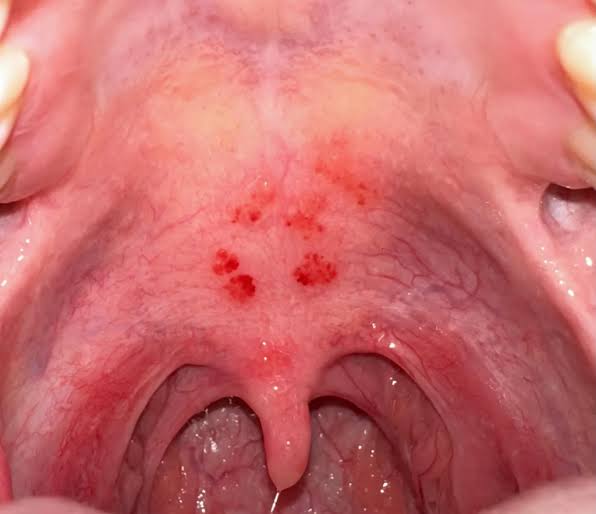
Have you ever looked in the mirror, opened your mouth wide, and noticed something unsettling? Seeing red dots on back of throat and roof of mouth can be alarming, especially if they appear suddenly alongside discomfort or pain. You are not alone in this concern; many individuals experience these symptoms due to various benign or treatable conditions, and understanding the root cause is the first step toward relief.
In this comprehensive guide, we will explore why these spots appear, how to distinguish between minor irritations and serious infections, and what steps you can take to heal quickly. We prioritize evidence-based information to ensure you have the clarity needed to make informed health decisions.
What Causes Red Dots on the Back of the Throat?
When you notice petechiae (tiny red spots) or larger inflamed areas in your oral cavity, it is usually a sign that your body is reacting to an irritant, virus, or bacteria. The mucous membranes in your mouth are sensitive and often the first place to show signs of systemic issues.
1. Viral Infections
The most common culprit behind red spots in the throat is a viral infection. Viruses such as the Coxsackievirus (which causes Hand, Foot, and Mouth Disease) or the Herpes Simplex Virus can lead to blister-like red dots. These are often accompanied by a mild fever or general malaise. According to general medical consensus, viral pharyngitis accounts for the majority of sore throat cases in adults.
2. Strep Throat (Bacterial Infection)
While viruses are more common, Streptococcus pyogenes bacteria cause Strep Throat, which frequently presents with distinct red spots on the soft palate (roof of the mouth). Unlike viral infections, Strep throat often comes with:
- Sudden onset of severe sore throat.
- Painful swallowing.
- Swollen lymph nodes in the neck.
- Absence of cough (usually).
If you suspect Strep, it is crucial to get tested, as untreated bacterial infections can lead to complications. For more detailed information on bacterial throat infections, you can refer to Wikipedia’s page on Streptococcal pharyngitis.
3. Allergic Reactions
Environmental allergies or food sensitivities can cause inflammation in the throat. Post-nasal drip from allergic rhinitis can irritate the back of the throat, leading to redness and small bumps. Common triggers include pollen, dust mites, pet dander, or specific foods like nuts or dairy.
4. Physical Irritation and Trauma
Sometimes, the cause is mechanical. Eating very hot, spicy, or acidic foods can burn or irritate the delicate tissue of the roof of the mouth. Additionally, vigorous brushing or using a hard-bristled toothbrush can cause minor trauma, resulting in temporary red spots.
How to Identify the Severity of Your Symptoms
Not all red dots are created equal. Understanding the accompanying symptoms can help you determine whether you need immediate medical attention or if home care will suffice.
| Symptom | Likely Cause | Action Required |
|---|---|---|
| Mild discomfort, no fever | Irritation, Mild Allergy | Home care, monitor for 2-3 days |
| High fever, white patches | Strep Throat | See a doctor for antibiotics |
| Blisters on hands/feet too | Hand, Foot, and Mouth Disease | Rest, hydration, consult pediatrician if child |
| Difficulty breathing/swallowing | Severe Allergic Reaction | Seek Emergency Care Immediately |
| Persistent spots > 2 weeks | Chronic Issue | Schedule ENT appointment |
Effective Home Remedies for Relief
If your symptoms are mild and likely viral or irritant-based, you can manage the discomfort at home. Here is a step-by-step approach to soothing your throat and promoting healing.
Step 1: Salt Water Gargle
This is one of the most effective and oldest remedies for reducing inflammation and killing bacteria.
- Mix 1/2 teaspoon of salt into 8 ounces (approx. 240 ml) of warm water. Ensure the water is comfortable to drink, not scalding.
- Tilt your head back and gargle the solution for 10–15 seconds.
- Spit it out. Do not swallow.
- Repeat this process 3–4 times a day until symptoms improve.
Step 2: Stay Hydrated
Dehydration can worsen throat irritation. Aim to drink at least 2 liters of water daily. Warm liquids like herbal tea with honey can coat the throat and provide immediate soothing effects. Honey has natural antibacterial properties that may aid in healing.
Step 3: Use a Humidifier
Dry air can exacerbate throat irritation, especially while sleeping. Using a cool-mist humidifier in your bedroom can keep the air moist, preventing your throat from drying out overnight. Maintain humidity levels between 30% and 50% for optimal comfort.
Step 4: Avoid Irritants
Until your throat heals, avoid:
- Smoking or vaping.
- Spicy or acidic foods (like citrus or tomato sauce).
- Alcohol-based mouthwashes, which can sting and dry out tissues.
When Should You See a Doctor?
While most cases of red dots on the throat resolve on their own, certain “red flags” indicate a need for professional medical evaluation. Ignoring these signs could lead to prolonged illness or complications.
You should schedule an appointment with your healthcare provider if:
- You have a fever higher than 101°F (38.3°C) that persists for more than 48 hours.
- You experience difficulty breathing or swallowing saliva.
- The red spots are accompanied by a rash on other parts of your body.
- Symptoms do not improve after one week of home care.
- You notice pus or white streaks on your tonsils.
Early diagnosis of conditions like Strep throat is vital because it requires prescription antibiotics. Over-the-counter remedies will not cure a bacterial infection, and delaying treatment can increase the risk of spreading the bacteria to others or developing rheumatic fever.
Frequently Asked Questions (FAQ)
1. Can stress cause red dots on the roof of the mouth?
Stress itself does not directly cause red dots, but it weakens the immune system, making you more susceptible to viral outbreaks like cold sores or canker sores. Additionally, stress can lead to behaviors like teeth grinding or cheek biting, which may cause physical trauma and redness in the mouth.
2. Are red dots on the throat contagious?
It depends on the cause. If the dots are caused by a viral infection (like the common cold or flu) or a bacterial infection (like Strep throat), they are highly contagious. However, if they are caused by allergies or physical irritation, they are not contagious. Always practice good hygiene, such as washing hands and not sharing utensils, until you know the cause.
3. How long do red dots from a viral infection last?
Viral pharyngitis typically resolves within 5 to 7 days. The redness and discomfort should gradually decrease during this period. If the spots persist beyond two weeks, it is advisable to consult a healthcare professional to rule out chronic conditions or other underlying issues.
4. Can acid reflux cause red spots in the throat?
Yes, Gastroesophageal Reflux Disease (GERD) can cause chronic irritation of the throat. Stomach acid traveling up the esophagus can inflame the back of the throat, leading to redness, swelling, and sometimes small red spots. Managing diet and taking antacids may help alleviate these symptoms.
5. Is it safe to use over-the-counter numbing sprays?
Over-the-counter numbing sprays containing benzocaine or phenol can provide temporary relief from pain. However, they should be used strictly according to the label instructions. Overuse can mask worsening symptoms or cause allergic reactions in some individuals. They are a symptom manager, not a cure.
Conclusion
Discovering red dots on back of throat and roof of mouth can be worrying, but in most cases, the cause is benign and temporary. Whether it is a minor viral infection, an allergic reaction, or simple physical irritation, understanding the symptoms allows you to take the right action.
Remember to prioritize rest, hydration, and gentle home remedies like salt water gargles. However, never hesitate to seek professional medical advice if symptoms are severe, persistent, or accompanied by high fever. Your health is paramount, and early intervention is key to a speedy recovery.
If you found this guide helpful, please share it with friends or family who might be dealing with similar throat issues. Spreading accurate health information helps everyone stay informed and healthy!
Leave a Reply