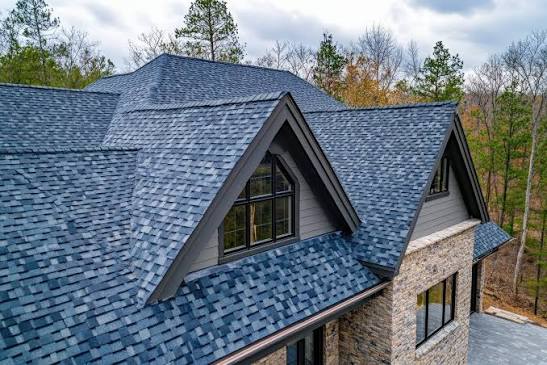
Replacing a roof is one of the most significant home maintenance projects you will ever undertake. It is not just about aesthetics; it is about protecting your family, your belongings, and your investment from the elements. If you are staring at curled shingles or worrying about the next storm, you are likely asking yourself: How Much Is The Average Cost To Replace A Roof?
The short answer is that in 2026, the national average for a full roof replacement typically ranges between $8,500 and $14,000 for a standard asphalt shingle roof on an average-sized home (2,000–2,500 sq. ft.). However, this number can swing dramatically based on materials, location, and structural complexity. In this guide, we will break down every factor influencing your final bill so you can budget with confidence and avoid hidden surprises.
What Factors Influence the Total Roof Replacement Cost?
Understanding why prices vary is crucial to getting a fair quote. It is rarely as simple as “price per square foot.” Several key variables drive the final number up or down.
1. Roof Size and Pitch
Contractors measure roofs in “squares,” where one square equals 100 square feet. A larger roof naturally requires more materials and labor. However, the pitch (slope) matters immensely. A steeply pitched roof is dangerous and difficult to navigate, requiring special safety equipment and more time. Consequently, contractors often charge a premium for high-pitch roofs compared to low-slope or flat roofs.
2. Material Selection
This is the biggest variable. While asphalt shingles are the most common due to their affordability, other materials offer different lifespans and aesthetic appeals.
- Asphalt Shingles: The budget-friendly standard.
- Metal Roofing: Higher upfront cost but lasts 50+ years.
- Slate or Tile: Premium luxury options with extreme durability but heavy weight requirements.
3. Labor and Location
Labor costs vary significantly by region. In high-cost-of-living areas like California or New York, labor rates are higher than in the Midwest. Additionally, if your home is in a remote area, travel fees may apply. Always check local market rates rather than relying solely on national averages.
4. Structural Repairs and Removal
Does your old roof need to be torn off first? Most codes allow for two layers of shingles, but if you already have two, or if the decking is rotten, the old material must be removed. This adds to the labor cost. Furthermore, if the wooden decking underneath is damaged by water rot, replacing those boards will add $50–$75 per sheet of plywood to your bill.
Breakdown of Costs by Roofing Material
To help you visualize the differences, here is a comparison of popular roofing materials available in 2026. Note that these prices include both materials and professional installation.
| Material Type | Average Cost Per Square Foot | Lifespan | Pros | Cons |
|---|---|---|---|---|
| 3-Tab Asphalt | $3.50 – $5.50 | 15–20 Years | Affordable, easy to install | Shorter lifespan, prone to wind damage |
| Architectural Asphalt | $4.50 – $7.00 | 25–30 Years | Better aesthetics, durable | More expensive than 3-tab |
| Standing Seam Metal | $9.00 – $14.00 | 40–70 Years | Energy efficient, long-lasting | High upfront cost, noisy in rain |
| Clay/Concrete Tile | $10.00 – $18.00 | 50+ Years | Fireproof, classic look | Very heavy, requires reinforced structure |
| Natural Slate | $15.00 – $30.00+ | 75–100+ Years | Unique beauty, incredibly durable | Extremely expensive, fragile to walk on |
Note: Prices are estimates and can fluctuate based on regional supply chain conditions.
Does the Complexity of My Roof Design Matter?
Yes, significantly. A simple gable roof (a triangle shape) is the easiest and cheapest to replace. However, many modern homes feature complex designs with multiple valleys, dormers, chimneys, and skylights.
Each penetration in your roof (like a chimney or vent pipe) requires careful flashing installation to prevent leaks. This demands skilled labor and more time. According to industry standards, complex roof designs can increase labor costs by 20% to 40% compared to a simple layout. When requesting quotes, ensure the contractor walks around your home to assess these complexities rather than giving a quote based solely on satellite imagery.
Hidden Costs You Might Not Expect
When budgeting for how much is the average cost to replace a roof, homeowners often forget the ancillary expenses. Here are common hidden costs:
- Permits: Most municipalities require a building permit for roof replacement. Fees can range from $100 to $500 depending on your city.
- Dumpster Fees: Removing old shingles generates a lot of waste. Dumpster rental and disposal fees typically cost between $300 and $600.
- Gutter Replacement: It is often recommended to replace gutters when replacing the roof to ensure a seamless water drainage system. This can add another $1,000–$3,000.
- Landscaping Protection: If you have delicate shrubs or gardens under the eaves, you may need to pay extra for protective tarping or post-job cleanup.
For a deeper understanding of roofing standards and material science, you can refer to general construction guidelines on Wikipedia.
Step-by-Step: How to Budget and Hire the Right Contractor
Replacing a roof is an investment. Follow these steps to ensure you get quality work at a fair price.
- Get Multiple Quotes: Never settle for the first estimate. Aim for at least three detailed quotes from licensed and insured contractors.
- Check Credentials: Verify their license, insurance (liability and workers’ comp), and local reputation. Look for reviews on independent platforms, not just their website.
- Ask About Warranties: There are two types: manufacturer warranties (covering material defects) and workmanship warranties (covering installation errors). A reputable roofer should offer at least a 5–10 year workmanship warranty.
- Review the Contract: Ensure it details the scope of work, specific materials (brand and color), timeline, payment schedule, and cleanup procedures. Avoid large upfront deposits; a 10–30% deposit is standard.
- Plan for Weather: Roofing cannot be done in heavy rain or snow. Build some flexibility into your timeline.
FAQ Section
1. Can I replace my roof myself to save money?
While DIY might seem tempting, roof replacement is dangerous and technically complex. Improper installation can void manufacturer warranties and lead to severe water damage. Most experts strongly advise hiring professionals to ensure safety and longevity.
2. How long does a roof replacement take?
For an average-sized home with asphalt shingles, the actual installation usually takes 1 to 3 days. However, weather delays or complex structural repairs can extend this timeline. Metal or tile roofs may take longer due to the intricacy of installation.
3. Is it better to repair or replace my roof?
If your roof is less than 10 years old and has isolated damage, repair is often sufficient. However, if your roof is nearing the end of its lifespan (20+ years for asphalt) or has widespread leaking, replacement is more cost-effective in the long run. Frequent repairs on an old roof add up quickly.
4. Does homeowners insurance cover roof replacement?
It depends on the cause of the damage. Insurance typically covers sudden, accidental damage caused by storms, hail, or falling trees. It generally does not cover wear and tear, age-related deterioration, or lack of maintenance. Always review your policy and consult your agent.
5. What is the best time of year to replace a roof?
Late spring through early fall is the peak season for roofing, meaning prices may be higher due to demand. However, scheduling in the off-season (late fall or winter, weather permitting) might yield discounts. Keep in mind that asphalt shingles require warm temperatures to seal properly, so extreme cold is not ideal.
Conclusion
So, how much is the average cost to replace a roof? While the national average hovers between $8,500 and $14,000, your specific cost will depend on your home’s size, chosen materials, and local labor rates. By understanding these factors, you can move from anxiety to empowerment.
Remember, a new roof is not just an expense; it is a critical upgrade that enhances your home’s value, energy efficiency, and safety. Do not rush the decision. Take the time to compare quotes, verify credentials, and choose materials that fit your long-term goals.
Found this guide helpful? Share it with friends or family who are facing similar home improvement decisions. Spreading knowledge helps everyone make smarter financial choices!
Leave a Reply