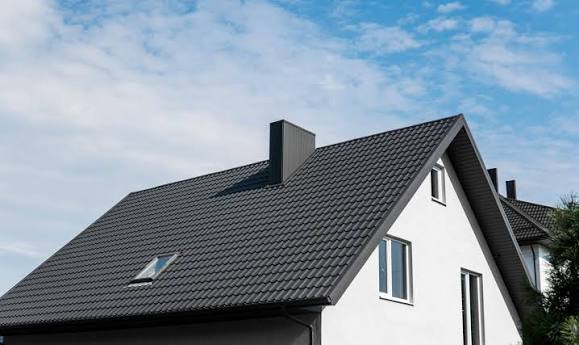
Replacing a roof is one of the most significant financial decisions a homeowner will face. It is not just about aesthetics; it is about protecting your family and your biggest asset from the elements. If you are currently stressed about budgets and quotes, you are not alone. Understanding exactly how much to get a new roof on a house can help you plan effectively and avoid unpleasant surprises during the construction process.
In this guide, we will break down the current market rates for 2026, explain the factors that drive prices up or down, and provide you with the tools to negotiate fair contracts. Whether you have a modest bungalow or a sprawling estate, knowing the numbers empowers you to make the right choice.
What Is the Average Cost of a New Roof in 2026?
The short answer is that most homeowners in the United States spend between $8,500 and $14,000 for a complete roof replacement on an average-sized home (approximately 2,000 square feet). However, this number can vary wildly depending on your location, the materials chosen, and the complexity of your roof’s design.
According to recent industry data, the national average cost per square foot ranges from $4.50 to $7.50 for standard asphalt shingle installations. For high-end materials like slate or copper, this price can skyrocket to $15.00–$30.00+ per square foot.
It is crucial to understand that “roofing squares” are the unit of measurement used by professionals. One square equals 100 square feet of roof area. Therefore, a 2,000-square-foot roof is actually 20 squares. When requesting quotes, always ask if the price is per square foot or per roofing square to avoid confusion.
Key Cost Drivers
- Material Costs: Account for roughly 40–50% of the total bill.
- Labor Costs: Account for 30–40% of the total bill.
- Removal & Disposal: Old shingles must be torn off and hauled away, costing $1–$5 per square foot.
- Permits & Inspections: Local municipality fees can range from $100 to $500.
How Do Different Roofing Materials Affect the Price?
The material you choose is the single biggest variable in your final invoice. While asphalt shingles remain the most popular choice due to their affordability, other options offer better longevity or aesthetic appeal at a higher premium.
Below is a comparison of common roofing materials and their estimated installed costs for a standard 2,000 sq. ft. home:
| Material Type | Estimated Total Cost | Lifespan | Pros | Cons |
|---|---|---|---|---|
| Asphalt Shingles | $8,500 – $14,000 | 15–30 Years | Affordable, easy to repair | Shorter lifespan, prone to wind damage |
| Metal Roofing | $12,000 – $24,000 | 40–70 Years | Durable, energy-efficient | Higher upfront cost, noisy in rain |
| Clay/Concrete Tile | $15,000 – $30,000 | 50+ Years | Fire-resistant, beautiful | Very heavy, requires reinforced structure |
| Wood Shakes | $18,000 – $32,000 | 30–40 Years | Natural look, good insulation | High maintenance, fire risk |
| Slate | $25,000 – $50,000+ | 75–100+ Years | Extremely durable, luxury look | Extremely heavy, expensive installation |
Note: Prices include labor and materials but exclude structural repairs.
For a deeper understanding of material properties and historical usage, you can refer to the comprehensive overview on Roofing materials provided by Wikipedia. This resource offers excellent technical background on how different materials interact with climate conditions.
Does Roof Size and Pitch Impact Labor Costs?
Yes, significantly. Roofers do not just charge for the flat footprint of your house; they charge for the actual surface area of the roof, which includes slopes, valleys, and peaks.
The Pitch Factor
A steeply pitched roof is more dangerous and time-consuming to work on. It requires special safety equipment, such as harnesses and scaffolding, and slows down the installation crew.
- Low Slope (Walkable): Standard labor rates apply.
- Medium Slope: May incur a 10–20% labor surcharge.
- Steep Slope: Can increase labor costs by 30–50% or more.
Complexity Matters
A simple gable roof (two sloping sides meeting at a ridge) is the cheapest to replace. In contrast, roofs with multiple hips, valleys, dormers, chimneys, and skylights require intricate flashing work. Each penetration point (like a vent pipe) needs careful sealing to prevent leaks, adding hours of skilled labor to the project.
Are There Hidden Costs in Roof Replacement?
One of the most common complaints from homeowners is encountering “unexpected” fees after the work has begun. To protect your wallet, you must account for these potential hidden costs before signing a contract.
- Decking Repair: Once the old shingles are removed, the wooden deck underneath is exposed. If rot or water damage is found, plywood sheets must be replaced. This typically costs $75–$100 per sheet of plywood, plus labor.
- Ventilation Upgrades: Modern building codes often require specific ventilation ratios. If your current soffit or ridge vents are inadequate, you may need to install new ones to maintain your warranty.
- Dumpster Fees: Disposing of old roofing materials is not free. Heavy materials like tile or slate require specialized disposal methods, which can add hundreds of dollars to the bill.
- Landscaping Protection: If you have delicate shrubs or a pool near the house, the contractor may charge extra for protective tarping and cleanup to ensure no debris causes damage.
How to Choose the Right Roofing Contractor
Finding a reliable roofer is just as important as choosing the right material. The roofing industry has seen its share of fly-by-night operators, especially after major storm events. Here is a step-by-step guide to vetting your contractor:
- Verify Licensing and Insurance: Never hire a roofer who cannot provide proof of general liability insurance and workers’ compensation. If a worker gets injured on your property and the contractor is uninsured, you could be liable.
- Check Local References: Ask for three recent references in your neighborhood. Call them and ask about cleanliness, timeliness, and post-installation support.
- Look for Manufacturer Certifications: Top manufacturers (like GAF, CertainTeed, or Owens Corning) certify contractors who meet strict training standards. These “Master Elite” or “Platinum” contractors often offer extended warranties.
- Get Multiple Quotes: Aim for at least three detailed written estimates. Be wary of any quote that is significantly lower than the others; it often indicates cut corners or subpar materials.
- Read the Warranty Fine Print: Understand the difference between the manufacturer’s warranty (covers material defects) and the workmanship warranty (covers installation errors). A strong workmanship warranty should last at least 5–10 years.
FAQ Section
1. Should I repair my roof or replace it entirely?
If your roof is less than 10 years old and the damage is localized (e.g., a few missing shingles from a storm), repair is usually cost-effective. However, if your roof is over 20 years old, has widespread granule loss, or leaks in multiple areas, a full replacement is more economical in the long run. Constant repairs on an aging roof often exceed the cost of a new one.
2. Does homeowners insurance cover roof replacement?
It depends on the cause of the damage. Most policies cover “sudden and accidental” damage caused by covered perils like hail, windstorms, or falling trees. They generally do not cover wear and tear, age-related deterioration, or lack of maintenance. Always review your policy’s “Actual Cash Value” vs. “Replacement Cost Value” clauses.
3. How long does a roof replacement take?
For an average-sized home with asphalt shingles, the physical installation typically takes 1 to 3 days. Larger homes, complex designs, or adverse weather conditions can extend this timeline. Metal or tile roofs may take longer due to the intricacy of installation.
4. What is the best time of year to replace a roof?
Late spring through early fall is the peak season, meaning prices may be higher due to demand. However, roofing can be done in colder months as long as temperatures are above freezing (for proper shingle adhesion). Scheduling in the off-season (late winter) might yield better pricing and faster availability, though weather delays are more likely.
5. Can I install a new roof over the old one?
While technically possible in some jurisdictions, it is generally not recommended. Installing a second layer traps heat and moisture, which can accelerate the decay of the roof deck and void manufacturer warranties. Most local building codes allow only two layers maximum, and many professional roofers refuse to do it to ensure quality and longevity.
Conclusion
Determining how much to get a new roof on a house involves more than just picking a price tag. It requires balancing material quality, labor expertise, and long-term value. While the upfront cost of $8,500 to $14,000+ may seem steep, a properly installed roof protects your home’s structural integrity and increases its resale value.
By understanding the breakdown of costs, vetting contractors thoroughly, and planning for potential hidden fees, you can approach this major home improvement project with confidence. Don’t rush the decision; take the time to compare quotes and ask questions.
Found this guide helpful? Share it with your neighbors on Facebook or Pinterest to help them prepare for their own home maintenance projects!
Leave a Reply