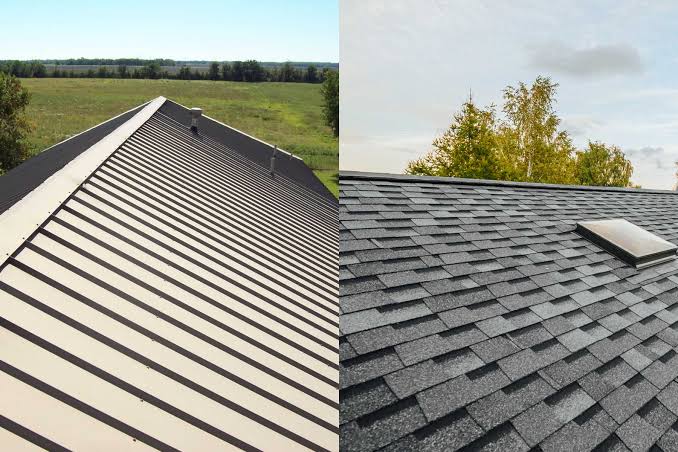
Choosing a new roof is one of the most significant financial decisions a homeowner can make. It is not just about aesthetics; it is about protecting your biggest asset while managing your budget effectively. Many homeowners find themselves stuck in a dilemma, asking the critical question: “Is It Cheaper To Do A Metal Roof Or Shingles?” The answer is not as simple as looking at the price tag today; it requires understanding long-term value, maintenance costs, and lifespan. In this guide, we will dissect the numbers so you can decide with confidence.
Upfront Costs: The Initial Price Tag
When you first request quotes from roofing contractors, the difference in price is usually the first thing that catches your eye. Generally speaking, asphalt shingles are significantly cheaper to install than metal roofing.
Asphalt shingles are the most common roofing material in the United States, largely due to their affordability. The materials are mass-produced, and the installation process is straightforward, requiring less specialized labor. On average, you can expect to pay between $3.50 to $5.50 per square foot for a standard asphalt shingle roof, including materials and labor.
In contrast, metal roofing is a premium product. Whether you choose standing seam panels or metal shingles, the material costs are higher. Furthermore, installing a metal roof requires skilled craftsmen who understand how to handle expansion, contraction, and sealing. The average cost for a metal roof ranges from $8.00 to $14.00 per square foot, depending on the type of metal (steel, aluminum, copper) and the complexity of the design.
Key Takeaway: If your primary constraint is immediate cash flow, asphalt shingles are the clear winner in terms of initial outlay. You will likely save 50% or more upfront by choosing shingles over metal.
Long-Term Value: Lifespan and Durability
While shingles win on upfront cost, they lose significantly when we look at the timeline. This is where the concept of “cost per year” becomes vital.
Asphalt shingles typically last between 15 to 25 years. In harsher climates with intense sun, hail, or heavy wind, this lifespan can be even shorter. This means that over the course of 50 years, a homeowner might need to replace an asphalt roof two or three times.
Metal roofs, however, are built to last. A high-quality metal roof can endure for 40 to 70 years, and some copper roofs can last over 100 years. They are resistant to cracking, shrinking, and eroding. They also shed snow and rain efficiently and are highly resistant to fire and wind damage.
To visualize this, consider the following comparison:
| Feature | Asphalt Shingles | Metal Roofing |
|---|---|---|
| Average Lifespan | 15–25 Years | 40–70+ Years |
| Maintenance Needs | Moderate (Prone to moss/algae) | Low (Occasional inspection) |
| Weather Resistance | Moderate | High (Wind/Fire/Hail) |
| Replacement Frequency | Every 20 Years | Once in a Lifetime |
If you plan to stay in your home for decades, the metal roof essentially pays for itself by eliminating the need for future replacements.
Energy Efficiency and Savings
Another hidden cost factor is energy efficiency. Your roof plays a massive role in regulating your home’s temperature.
Traditional dark asphalt shingles absorb a significant amount of solar heat, which can raise the temperature in your attic and force your air conditioning system to work harder during summer months. While “cool roof” shingles exist, they are often more expensive and still less efficient than metal.
Metal roofs reflect solar radiant heat rather than absorbing it. According to studies, this can reduce cooling costs by 10% to 25%. In hot climates like Arizona, Texas, or Florida, these savings add up quickly over the life of the roof. Some metal roofs also come with special reflective pigments that meet Energy Star standards, potentially qualifying you for tax credits or utility rebates.
Resale Value and Return on Investment (ROI)
Does a new roof increase your home’s value? Absolutely. But which type offers a better return?
Real estate experts suggest that a new roof can increase a home’s resale value by roughly 60% of the cost of the roof. However, metal roofs often have a higher perceived value among buyers. A metal roof is seen as a premium upgrade, signaling that the home is durable and low-maintenance.
A study by Remodeling Magazine indicates that metal roof replacement has a high recoup rate because it appeals to buyers looking for move-in-ready homes with no immediate major repairs needed. Conversely, while shingles are acceptable, they do not offer the same “wow” factor or long-term guarantee to potential buyers. If you are planning to sell your home within the next five years, a metal roof might make your property stand out in a competitive market.
Maintenance and Repair Costs
Over time, every roof needs attention. Here is how the two compare:
- Asphalt Shingles: They are prone to curling, cracking, and losing granules. Wind can lift them, and algae or moss can grow in humid climates, requiring cleaning or chemical treatments. Individual shingles can be replaced easily, but finding an exact color match for older roofs can be difficult.
- Metal Roofing: These require very little maintenance. Occasionally, you may need to tighten fasteners or clear debris from valleys. However, if a metal panel is damaged (e.g., by a falling tree branch), repairing it can be more complex and costly than replacing a few shingles. That said, the frequency of such repairs is much lower.
For a deeper understanding of roofing materials and their historical development, you can refer to this Wikipedia article on roofing.
Environmental Impact
For eco-conscious homeowners, the disposal of old roofing materials is a concern. Asphalt shingles are petroleum-based and contribute significantly to landfill waste. Although some shingles are recycled into pavement, the majority end up in dumps.
Metal roofing is often made from 25% to 95% recycled content and is 100% recyclable at the end of its life. This makes it a sustainable choice that reduces your carbon footprint. If environmental responsibility is part of your decision-making process, metal is the superior option.
FAQ Section
1. Is it cheaper to do a metal roof or shingles in the long run?
While shingles are cheaper upfront, metal roofs are often cheaper in the long run. When you factor in the lifespan (40-70 years vs. 15-25 years), energy savings, and lack of replacement costs, metal roofing usually offers a better total cost of ownership.
2. Can I install a metal roof over existing shingles?
In many cases, yes. Installing a metal roof over existing shingles can save you the cost of tear-off and disposal fees. However, you must check local building codes and ensure your roof structure can support the additional weight. Always consult with a professional roofer before proceeding.
3. Do metal roofs make noise when it rains?
This is a common myth. Modern metal roofs are installed with solid sheathing and insulation underneath, which dampens sound effectively. In fact, many homeowners report that metal roofs are quieter during rainstorms than shingle roofs because the metal panels are securely fastened and insulated.
4. Will a metal roof affect my home insurance premiums?
Often, yes, in a good way. Because metal roofs are highly resistant to fire, wind, and hail, many insurance companies offer discounts on homeowners’ insurance premiums. These discounts can range from 5% to 35%, helping to offset the higher initial cost of the metal roof.
5. What is the cheapest type of metal roofing?
Corrugated galvanized steel is generally the most affordable type of metal roofing. It is durable and cost-effective, though it may not have the same aesthetic appeal as standing seam or stone-coated steel options. Aluminum is another mid-range option that is great for coastal areas due to its rust resistance.
Conclusion
So, is it cheaper to do a metal roof or shingles? The answer depends on your timeline. If you need the lowest possible price today and plan to move in a few years, asphalt shingles are the practical choice. However, if you view your home as a long-term investment, metal roofing is the financially smarter option. It offers unparalleled durability, energy savings, and increased property value that shingles simply cannot match.
Don’t just look at the invoice from the contractor; look at the value over the next 40 years. Making the right choice now can save you thousands in the future.
Found this guide helpful? Share it with your friends on Facebook or Pinterest who are also planning home improvements! Let’s help everyone make informed decisions about their homes.
Leave a Reply