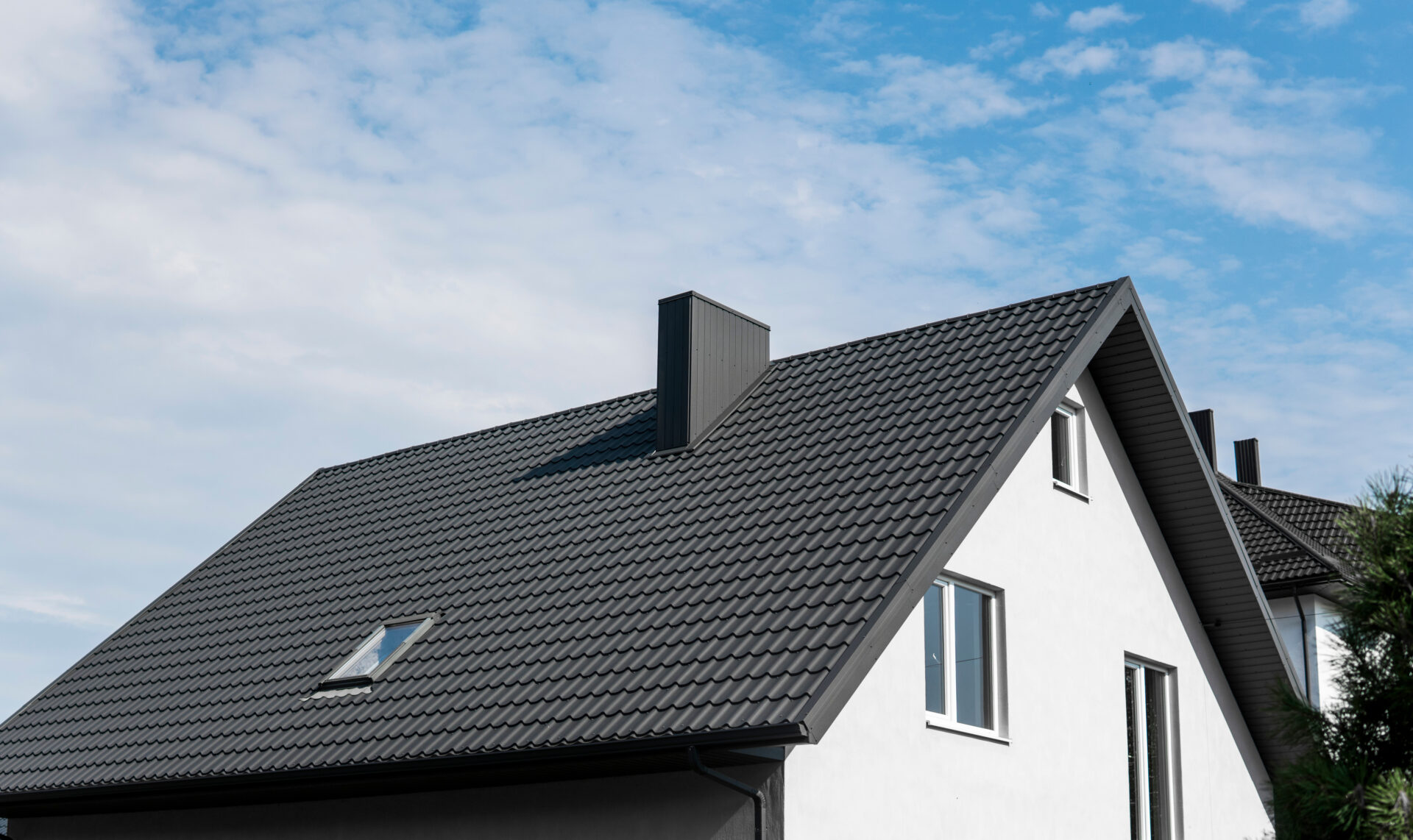
Replacing a roof is one of the most significant investments a homeowner can make. It protects your family, enhances curb appeal, and ensures the structural integrity of your home. If you are currently asking yourself, “How much to put a new roof on my house,” you are not alone; this is one of the most common yet stressful questions for homeowners in the US today.
The short answer is that the national average typically ranges between $8,500 and $14,500, but this number can fluctuate wildly based on your location, materials, and roof complexity. In this comprehensive guide, we will break down every factor influencing these costs so you can plan your budget with confidence and avoid unexpected surprises.
What Is the Average Cost to Replace a Roof in 2026?
Understanding the baseline cost is the first step in financial planning. As of late 2026, inflation and supply chain stabilization have settled into a new normal for construction materials. While prices vary by region, here is a general breakdown based on home size and roofing square footage (one “square” equals 100 square feet).
| Home Size | Roofing Squares | Estimated Cost Range (Asphalt) | Estimated Cost Range (Premium) |
|---|---|---|---|
| Small (1,000 sq ft) | 10–12 squares | $4,500 – $6,500 | $9,000 – $13,000 |
| Medium (1,700 sq ft) | 17–20 squares | $7,500 – $11,000 | $15,000 – $22,000 |
| Large (2,500+ sq ft) | 25–30 squares | $11,000 – $16,000 | $22,000 – $35,000+ |
Note: “Premium” includes materials like metal, slate, or high-end architectural shingles.
It is crucial to remember that these figures include both materials and labor. Labor often accounts for 40% to 60% of the total bill, depending on the difficulty of the installation.
How Do Different Roofing Materials Affect the Price?
The material you choose is the single biggest variable in your final bill. Each option offers a different balance of longevity, aesthetics, and cost.
1. Asphalt Shingles
This is the most popular choice in the United States due to its affordability and ease of installation.
- 3-Tab Shingles: The budget-friendly option. They last 15–20 years.
- Architectural Shingles: Thicker, more durable, and aesthetically pleasing. They last 25–30 years and cost about 20–30% more than 3-tab options.
2. Metal Roofing
Metal roofs are gaining popularity for their durability and energy efficiency.
- Steel/Aluminum: Costs range from $12 to $20 per square foot installed. They can last 40–70 years.
- Copper/Zinc: Premium luxury options costing $25+ per square foot, but they can last over 100 years.
3. Clay and Concrete Tiles
Common in the Southwest and Florida, these tiles are heavy and require reinforced roof structures.
- Cost: $15–$30 per square foot.
- Lifespan: 50–100 years.
4. Slate and Wood Shakes
These are high-end aesthetic choices. Slate is incredibly durable but fragile during installation, while wood shakes require regular maintenance to prevent rot.
- Slate Cost: $20–$40+ per square foot.
- Wood Shake Cost: $14–$25 per square foot.
For a deeper understanding of material properties and historical usage, you can refer to the detailed entry on Roofing materials on Wikipedia.
What Hidden Factors Increase Roof Replacement Costs?
Many homeowners receive a quote that seems reasonable, only to see the price jump after the contractor inspects the site. Here are the specific factors that drive up the price:
Roof Pitch and Complexity
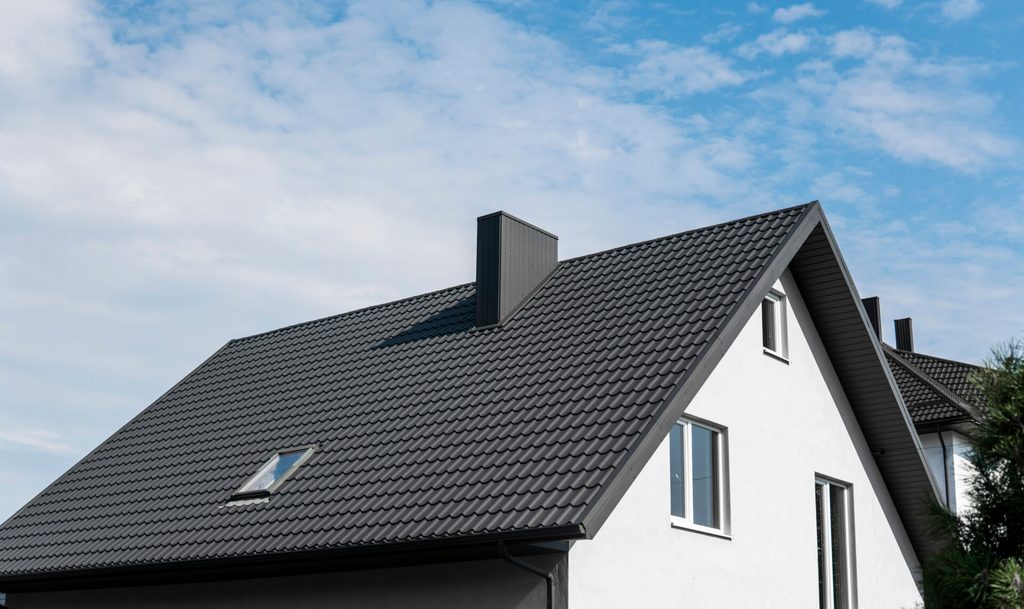
A steep roof requires special safety equipment, more time, and highly skilled labor. If your roof has multiple valleys, dormers, chimneys, or skylights, the installation becomes more complex. Complex roofs can increase labor costs by 20–40%.
Removal of Old Layers
If you have two or more layers of old shingles, some local codes allow them to be covered, but most professionals recommend tearing them off. Tear-off services add $1–$5 per square foot to your bill due to disposal fees and extra labor.
Structural Repairs
Once the old roof is removed, contractors may find rotten decking (plywood or OSB boards). Replacing damaged decking typically costs $75–$150 per sheet, plus labor. Always ask your contractor if this estimate is included in the initial quote or billed as an extra.
Geographic Location
Labor rates in urban areas like New York City or San Francisco are significantly higher than in rural Midwest towns. Additionally, if you live in a hurricane-prone area, you may need impact-resistant materials, which carry a premium price tag.
Step-by-Step Guide to Budgeting for Your New Roof
To ensure you are financially prepared, follow this logical process before signing any contracts.
- Get Multiple Quotes: Obtain at least three detailed estimates from licensed and insured contractors. Do not just look at the bottom line; compare the scope of work.
- Check for Permits: Most municipalities require a permit for roof replacement. Ensure your contractor includes the permit fee (usually $100–$500) in their quote.
- Inspect the Decking: Ask the contractor to inspect the wood decking during the tear-off phase. Agree on a per-sheet price for replacements beforehand to avoid shock bills.
- Consider Timing: Roofing demand peaks in late summer and early fall. Scheduling your project in late winter or early spring might secure you a better rate due to lower demand.
- Review Warranty Options: Understand the difference between the manufacturer’s warranty (covers material defects) and the workmanship warranty (covers installation errors). A strong workmanship warranty is worth paying slightly more for.
FAQ: Common Questions About Roof Replacement Costs
1. Can I replace my roof myself to save money?
While technically possible, DIY roofing is strongly discouraged for most homeowners. The risk of injury is high, and improper installation can void manufacturer warranties and lead to leaks. Furthermore, many insurance policies will not cover damage caused by unlicensed work. The savings are rarely worth the liability.
2. Does homeowners insurance cover roof replacement?
Insurance typically covers roof damage caused by sudden, accidental events like hail storms, windstorms, or falling trees. It generally does not cover wear and tear or age-related deterioration. Check your policy’s “Actual Cash Value” vs. “Replacement Cost Value” clauses, as this significantly affects your payout.
3. How long does a roof replacement take?
For an average-sized home (1,500–2,000 sq ft), a professional crew can complete the job in 1 to 3 days. Larger homes or complex designs may take up to a week. Weather delays are common, so build some flexibility into your schedule.
4. Is it better to repair or replace my roof?
If your roof is less than 10 years old and the damage is localized (e.g., a few missing shingles), repair is cost-effective. However, if your roof is over 20 years old, has widespread leaking, or has lost significant granules, replacement is the better long-term investment. Frequent repairs on an aging roof often exceed the cost of a new one over time.
5. What is the most cost-effective roofing material?
Architectural asphalt shingles offer the best balance of cost, durability, and aesthetic appeal for most US homeowners. They are affordable, widely available, and come with decent warranties. While metal is cheaper in the long run due to longevity, the upfront cost is nearly double that of asphalt.
Conclusion
Determining how much to put a new roof on my house requires looking beyond the simple price per square foot. You must consider material longevity, labor complexity, and potential structural repairs. While the average cost hovers between $8,500 and $14,500, your specific situation will dictate the final number.
By understanding these variables, getting multiple quotes, and choosing the right material for your climate and budget, you can make an informed decision that protects your home for decades to come. Remember, a roof is not just an expense; it is a critical component of your home’s value and safety.
Found this guide helpful? Share it with friends or family who are planning home improvements, and leave a comment below with your own roofing experiences or questions!
Leave a Reply