Have you ever taken a bite of hot pizza or a crunchy chip, only to feel an immediate, uncomfortable throbbing on the roof of your mouth? It is a surprisingly common sensation that can range from a mild annoyance to sharp pain that makes eating difficult. If you are asking yourself, “Why does the roof of my mouth get swollen sometimes,” you are not alone, and understanding the root cause is the first step toward relief.
In this comprehensive guide, we will explore the most frequent triggers for palatal swelling, provide actionable home remedies, and clarify when it is time to seek professional medical attention. Let’s dive into the science behind your sore palate.
Common Causes: Why Is My Palate Swollen?
The roof of your mouth, medically known as the palate, is divided into two sections: the hard palate (front) and the soft palate (back). Because this area is lined with sensitive mucous membranes, it is highly reactive to various internal and external stimuli. Here are the primary reasons why swelling occurs.
1. Thermal Burns from Hot Food and Drinks
This is the most frequent culprit. The tissues in your mouth are delicate. Consuming food or beverages at temperatures above 60°C (140°F) can cause first-degree burns.
- What happens: The heat damages the top layer of cells, leading to inflammation, redness, and swelling as the body rushes blood to the area to heal it.
- Common triggers: Freshly brewed coffee, melted cheese on pizza, or hot soup.
2. Physical Trauma and Abrasions
Sometimes, the damage is mechanical rather than thermal. Eating hard, sharp, or crunchy foods can scratch or bruise the palate.
- Examples: Tortilla chips, hard crust bread, or even accidental injury from a toothbrush.
- Result: Minor cuts or abrasions can swell up as part of the natural healing process, similar to a scrape on your knee.
3. Allergic Reactions (Oral Allergy Syndrome)
If you notice swelling shortly after eating certain fruits, vegetables, or nuts, you might be experiencing a mild allergic reaction.
- Mechanism: Your immune system mistakenly identifies proteins in certain foods as harmful, releasing histamines that cause localized swelling.
- Note: This is often linked to pollen allergies. For instance, if you are allergic to birch pollen, you might react to apples or carrots.
4. Canker Sores and Cold Sores
While cold sores usually appear on the lips, canker sores (aphthous ulcers) can develop anywhere in the mouth, including the roof.
- Appearance: Small, shallow lesions with a white or yellow center and a red border.
- Trigger: Stress, minor mouth injury, acidic foods, or vitamin deficiencies (B-12, zinc, folate).
5. Dehydration and Dry Mouth
Saliva plays a crucial role in protecting oral tissues. When you are dehydrated, your mouth produces less saliva, leaving the palate vulnerable to irritation and friction.
- Impact: A dry palate is more prone to cracking and swelling, especially during sleep when you breathe through your mouth.
People Also Ask: Specific Scenarios Explained
To further address your concerns, let’s look at specific questions users frequently ask search engines regarding palatal health.
Can Sinus Infections Cause Roof of Mouth Swelling?
Yes, indirectly. The roots of your upper teeth are close to your sinus cavities. When you have a severe sinus infection (sinusitis), the pressure and inflammation can radiate downward, causing discomfort or a feeling of fullness in the upper palate. However, direct visible swelling of the mucous membrane is less common than referred pain.
Is It Possible to Have an Abscess on the Roof of the Mouth?
Absolutely. A dental abscess is a pocket of pus caused by a bacterial infection. If an infection from an upper tooth spreads, it can create a swollen, painful bump on the palate.
- Warning Sign: If the swelling is accompanied by a bad taste in your mouth, fever, or severe throbbing pain, this is a dental emergency.
Could It Be a Sign of Oral Cancer?
While rare, persistent swelling or lumps that do not heal within two weeks should be evaluated by a dentist or doctor. Oral cancer often presents as a non-healing ulcer, a red or white patch, or a lump. Early detection is critical for successful treatment.
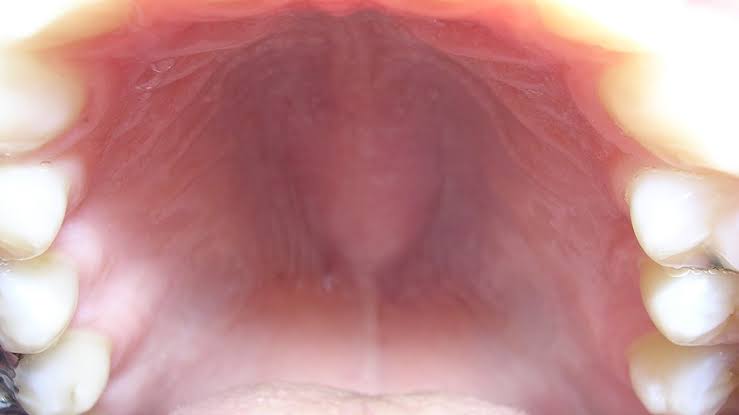
Quick Comparison: Burn vs. Allergy vs. Infection
Understanding the difference between these conditions helps you choose the right remedy.
| Feature | Thermal Burn | Allergic Reaction | Infection/Abscess |
|---|---|---|---|
| Onset | Immediate after eating hot food | Minutes to hours after eating | Gradual, over days |
| Sensation | Stinging, raw feeling | Itching, tingling, swelling | Throbbing, constant pain |
| Appearance | Redness, possible blister | Puffy, red tissue | Pus-filled bump, redness |
| Duration | 3–7 days | Few hours to 2 days | Persists until treated |
Step-by-Step Home Remedies for Relief
If you are dealing with minor swelling from a burn or minor trauma, you can manage it at home. Follow these steps to speed up healing and reduce discomfort.
Step 1: Cool Down the Area
Immediately rinse your mouth with cool water. Do not use ice directly on the tissue as it can cause further damage (freezer burn).
- Action: Sip cold water or suck on an ice chip for 10–15 minutes. This constricts blood vessels and reduces inflammation.
Step 2: Salt Water Rinse
Salt water is a natural disinfectant and helps reduce swelling.
- Recipe: Mix 1/2 teaspoon of salt into 8 ounces (240 ml) of warm water.
- Method: Swish gently for 30 seconds, then spit out. Repeat 2–3 times a day.
Step 3: Apply Honey
Honey has natural antibacterial and anti-inflammatory properties.
- Application: Dab a small amount of raw honey directly onto the swollen area. Leave it for a few minutes before rinsing. Note: Do not give honey to children under 1 year old.
Step 4: Stay Hydrated
Drink plenty of water throughout the day. Aim for at least 2 liters of water daily to keep your oral tissues moist and promote healing. Avoid alcoholic or caffeinated beverages as they can dehydrate you further.
Step 5: Avoid Irritants
Until the swelling subsides, avoid:
- Spicy foods
- Acidic foods (citrus, tomatoes)
- Crunchy or sharp foods
- Very hot temperatures
When to See a Doctor or Dentist
While most cases of palatal swelling resolve on their own, some situations require professional intervention. Please seek medical advice if:
- The swelling persists for more than two weeks.
- You have difficulty breathing or swallowing (this could indicate a severe allergic reaction or airway obstruction).
- You experience a high fever or chills.
- There is pus discharge or a foul odor from the mouth.
- The swelling is accompanied by unexplained weight loss or fatigue.
For more detailed information on oral health conditions, you can refer to resources like Wikipedia’s page on Oral Mucosa to understand the biological structure better.
FAQ Section
1. How long does it take for a burned roof of the mouth to heal?
Minor thermal burns typically heal within 3 to 7 days. The mouth has a rich blood supply, which allows for faster healing compared to skin on other parts of the body.
2. Can stress cause the roof of my mouth to swell?
Stress itself does not directly cause swelling, but it weakens the immune system, making you more susceptible to canker sores and viral infections like herpes simplex, which can cause swelling and blisters.
3. Is it safe to pop a blister on the roof of my mouth?
No. Popping a blister can introduce bacteria into the open wound, leading to infection. Let the blister rupture naturally or absorb on its own.
4. What vitamins help with mouth sores?
Deficiencies in Vitamin B12, Iron, Zinc, and Folate are linked to recurrent mouth sores. Ensuring a balanced diet or taking supplements (after consulting a doctor) can help prevent future occurrences.
5. Can acid reflux cause palate swelling?
Yes. Gastroesophageal Reflux Disease (GERD) can bring stomach acid up into the mouth, irritating the soft palate and throat. This often results in chronic inflammation and a sore feeling in the morning.
Conclusion
Dealing with a swollen roof of the mouth can be uncomfortable, but in most cases, it is a temporary issue caused by minor burns, trauma, or mild allergies. By understanding why does the roof of my mouth get swollen sometimes, you can take proactive steps to prevent it, such as letting food cool down and staying hydrated.
Remember, simple home remedies like salt water rinses and cold compresses are highly effective for minor issues. However, never ignore persistent symptoms. Your oral health is a window into your overall well-being, so listen to your body.
Found this guide helpful? Share it with your friends and family on social media to help them solve their mouth mysteries too! Don’t forget to leave a comment below if you have any other questions about oral health.
Leave a Reply