Have you ever taken a sip of hot coffee or eaten a piece of crispy pizza and wondered why the roof of your mouth feels so sensitive? It is a common curiosity that leads many people to ask: Are there taste buds on the roof of your mouth? Understanding the answer can help you better appreciate how your body processes flavor and protect your oral health. Let’s dive into the science behind your palate and clear up this widespread misconception.
The Short Answer: No, But It’s Complicated
To give you the direct answer immediately: No, there are no true taste buds on the hard or soft palate (the roof of your mouth).
Taste buds are specialized sensory organs primarily located on the tongue, specifically on structures called papillae. However, the roof of your mouth is not devoid of sensation. It is rich in nerve endings that detect temperature, texture, and pain. This distinction is crucial because while you cannot “taste” sweet or salty flavors directly from your palate, it plays a vital supporting role in your overall eating experience.
Many people confuse the general sensitivity of the palate with taste. When you eat something spicy or very hot, the roof of your mouth reacts strongly. This is not because it is tasting the food, but because it is sensing heat and chemical irritation through trigeminal nerve fibers. This phenomenon is known as chemesthesis, which is different from gustation (the scientific term for taste).
Where Are Taste Buds Actually Located?
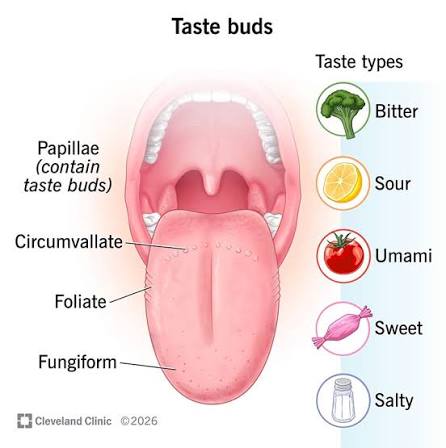
To understand why the roof of your mouth lacks taste buds, we must first look at where they actually reside. The human tongue is a muscular organ covered in tiny bumps called papillae. Not all papillae contain taste buds, but three specific types do:
- Fungiform Papillae: These are mushroom-shaped and scattered across the front two-thirds of the tongue. They are visible to the naked eye as small red dots.
- Circumvallate Papillae: These are larger, dome-shaped structures arranged in a V-shape at the back of the tongue. Each one contains hundreds of taste buds.
- Foliate Papillae: Located on the sides of the back of the tongue, these also contain numerous taste buds.
In addition to the tongue, taste buds can be found in smaller numbers on the:
- Soft palate (the back part of the roof of the mouth, near the throat)
- Upper esophagus
- Cheeks
- Epiglottis
It is important to note that while the soft palate may have a few scattered taste receptors, the hard palate (the bony front part you touch with your tongue) has none. For a detailed anatomical breakdown, you can refer to Wikipedia’s article on Taste, which provides comprehensive medical diagrams and historical context on gustatory science.
Why Does the Roof of My Mouth Feel Sensitive?
If there are no taste buds there, why does the roof of your mouth feel so involved when you eat? The answer lies in the dense network of nerves and blood vessels.
The Role of the Trigeminal Nerve
The roof of your mouth is innervated by the maxillary branch of the trigeminal nerve. This nerve is responsible for somatosensory functions, meaning it detects:
- Temperature: Is the food hot or cold?
- Texture: Is it rough, smooth, or crunchy?
- Pain/Irritation: Is it spicy or acidic?
When you eat wasabi or drink carbonated soda, the “tingling” or “burning” sensation you feel on your palate is not a taste. It is a pain response triggered by chemicals like allyl isothiocyanate (in wasabi) or carbonic acid (in soda). This is why spicy food feels “hot” even though it isn’t thermally hot.
Blood Flow and Heat Regulation
The palate is highly vascularized, meaning it has many blood vessels close to the surface. This helps regulate the temperature of the food before it reaches your throat and stomach. If you eat something extremely hot, the blood vessels expand, causing inflammation and discomfort. This is often mistaken for a “burned taste,” but it is actually tissue irritation.
Common Misconceptions About Oral Anatomy
There are several myths surrounding taste and the mouth that persist despite scientific evidence. Let’s debunk a few to ensure you have accurate information.
| Myth | Fact |
|---|---|
| Different parts of the tongue taste different things. | The “tongue map” showing sweet at the tip and bitter at the back is outdated. All taste zones can detect all five basic tastes. |
| The roof of the mouth tastes food. | The roof detects texture and temperature, not flavor profiles like sweet or sour. |
| You lose taste buds as you age. | You don’t necessarily lose the number of taste buds, but their regeneration slows down, and sensitivity may decrease. |
| Spicy is a taste. | Spiciness is a pain signal, not a taste. The five basic tastes are sweet, sour, salty, bitter, and umami. |
Understanding these distinctions helps you communicate better with healthcare providers if you experience oral issues. For instance, if you lose your sense of taste but can still feel heat or texture, the issue might be neurological rather than related to your taste buds.
How to Care for the Roof of Your Mouth
Even though it doesn’t have taste buds, the roof of your mouth is delicate and prone to injury. Burns from hot food, scratches from sharp chips, or irritation from acidic foods are common. Here is how to keep it healthy:
1. Avoid Extreme Temperatures
Let hot beverages and foods cool slightly before consuming. The ideal temperature for food is between 40°C and 60°C (104°F–140°F). Anything above 70°C (158°F) can cause immediate thermal injury to the palatal tissue.
2. Stay Hydrated
A dry mouth is more susceptible to irritation and infection. Saliva acts as a natural buffer, neutralizing acids and washing away food particles. Aim to drink at least 2 liters of water daily, depending on your activity level.
3. Practice Gentle Oral Hygiene
While brushing your teeth, avoid scrubbing the roof of your mouth aggressively. If you use a tongue scraper, be careful not to go too far back toward the soft palate, as this can trigger the gag reflex and cause micro-tears.
4. Monitor for Lesions
If you notice persistent white patches, sores, or lumps on the roof of your mouth that do not heal within two weeks, consult a dentist or doctor. While most issues are benign (like canker sores), early detection of oral conditions is vital for effective treatment.
FAQ Section
Q1: Can I train my palate to taste better?
While you cannot add taste buds to the roof of your mouth, you can improve your sensory awareness. Mindful eating—focusing on texture, aroma, and flavor nuances—can enhance your overall dining experience. Aroma contributes significantly to what we perceive as “taste,” so engaging your sense of smell is key.
Q2: Why does the roof of my mouth hurt after eating pineapple?
Pineapple contains an enzyme called bromelain, which breaks down proteins. Since the mucous membranes in your mouth are made of protein, bromelain can literally digest the top layer of cells, causing a tingling or sore sensation. This is not an allergic reaction in most cases, but a chemical irritation.
Q3: Do children have taste buds on the roof of their mouths?
No, children do not have taste buds on the hard palate either. However, children generally have more sensitive taste buds overall and a higher density of fungiform papillae. This is why kids are often more sensitive to bitter or strong flavors than adults.
Q4: Can burns on the roof of the mouth affect my sense of taste?
Indirectly, yes. If the roof of your mouth is burned or inflamed, it can alter the way food feels in your mouth, which impacts your overall perception of flavor. Additionally, severe burns can cause swelling that temporarily blocks aroma receptors in the nose, reducing flavor intensity. However, the actual ability to detect sweet, sour, etc., remains intact unless the tongue is also injured.
Q5: Is it normal for the roof of my mouth to feel numb?
Temporary numbness can occur after eating very cold foods (like ice cream) or due to local anesthetics used in dental procedures. However, persistent numbness could indicate a nerve issue, such as damage to the trigeminal nerve, or a systemic condition like diabetes. If numbness persists, seek medical advice.
Q6: What are the five basic tastes?
The five scientifically recognized basic tastes are:
- Sweet: Often indicates energy-rich carbohydrates.
- Sour: Detects acidity, which can signal spoilage or ripeness.
- Salty: Essential for electrolyte balance.
- Bitter: Often a warning sign for toxins.
- Umami: A savory taste found in meats, cheeses, and mushrooms, indicating protein content.
Conclusion
So, are there taste buds on the roof of your mouth? The answer is no. Your palate is a sophisticated sensor for temperature, texture, and pain, but it leaves the actual tasting to your tongue and other specialized areas. Understanding this distinction not only satisfies curiosity but also helps you take better care of your oral health.
By recognizing that the roof of your mouth is sensitive to heat and irritation rather than flavor, you can make smarter choices about food temperatures and textures. Remember to stay hydrated, avoid extreme heat, and listen to your body’s signals.
If you found this article helpful, please share it with your friends and family on social media. Knowledge is power, especially when it comes to understanding how our bodies work!
Leave a Reply