Tag: oral anatomy

  • The Roof of the Mouth: Hard & Soft Palate Explained

    The Roof of the Mouth: Hard & Soft Palate Explained

    Have you ever run your tongue along the top of your mouth and wondered about the distinct textures you feel? It is a curious part of our anatomy that plays a crucial role in eating, speaking, and breathing, yet many of us rarely think about it until something feels wrong. Understanding exactly what the roof of the mouth is made up of the hard and soft palates can help you better appreciate your oral health and identify potential issues early.

    In this comprehensive guide, we will break down the complex structure of your palate, explain its vital functions, and provide expert insights into keeping this sensitive area healthy. Whether you are a student, a health enthusiast, or simply curious about your body, this article will provide clear, accurate, and actionable information.

    What Exactly Is the Roof of the Mouth Made Of?

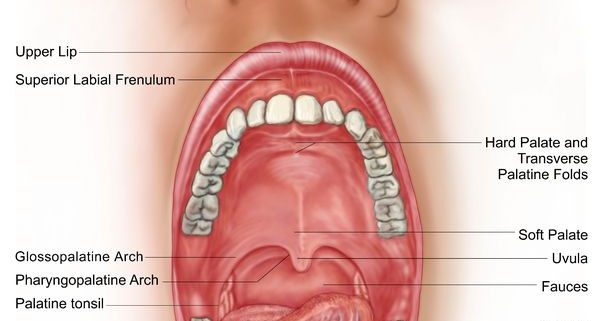
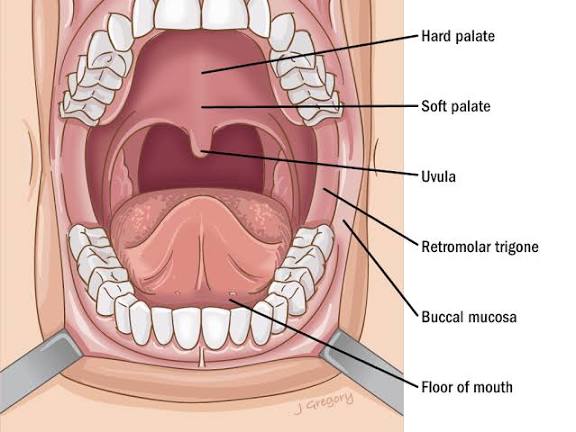
    To answer the primary question directly: the roof of the mouth, medically known as the palate, is divided into two distinct sections—the hard palate and the soft palate. These two structures work together but are composed of different tissues and serve different mechanical purposes.

    The hard palate forms the anterior (front) two-thirds of the roof. It is a bony structure covered by a thin layer of mucous membrane. This rigid surface provides a stable platform against which your tongue can press food during chewing.

    The soft palate makes up the posterior (back) one-third. Unlike its front counterpart, it contains no bone. Instead, it is composed of muscle fibers and connective tissue, making it flexible and movable. This flexibility is essential for swallowing and speech.

    Understanding this division is critical because problems affecting the hard palate (like burns from hot pizza) differ significantly from issues affecting the soft palate (like snoring or sleep apnea).

    The Hard Palate: Structure and Function

    The hard palate is the rigid shelf you feel immediately behind your upper teeth. Its primary job is structural support and mechanical assistance during mastication (chewing).

    Anatomical Composition

    The hard palate is formed by two specific bones:

    1. The Palatine Process of the Maxilla: This is the horizontal part of the upper jawbone.
    2. The Horizontal Plate of the Palatine Bone: This bone sits further back and connects to the maxilla.

    These bones are fused together at the midline by a suture called the median palatine suture. Overlying these bones is a specialized type of tissue called keratinized stratified squamous epithelium. This tissue is tough and resistant to abrasion, which is necessary because it constantly rubs against food.

    Key Functions

    • Chewing Surface: It provides a hard surface for the tongue to crush food against the teeth.
    • Speech Articulation: It helps produce certain consonant sounds, such as “t,” “d,” and “k,” by allowing the tongue to create brief closures against the roof of the mouth.
    • Separation: It physically separates the oral cavity from the nasal cavity, preventing food from entering your nose while eating.
    The Roof Of The Mouth Is Made Up Of The

    The Soft Palate: The Flexible Muscle

    Moving further back into your throat, you encounter the soft palate. If you say “ahhh” in front of a mirror, you can see this structure lift.

    Anatomical Composition

    The soft palate lacks bone. Instead, it is a muscular flap composed of:

    • Muscle Fibers: Including the levator veli palatini and tensor veli palatini muscles.
    • Connective Tissue: Providing structure and elasticity.
    • Mucous Membrane: A non-keratinized lining that is softer and more sensitive than the hard palate.

    At the very back of the soft palate hangs the uvula, that small, teardrop-shaped piece of tissue that often gets blamed for snoring.

    Key Functions

    • Swallowing (Deglutition): When you swallow, the soft palate lifts and moves backward to close off the nasopharynx. This prevents food and liquid from going up into your nasal cavity.
    • Speech: It controls the resonance of your voice. By raising or lowering, it allows air to escape through the nose (for sounds like “m” and “n”) or keeps it in the mouth (for most other sounds).
    • Suction: In infants, the soft palate creates a seal necessary for effective breastfeeding or bottle-feeding.

    Common Issues Affecting the Palate

    Even though the palate is robust, it is susceptible to various conditions. Recognizing these early can prevent complications.

    ConditionAffected AreaSymptomsCommon Causes
    Palatal BurnsHard PalateRedness, blistering, painHot foods (pizza cheese, coffee)
    Canker SoresBothSmall, painful ulcersStress, minor injury, acidic foods
    Sleep ApneaSoft PalateSnoring, daytime fatigueRelaxed muscles blocking airway
    Cleft PalateBothGap in the roof of the mouthCongenital birth defect
    ThrushBothWhite patches, bleedingFungal infection (Candida)

    The Danger of Thermal Burns

    One of the most common injuries to the roof of the mouth is a thermal burn. Because the hard palate has less blood flow than other parts of the mouth, it heals slower. If you burn your palate, avoid spicy or acidic foods for a few days to allow the epithelial layer to regenerate.

    Sleep Apnea and the Soft Palate

    Obstructive Sleep Apnea (OSA) is a serious condition where the soft palate and tongue relax too much during sleep, blocking the airway. According to the National Heart, Lung, and Blood Institute, this can lead to high blood pressure and heart disease. If you snore loudly or wake up gasping, consult a healthcare provider.

    How to Maintain a Healthy Palate

    Keeping the roof of your mouth healthy is largely about good overall oral hygiene and mindful eating habits. Here are some expert-recommended steps:

    1. Practice Gentle Brushing: Many people forget to brush their palate. Use a soft-bristled toothbrush to gently clean the hard palate to remove bacteria and food debris. Do not scrub the soft palate aggressively, as it is sensitive.
    2. Stay Hydrated: A dry mouth increases the risk of infection and bad breath. Saliva helps wash away bacteria from the roof of the mouth. Aim for at least 2 liters of water daily.
    3. Avoid Extremely Hot Foods: Let your coffee or soup cool for a minute before consuming. Repeated thermal injury can lead to chronic inflammation or even cellular changes over time.
    4. Regular Dental Checkups: Dentists examine the roof of your mouth during routine cleanings. They can spot early signs of oral cancer, which often presents as a persistent sore or patch on the palate.
    5. Quit Smoking: Tobacco use is a leading cause of oral cancers and can cause “nicotinic stomatitis,” a condition where the hard palate becomes white and thickened.

    Frequently Asked Questions (FAQ)

    1. Why does the roof of my mouth hurt?

    Pain in the roof of the mouth is commonly caused by thermal burns from hot food, minor trauma from sharp foods (like chips), or canker sores. If the pain persists for more than two weeks, it could indicate an infection or other underlying issue, and you should see a dentist.

    2. Can you get cancer on the roof of your mouth?

    Yes, oral cancer can develop on both the hard and soft palate. Risk factors include tobacco use, heavy alcohol consumption, and HPV infection. Early detection is key, so report any non-healing sores, lumps, or white/red patches to your doctor immediately.

    3. What is the bump on the roof of my mouth?

    A hard, bony bump in the center of the hard palate is often a torus palatinus. It is a benign bony growth that is harmless and requires no treatment unless it interferes with dentures. If the bump is soft, painful, or growing rapidly, seek medical advice.

    4. How does the palate help with speech?

    The palate acts as a barrier and a resonating chamber. The hard palate provides a surface for the tongue to create crisp consonant sounds. The soft palate raises to block nasal airflow for most sounds and lowers to allow nasal airflow for sounds like “m,” “n,” and “ng.”

    5. Is it normal for the roof of my mouth to be white?

    A slightly lighter color than the rest of the mouth can be normal due to the keratinized tissue. However, distinct white patches that cannot be wiped away may indicate leukoplakia or thrush. Always have unusual discoloration checked by a professional.

    Conclusion

    Understanding what the roof of the mouth is made up of the hard and soft palates reveals the intricate design of our oral anatomy. From the bony stability of the hard palate that aids in chewing to the muscular flexibility of the soft palate that enables speech and swallowing, each part plays a vital role in our daily lives.

    By maintaining good oral hygiene, being mindful of food temperatures, and staying hydrated, you can keep your palate healthy and functional. Remember, your mouth is the gateway to your overall health, so don’t ignore persistent symptoms.

    If you found this guide helpful, please share it with friends and family on social media. Spreading awareness about oral anatomy can help others take better care of their health!
  • What Are The Ridges On The Roof Of Your Mouth?

    What Are The Ridges On The Roof Of Your Mouth?

    Have you ever run your tongue along the top of your mouth and felt those distinct, bumpy textures just behind your front teeth? It is a common curiosity, and many people worry that these bumps might be signs of an infection or abnormality. If you have found yourself asking, “What are the ridges on the roof of your mouth,” you are not alone. Understanding this unique part of your anatomy can help alleviate unnecessary anxiety and improve your overall oral hygiene routine.

    In this comprehensive guide, we will explore the science behind these ridges, their crucial role in how we eat and speak, and when you should actually be concerned about changes in your mouth’s texture.

    The Anatomical Name: Palatine Rugae

    The technical term for those ridges is palatine rugae (singular: rugae). These are irregular, transverse folds of tissue located on the anterior (front) portion of the hard palate. While they may feel rough or uneven to your tongue, they are a completely normal and essential part of human anatomy.

    Unlike the smooth surface of the cheeks or the floor of the mouth, the hard palate requires this textured surface to function correctly. According to anatomical studies, these ridges are formed during fetal development and remain relatively consistent throughout adulthood, although they can change slightly due to wear, age, or dental work.

    Why Do We Have Them?

    You might wonder why evolution decided to give us a bumpy roof of the mouth. The answer lies in functionality. The palatine rugae serve several critical purposes:

    1. Food Manipulation: They provide friction against the tongue, helping to hold food in place while chewing. This prevents slippery foods from sliding too far back into the throat before they are properly masticated.
    2. Speech Articulation: The ridges help the tongue create specific sounds. For example, when you pronounce “t,” “d,” “n,” or “l,” your tongue often touches or comes close to these ridges to shape the airflow.
    3. Sensory Feedback: The area is rich in nerve endings, providing sensory input that helps regulate chewing pressure and food texture perception.

    People Also Ask: Common Questions About Mouth Ridges

    To ensure we cover every aspect of your curiosity, let’s address the most frequent questions users ask search engines regarding this topic.

    Are the Ridges on Everyone’s Mouth the Same?

    No, two people do not have the exact same pattern of palatine rugae. Much like fingerprints, the arrangement, number, and shape of these ridges are unique to each individual.

    • Variability: Most adults have between 3 to 5 major transverse ridges.
    • Uniqueness: Forensic dentists have even studied rugae patterns for identification purposes because they are resistant to decomposition and fire damage, remaining stable after death.

    This uniqueness means that if you notice your ridges look different from a friend’s, it is perfectly normal. There is no “standard” look, only what is standard for you.

    Can the Ridges Change Over Time?

    While the basic pattern is established early in life, minor changes can occur. Here is a breakdown of factors that might alter the appearance or feel of your palatine rugae:

    FactorImpact on Palatine Rugae
    AgingTissue may thin slightly, making ridges less prominent.
    Dental AppliancesBraces or retainers can temporarily irritate or flatten ridges.
    TraumaBurning your mouth on hot pizza can cause swelling that obscures ridges.
    Weight Loss/GainSignificant changes in facial structure can subtly affect palate tension.

    If you notice sudden, drastic changes—such as a ridge disappearing, growing rapidly, or becoming painful—it is advisable to consult a dentist. However, gradual changes over decades are typically part of the natural aging process.

    Is It Normal for the Ridges to Feel Sore?

    Occasional soreness is common, but persistent pain is not. The tissue on the hard palate is tough, but it is not invincible. Common causes for temporary soreness include:

    • Thermal Burns: Eating food that is too hot (above 60°C/140°F) can scald the delicate mucosa covering the ridges.
    • Abrasion: Crunchy foods like tortilla chips or hard crusts can scratch the surface.
    • Allergic Reactions: Certain toothpastes or mouthwashes containing harsh alcohols or sodium lauryl sulfate may cause irritation.

    If the soreness persists for more than two weeks, it could indicate an underlying issue such as an oral infection, vitamin deficiency, or, in rare cases, oral pathology.

    What Are The Ridges On The Roof Of Your Mouth

    When to Be Concerned: Red Flags to Watch For

    While asking “what are the ridges on the roof of your mouth” usually leads to reassurance, it is vital to distinguish between normal anatomy and potential health issues. The American Dental Association recommends regular self-exams to catch abnormalities early.

    Here are specific signs that warrant a professional evaluation:

    1. Persistent Lumps: If a bump appears that was not there before and does not go away after 14 days.
    2. Color Changes: White patches (leukoplakia), red velvety patches (erythroplakia), or dark spots that do not heal.
    3. Bleeding: Unexplained bleeding from the ridges or surrounding tissue.
    4. Numbness: Loss of sensation in the palate, which could indicate nerve involvement.
    5. Difficulty Swallowing or Speaking: Any functional impairment linked to the palate area.

    For more detailed information on oral cancer symptoms and prevention, you can refer to this authoritative resource on Oral Cancer from Wikipedia. Note that while Wikipedia is a great starting point, always prioritize advice from your healthcare provider for personal medical concerns.

    How to Care for Your Palatine Rugae

    Maintaining the health of the roof of your mouth is just as important as brushing your teeth. Here is a simple, step-by-step routine to keep your oral cavity healthy:

    1. Gentle Brushing: When brushing your teeth, lightly brush your tongue and the roof of your mouth. Use a soft-bristled toothbrush to avoid abrasion.
    2. Hydration: Dry mouth can make the tissues more susceptible to irritation. Aim to drink at least 2 liters of water daily, keeping the temperature moderate (22–28°C) to avoid thermal shock to the tissues.
    3. Avoid Extreme Temperatures: Let hot beverages and foods cool for at least 2–3 minutes before consuming them. This simple habit prevents thermal burns that can inflame the rugae.
    4. Balanced Diet: Ensure you are getting enough Vitamin B12, Iron, and Folate. Deficiencies in these nutrients can lead to glossitis or inflammation of the oral mucosa.
    5. Regular Dental Checkups: Visit your dentist every six months. They can spot subtle changes in your palatine rugae that you might miss.

    FAQ Section

    1. Can braces affect the ridges on the roof of my mouth?

    Yes, braces can sometimes cause temporary changes. The hardware may rub against the palate, causing irritation or slight flattening of the ridges due to constant pressure. Once the braces are removed, the tissue usually returns to its normal state within a few weeks.

    2. Why do my ridges feel bigger when I’m sick?

    When you have a cold or allergies, your body produces more mucus, and your tissues may become inflamed or swollen. This systemic inflammation can make the palatine rugae feel more pronounced or tender. Additionally, mouth breathing due to congestion can dry out the palate, leading to irritation.

    3. Is there a condition where people have no ridges?

    It is extremely rare to have a completely smooth hard palate. However, certain genetic conditions or developmental anomalies might result in less defined rugae. If you were born with a cleft palate, the structure of your roof of the mouth may differ significantly, but this is usually addressed surgically in infancy.

    4. Can smoking change the appearance of the roof of my mouth?

    Absolutely. Smokers often develop a condition called nicotinic stomatitis, which causes the palate to turn white and develop small, raised bumps with red centers. This is a reaction to heat and chemicals from smoke. While often reversible upon quitting, it increases the risk of oral cancer and should be monitored by a dentist.

    5. Do pets have similar ridges?

    Yes, many mammals, including cats and dogs, have palatine rugae. In cats, these ridges are particularly prominent and help them groom and manipulate food. This similarity highlights the evolutionary importance of this anatomical feature across species.

    6. How can I soothe irritated ridges at home?

    If your ridges are sore from a burn or scratch, rinse your mouth with warm salt water (1/2 teaspoon of salt in 1 cup of warm water) three times a day. Avoid spicy, acidic, or crunchy foods until the tenderness subsides. Over-the-counter oral gels can also provide temporary relief.

    Conclusion

    So, what are the ridges on the roof of your mouth? They are the palatine rugae—unique, functional, and fascinating structures that help you eat, speak, and sense your food. Far from being a defect, they are a testament to the complex engineering of the human body.

    By understanding their purpose and monitoring their health, you can take better care of your oral well-being. Remember, while variations are normal, persistent changes should always be checked by a professional.

    Did you learn something new about your anatomy today? Share this article with your friends and family on social media to help them understand the hidden wonders of their own mouths!

  • Is The Roof of Your Mouth Supposed to Be Flat?

    Is The Roof of Your Mouth Supposed to Be Flat?

    Have you ever run your tongue along the top of your mouth and wondered about its shape? It is a common curiosity, especially if you notice bumps or ridges that seem unusual. Many people ask, “Is the roof of your mouth supposed to be flat?” because they are unsure what constitutes normal oral anatomy versus a potential health concern.

    The short answer is no, the roof of your mouth is not supposed to be perfectly flat. In fact, a completely smooth palate is often an anomaly rather than the norm. Understanding the natural contours of your hard and soft palate can help you distinguish between healthy anatomical features and signs that require professional dental attention.

    In this comprehensive guide, we will explore the intricate structure of your palate, explain why it has ridges, and identify when changes in its shape might signal a problem. By the end of this article, you will have a clear understanding of what is normal for your oral health.

    Understanding the Natural Anatomy of Your Palate

    To answer whether the roof of your mouth should be flat, we first need to look at what makes up this area. The roof of your mouth, medically known as the palate, is divided into two distinct sections: the hard palate and the soft palate.

    The Hard Palate

    The hard palate is the bony front part of the roof of your mouth. It separates your oral cavity from your nasal cavity. If you run your tongue along this area, you will likely feel a firm, rigid surface. However, it is rarely smooth. Most adults have transverse palatine folds, also known as palatal rugae. These are the irregular ridges or wrinkles located just behind your upper front teeth.

    These rugae serve a functional purpose. They help grip food against the tongue during chewing and swallowing, preventing food from slipping back too quickly. According to general anatomical standards, having between 3 to 5 prominent ridges on each side is considered typical.

    The Soft Palate

    Behind the hard palate lies the soft palate. This area is made of muscle and tissue, lacking bone. It is smoother than the hard palate but still has texture. The soft palate plays a crucial role in speech and swallowing by closing off the nasal passages when you swallow.

    FeatureHard PalateSoft Palate
    CompositionBone covered by mucous membraneMuscle and connective tissue
    TextureFirm, often with ridges (rugae)Softer, smoother, flexible
    FunctionChewing support, separation from noseSpeech, swallowing, breathing
    SensationLess sensitive to touchHighly sensitive

    If you are wondering is the roof of your mouth supposed to be flat, remember that the hard palate has natural bumps, while the soft palate is relatively smoother but still curved. A perfectly flat, featureless hard palate is uncommon.

    Why Does the Roof of My Mouth Have Bumps?

    Many patients visit dentists concerned about the bumps on their palate, fearing they are growths or tumors. In most cases, these are normal anatomical structures.

    Palatal Rugae

    As mentioned earlier, palatal rugae are the most common reason for a “bumpy” feeling. They are unique to each individual, much like fingerprints. Their presence is a sign of normal development. They do not change significantly throughout adulthood unless there is trauma or significant orthodontic movement.

    Torus Palatinus

    Another common cause of a bump or raised area is a torus palatinus. This is a benign bony growth that occurs in the midline of the hard palate. It is not a tumor and is not cancerous. Studies suggest that torus palatinus affects approximately 20% to 30% of the population, with higher prevalence in certain ethnic groups.

    While a torus palatinus can make the roof of the mouth feel less flat and more domed or lumpy, it is generally harmless. It usually requires no treatment unless it interferes with denture fitting or causes ulceration due to trauma from hard foods.

    For more detailed information on oral anatomical variations, you can refer to resources such as Wikipedia’s page on the Palate, which provides extensive diagrams and medical definitions.

    When Should You Be Concerned About Palate Shape?

    While a non-flat palate is normal, certain changes or symptoms warrant a visit to your dentist or doctor. Here are some red flags to watch for:

    • Sudden Changes: If the shape of your palate changes rapidly over days or weeks.
    • Pain or Tenderness: Normal rugae or torus palatinus should not be painful. Persistent pain could indicate an infection, abscess, or other issue.
    • Sores or Ulcers: Any sore that does not heal within two weeks should be evaluated.
    • Color Changes: White patches (leukoplakia), red patches (erythroplakia), or dark spots may indicate precancerous conditions or infections like thrush.
    • Difficulty Swallowing or Speaking: If the structure of your palate seems to interfere with basic functions.

    It is important to differentiate between normal anatomical variance and pathological changes. Regular dental check-ups are the best way to monitor these changes.

    Is The Roof Of Your Mouth Supposed To Be Flat

    Common Conditions That Affect the Roof of the Mouth

    Several conditions can alter the appearance or sensation of the roof of your mouth. Understanding these can help alleviate anxiety when you notice something unusual.

    1. Canker Sores (Aphthous Ulcers)

    These are small, shallow lesions that develop on the soft tissues in your mouth or at the base of your gums. They can appear on the soft palate and are often painful. They typically heal on their own within one to two weeks.

    2. Oral Thrush

    Caused by an overgrowth of the fungus Candida albicans, oral thrush appears as creamy white lesions on your tongue or inner cheeks. It can spread to the roof of your mouth, causing a cottony feeling and loss of taste. This is more common in infants, the elderly, and those with compromised immune systems.

    3. Burns from Hot Food

    Accidentally burning the roof of your mouth with hot pizza or coffee is common. This can cause temporary swelling, blistering, or peeling skin, making the palate feel rough or uneven. This usually resolves within a few days.

    4. Nasopalatine Duct Cyst

    This is a rare, non-cancerous cyst that develops in the midline of the palate. It may cause a swelling that feels like a fluid-filled bump. While often asymptomatic, it may require surgical removal if it becomes infected or large.

    How to Maintain a Healthy Palate

    Keeping the roof of your mouth healthy is part of overall oral hygiene. Here are some practical steps:

    1. Brush Gently: When brushing your teeth, avoid scrubbing the roof of your mouth aggressively. Use a soft-bristled toothbrush.
    2. Stay Hydrated: Dry mouth can increase the risk of infections and irritation. Drink plenty of water throughout the day.
    3. Avoid Irritants: Limit consumption of very hot foods and beverages. Reduce tobacco and alcohol use, as these are major risk factors for oral cancers.
    4. Regular Dental Visits: Schedule check-ups every six months. Your dentist can spot abnormalities early.

    FAQ Section

    1. Is it normal for the roof of my mouth to feel rough?

    Yes, it is entirely normal. The hard palate contains palatal rugae, which are natural ridges that create a rough or textured surface. This texture helps with chewing and speech.

    2. Can braces change the shape of the roof of my mouth?

    Orthodontic treatment can slightly alter the position of the teeth and the surrounding bone, but it generally does not change the fundamental shape of the hard palate. However, expanders used in orthodontics can widen the palate, potentially making it feel different temporarily.

    3. What does a healthy roof of the mouth look like?

    A healthy palate should be pink in color, similar to the rest of your gum tissue. It may have ridges (rugae) on the front half and be smoother on the back half. There should be no sores, white patches, or persistent swelling.

    4. Why does the roof of my mouth hurt after eating spicy food?

    Spicy foods contain capsaicin, which can irritate the sensitive mucous membranes of the palate. This can cause temporary inflammation or a burning sensation. Rinsing with milk or water can help soothe the irritation.

    5. Can stress cause bumps on the roof of my mouth?

    Stress itself does not directly cause structural bumps, but it can weaken the immune system, leading to outbreaks of canker sores or cold sores. These can appear on the palate and feel like painful bumps.

    6. Is a high arch in the roof of the mouth a problem?

    A high-arched palate is a common anatomical variation. In most cases, it is not a problem. However, in some instances, it may be associated with certain genetic conditions or affect speech and breathing. If you have concerns, consult a healthcare provider.

    Conclusion

    So, is the roof of your mouth supposed to be flat? The answer is a definitive no. A healthy palate is characterized by natural ridges, curves, and textures that play vital roles in eating and speaking. While a completely smooth palate is rare, significant changes, pain, or discoloration should never be ignored.

    By understanding the normal anatomy of your mouth, you can better monitor your oral health and identify when professional care is needed. Remember, regular dental check-ups are your best defense against oral health issues.

    If you found this article helpful, please share it with friends and family who might be curious about their oral anatomy. Staying informed is the first step toward better health!

  • Are There Taste Buds On The Roof Of Your Mouth?

    Are There Taste Buds On The Roof Of Your Mouth?

    Have you ever taken a sip of hot coffee or eaten a piece of crispy pizza and wondered why the roof of your mouth feels so sensitive? It is a common curiosity that leads many people to ask: Are there taste buds on the roof of your mouth? Understanding the answer can help you better appreciate how your body processes flavor and protect your oral health. Let’s dive into the science behind your palate and clear up this widespread misconception.

    The Short Answer: No, But It’s Complicated

    To give you the direct answer immediately: No, there are no true taste buds on the hard or soft palate (the roof of your mouth).

    Taste buds are specialized sensory organs primarily located on the tongue, specifically on structures called papillae. However, the roof of your mouth is not devoid of sensation. It is rich in nerve endings that detect temperature, texture, and pain. This distinction is crucial because while you cannot “taste” sweet or salty flavors directly from your palate, it plays a vital supporting role in your overall eating experience.

    Many people confuse the general sensitivity of the palate with taste. When you eat something spicy or very hot, the roof of your mouth reacts strongly. This is not because it is tasting the food, but because it is sensing heat and chemical irritation through trigeminal nerve fibers. This phenomenon is known as chemesthesis, which is different from gustation (the scientific term for taste).

    Where Are Taste Buds Actually Located?

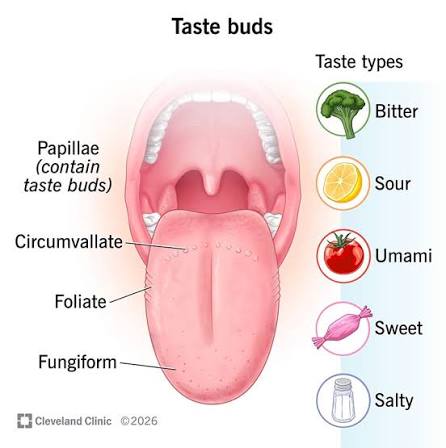
    To understand why the roof of your mouth lacks taste buds, we must first look at where they actually reside. The human tongue is a muscular organ covered in tiny bumps called papillae. Not all papillae contain taste buds, but three specific types do:

    1. Fungiform Papillae: These are mushroom-shaped and scattered across the front two-thirds of the tongue. They are visible to the naked eye as small red dots.
    2. Circumvallate Papillae: These are larger, dome-shaped structures arranged in a V-shape at the back of the tongue. Each one contains hundreds of taste buds.
    3. Foliate Papillae: Located on the sides of the back of the tongue, these also contain numerous taste buds.

    In addition to the tongue, taste buds can be found in smaller numbers on the:

    • Soft palate (the back part of the roof of the mouth, near the throat)
    • Upper esophagus
    • Cheeks
    • Epiglottis

    It is important to note that while the soft palate may have a few scattered taste receptors, the hard palate (the bony front part you touch with your tongue) has none. For a detailed anatomical breakdown, you can refer to Wikipedia’s article on Taste, which provides comprehensive medical diagrams and historical context on gustatory science.

    Are There Taste Buds On The Roof Of Your Mouth

    Why Does the Roof of My Mouth Feel Sensitive?

    If there are no taste buds there, why does the roof of your mouth feel so involved when you eat? The answer lies in the dense network of nerves and blood vessels.

    The Role of the Trigeminal Nerve

    The roof of your mouth is innervated by the maxillary branch of the trigeminal nerve. This nerve is responsible for somatosensory functions, meaning it detects:

    • Temperature: Is the food hot or cold?
    • Texture: Is it rough, smooth, or crunchy?
    • Pain/Irritation: Is it spicy or acidic?

    When you eat wasabi or drink carbonated soda, the “tingling” or “burning” sensation you feel on your palate is not a taste. It is a pain response triggered by chemicals like allyl isothiocyanate (in wasabi) or carbonic acid (in soda). This is why spicy food feels “hot” even though it isn’t thermally hot.

    Blood Flow and Heat Regulation

    The palate is highly vascularized, meaning it has many blood vessels close to the surface. This helps regulate the temperature of the food before it reaches your throat and stomach. If you eat something extremely hot, the blood vessels expand, causing inflammation and discomfort. This is often mistaken for a “burned taste,” but it is actually tissue irritation.

    Common Misconceptions About Oral Anatomy

    There are several myths surrounding taste and the mouth that persist despite scientific evidence. Let’s debunk a few to ensure you have accurate information.

    MythFact
    Different parts of the tongue taste different things.The “tongue map” showing sweet at the tip and bitter at the back is outdated. All taste zones can detect all five basic tastes.
    The roof of the mouth tastes food.The roof detects texture and temperature, not flavor profiles like sweet or sour.
    You lose taste buds as you age.You don’t necessarily lose the number of taste buds, but their regeneration slows down, and sensitivity may decrease.
    Spicy is a taste.Spiciness is a pain signal, not a taste. The five basic tastes are sweet, sour, salty, bitter, and umami.

    Understanding these distinctions helps you communicate better with healthcare providers if you experience oral issues. For instance, if you lose your sense of taste but can still feel heat or texture, the issue might be neurological rather than related to your taste buds.

    How to Care for the Roof of Your Mouth

    Even though it doesn’t have taste buds, the roof of your mouth is delicate and prone to injury. Burns from hot food, scratches from sharp chips, or irritation from acidic foods are common. Here is how to keep it healthy:

    1. Avoid Extreme Temperatures

    Let hot beverages and foods cool slightly before consuming. The ideal temperature for food is between 40°C and 60°C (104°F–140°F). Anything above 70°C (158°F) can cause immediate thermal injury to the palatal tissue.

    2. Stay Hydrated

    A dry mouth is more susceptible to irritation and infection. Saliva acts as a natural buffer, neutralizing acids and washing away food particles. Aim to drink at least 2 liters of water daily, depending on your activity level.

    3. Practice Gentle Oral Hygiene

    While brushing your teeth, avoid scrubbing the roof of your mouth aggressively. If you use a tongue scraper, be careful not to go too far back toward the soft palate, as this can trigger the gag reflex and cause micro-tears.

    4. Monitor for Lesions

    If you notice persistent white patches, sores, or lumps on the roof of your mouth that do not heal within two weeks, consult a dentist or doctor. While most issues are benign (like canker sores), early detection of oral conditions is vital for effective treatment.

    FAQ Section

    Q1: Can I train my palate to taste better?

    While you cannot add taste buds to the roof of your mouth, you can improve your sensory awareness. Mindful eating—focusing on texture, aroma, and flavor nuances—can enhance your overall dining experience. Aroma contributes significantly to what we perceive as “taste,” so engaging your sense of smell is key.

    Q2: Why does the roof of my mouth hurt after eating pineapple?

    Pineapple contains an enzyme called bromelain, which breaks down proteins. Since the mucous membranes in your mouth are made of protein, bromelain can literally digest the top layer of cells, causing a tingling or sore sensation. This is not an allergic reaction in most cases, but a chemical irritation.

    Q3: Do children have taste buds on the roof of their mouths?

    No, children do not have taste buds on the hard palate either. However, children generally have more sensitive taste buds overall and a higher density of fungiform papillae. This is why kids are often more sensitive to bitter or strong flavors than adults.

    Q4: Can burns on the roof of the mouth affect my sense of taste?

    Indirectly, yes. If the roof of your mouth is burned or inflamed, it can alter the way food feels in your mouth, which impacts your overall perception of flavor. Additionally, severe burns can cause swelling that temporarily blocks aroma receptors in the nose, reducing flavor intensity. However, the actual ability to detect sweet, sour, etc., remains intact unless the tongue is also injured.

    Q5: Is it normal for the roof of my mouth to feel numb?

    Temporary numbness can occur after eating very cold foods (like ice cream) or due to local anesthetics used in dental procedures. However, persistent numbness could indicate a nerve issue, such as damage to the trigeminal nerve, or a systemic condition like diabetes. If numbness persists, seek medical advice.

    Q6: What are the five basic tastes?

    The five scientifically recognized basic tastes are:

    1. Sweet: Often indicates energy-rich carbohydrates.
    2. Sour: Detects acidity, which can signal spoilage or ripeness.
    3. Salty: Essential for electrolyte balance.
    4. Bitter: Often a warning sign for toxins.
    5. Umami: A savory taste found in meats, cheeses, and mushrooms, indicating protein content.

    Conclusion

    So, are there taste buds on the roof of your mouth? The answer is no. Your palate is a sophisticated sensor for temperature, texture, and pain, but it leaves the actual tasting to your tongue and other specialized areas. Understanding this distinction not only satisfies curiosity but also helps you take better care of your oral health.

    By recognizing that the roof of your mouth is sensitive to heat and irritation rather than flavor, you can make smarter choices about food temperatures and textures. Remember to stay hydrated, avoid extreme heat, and listen to your body’s signals.

    If you found this article helpful, please share it with your friends and family on social media. Knowledge is power, especially when it comes to understanding how our bodies work!