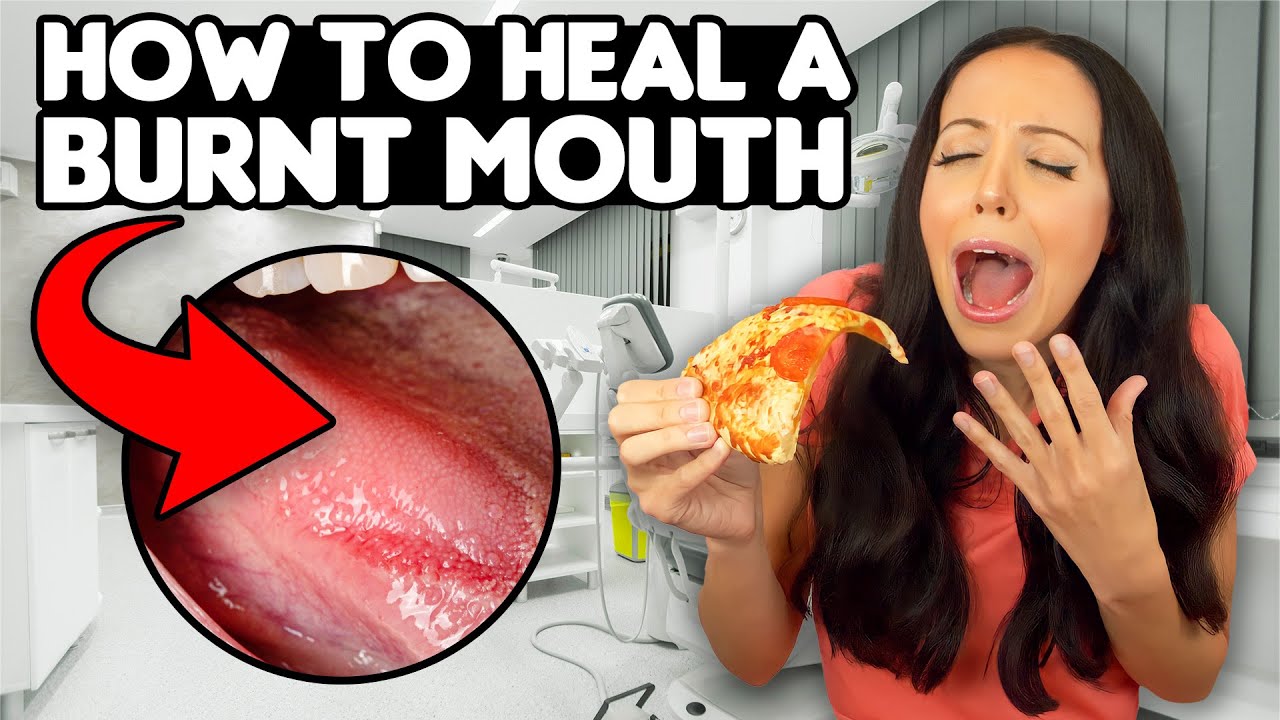
Have you ever taken a bite of something delicious, only to immediately regret it because the temperature was far too high? It is a universal experience that leaves many of us thinking, “I burned the roof of my mouth with hot food,” while frantically searching for ways to stop the stinging sensation. You are not alone, and more importantly, there are effective, science-backed steps you can take right now to alleviate the pain and speed up recovery.
In this guide, we will walk you through immediate first aid, what to avoid during the healing process, and when you should actually worry about seeking medical attention. Let’s turn that painful mistake into a manageable minor inconvenience.
Why Does the Roof of Your Mouth Burn So Easily?
Before we dive into the solutions, it helps to understand why this specific area is so vulnerable. The roof of your mouth, known medically as the palate, is covered by a thin layer of mucous membrane. Unlike the skin on your arms or legs, this tissue does not have a thick protective layer of keratin.
When you consume food or beverages above 140°F (60°C), the heat transfers rapidly to these sensitive tissues. According to general medical understanding, thermal injuries to the oral cavity are classified similarly to skin burns. A first-degree burn affects only the outer layer of tissue, causing redness and pain, while a second-degree burn may result in blistering. Most kitchen-related incidents result in first-degree burns, which are painful but heal relatively quickly.
Understanding the mechanism helps you realize that cooling the area immediately is critical to stopping the thermal damage from penetrating deeper into the tissue.
Immediate First Aid: What to Do Right Now
If you have just taken that scalding bite, time is of the essence. Follow these steps within the first few minutes to minimize tissue damage.
1. Cool It Down Gently
The most effective immediate action is to lower the temperature of the affected area. However, do not use ice cubes directly on the burn, as extreme cold can cause further tissue damage (similar to frostbite).
- Sip cold water: Take small sips of cool (not freezing) water. Hold it in your mouth over the burned area for 10–15 seconds before swallowing.
- Use milk: Dairy products can be soothing. The casein protein in milk may help coat the irritated tissue, providing a temporary barrier against air and further irritation.
2. Avoid Aggravating the Area
Once the initial shock wears off, you might feel tempted to touch the area with your tongue or fingers. Resist this urge. Probing the burn can introduce bacteria from your hands or disrupt the delicate healing cells forming on the surface.
3. Assess the Severity
Take a moment to look in a mirror if possible.
- Redness only: Likely a first-degree burn. Home care is sufficient.
- White patches or blisters: This indicates a second-degree burn. While still often manageable at home, it requires stricter hygiene to prevent infection.
How to Speed Up Healing Over the Next 24–48 Hours
The acute pain usually subsides within a day, but the tenderness can last longer. Here is how to manage the recovery phase effectively.
Dietary Adjustments
What you eat plays a massive role in how fast your palate heals. For the next two days, stick to the “BLAND” protocol:
- Ban acidic foods (no orange juice, tomato sauce, or soda).
- Limit spicy ingredients (avoid chili, pepper, and hot sauces).
- Avoid crunchy textures (chips, nuts, or hard crusts can scrape the burn).
- No extremely hot temperatures (let food cool to lukewarm).
- Dairy and soft foods are your friends (yogurt, pudding, smoothies).
Natural Remedies That Work
While many home remedies are anecdotal, some have basis in anti-inflammatory properties.
- Honey: Applying a small amount of honey to the burned area can help. Honey has natural antibacterial and wound-healing properties. Note: Do not give honey to children under one year old.
- Salt Water Rinse: Mix 1/2 teaspoon of salt in 8 ounces of warm water. Swish gently. This helps keep the area clean and reduces swelling. Do this 2–3 times a day, especially after eating.
- Aloe Vera: If you have pure aloe vera gel (ensure it is safe for internal use), it can provide a cooling, anti-inflammatory effect similar to its use on sunburns.
Pain Management
If the pain is distracting you from work or sleep, over-the-counter pain relievers like ibuprofen or acetaminophen can help reduce inflammation and discomfort. Always follow the dosage instructions on the label.
What NOT To Do When You Burn Your Palate
Making the wrong move can turn a minor annoyance into a week-long ordeal. Here is a comparison of helpful vs. harmful actions.
| Action | Impact on Healing | Recommendation |
|---|---|---|
| Popping Blisters | Increases infection risk; delays healing | Never do this |
| Using Alcohol Mouthwash | Causes severe stinging; dries out tissue | Avoid completely |
| Eating Hot Pizza | Re-injures the tissue; resets healing clock | Wait 48 hours |
| Smoking/Vaping | Reduces blood flow; slows cell regeneration | Pause if possible |
| Applying Butter | Traps heat; introduces bacteria | Use honey instead |
For more detailed information on oral mucosa and its healing processes, you can refer to resources such as Wikipedia’s article on Oral Mucosa to understand the biological context of your injury.
When Should You See a Doctor?
Most burns from hot food are minor and resolve on their own within 3 to 7 days. However, you should seek professional medical advice if:
- The pain does not improve after 3 days.
- You notice signs of infection, such as pus, increased swelling, or fever.
- The burn covers a large area of your mouth or throat, making it difficult to swallow or breathe.
- You have underlying health conditions like diabetes, which can slow down wound healing.
FAQ: Common Questions About Burning the Roof of Your Mouth
1. How long does it take for a burned roof of the mouth to heal?
Typically, a first-degree burn on the palate heals within 3 to 7 days. The mouth has a rich blood supply, which aids in faster regeneration compared to skin on other parts of the body. Second-degree burns with blistering may take up to two weeks.
2. Can I brush my teeth if I burned the roof of my mouth?
Yes, you should continue to maintain oral hygiene to prevent infection. However, be very gentle around the burned area. Use a soft-bristled toothbrush and avoid vigorous swishing with mouthwash. A mild saltwater rinse is a better alternative to commercial mouthwashes during the healing phase.
3. Why does my burned mouth taste weird?
Damage to the taste buds or the nerves in the palate can temporarily alter your sense of taste. This is usually temporary. As the tissue heals and the inflammation subsides, your normal sense of taste will return. Keep your mouth clean to minimize any metallic or bitter tastes caused by minor bleeding or cellular debris.
4. Is it safe to put ice directly on the burn?
No. Direct application of ice can cause cold thermal injury, damaging the tissue further. It is safer to sip cold water or suck on ice chips that melt slowly, allowing the liquid to cool the area without freezing the tissue.
5. Can I drink coffee or tea after burning my mouth?
It is best to avoid hot beverages for at least 24–48 hours. If you must have caffeine, let your coffee or tea cool to room temperature or drink it iced. The heat from the beverage can re-aggravate the sensitive nerve endings and delay the healing process.
6. Does sugar help heal a burned mouth?
While honey (which contains sugar) has healing properties, refined white sugar does not. In fact, high sugar intake can promote bacterial growth in the mouth. Stick to natural sweeteners like honey if you need soothing, but avoid sugary candies or sodas.
Conclusion
Accidentally saying, “I burned the roof of my mouth with hot food,” is a rite of passage for many food lovers. While the pain is sharp and immediate, remember that the mouth is one of the fastest-healing parts of the human body. By cooling the area immediately, avoiding irritants, and keeping the mouth clean, you can significantly reduce discomfort and recovery time.
Listen to your body. If it hurts, don’t eat it. If it’s hot, let it cool. Your palate will thank you.
Did this guide help you soothe your burn? Share this article with your friends who love piping hot pizza or fresh-out-of-the-oven lasagna—it might save them from a painful afternoon!
Leave a Reply