Have you ever noticed where your tongue rests when you are not speaking or eating? For many people, this simple detail is an afterthought, yet it plays a crucial role in overall health, breathing patterns, and even facial structure. If you have been wondering does putting your tongue on the roof of your mouth actually make a difference, you are not alone. This question has sparked intense debate among dentists, orthodontists, and wellness enthusiasts alike.
In this guide, we will break down the science behind proper tongue posture, separate fact from fiction, and provide you with actionable steps to optimize your oral health. Whether you are looking to improve your breathing, reduce snoring, or simply understand your body better, understanding the position of your tongue is a great place to start.
What Is Proper Tongue Posture?
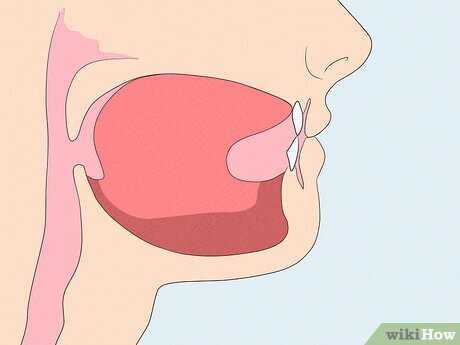
Before diving into the benefits, we must define what “proper” means. In the medical and dental community, correct resting tongue posture is often referred to as the “N-spot” position. This is not about pressing your tongue hard against the palate; rather, it is about a gentle, consistent rest.
Ideally, the tip of your tongue should rest just behind your upper front teeth (without touching them), and the body of the tongue should be suctioned lightly against the roof of the mouth. Your lips should be closed, and you should be breathing through your nose. This position is natural for infants but is often lost due to modern habits like mouth breathing, prolonged pacifier use, or poor dietary textures that do not require vigorous chewing.
The Science Behind Tongue Positioning
Why does this matter? The mouth is not just for eating; it is a complex muscular system that influences the development of the maxilla (upper jaw) and the airway. When the tongue rests low in the mouth, it fails to provide the necessary internal support for the upper jaw. Over time, this can lead to a narrower palate, crowded teeth, and a recessed chin.
Conversely, when the tongue is positioned correctly on the roof of the mouth, it acts as a natural scaffold. According to principles often discussed in orthotropics, this gentle pressure encourages the upper jaw to develop wider and forward. This expansion creates more room for teeth and opens up the nasal airways, facilitating easier breathing.
For a deeper understanding of human anatomy and the oral cavity, you can refer to comprehensive resources like Wikipedia’s article on the Human Mouth. Understanding the biological baseline helps contextualize why posture matters.
Key Benefits of Correct Tongue Posture
Adopting the habit of keeping your tongue on the roof of your mouth offers several tangible health benefits. Let’s explore the most significant ones supported by clinical observations and patient reports.
1. Improved Nasal Breathing
One of the most immediate benefits is the promotion of nasal breathing. When your tongue is up, your mouth naturally closes. This forces you to breathe through your nose, which filters, warms, and humidifies the air before it enters your lungs. Nasal breathing also increases nitric oxide uptake, which improves oxygen circulation throughout the body.
2. Enhanced Facial Structure and Aesthetics
While genetics play a major role, environmental factors like tongue posture can influence facial development, especially in children and adolescents. Proper tongue posture supports the maxilla, potentially leading to:
- Higher cheekbones.
- A more defined jawline.
- Better symmetry in the face.
3. Reduction in Snoring and Sleep Apnea Symptoms
Many cases of mild sleep apnea and chronic snoring are linked to the tongue falling back into the throat during sleep, obstructing the airway. By training the tongue muscles to stay elevated and forward during the day, you strengthen the musculature. This can help keep the airway open at night, reducing vibration (snoring) and obstruction.
4. Better Dental Alignment
Crowded teeth are often a result of a narrow jaw. By supporting the width of the palate, proper tongue posture can create space for teeth to align naturally. While it is not a substitute for braces in severe cases, it is a critical adjunctive therapy for maintaining orthodontic results.
How to Practice Proper Tongue Posture: A Step-by-Step Guide
Changing a lifelong habit takes time and consistency. Here is a simple tutorial to help you master the technique.
- Find the Spot: Close your mouth and swallow. Notice where the tip of your tongue lands. It should be just behind your upper front teeth, on the ridge of gum tissue. This is your target zone.
- Engage the Back: Once the tip is in place, try to lift the back third of your tongue. You can do this by making a “ng” sound (as in “sing”) and holding the position. The back of your tongue should be touching the soft palate.
- Create Suction: Instead of pushing hard, create a slight vacuum. Swallow while keeping the tongue in this position. The suction will help hold it in place without muscular fatigue.
- Check Your Lips: Ensure your lips are sealed gently. There should be no tension in your chin or forehead.
- Breathe Through Your Nose: Confirm that you are breathing quietly and deeply through your nostrils.
Pro Tip: If you find it difficult to keep the tongue up, try placing a small piece of sugar-free candy on the roof of your mouth. Your tongue will naturally move to dissolve it, helping you identify the correct muscle engagement.
Common Mistakes to Avoid
Even with good intentions, many people make errors that can cause more harm than good.
| Mistake | Why It’s Problematic | Correction |
|---|---|---|
| Pushing Against Teeth | Can cause teeth to protrude or shift forward. | Rest behind the teeth, not on them. |
| Excessive Pressure | Leads to jaw pain, headaches, and TMJ issues. | Use gentle suction, not force. |
| Blocking Airway | Pressing the back too hard can restrict breathing. | Ensure the airway remains open; breathe freely. |
| Inconsistency | Habits only form with repetition. | Set reminders to check your posture hourly. |
Does It Work for Adults?
A common question is whether these changes are effective after puberty. While the sutures in the skull fuse as we age, making structural changes slower and more difficult, adults can still benefit significantly.
For adults, the primary benefits are functional rather than structural. You may not see a dramatic change in jaw width, but you can experience:
- Reduced snoring.
- Improved sleep quality.
- Better posture of the head and neck.
- Relief from tension headaches caused by poor oral posture.
Consistency is key. It may take months of conscious effort to retrain the neuromuscular patterns, but the health rewards are worth the investment.
FAQ Section
1. Does putting your tongue on the roof of your mouth change your face shape?
In children and adolescents, yes, it can significantly influence facial growth by widening the palate. In adults, structural changes are minimal, but improved muscle tone can lead to a tighter appearance under the chin and better overall facial symmetry.
2. Can incorrect tongue posture cause health problems?
Yes. Low tongue posture is associated with mouth breathing, which can lead to dry mouth, increased risk of cavities, gum disease, sleep-disordered breathing, and even postural issues in the neck and spine.
3. How long does it take to see results from proper tongue posture?
Functional improvements, such as easier nasal breathing and reduced snoring, can be noticed within a few weeks. Structural or aesthetic changes, particularly in younger individuals, may take several months to years of consistent practice.
4. Is “Mewing” the same as proper tongue posture?
“Mewing” is a popularized term for proper tongue posture, named after Dr. John Mew. While the core concept is the same, professional orthodontists emphasize that it should be part of a holistic approach to oral health, including proper chewing and nasal breathing, rather than a standalone miracle cure.
5. What if I can’t keep my tongue up?
If you struggle, you may have a tongue tie (ankyloglossia) or weak oral muscles. Consult with a dentist or a myofunctional therapist. They can assess if a minor procedure or specific exercises are needed to improve tongue mobility and strength.
6. Should I push hard against the roof of my mouth?
No. Never use excessive force. The goal is gentle, sustained contact via suction. Pushing hard can lead to temporomandibular joint (TMJ) pain and tooth displacement. Think of it as a light hug, not a shove.
Conclusion
So, does putting your tongue on the roof of your mouth help? The answer is a resounding yes. From improving your breathing and sleep quality to supporting healthy facial development, proper tongue posture is a foundational element of oral health that is often overlooked.
It is a simple, free, and non-invasive practice that anyone can start today. While it is not a magic bullet for all dental issues, it is a powerful tool in your wellness toolkit. Start by checking your tongue position right now. Is it resting low, or is it gently suctioned to the roof of your mouth?
If you found this guide helpful, please share it with friends and family who might benefit from better breathing and oral health awareness. Together, we can promote healthier habits one breath at a time.
Leave a Reply