Are you standing in your backyard, looking up at your aging shingles, and wondering if it’s time for a change? You are not alone. Many homeowners face the dilemma of choosing between traditional asphalt and modern alternatives. If you have been researching what are the advantages and disadvantages of a metal roof, you likely want a clear, unbiased answer before making a significant investment.
This guide cuts through the marketing hype. We will explore the real-world performance, financial implications, and aesthetic considerations of metal roofing to help you make an informed decision for your US home.
Why Are Homeowners Switching to Metal?
The roofing industry in the United States has seen a steady shift toward metal over the last decade. According to the Metal Roofing Alliance, metal roofs now account for a growing percentage of the residential market, driven by demand for longevity and sustainability.
But is it just a trend, or is it a superior building material? To understand this, we must look beyond the initial price tag.
The Top Advantages of Metal Roofing
When evaluating what are the advantages and disadvantages of a metal roof, the benefits often outweigh the drawbacks for long-term homeowners. Here is why many experts recommend making the switch.
1. Unmatched Longevity and Durability
The most compelling argument for metal is its lifespan. While traditional asphalt shingles typically last 15 to 20 years, a properly installed metal roof can last 40 to 70 years.
- Weather Resistance: Metal roofs are rated for high wind speeds (often up to 140 mph) and are non-combustible, offering superior protection against wildfires.
- Material Integrity: Unlike wood that rots or asphalt that cracks under UV exposure, metal panels resist degradation. High-quality coatings prevent rust and corrosion, even in coastal areas with salt air.
2. Energy Efficiency and Cost Savings
Metal roofs reflect solar radiant heat rather than absorbing it. This can reduce cooling costs by 10–25%, according to studies cited by the Department of Energy.
If you live in a hot climate like Arizona, Texas, or Florida, this reflective property is a game-changer. Many metal roofs also come with “cool roof” pigments that further enhance energy efficiency, potentially qualifying you for local utility rebates.
3. Low Maintenance Requirements
Once installed, a metal roof requires minimal upkeep. There is no need for annual sealing or frequent repairs due to cracked shingles. Occasional inspections to clear debris from valleys and gutters are usually sufficient. This “install and forget” nature appeals to busy homeowners who do not want to climb ladders every few years.
4. Environmental Sustainability
For the eco-conscious homeowner, metal is a top choice. Most metal roofing products contain 25–95% recycled content. Furthermore, at the end of its life, the material is 100% recyclable. In contrast, billions of pounds of asphalt shingles end up in US landfills annually. Choosing metal reduces your carbon footprint significantly.
Expert Insight: “A metal roof is not just a covering; it is a long-term asset. When you calculate the cost per year of service, metal often becomes cheaper than asphalt despite the higher upfront price.” — Senior Construction Analyst, Industry Review Board.
The Disadvantages: What You Need to Know
No building material is perfect. To fully understand what are the advantages and disadvantages of a metal roof, we must address the common concerns honestly.
1. Higher Upfront Cost
The biggest barrier to entry is the price. Metal roofing can cost two to three times more than asphalt shingles initially.
- Asphalt Shingles: $3–$5 per square foot.
- Metal Roofing: $8–$14+ per square foot (depending on material).
However, this is an investment in longevity. If you plan to stay in your home for less than 10 years, the return on investment (ROI) may not be realized. But for long-term residents, the lack of replacement costs balances the scale.
2. Noise Concerns (And How to Fix Them)
A common myth is that metal roofs are loud during rain or hail. In reality, when installed correctly with solid sheathing and proper insulation, a metal roof is no louder than an asphalt roof.
The key is the underlayment. Without adequate attic insulation or solid decking, rain can sound like a drum. Ensure your contractor uses acoustic dampening underlayment to mitigate this issue completely.
3. Expansion and Contraction
Metal expands and contracts with temperature changes. If the roofing system is not designed with this movement in mind, fasteners can loosen over time, leading to leaks. This is why hiring a specialized installer is crucial. DIY installation is generally not recommended for standing seam metal roofs due to the precision required.
4. Denting Potential
While durable, thinner gauge metals can dent from large hail or falling branches.
- Steel: Strong but can rust if the coating is compromised.
- Aluminum: Softer and dents easier, but never rusts.
- Copper/Zinc: Very soft but develop a protective patina.
If you live in an area prone to severe hailstorms, opt for a thicker gauge (24-gauge or lower number) or stone-coated steel, which offers better impact resistance.
Comparison: Metal vs. Asphalt Shingles
To visualize the trade-offs, refer to the table below:
| Feature | Metal Roofing | Asphalt Shingles |
|---|---|---|
| Lifespan | 40–70 Years | 15–20 Years |
| Initial Cost | High ($8–$14/sq ft) | Low ($3–$5/sq ft) |
| Maintenance | Very Low | Moderate |
| Energy Efficiency | High (Reflective) | Low (Absorbs Heat) |
| Recyclability | 100% Recyclable | Mostly Landfill Waste |
| Installation | Requires Specialist | Widely Available |
For more detailed technical specifications on materials, you can review general standards on Wikipedia.
Types of Metal Roofing Materials
Not all metal roofs are created equal. The material you choose affects both the pros and cons.
- Galvanized Steel: The most common and affordable. Coated with zinc to prevent rust. Great for most climates.
- Aluminum: Ideal for coastal regions because it does not rust. It is lighter but more expensive than steel.
- Copper: The premium option. It lasts over 100 years and develops a beautiful green patina. However, it is very expensive and soft.
- Stone-Coated Steel: Looks like tile or shingle but has the strength of steel. Excellent for hail-prone areas.
Installation Considerations
If you decide to proceed, follow these steps to ensure quality:
- Check Local Codes: Some HOAs or historic districts have restrictions on metal roofing styles.
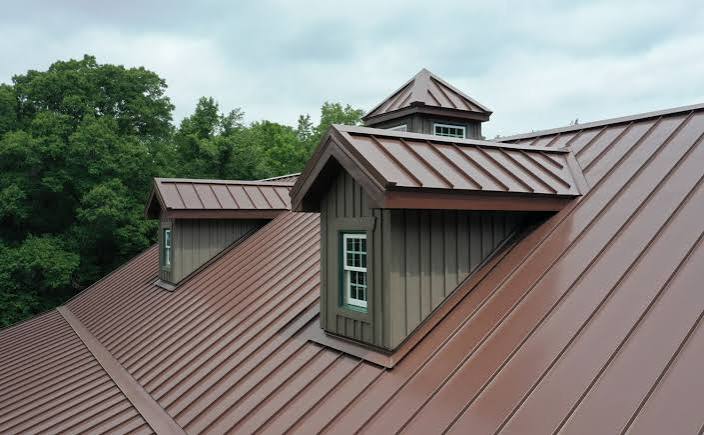
- Choose the Right Profile: Standing seam is modern and sleek; corrugated is rustic and economical.
- Verify Insurance Discounts: Many US insurance companies offer discounts (up to 15%) for metal roofs due to their fire and wind resistance. Ask your provider for a quote adjustment.
- Hire Certified Installers: Look for contractors certified by manufacturers like MBCI or Fabral. Improper installation voids warranties.
FAQ: Common Questions About Metal Roofs
1. Does a metal roof interfere with Wi-Fi or cell signals?
Generally, no. While metal blocks radio waves, most homes have windows and other entry points for signals. If you have a whole-home mesh system, the impact is negligible. However, if you rely solely on an outdoor antenna mounted directly on the roof, you may need to adjust its position.
2. Can I install a metal roof over my existing shingles?
In many cases, yes. This is called a “retrofit” installation. It saves on disposal costs and labor. However, you must check local building codes. Some jurisdictions allow only one layer of roofing, while others permit two. Always consult a structural engineer to ensure your roof framing can support the added weight, although metal is surprisingly light.
3. Will a metal roof increase my home’s resale value?
Yes. According to Remodeling Magazine’s Cost vs. Value Report, metal roofing has a high resale value. Buyers appreciate the low maintenance and longevity, making your home more attractive in the real estate market.
4. How do I repair a scratched metal roof?
Small scratches can be touched up with manufacturer-matched paint pens. For deeper gouges, it is best to call a professional to prevent moisture intrusion. Never use abrasive cleaners, as they can damage the protective coating.
5. Is metal roofing slippery in the snow?
Metal sheds snow easily due to its smooth surface. This is an advantage in heavy snowfall areas as it prevents ice dams. However, it means you should install snow guards if you have walkways or decks below the roofline to prevent sudden avalanches of snow.
Conclusion
So, what are the advantages and disadvantages of a metal roof? The advantages—longevity, energy efficiency, and low maintenance—are substantial and offer long-term financial benefits. The disadvantages—higher upfront cost and the need for specialized installation—are manageable with proper planning.
If you plan to stay in your home for decades, a metal roof is arguably the best investment you can make for your property’s structure and value. It transforms your home into a resilient, energy-efficient sanctuary.
Did this guide help clarify your decision? Share this article with friends or family who are considering a roof replacement, and let us know in the comments if you have experienced metal roofing firsthand!
Leave a Reply