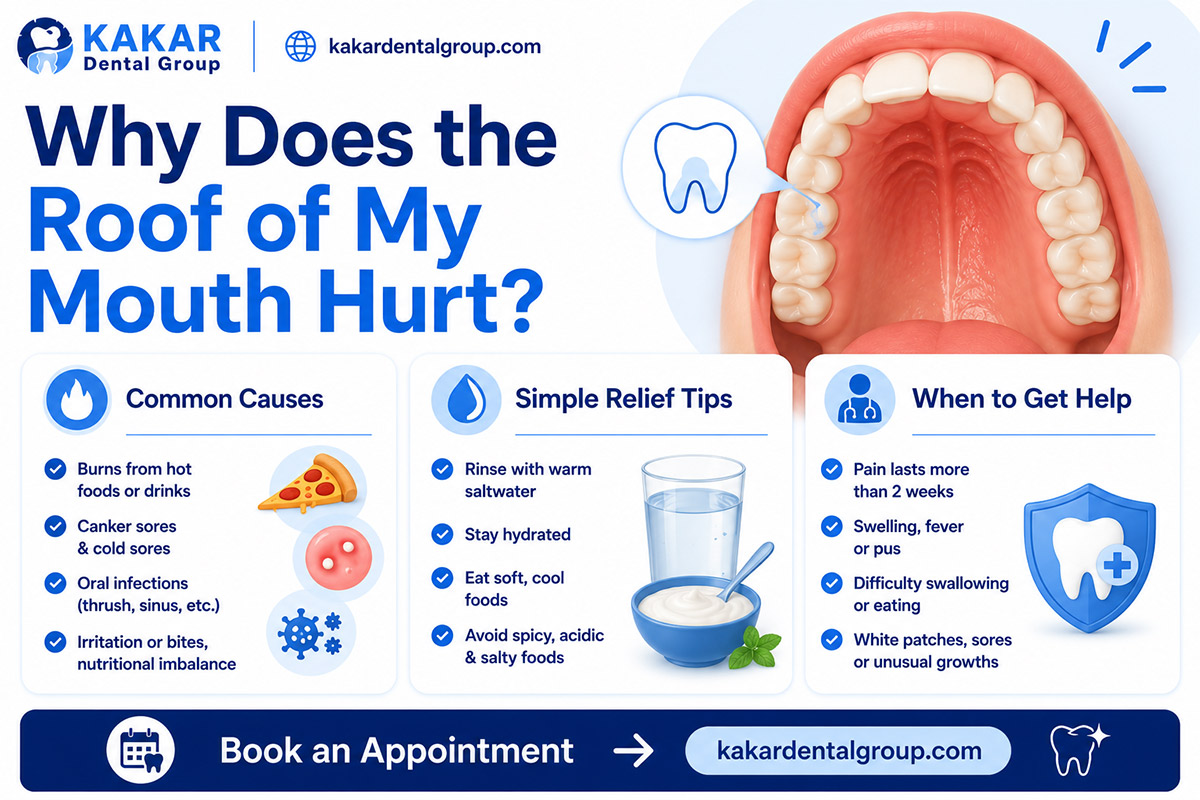
Have you ever taken a bite of piping hot pizza or sipped scalding coffee, only to feel that immediate, stinging regret on the roof of your mouth? It is a painful experience that can make eating and speaking uncomfortable for days. If you are currently dealing with this irritation, you are likely asking yourself: how long does it take roof of mouth to heal?
The good news is that the oral mucosa—the tissue lining your mouth—is one of the fastest-healing tissues in the human body. However, the exact timeline depends on the severity of the burn or injury. In this comprehensive guide, we will break down the healing stages, provide actionable home remedies to speed up recovery, and explain when you should seek professional medical attention.
Understanding the Healing Timeline
When we discuss burns or injuries to the palate (the roof of the mouth), it is essential to categorize the damage. Most household incidents result in first-degree or mild second-degree burns. Here is what you can generally expect regarding recovery time.
First-Degree Burns: 3 to 7 Days
A first-degree burn affects only the outermost layer of the skin (epithelium). You might experience redness, mild swelling, and tenderness, but there are no blisters.
- Days 1–2: The area feels raw and sensitive to hot or spicy foods.
- Days 3–5: The pain subsides significantly. You may notice some peeling of the top layer of skin, which is a normal part of the regeneration process.
- Days 6–7: The tissue usually returns to normal.
Second-Degree Burns: 1 to 2 Weeks
If the heat was intense enough to cause blistering, you have sustained a second-degree burn. These take longer to heal because the damage extends deeper into the dermis.
- Week 1: Blisters may form and eventually burst. This stage is often the most painful.
- Week 2: The open sore begins to close up. New tissue forms, appearing pink and smooth.
- Beyond 2 Weeks: If the burn has not healed by this point, it may indicate an infection or a more severe underlying issue.
Note: Individual healing rates vary based on age, overall health, and immune system function. Smokers or individuals with diabetes may experience slower healing times.
Why Does the Mouth Heal Faster Than Skin?
You might wonder why a cut on your finger takes weeks to heal, while a burnt palate seems to recover in days. Science offers a fascinating explanation.
According to research highlighted by Wikipedia’s entry on wound healing, the oral cavity has a unique environment that promotes rapid repair. The mouth is constantly bathed in saliva, which contains histatins—proteins that accelerate wound closure. Additionally, the blood supply to the face and head is exceptionally rich, delivering oxygen and nutrients required for tissue repair more efficiently than other parts of the body.
Immediate Steps to Soothe a Burnt Palate
If you have just burned the roof of your mouth, immediate action can minimize tissue damage and reduce pain. Follow these steps within the first hour of injury.
1. Cool the Area Immediately
Do not ignore the sting. Rinse your mouth with cool water (not ice-cold, as extreme cold can shock the tissue) for at least 30 seconds. This helps dissipate the residual heat trapped in the tissue layers.
2. Avoid Irritants
For the next 48 hours, strictly avoid:
- Hot beverages and soups.
- Spicy foods (chili, pepper, hot sauce).
- Acidic foods (citrus fruits, tomato-based sauces).
- Crunchy or sharp foods (chips, nuts) that can physically scrape the tender area.
3. Use Salt Water Rinses
Starting 24 hours after the injury, rinse your mouth with a warm saltwater solution.
- Recipe: Mix 1/2 teaspoon of salt into 8 ounces (approx. 240 ml) of warm water.
- Frequency: Swish gently for 30 seconds, 3–4 times a day.
- Benefit: Salt acts as a mild antiseptic and reduces inflammation.
Home Remedies to Accelerate Healing
While time is the primary healer, several natural remedies can provide comfort and support the regeneration process.
| Remedy | How It Works | Application Method |
|---|---|---|
| Honey | Has natural antibacterial and anti-inflammatory properties. | Apply a small dab directly to the burnt area 2–3 times daily. |
| Yogurt | Probiotics help balance oral bacteria; cool temperature soothes pain. | Eat plain, unsweetened yogurt. Let it sit on the palate before swallowing. |
| Aloe Vera | Contains compounds that stimulate skin growth and repair. | Use food-grade aloe vera gel. Apply a thin layer to the affected spot. |
| Milk | Coats the mouth and provides a cooling effect. | Sip cold milk slowly. Avoid if you are lactose intolerant. |
Important: Do not apply butter or oil immediately after a burn. Old myths suggest this helps, but it can actually trap heat inside the tissue, worsening the burn.
When to See a Doctor or Dentist
Most palate burns are minor and resolve on their own. However, you should monitor your symptoms closely. Seek professional medical advice if you experience any of the following “red flags”:
- Signs of Infection: Increased redness, pus, foul odor, or fever.
- Persistent Pain: Pain that does not improve after 7–10 days.
- Large Blisters: Blisters larger than 1 centimeter that do not burst or heal.
- Difficulty Swallowing: If the swelling obstructs your airway or makes drinking water difficult.
- Recurring Issues: If you frequently burn your palate without a clear cause, it could indicate a sensory nerve issue or other medical condition.
Frequently Asked Questions (FAQ)
1. Can I brush my teeth if I have a burnt roof of my mouth?
Yes, you should continue to maintain oral hygiene to prevent infection. However, be gentle around the injured area. Use a soft-bristled toothbrush and avoid scrubbing the palate directly. You might also consider using a mild, alcohol-free mouthwash to avoid stinging.
2. Is it safe to pop a blister on the roof of my mouth?
No. Never pop a blister intentionally. The blister serves as a natural bandage, protecting the underlying raw tissue from bacteria. Popping it increases the risk of infection and delays healing. Let it burst naturally or reabsorb on its own.
3. What foods should I eat while my palate is healing?
Stick to a soft, bland diet. Ideal options include:
- Mashed potatoes (cooled down).
- Smoothies (avoid acidic fruits like oranges).
- Scrambled eggs.
- Oatmeal.
- Pudding or custard.
4. Does smoking affect the healing of a burnt palate?
Yes, significantly. Smoking restricts blood flow and introduces harmful chemicals into the mouth, which can dry out the tissues and impair the immune response. If you smoke, try to refrain or reduce usage while your mouth is healing to ensure a faster recovery.
5. Can stress cause sores on the roof of the mouth?
While stress itself does not burn the tissue, it can weaken your immune system, making you more susceptible to canker sores (aphthous ulcers) or slowing down the healing of existing injuries. Managing stress through rest and hydration supports overall oral health.
Conclusion
Dealing with a burnt or injured palate is unpleasant, but understanding how long does it take roof of mouth to heal can help you manage your expectations and care for your mouth properly. For most minor burns, you can expect full recovery within 3 to 7 days. By keeping the area clean, avoiding irritants, and using soothing remedies like honey or salt water, you can minimize discomfort and speed up the process.
Remember, your mouth is resilient. With a little patience and proper care, you will be back to enjoying your favorite hot foods in no time.
Found this guide helpful? Share it with your friends and family on social media to help them handle their next kitchen mishap with confidence! Don’t forget to leave a comment below if you have any other questions about oral health.
Leave a Reply