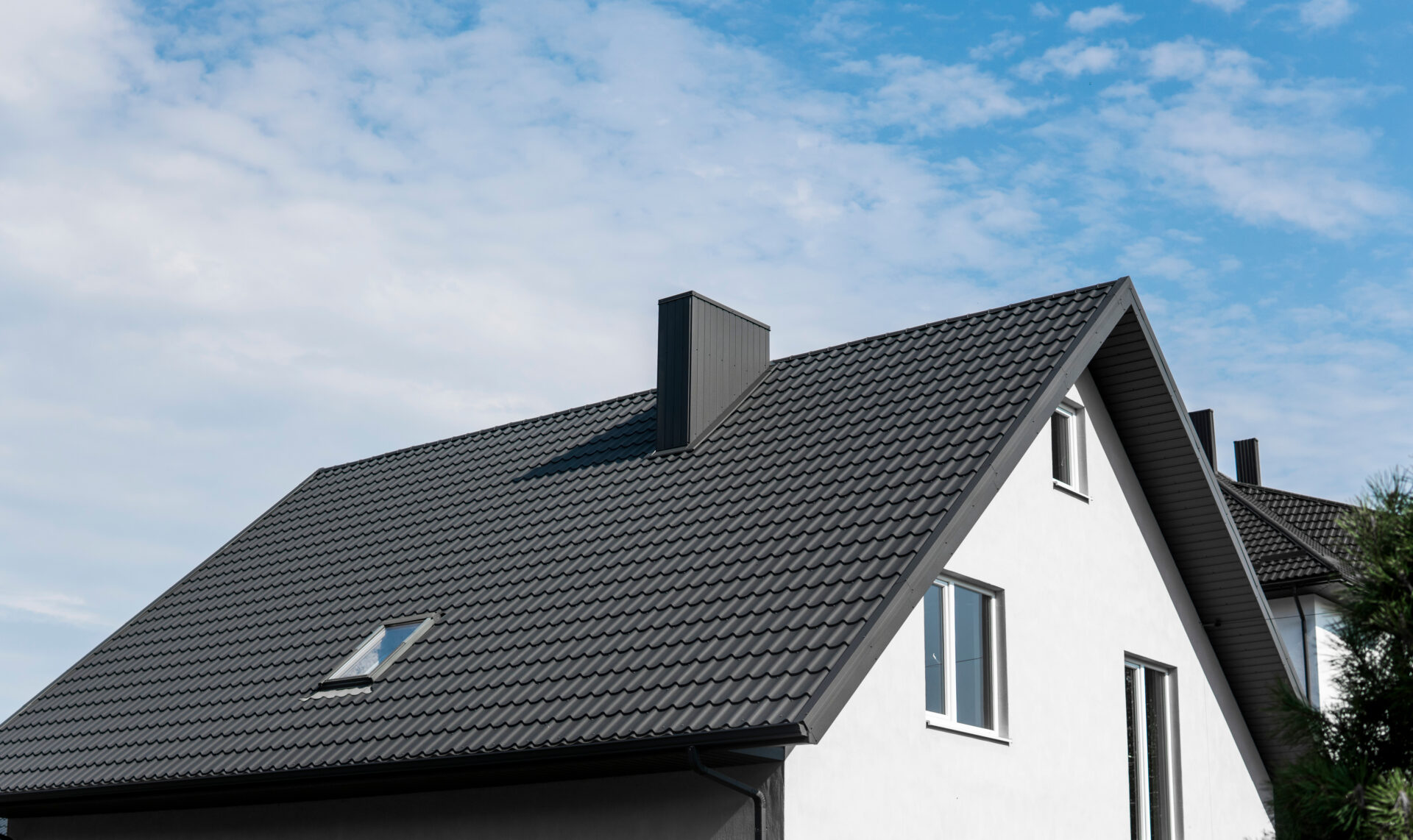
Replacing a roof is one of the most significant investments a homeowner can make. It protects your family, enhances curb appeal, and significantly impacts your property value. If you are staring at aging shingles or dealing with a leak, you are likely asking the critical question: how much is a new roof on a small house?
The answer isn’t a single number, but rather a range influenced by materials, labor, and location. For a typical small home (approximately 1,000 to 1,500 square feet), costs generally range from $5,000 to $15,000. However, understanding the breakdown is essential to avoid overpaying. This guide will walk you through every factor affecting your budget, ensuring you make an informed decision with confidence.
What Factors Influence the Cost of a Small Roof?
Before diving into specific numbers, it is crucial to understand why prices vary. Even for small structures, several variables play a massive role in the final invoice.
1. Roof Size and Complexity
In the roofing industry, size is measured in “squares.” One square equals 100 square feet of roof area. A small house might have 10 to 15 squares of roofing. However, the footprint of your house is not the same as the roof area. Steeper pitches require more material and safety equipment, increasing labor costs. Additionally, complex designs with multiple valleys, dormers, or chimneys require more time and skill to seal properly.
2. Material Selection
This is the biggest cost driver. Asphalt shingles are the most affordable, while metal, slate, or tile can double or triple the price. For small homes, the difference in total material cost is less dramatic than on large estates, but the percentage increase remains significant.
3. Labor and Location
Labor costs vary wildly across the United States. A roofer in rural Ohio may charge significantly less per hour than a contractor in San Francisco or New York City. Furthermore, if your small house is difficult to access (e.g., surrounded by dense trees or tight lot lines), contractors may add a “difficulty premium.”
4. Removal of Old Roofing
Does your new roof need to go over the old one, or must the old layers be torn off? Most building codes allow only two layers of asphalt shingles. Removing old roofing adds to the disposal fees and labor time. Expect to pay an additional $1–$5 per square foot for tear-off and disposal.
Average Cost Breakdown by Material (2026 Estimates)
To give you a clear picture, let’s look at the estimated costs for a small house with a roof area of approximately 1,200 square feet (12 squares). These prices include both materials and professional installation.
| Material Type | Cost Per Square Foot | Total Estimated Cost (1,200 sq. ft.) | Lifespan | Best For |
|---|---|---|---|---|
| 3-Tab Asphalt Shingles | $3.50 – $5.50 | $4,200 – $6,600 | 15–20 Years | Budget-conscious owners |
| Architectural Shingles | $4.50 – $7.50 | $5,400 – $9,000 | 25–30 Years | Balance of cost & durability |
| Metal Roofing (Steel) | $8.00 – $14.00 | $9,600 – $16,800 | 40–70 Years | Long-term investment |
| Clay/Concrete Tile | $10.00 – $18.00 | $12,000 – $21,600 | 50+ Years | Hot climates, aesthetic appeal |
| Slate | $15.00 – $30.00+ | $18,000 – $36,000+ | 75–100+ Years | Historic homes, luxury |
Note: Prices are national averages for 2026 and may fluctuate based on regional supply chain conditions.
Why Asphalt Shingles Remain Popular
For most small homeowners, architectural asphalt shingles offer the best bang for the buck. They mimic the look of wood or slate at a fraction of the cost and are widely available. According to industry data, asphalt shingles account for nearly 80% of the residential roofing market in the US due to their affordability and ease of repair.
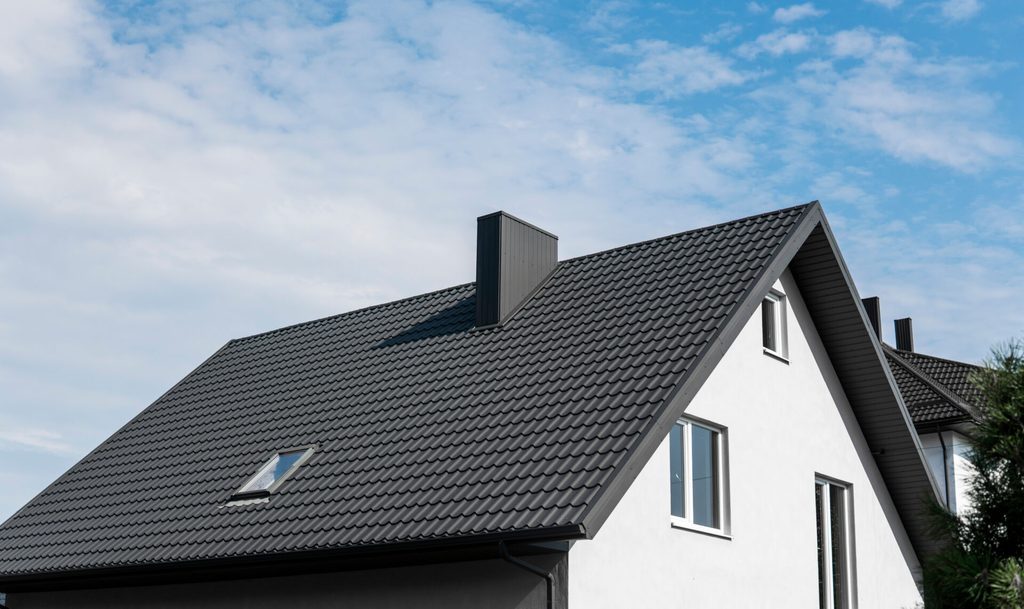
Hidden Costs You Might Overlook
When calculating how much is a new roof on a small house, many homeowners forget the ancillary expenses. These “hidden” costs can add 10–20% to your budget if not planned for.
- Permits: Most municipalities require a building permit for roof replacement. Fees typically range from $150 to $500, depending on your local government.
- Underlayment and Flashing: High-quality synthetic underlayment and ice/water shields are critical for preventing leaks. Upgrading from basic felt paper to synthetic materials might cost an extra $200–$400 but offers superior protection.
- Ventilation Improvements: Proper airflow extends the life of your roof. Installing new ridge vents or soffit vents during replacement is highly recommended and may cost $300–$600.
- Gutter Replacement: If your gutters are old, they may be damaged during the tear-off process. Many homeowners choose to replace them simultaneously, adding $1,000–$3,000 to the project.
DIY vs. Hiring a Professional: Is It Worth It?
You might be tempted to save money by doing it yourself. While DIY projects are rewarding, roofing is dangerous and technically demanding.
The Risks of DIY Roofing
- Safety Hazards: Falls from roofs are a leading cause of home improvement injuries. Professionals have harnesses, scaffolding, and insurance.
- Warranty Voidance: Most manufacturers will void the warranty on shingles if they are not installed by a certified professional.
- Code Compliance: Incorrect installation can lead to failed inspections, forcing you to redo the work.
Benefits of Hiring a Pro
Professional roofers bring expertise, speed, and liability insurance. They can spot underlying structural issues (like rotted decking) that an amateur might miss. For a small house, the labor savings from DIY might be $2,000–$4,000, but the risk of improper installation leading to leaks often outweighs the savings.
If you are handy, consider handling the cleanup and debris removal yourself to save on dumpster fees, but leave the installation to the experts. For more information on building standards and safety, you can refer to general construction guidelines on Wikipedia.
How to Save Money on Your Small Roof Replacement
You don’t have to break the bank to get a quality roof. Here are proven strategies to lower costs:
- Choose Standard Colors: Custom-colored shingles or special orders often carry a premium. Stick to standard colors like black, gray, or brown, which are usually in stock and cheaper.
- Schedule Off-Season: Roofing demand peaks in late summer and early fall. Scheduling your project in late winter or early spring (weather permitting) can sometimes secure you a discount as contractors look to fill their schedules.
- Get Multiple Quotes: Never accept the first bid. Aim for at least three detailed quotes. Ensure each quote includes the same scope of work (materials, tear-off, cleanup) for an accurate comparison.
- Check for Insurance Claims: If your roof damage was caused by a recent storm (hail, wind), your homeowners insurance might cover part or all of the replacement. Review your policy and file a claim if applicable.
FAQ Section
1. How long does it take to replace a roof on a small house?
For a small house (1,000–1,500 sq. ft.), a professional crew can typically complete the job in 1 to 2 days. This includes tearing off the old roof, inspecting the decking, and installing the new materials. Weather delays can extend this timeline.
2. Can I install a new roof over the old one?
Yes, in many cases, you can install a second layer of asphalt shingles over the existing one. This saves on tear-off and disposal costs. However, this is only allowed if there is currently only one layer of shingles and the local building code permits it. Always check with your contractor first, as trapping moisture between layers can cause issues.
3. Does a new roof increase home value?
Absolutely. A new roof is a major selling point. According to real estate experts, a new roof can recoup 60–70% of its cost in increased home value. More importantly, it makes the home easier to sell, as buyers are often wary of immediate major repairs.
4. What is the cheapest way to replace a roof?
The most cost-effective method is using 3-tab asphalt shingles and keeping the existing roof structure intact (if code allows). Opting for a simple roof design without complex angles also reduces labor costs. However, remember that “cheapest” upfront may mean higher maintenance costs later.
5. How do I know if I need a full replacement or just repairs?
If your roof is over 20 years old, has widespread granule loss, or leaks in multiple areas, a full replacement is likely more cost-effective than repeated repairs. If the damage is isolated to a small section (e.g., from a fallen branch) and the rest of the roof is in good condition, repairs may suffice.
Conclusion
So, how much is a new roof on a small house? While the national average hovers between $5,000 and $15,000, your specific cost depends on material choice, location, and roof complexity. By understanding these factors, you can budget accurately and avoid surprises.
Investing in a quality roof is not just about aesthetics; it’s about protecting your biggest asset. Don’t rush the decision. Get multiple quotes, ask questions, and choose a reputable contractor who values transparency.
Found this guide helpful? Share it with friends or family who are planning home improvements! Let’s help others make smarter financial decisions for their homes. 🏠🔨
Leave a Reply