Have you ever stood in front of a towering stack of materials at the supply yard, scratching your head and wondering if that single delivery truck can actually hold everything you need? It is a common frustration for both DIY enthusiasts and seasoned contractors alike. Knowing exactly how many bundles of roofing shingles are on a pallet is crucial not just for budgeting, but for ensuring your delivery goes smoothly and your roof structure isn’t overloaded.
In this guide, we will break down the numbers, explain the variations based on shingle type, and provide you with the logistical know-how to handle your roofing materials like a pro. Let’s dive into the details so you can plan your project with confidence.
The Standard Answer: What Is the Average Bundle Count?
If you are looking for a quick rule of thumb, here is the industry standard: A typical pallet of asphalt roofing shingles contains between 40 and 60 bundles.
However, “typical” can be misleading because shingles vary significantly in weight and thickness. Most suppliers aim to keep a full pallet under a specific weight limit to comply with safety regulations and forklift capacities. That limit is usually around 2,000 to 2,500 pounds.
Why Does the Number Vary?
The variation depends primarily on two factors:
- Shingle Type: 3-tab shingles are lighter and thinner than architectural (dimensional) or luxury shingles.
- Manufacturer Specifications: Different brands package their shingles differently. Some may put 5 bundles per pack, while others stick to the traditional 3.
For the most common architectural shingles, you will typically find 42 to 48 bundles per pallet. For lighter 3-tab shingles, the count can go up to 60 bundles. Conversely, heavy luxury or designer shingles might only have 30 to 36 bundles per pallet due to their increased weight.
Breaking Down by Shingle Type
To help you estimate more accurately, let’s look at the specific counts for the most popular types of roofing materials found in the US market.
| Shingle Type | Avg. Weight per Bundle | Bundles per Pallet | Approx. Total Weight |
|---|---|---|---|
| 3-Tab Asphalt | 60–70 lbs | 50–60 | ~3,000 lbs* |
| Architectural | 75–85 lbs | 42–48 | ~3,600 lbs* |
| Luxury/Designer | 90–100+ lbs | 30–36 | ~3,000+ lbs* |
*Note: Weight limits vary by supplier. Some distributors split heavier loads onto two pallets to stay under 2,500 lbs per unit for easier handling.
3-Tab Shingles
These are the entry-level option. Because they are thin and lightweight, manufacturers can stack more of them on a single wooden pallet. If you are re-roofing a small shed or a budget-conscious home, you might see a higher bundle count. However, these are becoming less common in new residential constructions due to their shorter lifespan.
Architectural (Dimensional) Shingles
This is the gold standard for modern American homes. They offer better durability and aesthetic depth. Since they are thicker and often have multiple layers laminated together, they are heavier. Consequently, you get fewer bundles per pallet. Expect around 42 to 44 bundles for major brands like GAF, Owens Corning, or CertainTeed.
Luxury Shingles
Designed to mimic slate or wood shake, these are heavy hitters. Their density means a pallet fills up quickly in terms of weight, even if it doesn’t look very tall. Do not be surprised if your pallet only holds 30 to 35 bundles.
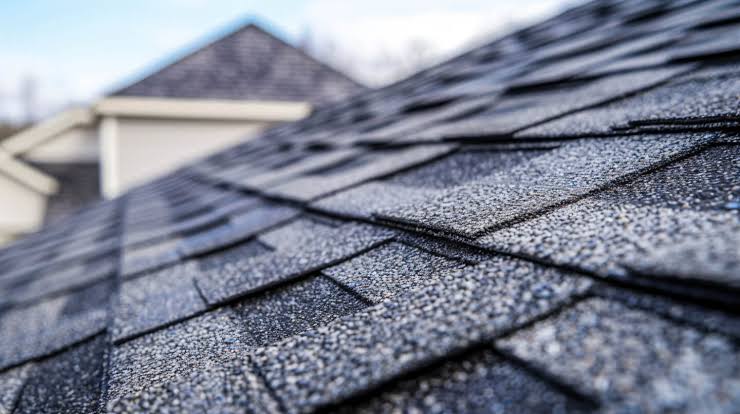
Calculating Your Project Needs
Knowing the pallet count is only half the battle. You need to translate that into how much material you actually need for your roof. Here is a step-by-step process to ensure you order correctly.
Step 1: Measure Your Roof Square Footage
Measure the length and width of each plane of your roof. Multiply these to get the square footage.
- Example: A roof section that is 20 feet wide and 40 feet long = 800 sq. ft.
Step 2: Convert to “Squares”
In roofing terminology, one “square” equals 100 square feet.
- Calculation: 800 sq. ft. / 100 = 8 squares.
Step 3: Determine Bundles per Square
Most standard shingles require 3 bundles per square. However, some larger-format shingles may only require 2 bundles per square, while heavier ones might need 4 or 5. Always check the label.
- Standard Calculation: 8 squares x 3 bundles = 24 bundles.
Step 4: Add Waste Factor
Never order the exact amount. You will need extra for cuts, starter strips, ridge caps, and mistakes.
- Simple Roofs: Add 10% waste.
- Complex Roofs (many valleys/peaks): Add 15–20% waste.
If you need 24 bundles, adding 15% waste brings you to roughly 28 bundles. Since you can’t buy partial pallets easily from distributors, knowing that a pallet holds ~42 bundles tells you that one pallet is more than enough for this small section, with leftovers for future repairs.
Logistical Considerations: Delivery and Storage
Understanding how many bundles of roofing shingles are on a pallet also helps you prepare for delivery day. This is where many homeowners face unexpected issues.
Forklift and Crane Access
A full pallet of architectural shingles can weigh over 3,000 pounds. Ensure your driveway can support this weight without cracking. If you live in a neighborhood with narrow streets or overhead wires, confirm with your supplier that their delivery truck can access your property. Some suppliers may require a crane lift if the truck cannot get close to the house, which incurs an additional fee.
Ground Preparation
Do not place a pallet directly on grass or dirt, especially if rain is forecasted. The wooden pallet can sink, tilt, or rot, causing the shingles to slide off or absorb moisture.
- Pro Tip: Place the pallet on a flat concrete surface or use plywood sheets underneath to distribute the weight and keep the bottom layer dry.
Safety First
Never attempt to move a full pallet yourself. These loads are unstable and incredibly heavy. Leave the moving to professionals with the right equipment. Once the bundles are off the pallet, store them flat and covered if they won’t be installed immediately.
Expert Insight: Why Accuracy Matters
According to industry standards, proper material estimation prevents costly mid-project delays. Running out of shingles means stopping work, calling the supplier, and waiting for another delivery—which might not match the dye lot of your original shingles, leading to visible color differences on your roof.
For more detailed information on roofing material standards and construction guidelines, you can refer to resources like Wikipedia’s page on Roofing, which provides a broad overview of historical and modern materials.
Frequently Asked Questions (FAQ)
1. Can I return unused bundles from a pallet?
Most suppliers allow returns of unopened, undamaged bundles, but there is often a restocking fee (usually 10–15%). Keep your receipt and check the return policy before purchasing. Note that custom-order colors are typically non-returnable.
2. Do all shingle brands have the same number of bundles per pallet?
No. While the weight limit is fairly consistent across the industry (due to transportation laws), the bundle count varies by brand and product line. Always ask your supplier for the specific “pallet count” for the SKU you are buying.
3. How much does a full pallet of shingles weigh?
A full pallet typically weighs between 2,000 and 3,500 pounds, depending on the shingle type. Architectural shingles usually land in the 2,500–3,000 lb range. Always verify the weight with your supplier to ensure your driveway and roof structure can handle the load during installation.
4. What happens if shingles get wet on the pallet?
If the outer packaging is slightly damp but the shingles inside are dry, they are usually fine. However, if water has penetrated the bundles, the shingles may stick together or develop mold. Do not install wet shingles; let them dry completely in the sun first, or replace them if they are damaged.
5. Is it cheaper to buy by the pallet or by the bundle?
Buying by the pallet is almost always cheaper per bundle. Suppliers often offer a “pallet discount” because it reduces their handling labor. If you have leftover shingles, storing them properly can save you money on future repairs.
Conclusion
Understanding how many bundles of roofing shingles are on a pallet is more than just a trivia question—it is a vital part of planning a successful roofing project. Whether you are dealing with lightweight 3-tabs or heavy luxury shingles, knowing the counts (typically 40–60 bundles) helps you budget accurately, prepare your site for delivery, and avoid the headache of running short on materials.
Remember, every roof is unique. Always measure twice, add a waste factor, and communicate clearly with your supplier about the specific weight and count of the products you choose.
Did you find this guide helpful? Share it with your friends or fellow DIYers on social media to help them tackle their roofing projects with confidence!
Leave a Reply