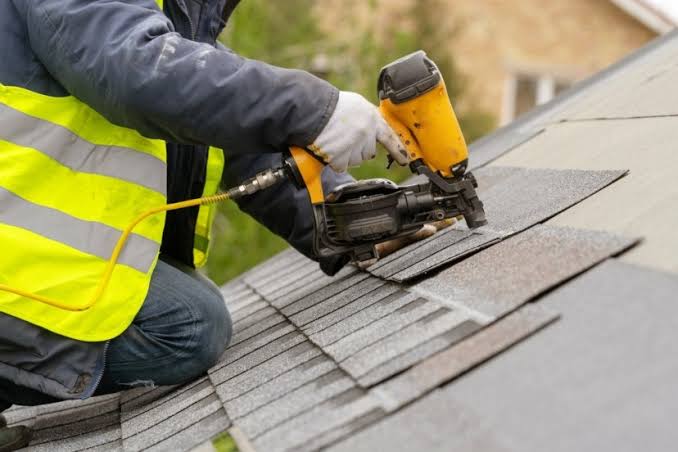
Facing a leaking or damaged roof is one of the most stressful situations a homeowner can encounter. It threatens the safety of your family and the structural integrity of your most valuable asset, yet finding the funds often feels impossible when your savings are depleted. If you are wondering how to pay for a new roof with no money, you are not alone, and there are viable pathways to secure the repairs you need without upfront cash.
Understanding the Urgency and Your Options
A compromised roof is not just an aesthetic issue; it is a critical failure point for your home. Water intrusion can lead to mold growth, electrical hazards, and significant depreciation in property value. According to industry data, ignoring minor roof damage can increase repair costs by up to 300% within a year due to secondary structural damage.
However, the barrier to entry—cost—is real. The average cost of a new roof in the United States ranges from $5,000 to $15,000, depending on materials and size. For many, this sum is unattainable in liquid cash. The good news is that “no money down” does not mean “no solution.” It means shifting from immediate cash payment to strategic financial leveraging.
Can You Really Get a New Roof With Zero Down?
The short answer is yes. Many roofing contractors and financial institutions offer programs specifically designed for homeowners who lack immediate liquidity but have steady income or equity. The key is understanding which avenue fits your financial profile.
1. Home Equity Loans and HELOCs
If you have owned your home for several years, you likely have built up equity. A Home Equity Line of Credit (HELOC) allows you to borrow against this equity.
- How it works: You use your home as collateral.
- Pros: Lower interest rates compared to personal loans; interest may be tax-deductible if used for home improvement.
- Cons: Your home is at risk if you default; requires closing costs and appraisal.
2. Personal Loans for Home Improvement
Unsecured personal loans are a popular option for those who do not want to put their home at risk or do not have sufficient equity.
- How it works: A bank or online lender provides a lump sum based on your credit score and income.
- Pros: Fast funding (often within 24–48 hours); no collateral required.
- Cons: Higher interest rates for lower credit scores; strict debt-to-income ratio requirements.
3. Contractor Financing Programs
Many reputable roofing companies partner with third-party lenders like GreenSky or EnerBank to offer in-house financing.
- How it works: You apply through the roofer, and if approved, the lender pays the contractor directly.
- Pros: Often offers promotional periods with 0% interest for 6–12 months; streamlined application process.
- Cons: High penalty fees if the promotional period is missed; potentially higher standard APRs after the promo ends.
Leveraging Insurance Claims
Before seeking loans, determine if your roof damage is covered by insurance. This is the most effective way to get a new roof with “no money” out of pocket, aside from your deductible.
Step-by-Step Guide to Filing a Claim:
- Document the Damage: Take clear, high-resolution photos of the damage from multiple angles. Include date stamps if possible.
- Review Your Policy: Check for “Actual Cash Value” vs. “Replacement Cost Value.” Replacement Cost is preferable as it covers the full cost of new materials.
- Hire a Public Adjuster (Optional): If the claim is complex, a public adjuster can negotiate with the insurance company on your behalf, though they take a percentage of the settlement.
- File the Claim: Contact your insurer immediately. Delays can lead to denials based on “neglect.”
- Get Multiple Estimates: Insurance companies will send an adjuster, but having independent contractor estimates strengthens your case.
Note: Most policies do not cover wear and tear. The damage must be sudden and accidental (e.g., storm, hail, fallen tree). For more details on standard home insurance coverage, you can refer to Wikipedia’s page on Home Insurance.
Government Grants and Assistance Programs
While federal grants for individual home repairs are rare, there are specific programs for low-income homeowners, veterans, and rural residents.
- USDA Section 504 Home Repair Program: Provides loans and grants to very-low-income homeowners in rural areas to repair, improve, or modernize their homes. Grants are available for elderly homeowners to remove health and safety hazards.
- HUD Title I Property Improvement Loan Insurance: This program insures loans made by private lenders for home improvements. It doesn’t provide the money directly but makes lenders more willing to offer favorable terms to borrowers with lower credit scores.
- Local State and Municipal Programs: Many states have energy efficiency programs that offer rebates or low-interest loans for roofing if you upgrade to energy-efficient materials (like cool roofs). Check your state’s energy office website for local opportunities.
Comparison: Financing Options at a Glance
| Feature | Home Equity Loan | Personal Loan | Contractor Financing | Insurance Claim |
|---|---|---|---|---|
| Upfront Cost | Low (Closing Costs) | None | None | Deductible Only |
| Interest Rate | Low (Secured) | Medium/High | Variable (Promo Available) | N/A |
| Credit Check | Required | Required | Required | Not Applicable |
| Risk | Home Foreclosure | Credit Score Impact | High APR later | Claim Denial |
| Best For | High Equity Owners | Quick Cash Needs | Short-term Repayment | Storm/Accident Damage |
Steps to Secure Funding When You Have Bad Credit
Having a low credit score does not disqualify you from getting a new roof, but it limits your options. Here is how to navigate this challenge:
- Seek Co-Signers: If you have a family member with good credit, they may co-sign a loan, significantly lowering the interest rate.
- Look for “No Credit Check” Local Programs: Some non-profit organizations and community development blocks offer assistance based on income rather than credit history.
- Negotiate Payment Plans: Some smaller, local roofing contractors may agree to a phased payment plan (e.g., 30% start, 40% mid-way, 30% completion) without involving a bank, though this is becoming rarer.
- Improve Your Score Quickly: Pay down small credit card balances before applying. Even a 20-point increase in your FICO score can change your loan eligibility.
Avoiding Scams and Predatory Lenders
When you are desperate for a roof, you are a target for scams. Protect yourself by following these rules:
- Never Pay Full Upfront: Legitimate contractors never ask for 100% payment before work begins. A deposit of 10–30% is standard.
- Verify Licensing: Check the contractor’s license with your state’s licensing board.
- Get Everything in Writing: Verbal promises about financing terms are worthless. Ensure all interest rates, fees, and payment schedules are in the contract.
- Beware of “Door Knockers”: After storms, scammers often go door-to-door offering “leftover materials” deals. These are almost always fraudulent.
FAQ Section
Q1: Can I get a new roof if I have bad credit? Yes, but your options are limited. You may need to look into contractor-specific financing which sometimes has more flexible criteria, or seek a co-signer. Interest rates will be higher, so focus on paying off the balance quickly.
Q2: Does homeowners insurance cover a new roof due to age? Generally, no. Insurance covers sudden and accidental damage, not gradual wear and tear or old age. If your roof is simply old, you will need to rely on financing or savings.
Q3: What is the cheapest way to replace a roof? Asphalt shingles are typically the most affordable material. Additionally, obtaining multiple quotes and timing your replacement during the off-season (late fall or winter, weather permitting) can result in lower labor costs.
Q4: Are there tax credits for replacing a roof? Standard roof replacements are not tax-deductible. However, if you install energy-efficient roofing materials that meet specific IRS criteria, you may qualify for residential energy efficiency tax credits. Always consult a tax professional.
Q5: How long does contractor financing approval take? It varies, but many specialized roofing lenders offer instant or same-day approvals. The entire process from application to funding can often be completed within 24 to 72 hours.
Conclusion
Learning how to pay for a new roof with no money is about leveraging the resources you already have: your home’s equity, your insurance policy, or specialized financing tools. While the situation is stressful, taking proactive steps to explore HELOCs, insurance claims, and government assistance can provide a clear path forward.
Do not let financial constraints compromise your home’s safety. Evaluate your options, compare lenders, and choose the solution that best fits your long-term financial health. If you found this guide helpful, please share it on social media to help other homeowners navigate this challenging process.