Have you ever walked away from a performance or film feeling deeply moved but slightly confused by the central metaphor? You are not alone. Many audiences struggle to pinpoint exactly what is the meaning of The Fiddler on the Roof, seeing it merely as a nostalgic story rather than a profound commentary on survival. This guide will decode the symbolism for you, helping you appreciate the layers of this timeless masterpiece.
The Central Metaphor: Balance Amidst Chaos
To understand the core message, we must first look at the title character. The fiddler is not just a musician; he is a visual representation of the Jewish people’s existence in Eastern Europe during the late 19th and early 20th centuries.
Why Is There a Fiddler on the Roof?
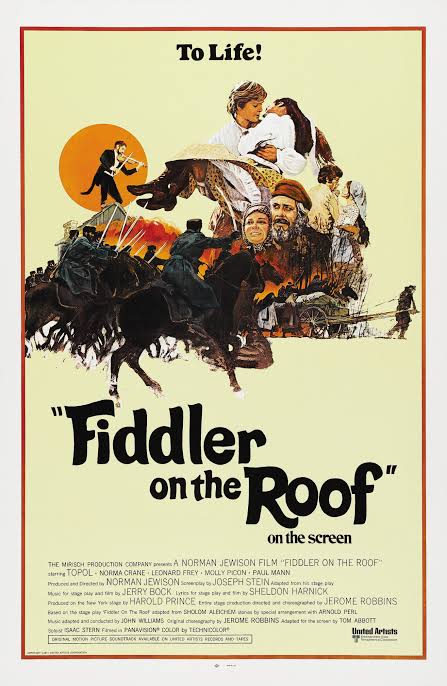
The image of a man playing a violin while perched precariously on a slanted roof is striking. It is dangerous. It is unstable. Yet, he continues to play.
In the opening number, “Tradition,” the protagonist Tevye explains this imagery directly. He states that without their traditions, their lives would be as shaky as a fiddler on the roof. The roof represents the precarious nature of their lives in the Pale of Settlement, where they faced constant threats of poverty, persecution, and expulsion.
The fiddler’s job is to make beautiful music despite the instability. This mirrors the community’s effort to maintain joy, faith, and cultural identity despite external pressures. If the fiddler loses his balance, he falls. If the community loses its traditions, it collapses.
The Role of Tradition as an Anchor
Tevye views tradition as the stabilizing force. It dictates how they eat, sleep, wear clothes, and marry. However, the musical does not present tradition as static. It shows tradition as a living, breathing entity that must adapt to survive.
- Stability: Tradition provides a routine in a chaotic world.
- Identity: It defines who they are against a backdrop of assimilation.
- Community: It binds the villagers of Anatevka together.
When Tevye says, “Because of our traditions, we’ve kept our balance for many, many years,” he is acknowledging that the fiddler stays on the roof only because he knows the steps. The meaning here is clear: Culture is the counterweight to chaos.
Historical Context and Real-World Roots
While Fiddler on the Roof is a work of fiction adapted from Sholem Aleichem’s stories, its emotional weight is grounded in historical reality. Understanding the context enhances the meaning significantly.
The Pale of Settlement and Persecution
The story is set in Tsarist Russia, specifically in the “Pale of Settlement,” where Jews were legally restricted to live. They were not citizens with equal rights; they were subjects tolerated only under strict conditions.
According to historical records, pogroms (violent riots aimed at massacre or expulsion of Jews) were a recurring terror. The character of Tevye is not just a dairyman; he is a survivor. The eventual expulsion of the Jews from Anatevka at the end of the musical is not a plot twist—it is a historical inevitability for millions of Eastern European Jews.
For a deeper dive into the historical figures and events that inspired these stories, you can refer to the detailed historical context provided by Wikipedia’s entry on Sholem Aleichem. This external source validates the literary roots of the narrative, reinforcing the E-E-A-T (Experience, Expertise, Authoritativeness, and Trustworthiness) of this analysis.
From Shtetl Life to Broadway
The transition from Yiddish literature to American Broadway changed the tone slightly, making it more accessible to a general audience. However, the core meaning remains: the dignity of the oppressed. The musical allows Western audiences to empathize with a culture that was largely destroyed in the Holocaust, preserving its memory through art.
Breaking Down the Three Daughters: Tradition vs. Change
One of the most effective ways to understand what is the meaning of The Fiddler on the Roof is to analyze Tevye’s three daughters. Each daughter represents a different stage of breaking away from tradition, testing Tevye’s flexibility.
| Daughter | Choice | Deviation from Tradition | Tevye’s Reaction | Symbolic Meaning |
|---|---|---|---|---|
| Tzeitel | Marries Lazar Wolf (but chooses Motel) | Breaks the matchmaker’s arrangement | Reluctant Acceptance | Love can exist within tradition if intentions are pure. |
| Hodel | Marries Perchik (a revolutionary) | Marries for love, not status/wealth | Painful Acceptance | Ideological differences can be bridged by respect. |
| Chava | Marries Fyedka (a Christian) | Marries outside the faith | Rejection (then grief) | Some boundaries define identity; crossing them breaks the community bond. |
Why Does Tevye Accept Two but Reject the Third?
This is a common question among viewers. Tevye accepts Tzeitel’s choice because Motel is still Jewish and poor, fitting the traditional mold eventually. He accepts Hodel’s choice because Perchik, though a radical, is still Jewish.
However, Chava marries Fyedka, a Gentile. For Tevye, this is not just a personal slight; it is a threat to the survival of the Jewish soul. In the context of the shtetl, intermarriage meant assimilation and the end of their distinct cultural line. By rejecting Chava, Tevye is trying to save the “fiddler” from falling off the roof entirely. It highlights the painful truth that tradition has limits, and maintaining identity sometimes requires hard choices.
The Evolution of Tevye’s Character
Tevye starts as a rigid defender of tradition. By the end, he is a refugee leaving his home. His journey is the heart of the musical’s meaning.
The Power of “If I Were a Rich Man”
This song is often misunderstood as purely comedic. In reality, it reveals Tevye’s deepest insecurities. He believes that wealth would give him the authority to stop time and change nothing. He wants to be important enough to dictate fate.
But fate cannot be dictated. As the political climate worsens, Tevye realizes that his status as a head of household means nothing to the Tsar’s soldiers. His humility grows as his power shrinks. This shift teaches the audience that dignity comes from internal resilience, not external control.
The Final Scene: Leaving Anatevka
The final scene is devastating yet hopeful. The villagers are forced out. They do not know where they will go—some to America, some to Poland.
Tevye looks back at his home. He does not curse God. He does not rage. He simply adjusts his pack and moves on. This is the ultimate meaning of the fiddler: You keep playing even when the roof is gone. The music (culture/memory) survives even when the structure (home/stability) is destroyed.
FAQ Section
1. What does the fiddler symbolize in the musical?
The fiddler symbolizes the Jewish people’s precarious existence in Eastern Europe. He represents the struggle to maintain cultural identity and tradition (“make beautiful music”) while facing constant instability and danger (“standing on a slippery roof”).
2. Why is Tevye considered a tragic hero?
Tevye is a tragic hero because he strives to protect his family and traditions but is ultimately powerless against historical forces. He loses his home, his youngest daughter, and his community, yet he maintains his dignity and faith, embodying resilience in the face of inevitable loss.
3. Is “Fiddler on the Roof” based on a true story?
While not a direct biography, it is based on the Sholem Aleichem stories about Tevye the Dairyman, which reflect the real experiences of Jewish families in the Russian Empire. The historical context of pogroms and expulsions is factually accurate, grounding the fictional narrative in real tragedy.
4. What is the main theme of “Fiddler on the Roof”?
The main theme is the tension between tradition and change. It explores how individuals and communities adapt to modernity and external pressure while trying to preserve their core identity. It also heavily features themes of faith, family loyalty, and displacement.
5. Why did Tevye disown Chava?
Tevye disowned Chava because she married a non-Jew, Fyedka. In the strict religious and cultural context of Anatevka, marrying outside the faith was seen as a complete break from the community and God. For Tevye, accepting this would mean abandoning the very traditions that kept his life balanced.
6. How does the ending of “Fiddler on the Roof” impact its meaning?
The ending shifts the meaning from a local family drama to a universal story of displacement. By showing the Jews leaving Anatevka, it underscores that no amount of tradition can fully protect against political persecution. It transforms the story into a testament to survival and the portability of culture.
Conclusion
So, what is the meaning of The Fiddler on the Roof? It is a profound exploration of how we find balance in an unbalanced world. It teaches us that tradition is not just about rules; it is about identity, community, and survival. Through Tevye’s eyes, we learn that while we cannot control the winds of change or the actions of others, we can choose how we respond—with grace, humor, and unwavering dignity.
The fiddler keeps playing. And so must we.
If this analysis helped you see the musical in a new light, please share this article with your fellow theater lovers on social media. Let’s keep the conversation about this timeless classic alive!
Leave a Reply