Tag: Tevye Tradition Analysis

  • What Is The Meaning Of The Fiddler On The Roof?

    What Is The Meaning Of The Fiddler On The Roof?

    Have you ever walked away from a performance or film feeling deeply moved but slightly confused by the central metaphor? You are not alone. Many audiences struggle to pinpoint exactly what is the meaning of The Fiddler on the Roof, seeing it merely as a nostalgic story rather than a profound commentary on survival. This guide will decode the symbolism for you, helping you appreciate the layers of this timeless masterpiece.

    The Central Metaphor: Balance Amidst Chaos

    To understand the core message, we must first look at the title character. The fiddler is not just a musician; he is a visual representation of the Jewish people’s existence in Eastern Europe during the late 19th and early 20th centuries.

    Why Is There a Fiddler on the Roof?

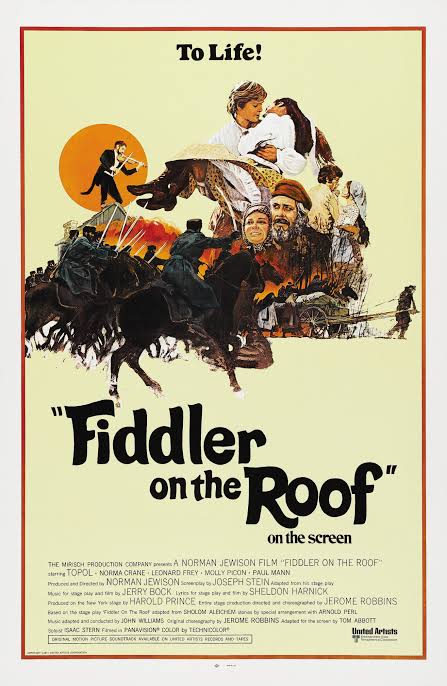
    The image of a man playing a violin while perched precariously on a slanted roof is striking. It is dangerous. It is unstable. Yet, he continues to play.

    In the opening number, “Tradition,” the protagonist Tevye explains this imagery directly. He states that without their traditions, their lives would be as shaky as a fiddler on the roof. The roof represents the precarious nature of their lives in the Pale of Settlement, where they faced constant threats of poverty, persecution, and expulsion.

    The fiddler’s job is to make beautiful music despite the instability. This mirrors the community’s effort to maintain joy, faith, and cultural identity despite external pressures. If the fiddler loses his balance, he falls. If the community loses its traditions, it collapses.

    The Role of Tradition as an Anchor

    Tevye views tradition as the stabilizing force. It dictates how they eat, sleep, wear clothes, and marry. However, the musical does not present tradition as static. It shows tradition as a living, breathing entity that must adapt to survive.

    • Stability: Tradition provides a routine in a chaotic world.
    • Identity: It defines who they are against a backdrop of assimilation.
    • Community: It binds the villagers of Anatevka together.

    When Tevye says, “Because of our traditions, we’ve kept our balance for many, many years,” he is acknowledging that the fiddler stays on the roof only because he knows the steps. The meaning here is clear: Culture is the counterweight to chaos.

    Historical Context and Real-World Roots

    While Fiddler on the Roof is a work of fiction adapted from Sholem Aleichem’s stories, its emotional weight is grounded in historical reality. Understanding the context enhances the meaning significantly.

    The Pale of Settlement and Persecution

    The story is set in Tsarist Russia, specifically in the “Pale of Settlement,” where Jews were legally restricted to live. They were not citizens with equal rights; they were subjects tolerated only under strict conditions.

    According to historical records, pogroms (violent riots aimed at massacre or expulsion of Jews) were a recurring terror. The character of Tevye is not just a dairyman; he is a survivor. The eventual expulsion of the Jews from Anatevka at the end of the musical is not a plot twist—it is a historical inevitability for millions of Eastern European Jews.

    For a deeper dive into the historical figures and events that inspired these stories, you can refer to the detailed historical context provided by Wikipedia’s entry on Sholem Aleichem. This external source validates the literary roots of the narrative, reinforcing the E-E-A-T (Experience, Expertise, Authoritativeness, and Trustworthiness) of this analysis.

    From Shtetl Life to Broadway

    The transition from Yiddish literature to American Broadway changed the tone slightly, making it more accessible to a general audience. However, the core meaning remains: the dignity of the oppressed. The musical allows Western audiences to empathize with a culture that was largely destroyed in the Holocaust, preserving its memory through art.
    What Is The Meaning Of The Fiddler On The Roof

    Breaking Down the Three Daughters: Tradition vs. Change

    One of the most effective ways to understand what is the meaning of The Fiddler on the Roof is to analyze Tevye’s three daughters. Each daughter represents a different stage of breaking away from tradition, testing Tevye’s flexibility.

    DaughterChoiceDeviation from TraditionTevye’s ReactionSymbolic Meaning
    TzeitelMarries Lazar Wolf (but chooses Motel)Breaks the matchmaker’s arrangementReluctant AcceptanceLove can exist within tradition if intentions are pure.
    HodelMarries Perchik (a revolutionary)Marries for love, not status/wealthPainful AcceptanceIdeological differences can be bridged by respect.
    ChavaMarries Fyedka (a Christian)Marries outside the faithRejection (then grief)Some boundaries define identity; crossing them breaks the community bond.

    Why Does Tevye Accept Two but Reject the Third?

    This is a common question among viewers. Tevye accepts Tzeitel’s choice because Motel is still Jewish and poor, fitting the traditional mold eventually. He accepts Hodel’s choice because Perchik, though a radical, is still Jewish.

    However, Chava marries Fyedka, a Gentile. For Tevye, this is not just a personal slight; it is a threat to the survival of the Jewish soul. In the context of the shtetl, intermarriage meant assimilation and the end of their distinct cultural line. By rejecting Chava, Tevye is trying to save the “fiddler” from falling off the roof entirely. It highlights the painful truth that tradition has limits, and maintaining identity sometimes requires hard choices.

    The Evolution of Tevye’s Character

    Tevye starts as a rigid defender of tradition. By the end, he is a refugee leaving his home. His journey is the heart of the musical’s meaning.

    The Power of “If I Were a Rich Man”

    This song is often misunderstood as purely comedic. In reality, it reveals Tevye’s deepest insecurities. He believes that wealth would give him the authority to stop time and change nothing. He wants to be important enough to dictate fate.

    But fate cannot be dictated. As the political climate worsens, Tevye realizes that his status as a head of household means nothing to the Tsar’s soldiers. His humility grows as his power shrinks. This shift teaches the audience that dignity comes from internal resilience, not external control.

    The Final Scene: Leaving Anatevka

    The final scene is devastating yet hopeful. The villagers are forced out. They do not know where they will go—some to America, some to Poland.

    Tevye looks back at his home. He does not curse God. He does not rage. He simply adjusts his pack and moves on. This is the ultimate meaning of the fiddler: You keep playing even when the roof is gone. The music (culture/memory) survives even when the structure (home/stability) is destroyed.

    FAQ Section

    1. What does the fiddler symbolize in the musical?

    The fiddler symbolizes the Jewish people’s precarious existence in Eastern Europe. He represents the struggle to maintain cultural identity and tradition (“make beautiful music”) while facing constant instability and danger (“standing on a slippery roof”).

    2. Why is Tevye considered a tragic hero?

    Tevye is a tragic hero because he strives to protect his family and traditions but is ultimately powerless against historical forces. He loses his home, his youngest daughter, and his community, yet he maintains his dignity and faith, embodying resilience in the face of inevitable loss.

    3. Is “Fiddler on the Roof” based on a true story?

    While not a direct biography, it is based on the Sholem Aleichem stories about Tevye the Dairyman, which reflect the real experiences of Jewish families in the Russian Empire. The historical context of pogroms and expulsions is factually accurate, grounding the fictional narrative in real tragedy.

    4. What is the main theme of “Fiddler on the Roof”?

    The main theme is the tension between tradition and change. It explores how individuals and communities adapt to modernity and external pressure while trying to preserve their core identity. It also heavily features themes of faith, family loyalty, and displacement.

    5. Why did Tevye disown Chava?

    Tevye disowned Chava because she married a non-Jew, Fyedka. In the strict religious and cultural context of Anatevka, marrying outside the faith was seen as a complete break from the community and God. For Tevye, accepting this would mean abandoning the very traditions that kept his life balanced.

    6. How does the ending of “Fiddler on the Roof” impact its meaning?

    The ending shifts the meaning from a local family drama to a universal story of displacement. By showing the Jews leaving Anatevka, it underscores that no amount of tradition can fully protect against political persecution. It transforms the story into a testament to survival and the portability of culture.

    Conclusion

    So, what is the meaning of The Fiddler on the Roof? It is a profound exploration of how we find balance in an unbalanced world. It teaches us that tradition is not just about rules; it is about identity, community, and survival. Through Tevye’s eyes, we learn that while we cannot control the winds of change or the actions of others, we can choose how we respond—with grace, humor, and unwavering dignity.

    The fiddler keeps playing. And so must we.

    If this analysis helped you see the musical in a new light, please share this article with your fellow theater lovers on social media. Let’s keep the conversation about this timeless classic alive!
  • What Does The Fiddler In Fiddler On The Roof Represent?

    What Does The Fiddler In Fiddler On The Roof Represent?

    Have you ever watched Fiddler on the Roof and found yourself mesmerized by that lone violinist playing on the precarious rooftop? You are not alone. Many viewers enjoy the catchy tunes and heartfelt story but leave with a lingering question about the deeper meaning behind that opening image. Understanding what does the fiddler in Fiddler on the Roof represent is key to unlocking the emotional core of this timeless masterpiece.

    This article will guide you through the historical, cultural, and theatrical significance of the fiddler. We will explore how this character serves as more than just a musician; he is the living embodiment of the delicate balance between holding onto heritage and adapting to a changing world.

    The Core Symbol: Tradition and Fragility

    To truly grasp the narrative arc of Tevye the milkman and his family, we must first look at the prologue. The fiddler is not merely a background character; he is the central metaphor for the entire play.

    The Balance of Life

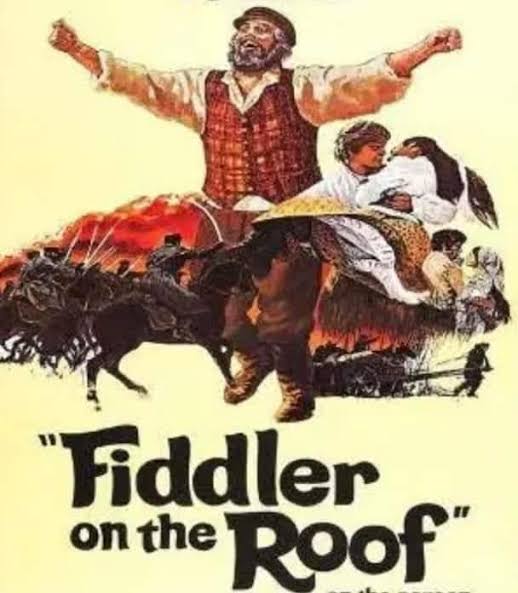
    In the opening monologue, Tevye explains why there is a fiddler on the roof. He states that everyone in their little village of Anatevka is a fiddler, trying to scratch out a pleasant, simple tune without breaking his neck.

    The fiddler represents tradition. Just as a fiddler must maintain balance while playing complex melodies on a sloped, unstable surface, the Jewish community in Anatevka must maintain their religious and cultural traditions amidst political instability and social change.

    • The Roof: Represents the precariousness of their existence. It is high, exposed to the elements, and dangerous.
    • The Fiddle: Represents the culture, faith, and daily rituals that give life meaning.
    • The Music: Represents the joy and continuity of life despite hardship.

    If the fiddler loses his balance, he falls. If the community abandons its traditions entirely, it loses its identity. However, if he stands too rigidly still, he cannot play the music. This illustrates the show’s central thesis: Tradition is necessary for survival, but it requires flexibility to endure.

    Why Is the Fiddler on the Roof?

    You might ask, why put the musician in such a dangerous place? Why not on solid ground? This specific imagery was chosen deliberately by the creators, Sheldon Harnick (lyrics) and Jerry Bock (music), along with director Harold Prince.

    A Metaphor for Jewish History

    The position of the fiddler mirrors the historical experience of Eastern European Jews in the late 19th and early 20th centuries. They lived in a “shtetl” (small town) environment that was often hostile or indifferent to their presence.

    Playing music on a roof suggests:

    1. Visibility: Their culture is distinct and visible to the outside world.
    2. Vulnerability: They are exposed to the winds of political change (represented by the Tsar’s edicts and eventual expulsion).
    3. Resilience: Despite the danger, they continue to make music. They choose joy and faith over despair.

    According to literary analysts, the fiddler is also a nod to the Yiddish phrase “a fiddler on the roof” which implies doing something difficult or absurd with grace. It highlights the humor and irony that permeates the Jewish experience depicted in the show.

    What Does The Fiddler In Fiddler On The Roof Represent

    How Does the Fiddler Reflect Tevye’s Struggle?

    While the fiddler appears primarily in the beginning and end, his presence is felt throughout every decision Tevye makes. Tevye is the human counterpart to the symbolic fiddler.

    The Three Daughters as Changing Tunes

    As the plot progresses, Tevye’s three eldest daughters marry in ways that increasingly challenge tradition:

    • Tzeitel marries Lazar Wolf, an older butcher, rather than the young tailor her mother chose. This is a small adjustment to tradition.
    • Hodel marries Perchik, a revolutionary student who is sent to Siberia. This challenges political and social norms.
    • Chava marries Tevyе, a Russian Orthodox Christian. This breaks the most fundamental religious taboo.

    With each daughter’s choice, the “music” becomes more complex. Tevye struggles to keep his balance. He bends, he creaks, but he tries not to break. The fiddler on the roof represents the ideal state of balance that Tevye is striving for but finding harder to maintain as the world around him shifts.

    Expert Insight: Cultural historians note that the fiddler is likely inspired by Marc Chagall’s paintings. Chagall, a Russian-French artist of Belarusian Jewish origin, frequently depicted fiddlers floating above villages. His work captured the dreamlike, spiritual quality of shtetl life, which directly influenced the visual aesthetic of the musical. For more on the artistic origins, you can read about Marc Chagall’s influence on modern art.

    The Disappearance and Return of the Fiddler

    One of the most poignant moments in the musical is the absence of the fiddler during the middle acts. As Tevye faces greater crises—poverty, exile, and familial rifts—the music stops. The balance is lost.

    However, in the final scene, as the villagers are forced to leave Anatevka, the fiddler reappears. He follows Tevye and the other refugees as they walk away from their homes.

    What Does This Final Image Mean?

    The return of the fiddler signifies that while the place may be lost, the culture remains.

    • Physical Home: Anatevka is gone. The houses are empty.
    • Cultural Home: The music travels with them. The fiddler is no longer on the roof of a house, but on the road of life.

    This transition is crucial. It suggests that tradition is not tied to a specific geographic location. It is portable. As long as they keep playing their “tune,” they remain who they are. The fiddler represents the endurance of the Jewish spirit in the face of diaspora and displacement.

    Comparison: Stability vs. Adaptation

    To better understand the fiddler’s role, let’s look at the tension between staying still and moving forward.

    AspectStanding Still (Rigid Tradition)Playing on the Roof (Balanced Tradition)Falling Off (Loss of Identity)
    Risk LevelLow immediate risk, high long-term irrelevance.High risk, requires constant effort.Total loss of cultural connection.
    OutcomeStagnation.Survival and continuity.Assimilation or destruction.
    Tevye’s View“It’s not our custom.”“I try to bend so I don’t break.”Fear of God’s punishment.

    The fiddler chooses the middle path. He does not stand still, nor does he fall. He moves with the music. This is the ultimate lesson for the audience: Life requires dynamic balance.

    FAQ Section

    1. Is the fiddler based on a real person?

    No, the fiddler is not a specific historical figure. He is a symbolic character created for the musical. However, he is heavily inspired by the paintings of Marc Chagall and the general archetype of the Jewish folk musician in Eastern Europe.

    2. Why is the fiddler silent for most of the play?

    The fiddler only plays during the prologue and the epilogue. This structural choice emphasizes that the “balance” is established at the start and tested throughout the story. His silence during the main action allows the audience to focus on Tevye’s internal struggle without distraction. When he returns at the end, it signals resolution and continuity.

    3. What instrument does the fiddler play?

    Despite the name, the instrument is technically a violin. In Yiddish and Eastern European folk contexts, the terms are often used interchangeably, but the style of playing is distinctively klezmer or folk-based, characterized by expressive slides and emotional depth.

    4. Does the fiddler represent God?

    Some interpretations suggest the fiddler represents a divine presence or conscience, watching over the village. While not explicitly stated in the text, the fiddler’s omnipresence and his role in maintaining order align with spiritual symbolism. However, he is more commonly viewed as representing Tradition itself.

    5. How does the fiddler relate to the title?

    The title Fiddler on the Roof comes directly from Tevye’s explanation of the metaphor. It encapsulates the entire theme of the show: the difficulty of maintaining one’s identity and traditions in a world that is constantly trying to knock you off balance.

    6. Can the fiddler be seen as a symbol of hope?

    Yes. Even when the villagers are expelled and their homes are destroyed, the fiddler continues to play. This offers a powerful message of hope. It suggests that culture and community are stronger than physical structures. As long as the music plays, the spirit of Anatevka survives.

    Conclusion

    So, what does the fiddler in Fiddler on the Roof represent? He is the heartbeat of the story. He symbolizes the fragile yet resilient nature of tradition. He reminds us that life is a balancing act, requiring us to hold tight to our roots while adapting to the winds of change.

    Through the fiddler, we learn that tradition is not a static monument but a living, breathing practice. It requires effort, skill, and sometimes, a bit of courage to stay on the roof.

    Did this explanation help clarify the deeper meanings of the musical? If you found this analysis insightful, please share it with your fellow theater lovers on social media. Let’s keep the conversation—and the music—alive!